



Exploring the Phenomenon of the 'Three-Day Monk' Phenomenon in Japan
Understanding the 'Three-Day Monk' Mentality
In a recent survey conducted by Loyalty Marketing Co., Ltd., in collaboration with the popular radio program "Mabuchi and Watanabe's #Biz Topi," it was revealed that nearly half of the respondents consider themselves to be 'Three-Day Monks.' This term refers to individuals who struggle to maintain their commitment to new habits, particularly in areas like dieting and exercise. This article delves into the findings of the survey and explores the common reasons behind this phenomenon.
Survey Findings: The Resounding 'Three-Day Monk' Confession
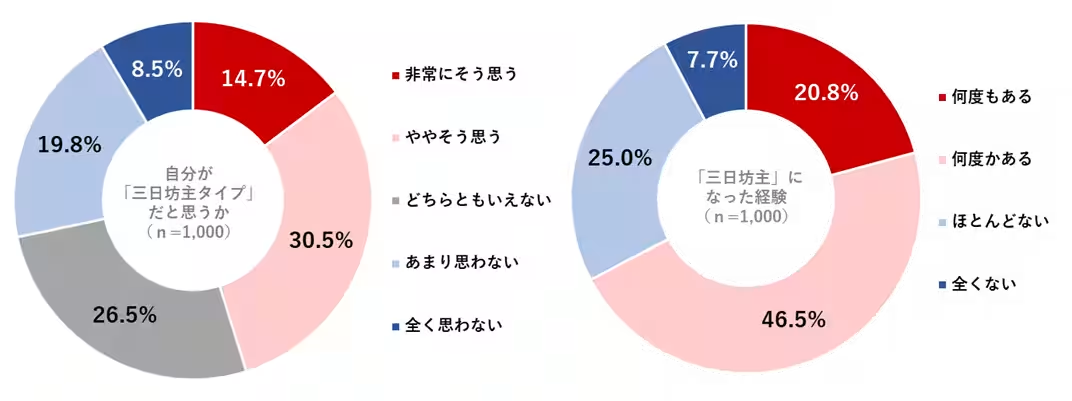
The survey aimed to gather insights from individuals aged 20 to 60 living in Japan. Approximately 45% of respondents admitted to being 'Three-Day Monks,' with about 67% having experienced giving up on new habits at least once. This implies that the challenge of maintaining consistency is a widespread issue among the population.
The Most Common Area of Struggle: Dieting and Exercise
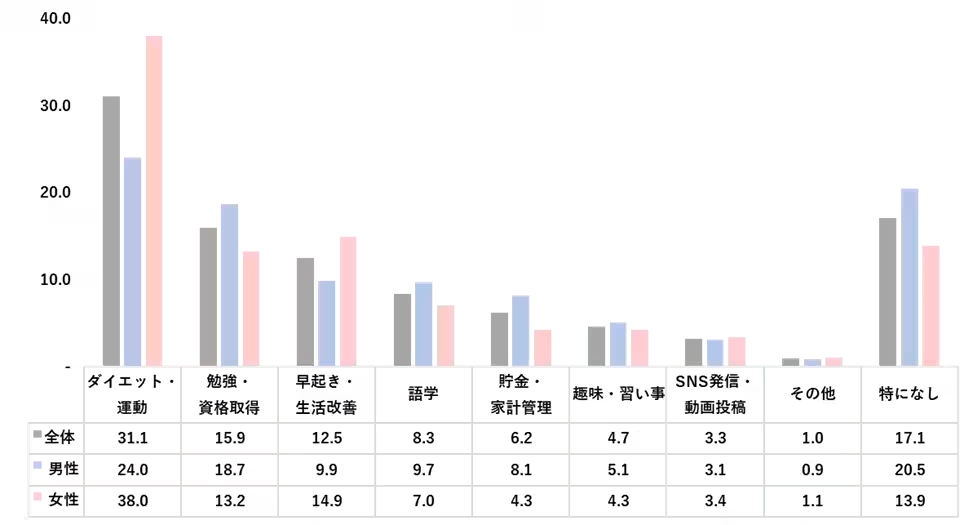
Interestingly, the study found that the area most prone to 'three-day monk' behavior is dieting and exercise, accounting for 31.1% of responses. The struggle is particularly pronounced among women, with 38% versus 24% of men admitting to difficulty in this aspect. Following dieting and exercise, individuals also reported challenges with studying and lifestyle improvements, indicating a broader trend of inconsistency in personal growth efforts.
The Reasons Behind the Struggle
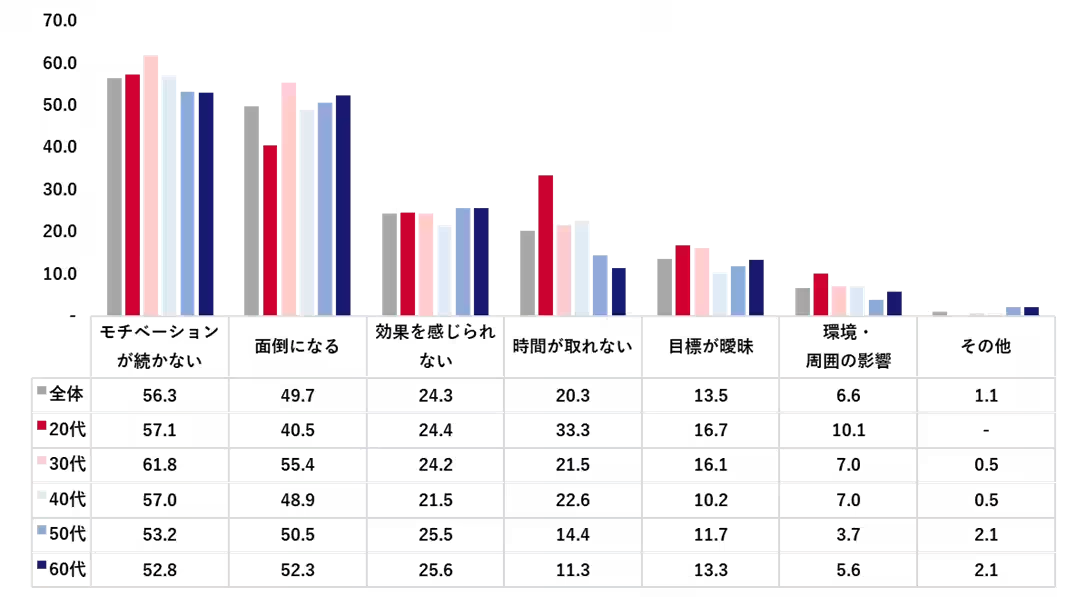
When respondents were asked why they often give up on their commitments, the leading reasons included a lack of motivation (56.3%) and the feeling that maintaining the habit is too tedious (49.7%). Particularly among those in their 20s, the scarcity of time emerged as a significant factor, cited by 33.3% of the respondents in that age group. This suggests that younger individuals may face unique challenges in balancing their fast-paced lives with the desire to adopt healthier habits.
The Struggle Duration and Responses
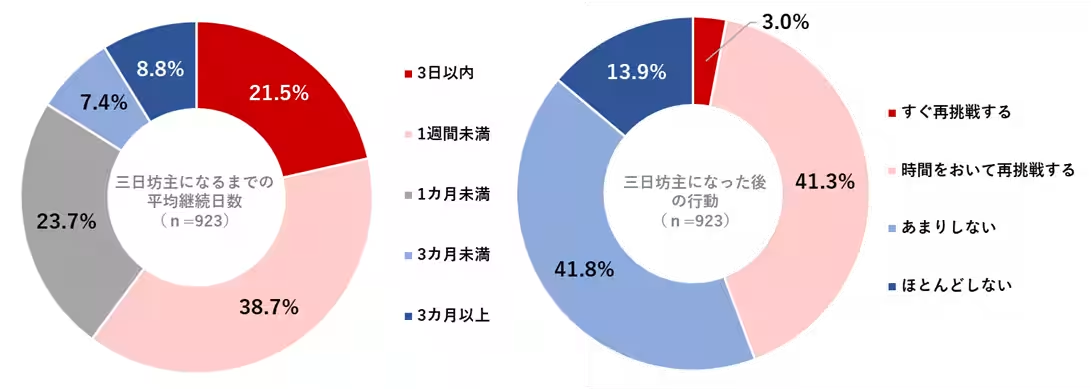
The data also highlighted that nearly 60% of individuals give up on their new commitments within a week. When faced with failure, most adopted a cautious approach to retrying their commitments; around 41% preferred to take a break before attempting again, while a similar number indicated they would not try again immediately. It reflects a tendency toward caution and a reluctance to dive back into inconsistent habits without strategic planning.
The Weight of Guilt
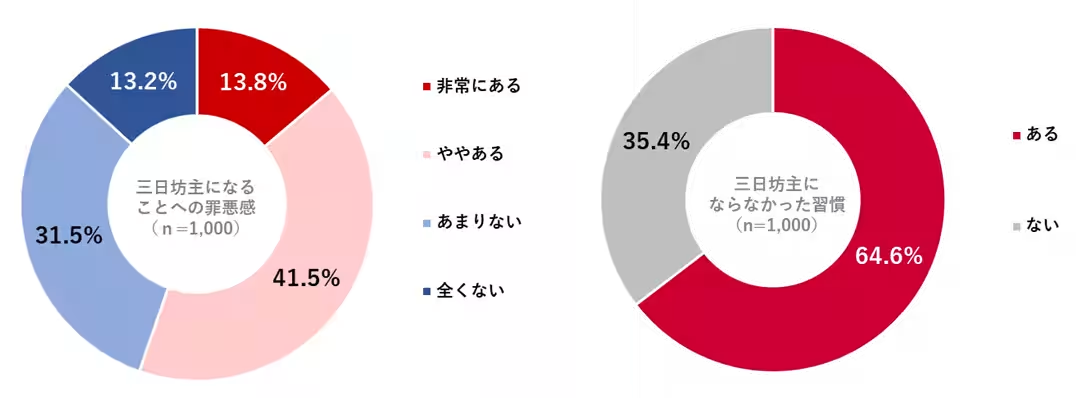
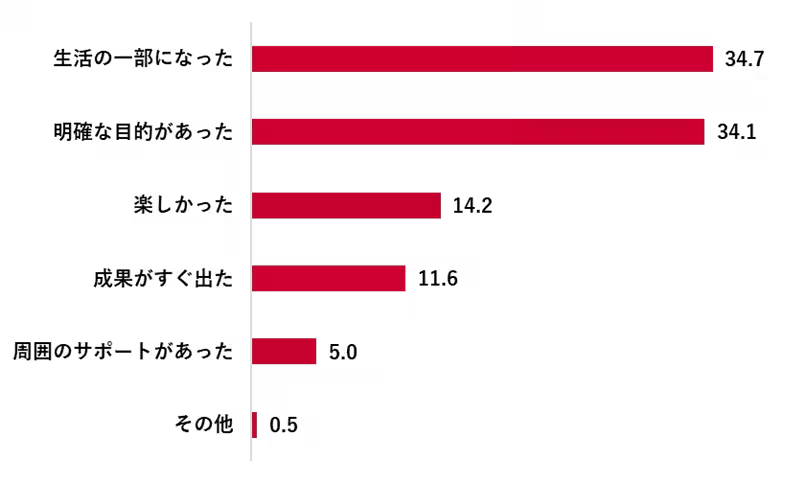
The emotional toll of not maintaining new habits is evident, as over half of respondents felt guilt over their 'three-day monk' behavior. Most expressed a desire to improve their health, with 34.6% wishing they could overcome their inconsistent habits. This desire connects back to the findings of what enables individuals to stick to their habits: having a clear purpose and incorporating it into daily life.
Insights from Experts
Commenting on these results, economists and radio hosts Mabuchi and Watanabe offered insights into addressing the 'three-day monk' phenomenon. They discussed the importance of creating a structured approach towards turning habits into routines. Emphasizing continuity, they encouraged a focus on integrating new habits into everyday life instead of relying solely on motivation, which can wane over time.
Conclusion: Breaking Free from the Cycle
The survey illustrates the challenges many face in cultivating lasting habits, particularly around health and self-improvement. However, it also sheds light on the potential for growth and change. By acknowledging these challenges and adopting a thoughtful, gradual approach, individuals may find ways to escape the cycle of 'three-day monk' behavior and nurture lasting, positive habits.
In a society that is increasingly aware of the importance of health and well-being, understanding these obstacles is crucial. With the right strategies and mindset, anyone can transform their occasional failures into a journey of sustainable growth.

Topics People & Culture)

【About Using Articles】
You can freely use the title and article content by linking to the page where the article is posted.
※ Images cannot be used.
【About Links】
Links are free to use.