



Heatstroke Prevention Strategies Among Home Care Nurses: Key Findings from a Survey
Understanding Heatstroke Prevention Strategies Among Home Care Nurses
In light of the rising temperatures during the summer months, Recovery International Co., Ltd. conducted a significant survey focusing on heatstroke prevention efforts among visiting nurses. The survey included 207 active home care nurses and provided insightful data on the strategies being employed for both their patients and their own wellbeing.
Key Findings of the Survey
Patient-Centric Heatstroke Prevention Measures
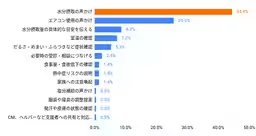
The top strategy identified for patients was encouragement for hydration, with a staggering 44.4% of nurses highlighting its importance. Following this, 25.6% indicated the significance of prompting for air conditioning use. The findings indicate that nurses play a vital role in making sure patients are aware of the risks related to dehydration and indoor temperature management. It was evident that rather than merely providing general advice, the approach involves offering tailored support based on patients' unique living conditions and behavioral characteristics.
Specific Innovations in Home Care
Responses from nurses highlighted innovative strategies such as utilizing calendars or water bottles for visual tracking of fluid intake, and devising methods to prevent misuse of air conditioning controls. This reflects a deep understanding of the psychological and daily life habits of elderly patients, ensuring a more personalized approach to care.
Self-Care Among Nurses
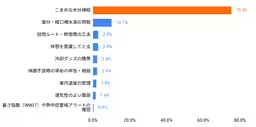
In terms of personal heatstroke prevention, frequent hydration was also the most prominent measure among nurses at 75.4%. Balancing their own health while delivering ongoing care requires vigilant self-management, especially given the active nature of their work in potentially heat-stressful situations.
Ranking of Patient Heatstroke Prevention Efforts
Top Strategies:
1. Encouragement for Hydration (44.4%)
2. Prompting for Air Conditioning Use (25.6%)
3. Communicating Specific Hydration Targets (8.7%)
4. Monitoring Indoor Temperature (7.2%)
5. Checking for Symptoms such as Lethargy or Dizziness (5.3%)
The predominance of hydration encouragement indicates a proactive stance in preventing heat-related issues in a vulnerable population. Furthermore, ensuring that air conditioning is adequately used underscores the nursing role in managing environmental factors to protect patients from potential heatstroke risks.
Importance of Contextual Approaches
The preference for specific advice on hydration reflects an understanding that many patients may struggle to recognize their dehydration or may hesitate to consume necessary fluids. Thus, nurses' observations and recommendations during visits become essential in initiating suitable responses tailored to each patient's living situation.
Similarly, prompts regarding air conditioning usage are pivotal, particularly for those living alone or among the elderly, where proper indoor climate management is crucial to prevention strategies.
The Third Ranked Strategy: Communicating Hydration Targets
Providing clear hydration guidelines is not just about monitoring consumption but also serves as a tool for early identification of health changes. This practical approach facilitates routine preventive actions within the limited time frame of home visits.
Nurses’ Own Heatstroke Prevention Ranking
Top Strategies:
1. Frequent Hydration (75.4%)
2. Incorporating Electrolytes or Oral Rehydration Solutions (10.1%)
3. Adapting Visit Routes and Times (2.9%)
3. Intentional Breaks (2.9%)
5. Carrying Cooling Products or Early Reporting of Illness (2.4%)
Continuity in providing care heavily relies on nurses managing their own health effectively. Given their unpredictable and often demanding work conditions, self-care habits that can be consistently followed during visits emerge as essential.
Conclusions and Implications
The survey conducted by Recovery International underscores the critical dual role that visiting nurses have in not only safeguarding their patients from heatstroke but also managing their own health amid the challenges posed by summer conditions. Given the predilection for heat-related risks among homebound patients, routine assessments and proactive measures taken by these nurses can significantly impact patient safety.
As caregiver safety is intertwined with patient care quality, maintaining a balanced focus on both these areas will be fundamental in enhancing the overall effectiveness of home care services. The need for customized and responsive care rooted in each patient’s distinct lifestyle remains paramount as the demand for such services continues to rise.
- ---
In summary, temperature-related health risks present a significant challenge during the summer, particularly for vulnerable populations. This survey serves as a crucial reminder for both healthcare professionals and caregivers in the importance of awareness, communication, and care strategies to prevent heat-related health emergencies.


Topics Health)
【About Using Articles】
You can freely use the title and article content by linking to the page where the article is posted.
※ Images cannot be used.
【About Links】
Links are free to use.