



Understanding Autumn Allergies: The Overlooked Threat of Pollen-Induced Skin Irritation
The Overlooked Issue of Pollen-Induced Skin Irritation in Autumn
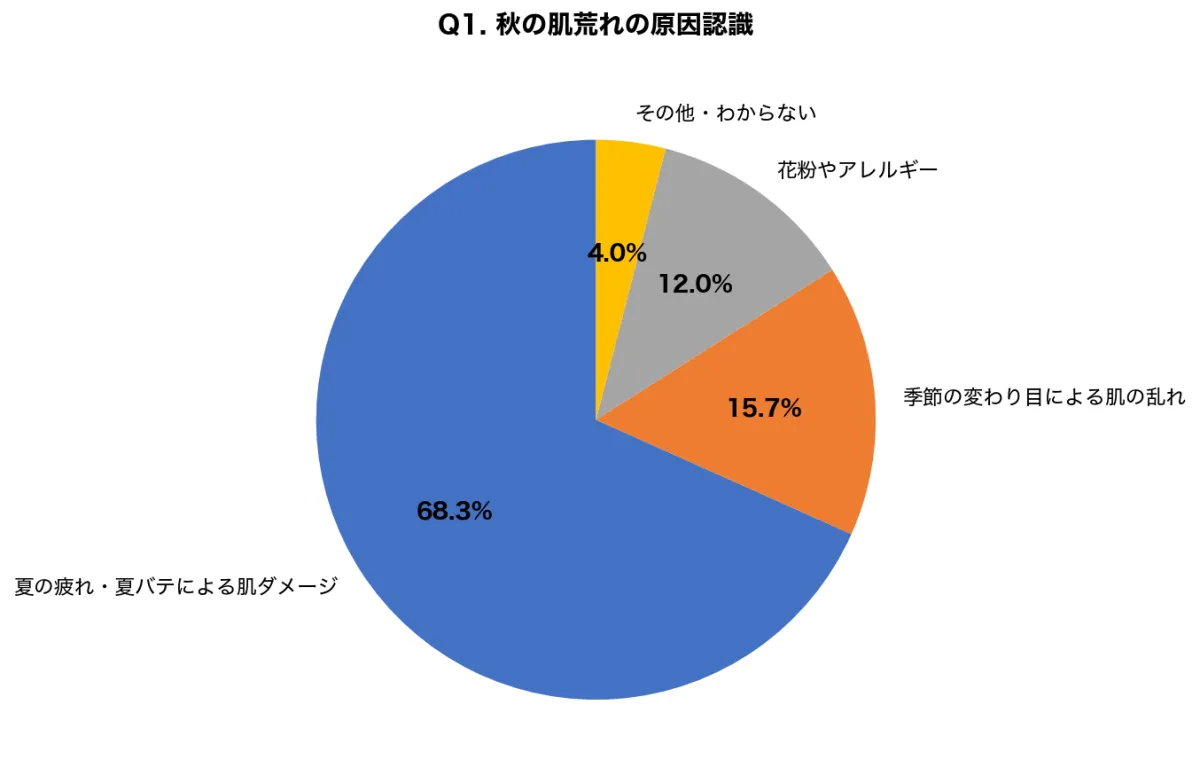
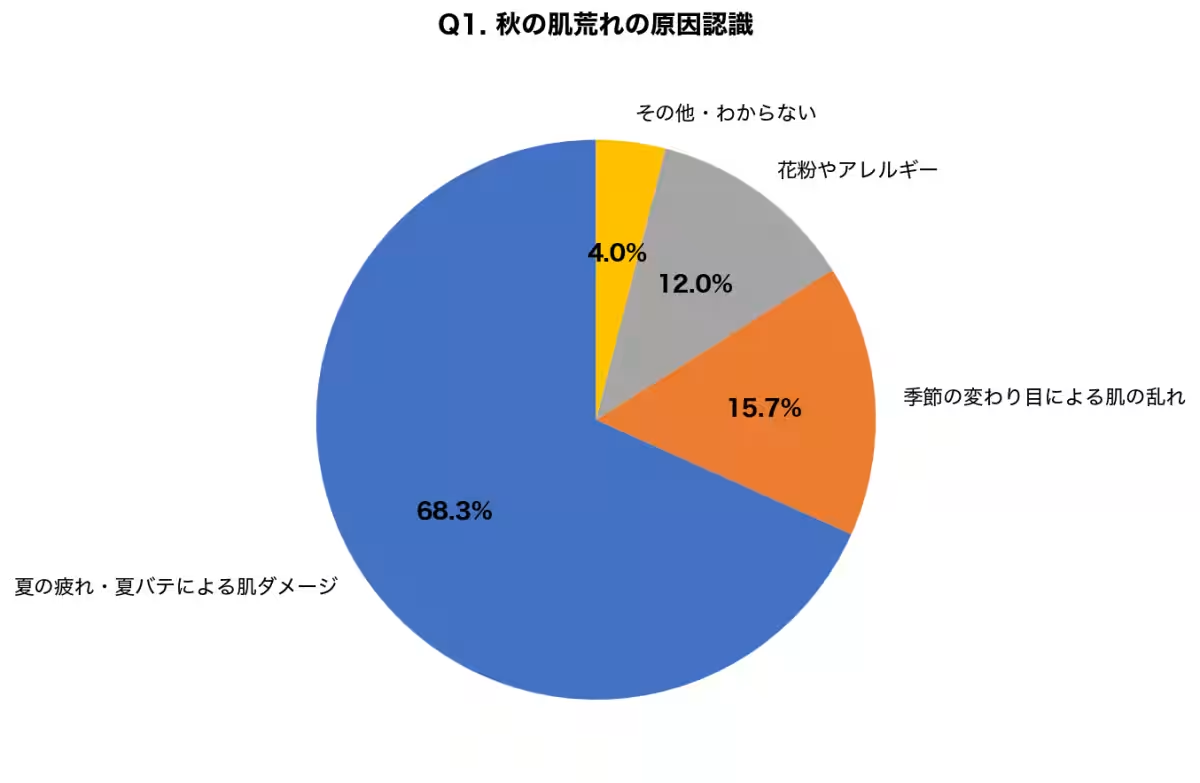
A recent survey highlights a concerning trend: a significant 68.3% of individuals experiencing skin irritation in the autumn months believe their symptoms result from summer fatigue. However, many are unaware that pollen, particularly from ragweed, can cause significant skin issues. This problem, known as pollen-induced dermatitis, arises when pollen comes into contact with the skin, leading to allergic reactions characterized by itching, redness, and dryness on exposed areas like the face and neck.
If symptoms persist for more than two weeks, or if they are accompanied by eye irritation and sneezing, a visit to a dermatologist is recommended for proper evaluation and treatment.
The Misconception of Summer Fatigue
Survey results reveal that many individuals correlate their irritated skin in autumn with fatigue from the summer heat. An overwhelming 84% believed their discomfort stemmed from summer weariness or seasonal change, with only 12.0% considering pollen as a potential cause. This lack of awareness regarding pollen-induced skin conditions could lead to misdiagnosis and ineffective self-treatment.
Recognizing Pollen-Induced Dermatitis
Pollen-induced dermatitis, a type of allergic dermatitis, typically occurs when specific allergens, like pollen, come into contact with skin that has a compromised barrier. Characterized by symptoms such as intense itching and visible rash, the condition often affects exposed areas, particularly during peak pollen seasons in autumn (from late August to October).
Ragweed Pollen: The Autumn Threat
Ragweed pollen, released by plants in the Asteraceae family, significantly contributes to autumn allergies. In Japan, its peak pollen dispersal occurs from late August to October, making it a major cause of autumn pollen allergies. Most people are unaware of this and may not realize the connection between their skin issues and ragweed exposure.
The Need for Awareness
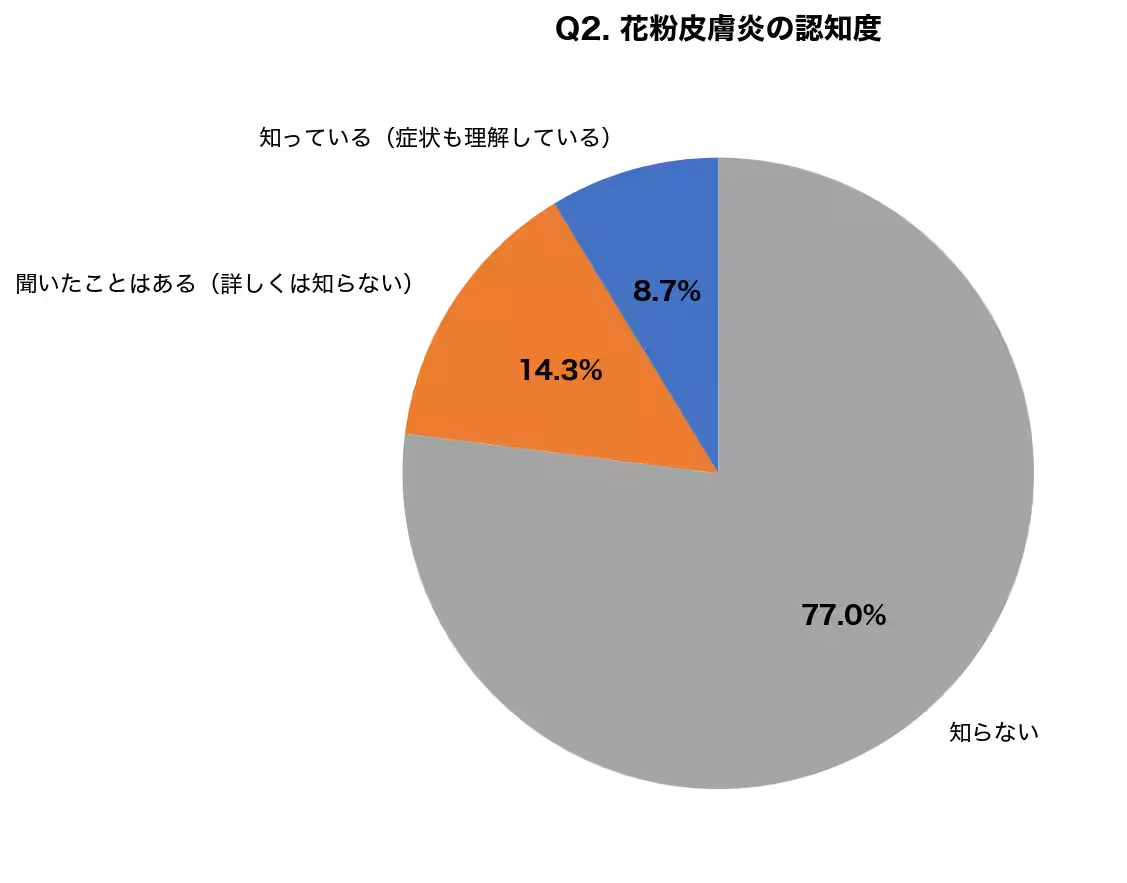
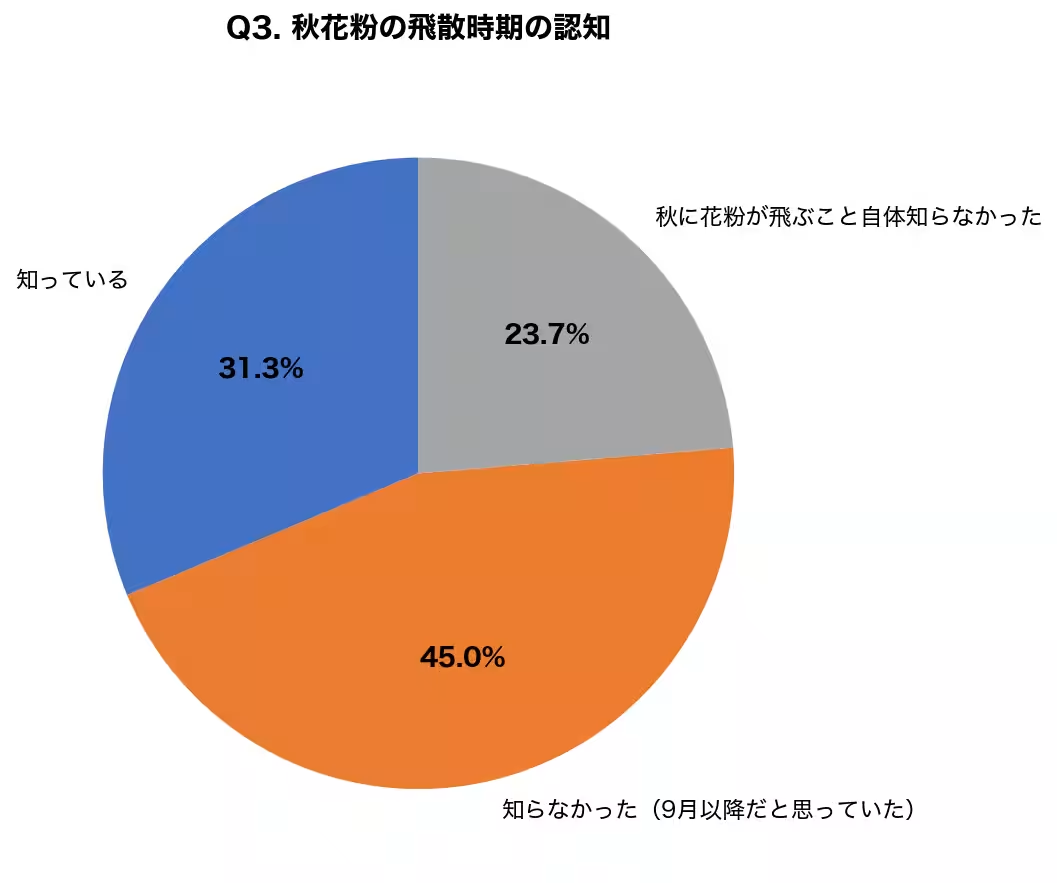
Interestingly, only 23.0% of survey respondents were familiar with the term 'pollen dermatitis'. As a result, many people misattribute their symptoms to other causes. This educational gap highlights the urgent need for raising awareness about pollen-related skin issues, particularly given that nearly 70% of respondents did not know that ragweed pollen starts to be released at the end of August.
Self-Treatment vs. Professional Help
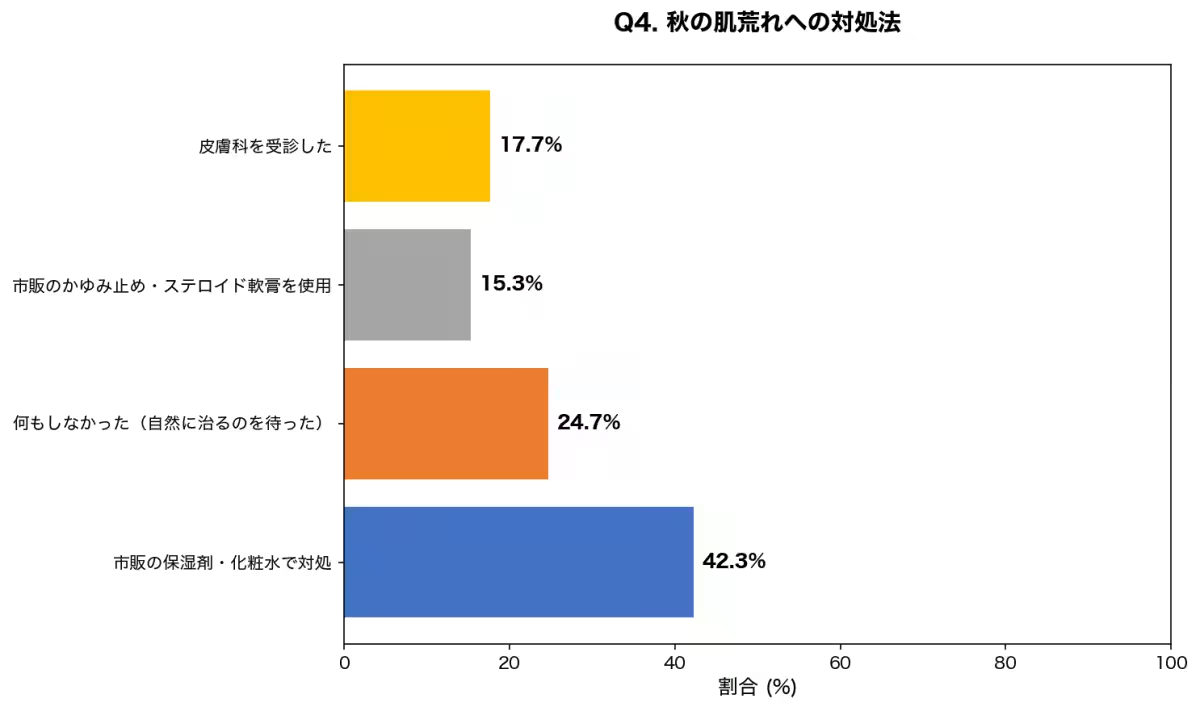
Frighteningly, only 17.7% of those experiencing autumn skin irritation sought professional help at a dermatology clinic. Around 80% relied on over-the-counter products or home remedies, demonstrating a significant self-diagnosis trend that may lead to prolonged discomfort and potential worsening of symptoms.
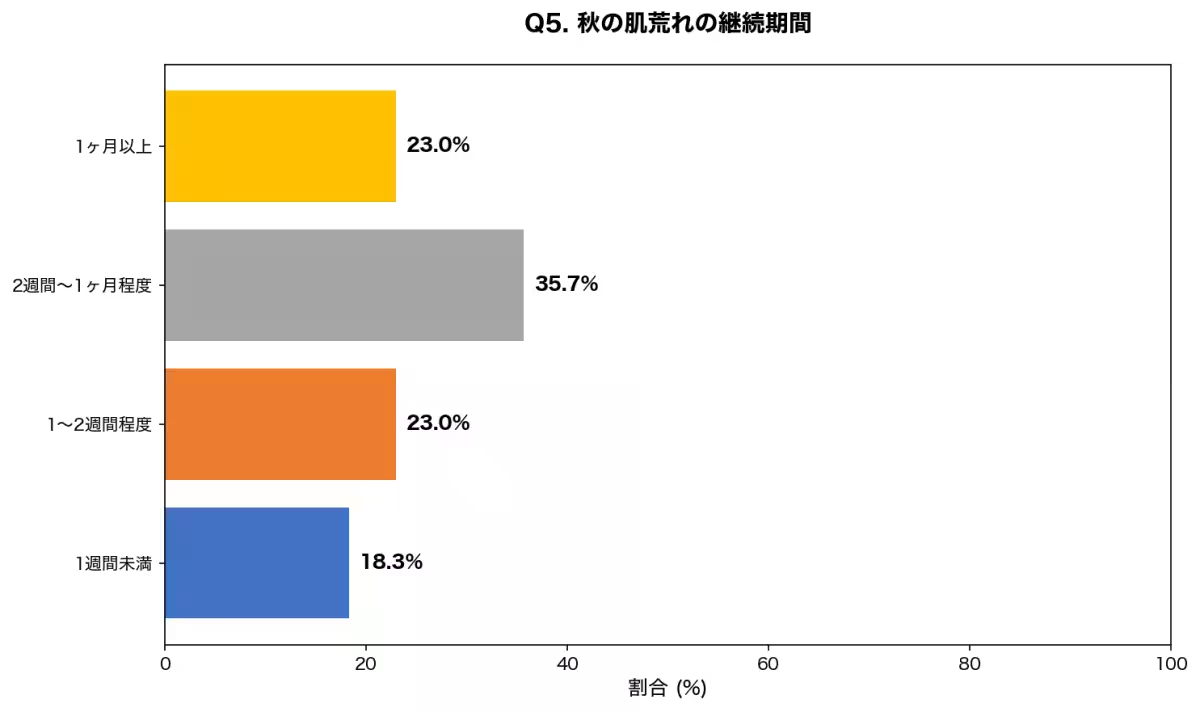
In addressing autumn skin irritation, an alarming 58.7% reported their irritation lasted for over two weeks, a stark indicator that these symptoms may relate to pollen dermatitis rather than mere summer skin fatigue.
Conclusion: The Importance of Expert Diagnosis
The findings from this survey suggest that approximately 70% erroneously attribute their autumn skin issues to 'summer fatigue', with only 12.0% recognizing the potential for pollen-induced dermatological problems. It is evident that public knowledge surrounding this condition is critically low, as is the awareness regarding the timing of pollen release.
Recommendations from Experts
Dr. Kota Takakuwa, a seasoned dermatologist at the IC Clinic, emphasizes the high incidence of pollen-induced dermatitis among patients during the late summer to fall transition. He advises that individuals experiencing prolonged skin irritation should consider the possibility of pollen allergies, which often go overlooked. "Symptoms accentuated post-exposure or characterized by severe localized itching in areas such as the face suggest a strong possibility of a pollen-related reaction," he states.
For effectively managing these skin conditions, Dr. Takakuwa suggests minimizing exposure to pollen through measures such as wearing masks and glasses outdoors, washing thoroughly upon returning home, and maintaining consistent skincare regimens to enhance skin barrier function.
Timely intervention is critical, as untreated pollen dermatitis can lead to chronic discomfort and could necessitate more intensive treatment. Therefore, seeking professional advice promptly upon noticing persistent symptoms can significantly improve outcomes.
In closing, as the autumn season approaches, it is essential for individuals to educate themselves about the potential implications of pollen exposure on skin health, and to take proactive measures to prevent and treat symptoms as they arise.
Topics Health)
【About Using Articles】
You can freely use the title and article content by linking to the page where the article is posted.
※ Images cannot be used.
【About Links】
Links are free to use.