


Exploring Vaccine Support Developments in Vanuatu's Espiritu Santo After Seven Years
Revisiting Espiritu Santo: A Seven-Year Journey
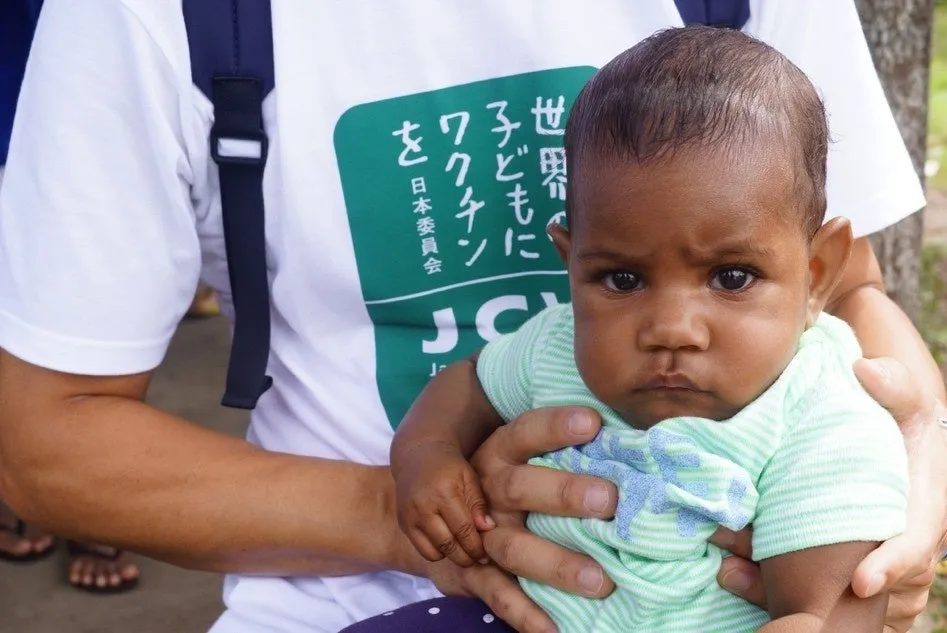
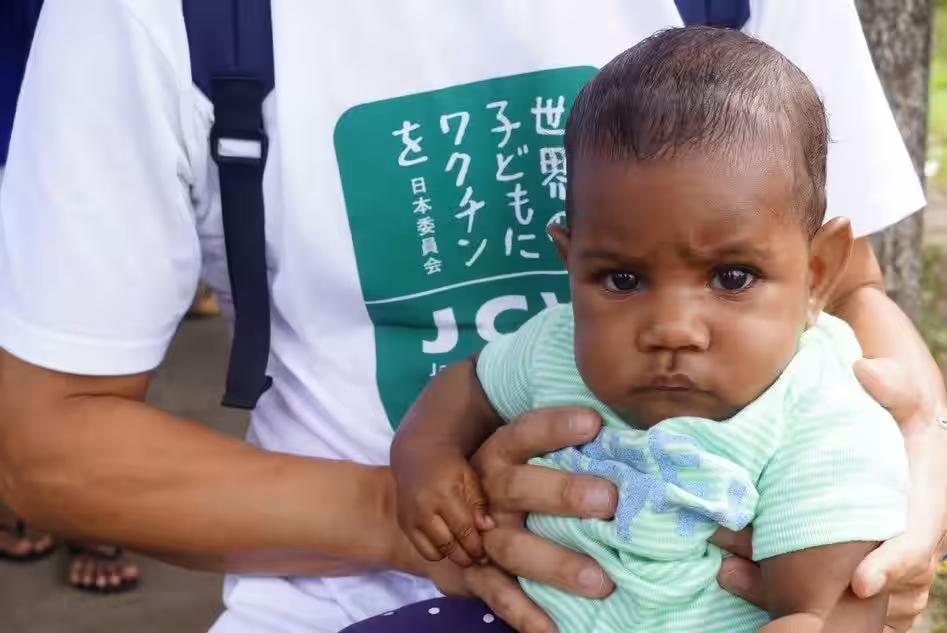
The Non-Profit Organization “Vaccines for the World's Children: Japan Committee” (JCV) has organized a visit from August 22 to August 29 to evaluate the status of vaccine support in Vanuatu, one of the countries they assist. Accompanied by seven supporters, they will inspect various locations including communities and clinics on Efate Island and Espiritu Santo Island. Their exploration includes facilities like mobile vaccination sites, the UNICEF office, the Japan International Cooperation Agency (JICA), and the local embassy. The visit aims to review the changes and ongoing initiatives in child vaccination support that have been in place since 2010.
Overview of the Visit to Vanuatu
- - Dates: Departing August 22 - Returning August 29
- - Participants: Seven representatives from supporting organizations (five companies) and two JCV staff members
- - Destinations: Espiritu Santo Island (health department, community clinics, maternal and child health clinics, etc.) and Efate Island (community schools, UNICEF office, embassy, JICA, etc.)
First Visit to Espiritu Santo Since 2019
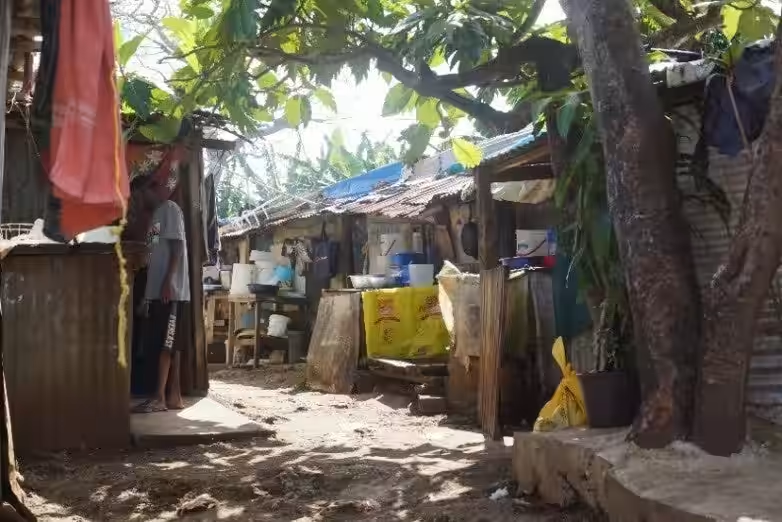
This year marks the first time in seven years that Espiritu Santo Island has been visited due to challenges posed by the global pandemic and the closure of Vanuatu's only domestic airline. While the island is popular as a resort destination, with activities like diving and hiking, much of the population lives a subsistence lifestyle outside the main hub of Luganville.
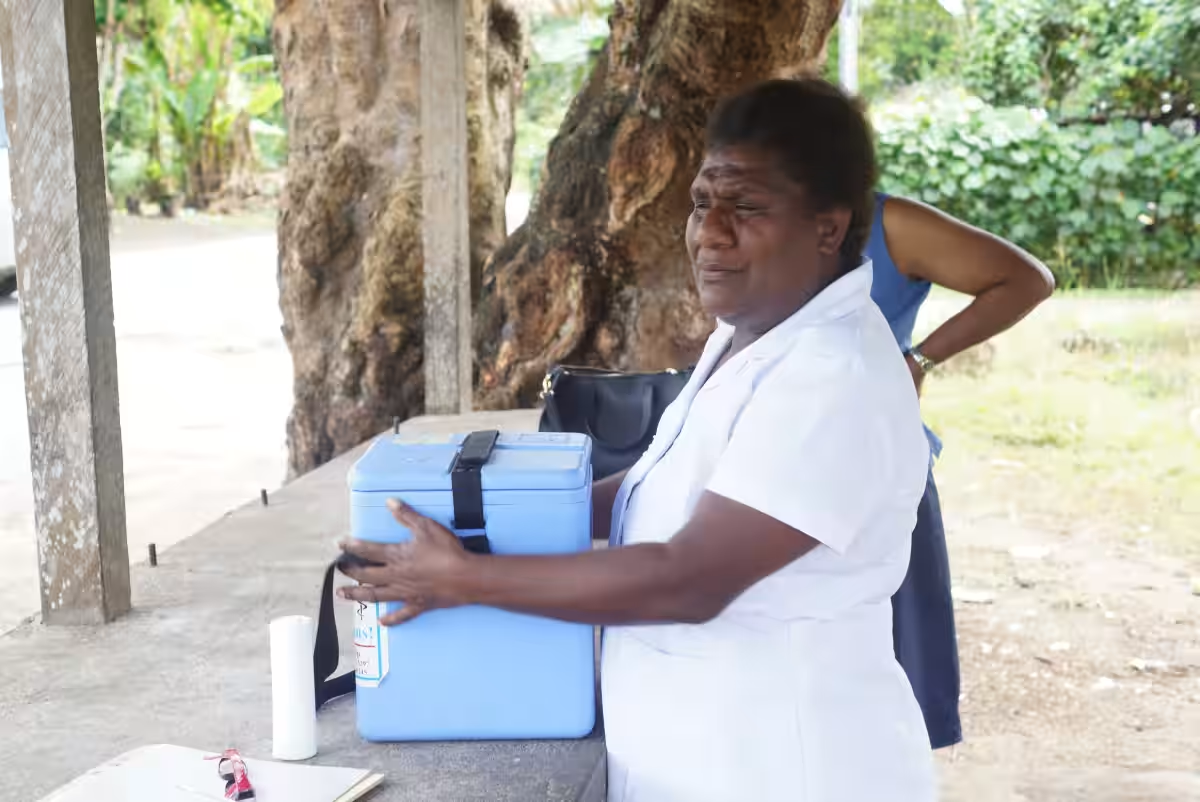
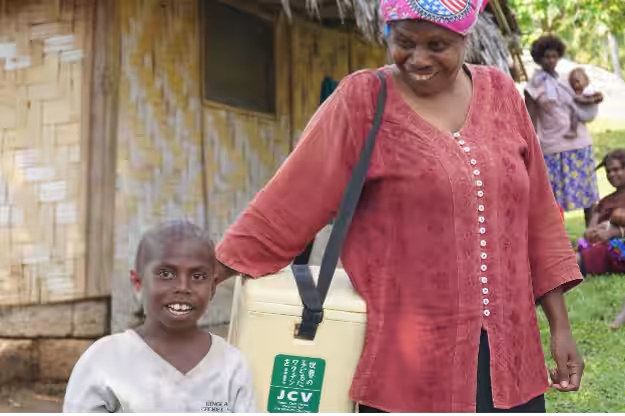
On JCV's last visit seven years ago, many areas on the island lacked mobile phone coverage, leading to crucial information such as childbirth being circulated through rumors. Despite these difficulties, local clinics were pivotal in saving the lives of approximately 2,000 to 3,000 residents by providing essential services, including vaccinations, childbirth support, and treatment for common illnesses. Nurses trekked through dense forest for five hours to reach remote villages to administer vaccines and conduct health checks for children, demonstrating unwavering dedication to safeguarding young lives.
During the upcoming inspection, JCV plans to directly observe the health status of children, the effects of the past seven years of pandemic-related disruptions, and the current state of vaccine support.
Understanding Vanuatu's Child Vaccination Support
Vanuatu is an island nation consisting of 83 islands spread over approximately 1,200 km, located east of the Australian continent. Most inhabitants sustain themselves through subsistence farming, growing crops such as cassava and island cabbage, as well as harvesting indigenous fruits like bananas and mangoes.
Before JCV began its support, Vanuatu faced significant challenges in vaccine delivery due to its geographical spread and the need for cold chain logistics to keep vaccines at appropriate temperatures. Additionally, the underdeveloped transport infrastructure hindered vaccination efforts, leading to low immunization rates and positioning Vanuatu as one of the Pacific countries with the highest child mortality from Hib (bacterial meningitis).
Since starting its initiatives in 2010, JCV has focused on improving vaccination provisions. They have provided support for the pentavalent vaccine against five diseases (diphtheria, pertussis, tetanus, hepatitis B, and Hib) as well as the MMR vaccine (which protects against measles, rubella, and mumps). By reducing the number of doses needed, they have alleviated the burden on nurses and mothers while ensuring that children receive the necessary vaccines. Consequently, vaccination rates have stabilized, though considerable disparities persist among the islands.
The Ongoing Threat of Infectious Diseases in Developing Countries
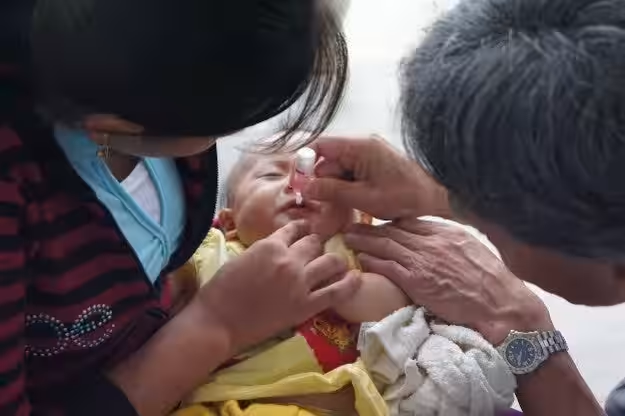
Infectious diseases like polio, measles, and tetanus continue to be everyday threats for children in developing countries, claiming the lives and happiness of numerous children. Approximately 4,000 children die every day from vaccine-preventable diseases, with one child losing their life every 20 seconds due to a lack of vaccination.
JCV has committed itself to this cause by providing vaccines to children in developing countries since its establishment in 1994. With support from UNICEF and health ministries across various nations, JCV has delivered vaccines to about 140 million children. Recently, JCV donated vaccines and related equipment valued at about 117 million yen to children across four countries, including Myanmar, Laos, Bhutan, and Vanuatu.
About JCV
Name: Certified NPO Vaccine for the World's Children: Japan Committee
President: Mutsuko Kenmochi
Founder: Kayoko Hosokawa (wife of former Prime Minister Yoshihiro Hosokawa)
Head Office: 4-1-9 Mita, Minato-ku, Tokyo, Hillside Mita Building 8F
Website: www.jcv-jp.org
Founded: January 29, 1994
Special Supporters: Keiko Takeshita (Vaccine Ambassador, Actress), Takashi Wada (Former Professional Baseball Player), Yu Hayami (Singer, Actress), Kiyomasa Mikuni (Chef, President of Societe Mikuni Co., Ltd.), and others involved in health and media advocacy.
Topics Health)






【About Using Articles】
You can freely use the title and article content by linking to the page where the article is posted.
※ Images cannot be used.
【About Links】
Links are free to use.