



AI Expectations and the Power of Data Integration: Insights from Mercart's Survey
Exploring AI Expectations and Data Integration
Mercart Inc., based in Minato-ku, Tokyo, recently conducted a survey involving 400 senior executives in the e-commerce sector titled "Awareness of Data Integration." This research highlights the divide in attitudes toward AI utilization and reveals significant disparities in management capabilities between companies that have integrated their data and those that have not.
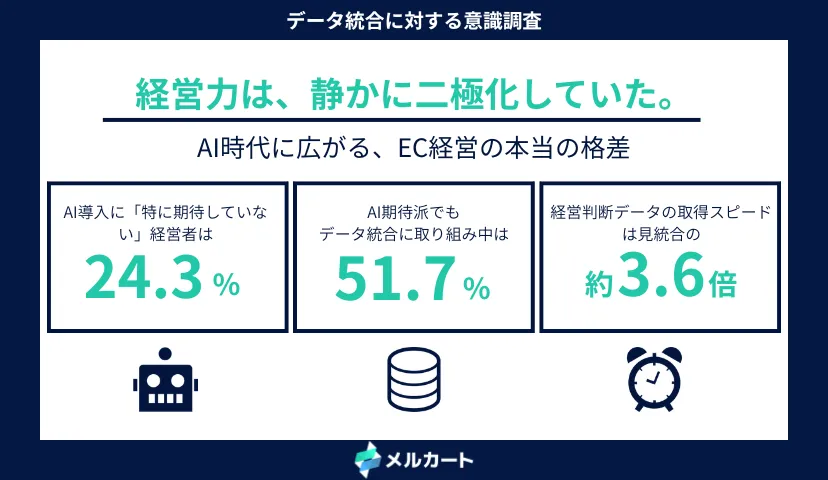
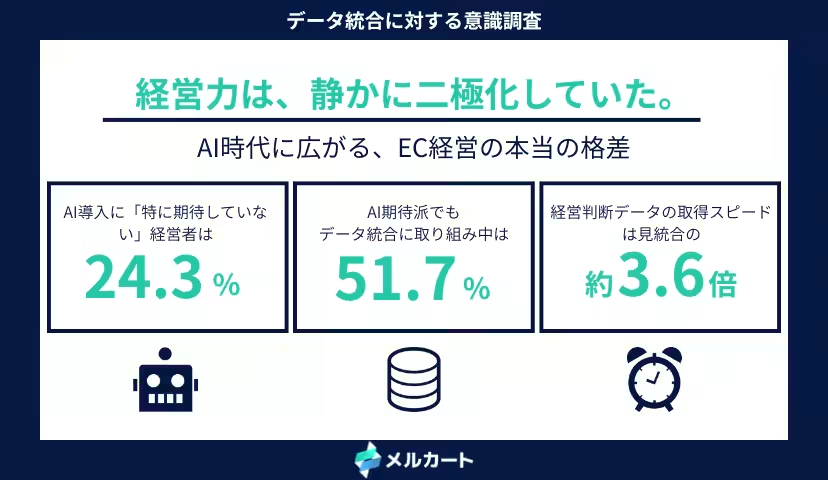
One of the startling findings was that 24.3% of executives expressed no particular expectations regarding AI, while more than half of the respondents fall under the categories of cautious or indifferent towards AI technology (52.3%). This suggests a prevalent skepticism towards the benefits of AI in the current business landscape.
While AI is often touted as the future of business strategy, the survey underlines that the real challenge lies not in the expectation of AI's capabilities but in whether a company has integrated its data effectively. Companies that have undergone data integration can access critical management decision data instantly, showcasing a stark 3.6-fold difference in speed compared to those without integration.
Survey Insights: The Importance of Data Integration
Background of the Study
In light of the increasing discussions surrounding the significance of AI in the business environment, Mercart's initial investigation revealed a notable gap between recognition and actual investment in data integration among e-commerce executives.
Expanding on this, the second phase of the survey delved deeper into the expectations from AI and how these expectations are related to the current state of data integration within companies. It examined how disparities in attitudes towards AI influence decision-making speed in corporate environments.
Results: A Bifurcation of AI Expectations
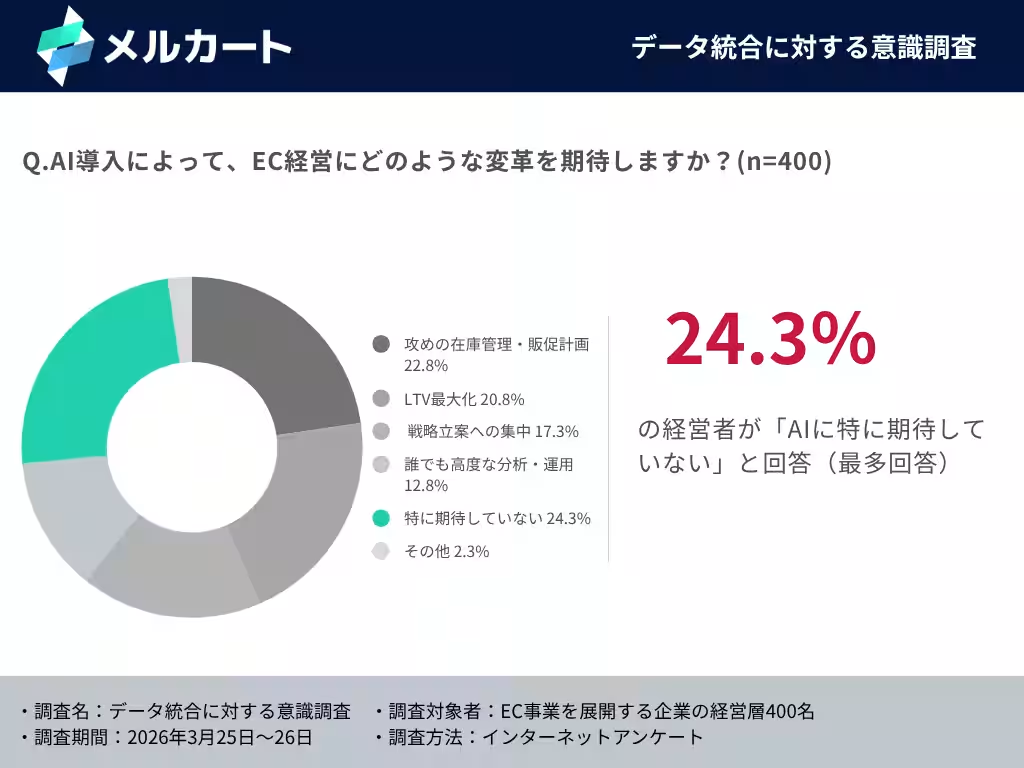
When executives were asked about the transformations they expect from AI implementation in their e-commerce management, the most common response was "no particular expectations" (24.3%). This was followed by specific anticipations such as "aggressive inventory and promotion planning" (22.8%), "maximizing lifetime value" (20.8%), "focus on strategic planning" (17.3%), and "standardizing operations" (12.8%). It became clear that approximately one in four executives is viewing AI through a more skeptical lens.
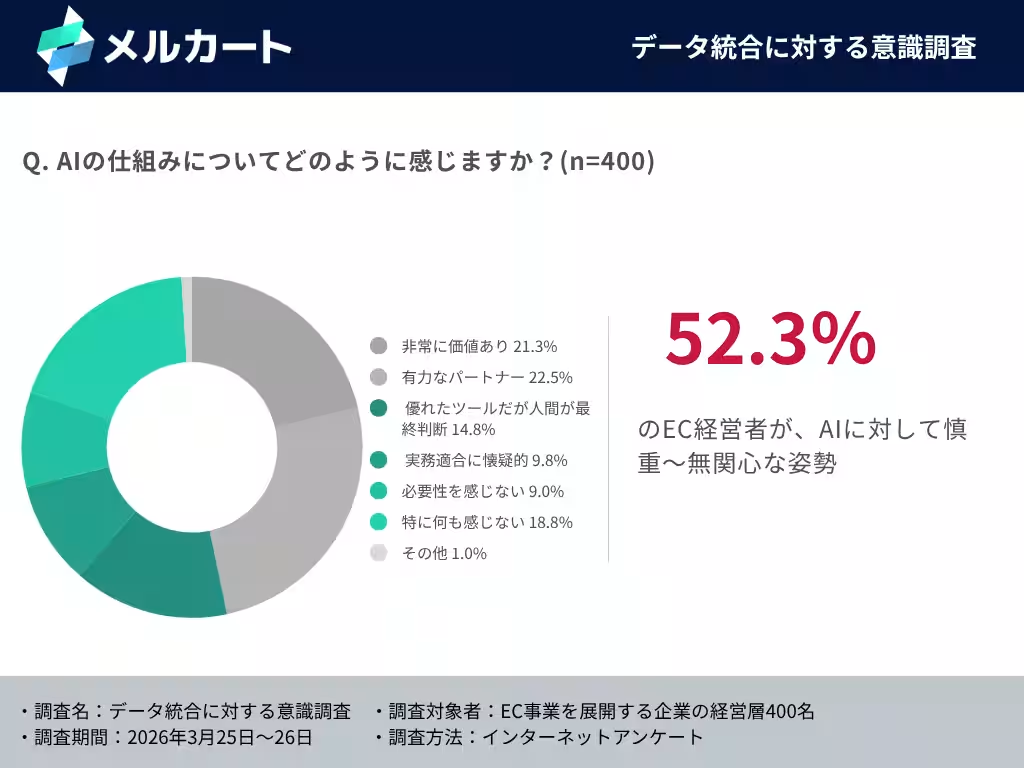
Furthermore, when inquired about their perceptions regarding AI's frameworks, combining responses revealed that cautious or indifferent attitudes towards AI account for over 52.3% of management. This data emphasizes that while AI utilization is being advocated, the majority of executives maintain a calm or skeptical stance.
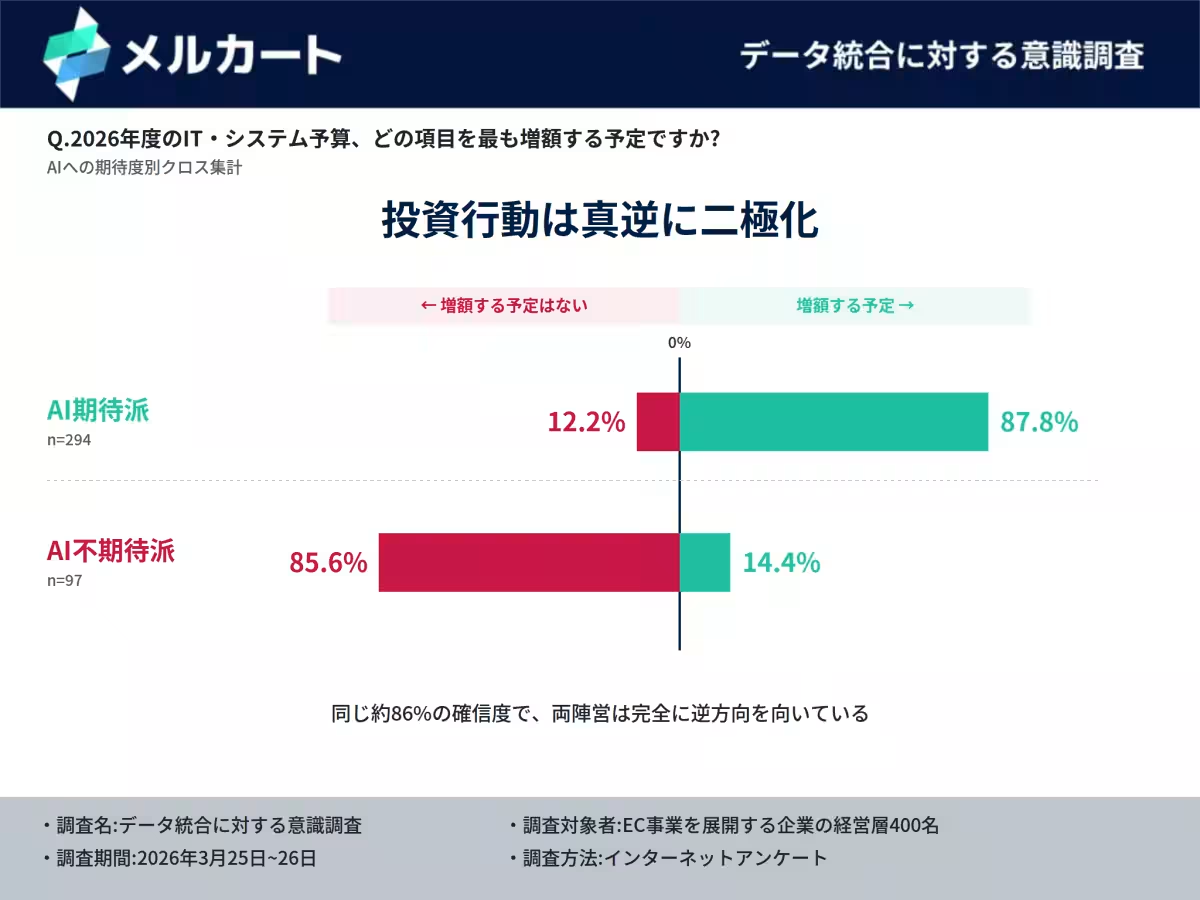
This represented a clear differentiation in actual budgetary behavior as well. Among those who have high expectations for AI (n=294), 87.8% plan to increase their IT and system budgets for the fiscal year 2026. In contrast, 85.6% of those not expecting much from AI (n=97) reported that they do not plan to augment their budgets, demonstrating a clear division in investment trends.
Investigation: A Lack of Data Integration
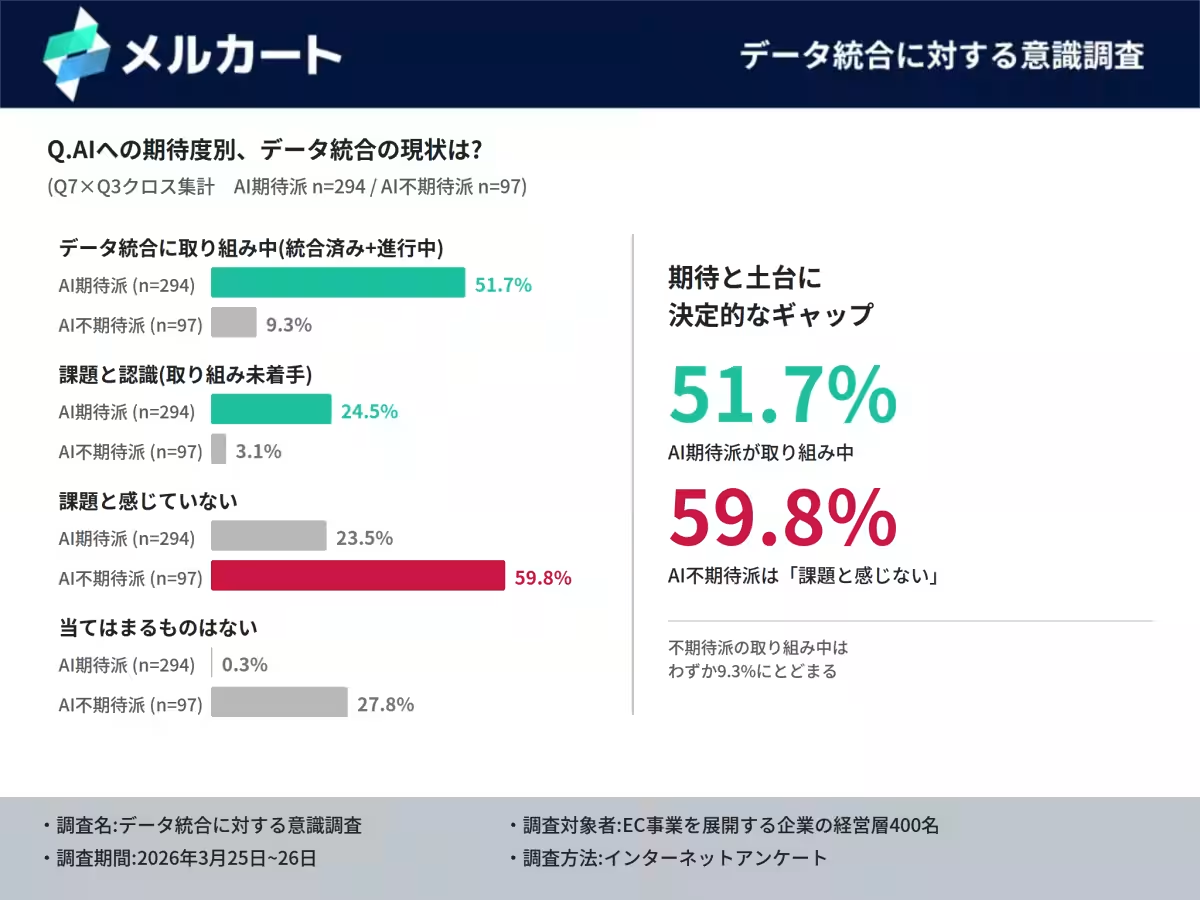
Among executives with high expectations for AI (n=294), only 51.7% reported that their companies are either already using integrated data in real-time or are in progress but facing timeliness gaps. Conversely, only 9.3% of those who do not hold expectations for AI are pursuing data integration, highlighting a five-fold disparity in commitment to integration between the two groups. Notably, 59.8% of the uninitiated segment did not even recognize data integration as a challenge nor as an opportunity for growth.
This correlation between AI expectations and data integration efforts emphasizes two separate issues: merely expecting AI's potential does not always mean that the foundational infrastructure needed to leverage AI is in place. Even enthusiastic supporters of AI are lagging behind in ensuring their data integration foundations are established.
The Crucial Difference: Management Decision Speed
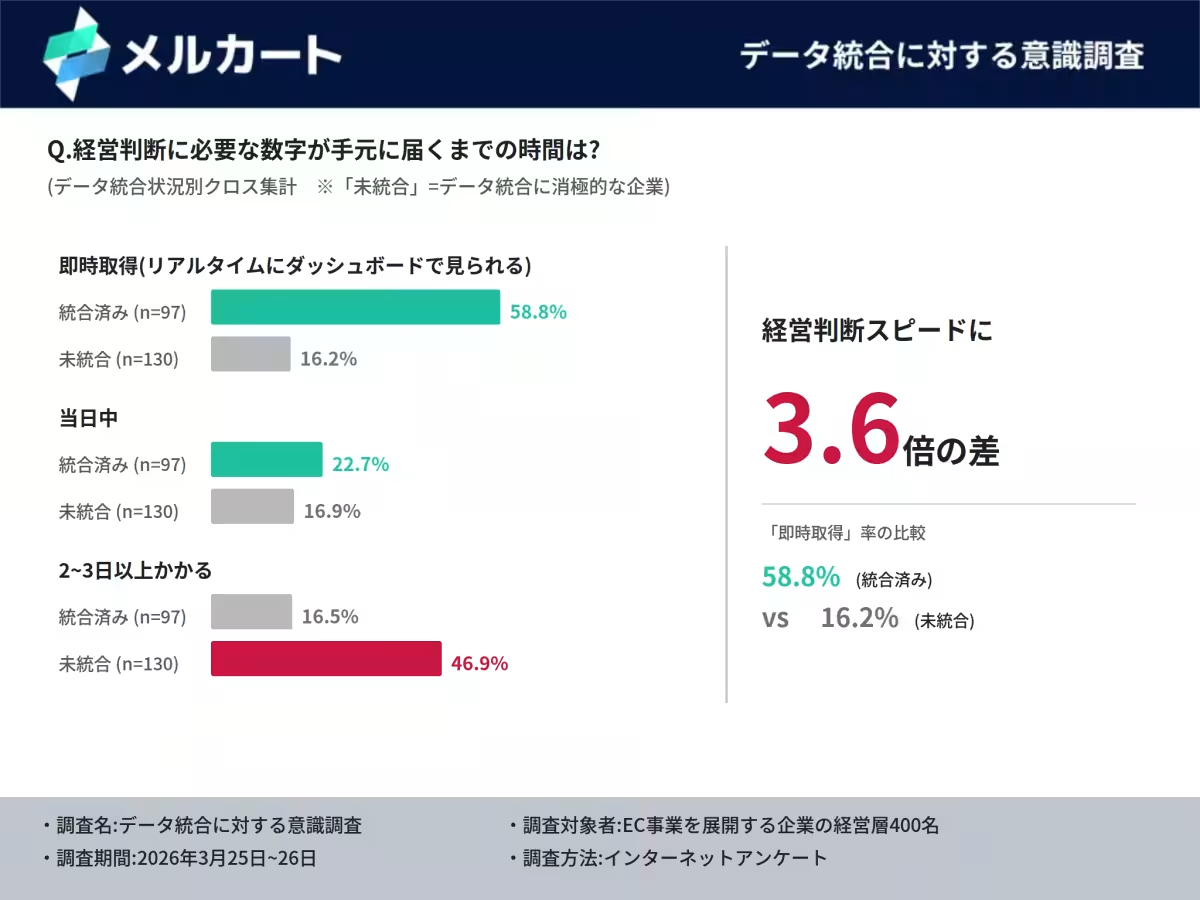
So, how does the presence or absence of data integration truly impact management practices? When evaluating how long it takes for executives to obtain necessary data across multiple sources during meetings, responses differed drastically based on data integration status. Companies with integrated data (n=97) reported that 58.8% could retrieve this information instantaneously. In contrast, companies resistant to integration (n=130, identifying integration as a non-issue) revealed that only 16.2% could — a significant 3.6-fold difference in management responsiveness and speed.
The clear distinctions in retrieval times illustrate that the speed of acquiring the foundational metrics needed for informed decision-making is crucial and not merely reliant on hopeful expectations surrounding AI.
Conclusion: The Foremost Challenge is Data Integration
The survey's insights reveal a concerning trend: even among those who believe in AI's potential, only about half are taking concrete measures to support the necessary data integration practices. The tangible impacts on management decision speed are undoubted and illustrate that the fundamental differentiator is not the expectations surrounding AI but rather the existence of robust data integration strategies.
Expecting AI to transform business performance is one thing; realizing that goal requires immediate access to coherent, integrated data that can be leveraged effectively. As the trend of emphasizing AI continues to rise, there is warning that companies are quietly but surely experiencing disparities in their business capabilities, emphasizing the pressing need for strategic prioritization of data integration.
Mercart remains committed to providing our clients with one-stop solutions for data integration and effective AI utilization in e-commerce, ultimately aiming to be the "brain of management" for businesses.
Topics Consumer Products & Retail)




【About Using Articles】
You can freely use the title and article content by linking to the page where the article is posted.
※ Images cannot be used.
【About Links】
Links are free to use.