



Shifting Gears: Major Auto Makers Rethink EV Strategies for Sustainability
Shifting Gears: Rethinking EV Strategies for Sustainability
On May 27, 2025, the Touson Automotive Strategy Institute will hold a pivotal seminar led by automotive and environmental technology strategist, Toshio Fujimura. The session aims to address the urgent and pressing need for automotive manufacturers to reconsider their approaches to reducing CO2 emissions. This comes at a critical juncture when the focus is shifting from an unwavering pursuit of electric vehicles (EVs) towards a more balanced strategy that encompasses the expansion of hybrid vehicles (HEVs/PHEVs) and the introduction of drop-in fuels for existing vehicles.
Seminar Details
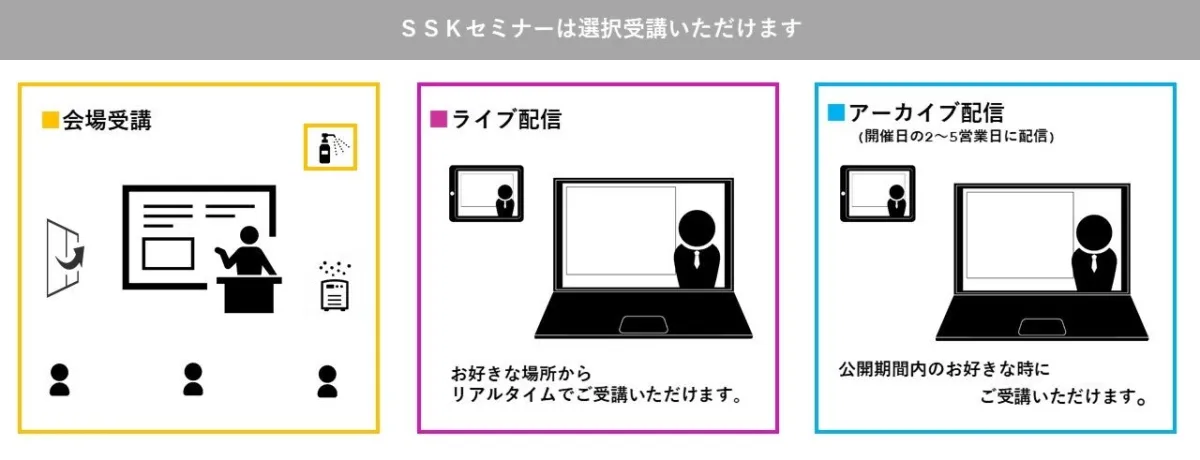
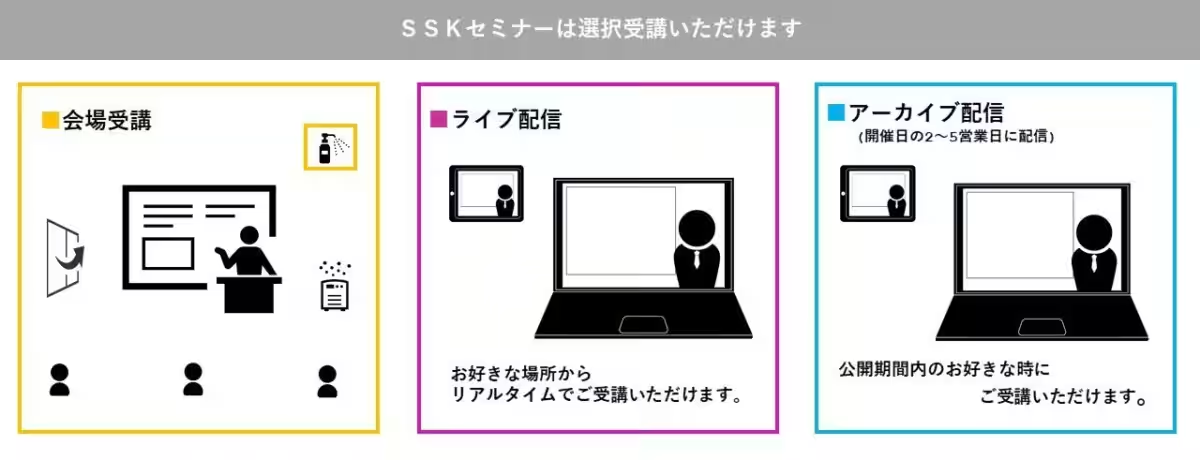
The seminar is scheduled for the afternoon from 1:00 PM to 4:30 PM at the Kioi Forum in Chiyoda, Tokyo. Attendees can choose to participate either in-person or via a live-streaming format using Zoom. An archived version of the seminar will also be available for two weeks, allowing participants to watch the session at their convenience.
Who Should Attend?
This event targets a diverse audience, including:
- - Executives and board members of automotive-related companies.
- - Professionals involved in developing technology and management strategies within the automotive sector.
- - Young engineers interested in CO2 reduction initiatives for vehicles.
- - Individuals aware of and concerned about the climate crisis.
Key Insights from the Seminar
Participants can expect to gain valuable knowledge such as:
- - The immediate necessity to reduce CO2 emissions in light of the global climate crisis, which significantly impacts both the automotive and energy sectors.
- - An understanding of the revised CO2 standards critical for meeting targets set by the Paris Agreement and the United Nations Climate Action Summit.
- - The role of existing vehicles in CO2 reduction through the adoption of carbon-neutral drop-in fuels.
- - Insights into how HEVs/PHEVs may emerge as more pragmatic solutions compared to fully electric vehicles under current technological and market circumstances.
- - A roadmap for achieving CO2 reduction goals based on backcasting methodologies, highlighting ideal scenarios for effective implementation.
The Urgency of CO2 Reduction
The climate crisis is becoming more severe, with unprecedented natural disasters manifesting across the globe. In September 2019, during the United Nations Climate Action Summit, countries collectively acknowledged the need to limit global temperature rise to below 1.5°C, revising earlier targets of 2°C. Despite commitments from many nations, leading emitters like China and India have yet to revise their strategies, leading to increased urgency for CO2 reduction.
In 2024, average global temperatures saw an alarming rise of 1.6°C since the industrial revolution, underscoring the dire need for all sectors, including automotive, to undergo transformative changes aimed at both environmental improvement and economic growth. The automotive industry alone is responsible for 18% of global emissions, yet many policymakers fixate solely on the EV shift, failing to consider broader strategies that encompass existing vehicles.
The Shift from EVs to Hybrid Solutions
Since around 2016, the automotive industry has rallied behind an EV-centric narrative amidst a backdrop of regulatory changes and market pressures, such as incentives for EVs in China and the fallout from the Volkswagen emissions scandal. However, it is becoming increasingly evident that relying solely on EVs—while ignoring critical infrastructure and consumer burden such as costs and range—is a flawed approach. This shift in perception is crucial as more stakeholders understand the limitations of EVs in fulfilling global CO2 reduction targets.
Achieving a 48% reduction in CO2 by 2030 poses challenges that exceed even the ambitious goals of making the automotive sector carbon-neutral by 2050. Without an inclusive strategy targeting all vehicles—particularly existing ones that dramatically outnumber new sales—the task is daunting.
Key Strategies Moving Forward
For tangible progress towards the 2030 target, three strategic approaches must be adopted:
1. Legislating stringent CO2 standards to ensure substantial reductions in new vehicle emissions.
2. Introducing carbon-neutral fuels that can be utilized in existing cars, thus facilitating broader reductions across the vehicle fleet.
3. Implementing an all-encompassing strategy for electric vehicles, ensuring they are deployed in the right circumstances, at the right times, and in line with consumer preferences.
The seminar will rigorously examine the precarious nature of the current EV shift narrative and propose informed, data-driven solutions to achieve the critical CO2 reduction goals.
Conclusion
The urgent need for CO2 reduction is evident given the escalating climate crisis. As various countries navigate their electric vehicle strategies, critical discussions such as those presented in this seminar will help facilitate a more realistic and effective approach to achieving climate goals and ensuring the automotive industry's sustainable future.
Topics Other)
【About Using Articles】
You can freely use the title and article content by linking to the page where the article is posted.
※ Images cannot be used.
【About Links】
Links are free to use.