



Why Do Bosses Want to Celebrate Cherry Blossom Viewing? A Fascinating Look at Historical Ties Between Work and Drinking
The Intriguing Connection Between Work and Drinking in Japan
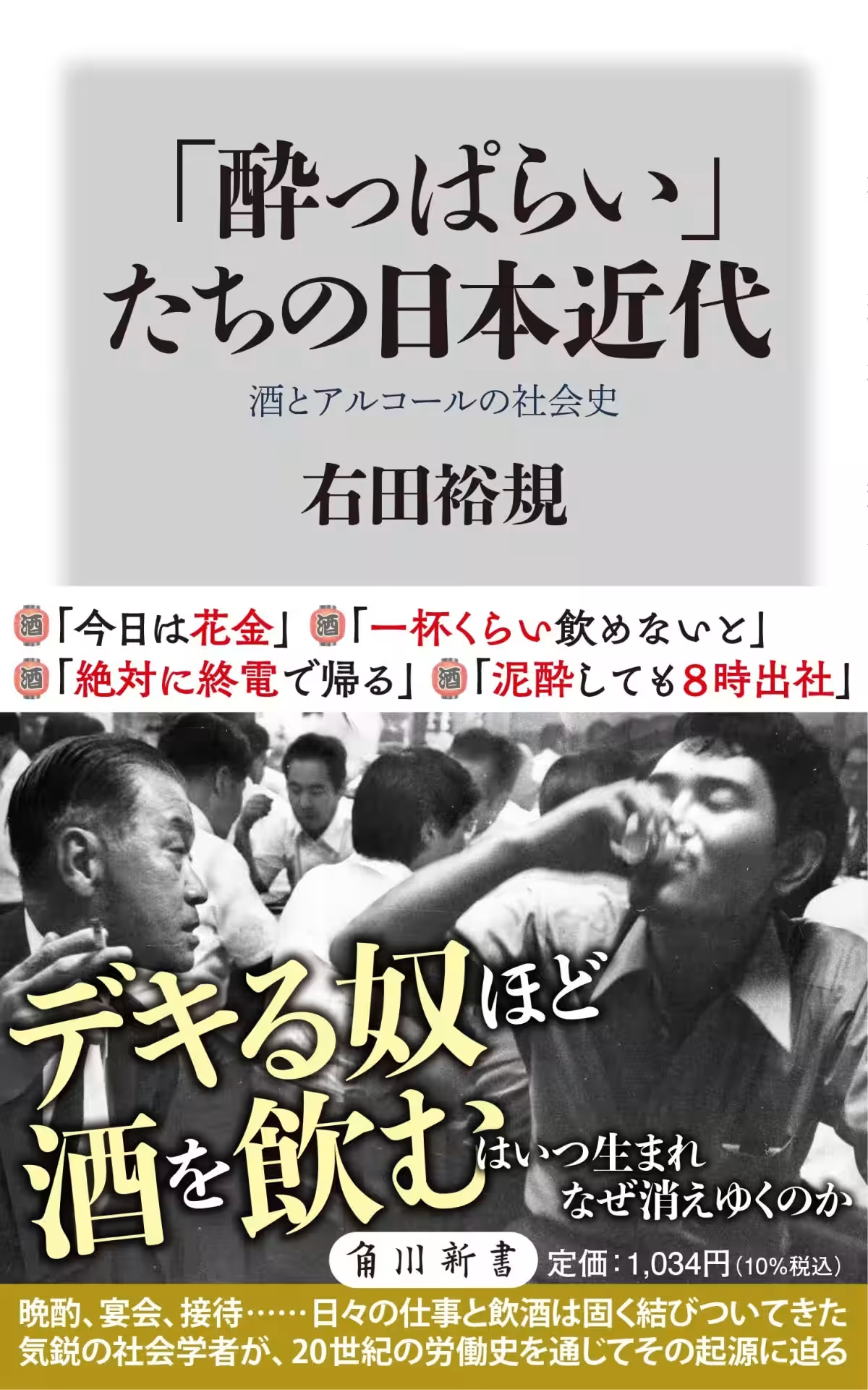
In a society where cherry blossom viewing parties held by bosses are a staple, it raises a question: Why are these gatherings so common? Recent discussions on this topic have sparked interest in the historical relationships between work and drinking in Japan, as highlighted in Hiroki Migita's new book, "The 'Drunkards' of Modern Japan," published by Kadokawa Company.
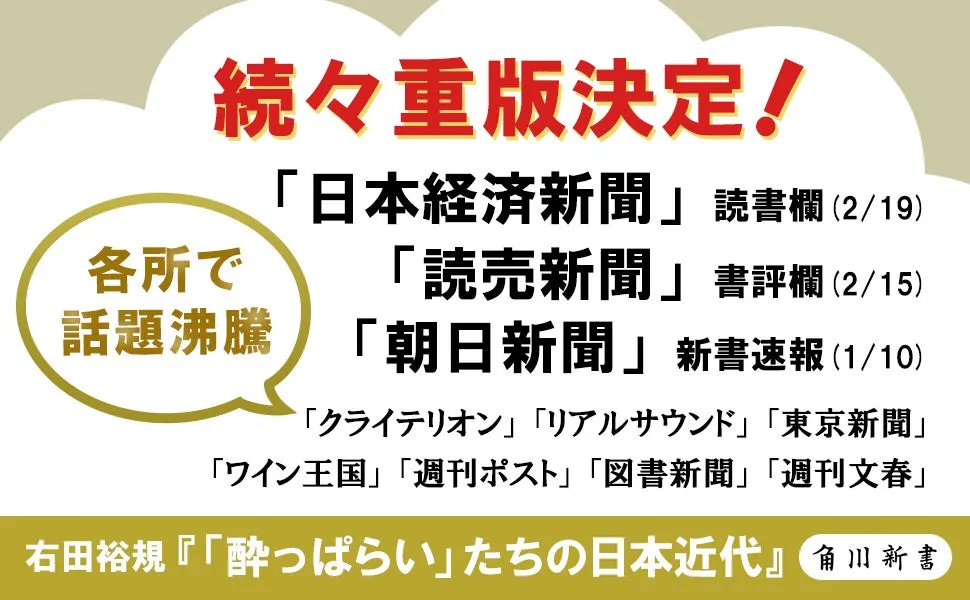
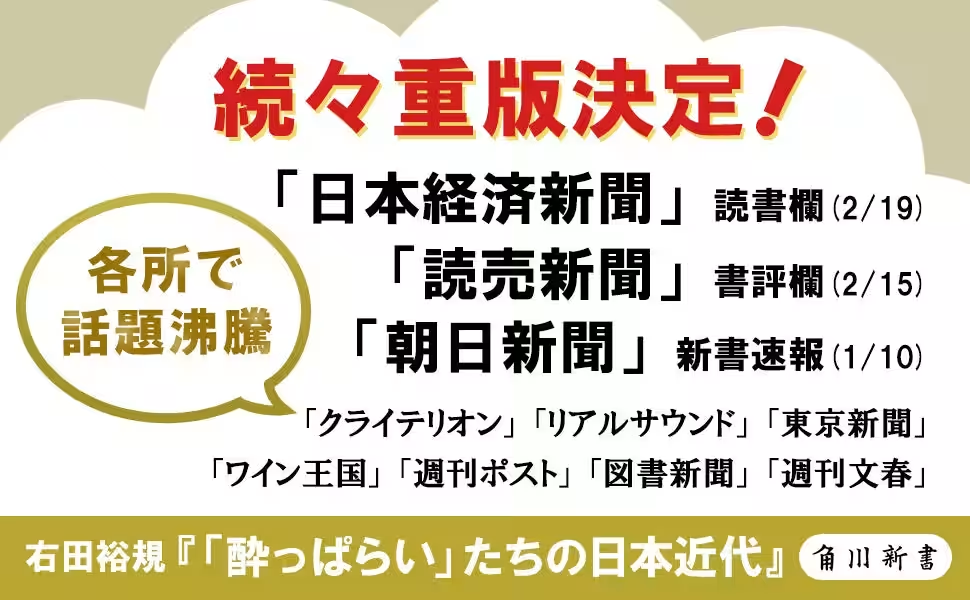
Migita's work is rapidly gaining traction, with continued reprints due to its compelling analysis of how drinking has impacted Japanese work culture. The book challenges the reader to explore the origins of drinking values that influence contemporary behaviors such as, 'It's Friday, let's drink!' or 'I can't go home before the last train.' By tracing the historical connections between 'work' and 'drinking,' Migita sheds light on the awkward dynamics we observe in modern office environments.
The Historical Roots of Drinking Culture
The origins of drinking among workers are not ancient; in fact, during early modern times, day drinking was quite common. Festivities often included excessive drinking as part of social etiquette, a practice that was accepted to the extent that public drunkenness was even tolerated. In stark contrast, post-Meiji Japan saw a shift where drinking was primarily relegated to the evening hours, as people began to pretend as if they were sober, returning home on the last train. This raises an intriguing question: Why do urban workers develop strict drinking regulations while also frequently indulging in it?
A Dive Into Migita's Insights
Migita digs deeper into the nuances of this phenomenon throughout the chapters of his book, detailing how the social drinking practices have evolved, and what this means for our understanding of modern workplaces.
Chapter 1: Drinking Until You Drop — Early Modern Drinking Styles
This chapter reviews the cultural acceptance of continuous drinking during festivities, outlining how social expectations once relaxed the boundaries of acceptable behavior while consuming alcohol.
Chapter 2: Drinking After Work, Racing to Home — The End of Daytime Drinking Practices
Exploring the societal shift from casual day drinking to strictly evening socials, this chapter addresses the pressures that shaped these contemporary norms.
Chapter 3: Blurred Lines Between Work and Drinking — Labor at Drinking Parties
As work and drinking become increasingly intertwined, this chapter investigates how social drinking transforms into an accepted element of labor and teamwork in work contexts.
Chapter 4: Drink and Refuel — Gasoline and Alcohol
In a metaphorical comparison, this chapter discusses how both gasoline for vehicles and alcohol for people serve as “fuel” to invigorate interpersonal relationships and collaborative effort within work settings.
Chapter 5: From Rice to Barley — A New Drinking Culture
Migita concludes by tracing the change in drinking preferences from traditional rice-based sake towards barley-based drinks, addressing how these shifts reflect broader social changes.
The book has garnered extensive attention across various media platforms including major newspapers and podcasts, solidifying its status as a must-read in contemporary social discourse.
In summary, Hiroki Migita's "The 'Drunkards' of Modern Japan" presents a comprehensive historical narrative that captivates readers by unveiling the intricate connection between drinking and working in Japan's unique culture.
For purchase, the book is available on Amazon and is priced at 1,034 yen.
Author Profile
Hiroki Migita was born in 1973 in Shimane Prefecture. He is a respected sociologist specializing in the societal experiences and perceptions of time in modern Japan. He has held positions as a lecturer at Yamaguchi University and currently serves as an associate professor. Other notable works include joint publications on nighttime culture and social history, showcasing his expertise and continued contributions to understanding contemporary Japanese society.
Topics People & Culture)








【About Using Articles】
You can freely use the title and article content by linking to the page where the article is posted.
※ Images cannot be used.
【About Links】
Links are free to use.