



Rikkyo University Students Experience the Arakawa River Waste Problem
Rikkyo University's Hands-on Approach to Environmental Issues
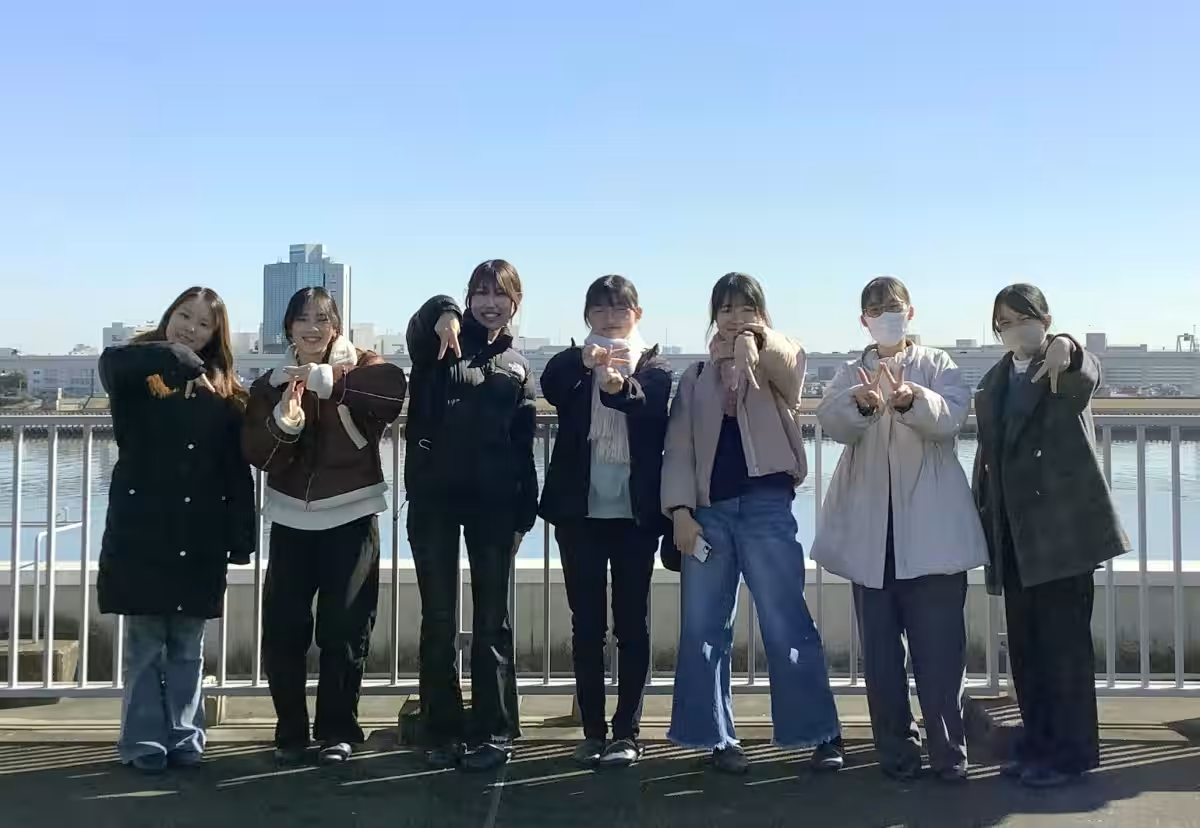
Rikkyo University, known for its innovative educational approaches, has launched a program called Service Learning - Glocal A. This initiative immerses students in real-world social problems, allowing them to interact with their surroundings in meaningful ways. One of its critical components focuses on the extensive waste issue in the urban Arakawa River, combining academic lectures, field observations, and hands-on cleaning activities.
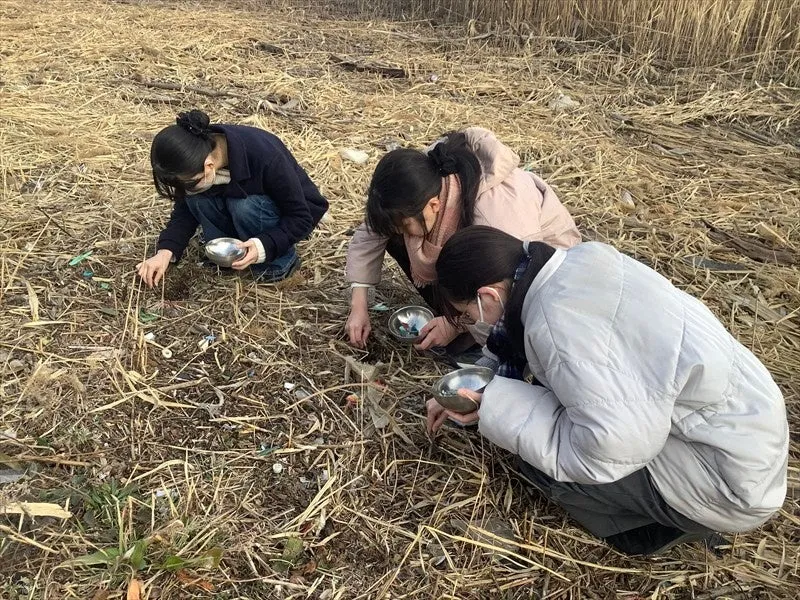
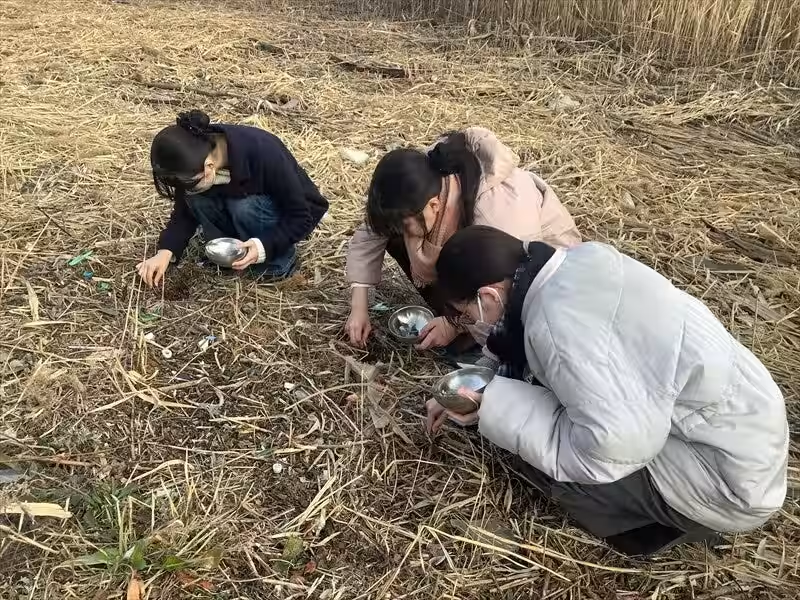
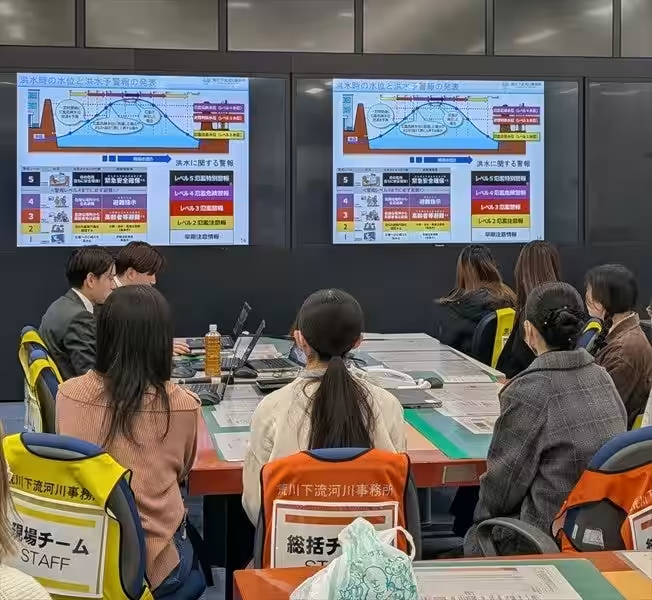
From February 4 to February 8, students will participate in a series of fieldwork activities aimed at understanding and addressing the waste problems affecting the Arakawa River. The program will involve observing the significant presence of microplastics along the river, engaging with professionals from the Arakawa River Bureau of the Ministry of Land, Infrastructure, Transport and Tourism, and attending lectures aimed at fostering sustainability.
Program Activities
The schedule for the week includes:
- - February 4: Introduction to social issues through video communication, focusing on sustainability in the distribution industry.
- - February 5: Training on safety management for the Arakawa cleaning event, and discussions on business solutions to social problems.
- - February 6: Lectures at the Arakawa Water Resources Center about river management.
- - February 7: Hosting the Arakawa cleaning event, engaging the community in cleanup efforts.
- - February 8: Reflection on activities and capturing materials for publicity.
The cleaning event aims to gather community participants, striving to raise awareness about the importance of river health and environmental sustainability. Currently, about 30 participants have already signed up, demonstrating strong community interest.
Understanding the Problem of Waste
The concept of river and ocean waste can be misleading, as it seems to suggest that the waterways themselves are responsible for the garbage. In reality, the majority of waste originates from urban areas and flows into rivers and ultimately the ocean. This program seeks to uncover where this waste is generated and the implications it has on natural ecosystems, shedding light on the complex nature of waste problems.
Through direct involvement, students will witness the impacts of waste firsthand and reflect on their experiences. This engagement aims to shift perceptions regarding social issues, encouraging students to act on what they've learned and inspire others to join in the cause of waste reduction. Academic learning at university often emphasizes the importance of grappling with ambiguous issues. By experiencing social problems in real-life contexts, students can connect abstract theories to practical applications.
The Arakawa Clean Aid Forum
The Arakawa Clean Aid Forum, a nonprofit organization established in 1994, has pioneered collaborative efforts to address waste along the Arakawa, promoting environmental restoration and community engagement. Over the past 31 years, the initiative has attracted over 270,000 participants, sparking increased awareness and interest in river health and sustainability among the public. Recognized for its efforts, the Forum has received prestigious awards, including the 2019 Marine Waste Zero Award and the 2025 Japan Water Prize for Citizen Activities.
Conclusion
The educational journey that Rikkyo students embark on through this program exemplifies a powerful model of learning. It not only equips students with knowledge about pressing environmental issues but also instills a sense of responsibility and agency. As they engage with the community and tackle challenges related to river waste, students will emerge with new insights and possibly, a lifelong commitment to environmental advocacy. This initiative showcases how academic institutions can play a vital role in promoting active citizenship and sustainability in society.
Topics People & Culture)

【About Using Articles】
You can freely use the title and article content by linking to the page where the article is posted.
※ Images cannot be used.
【About Links】
Links are free to use.