


Innovative Tool 'Elvas' Transforms Transportation for Wheelchair Users
Transforming Accessibility: The Launch of 'Elvas'
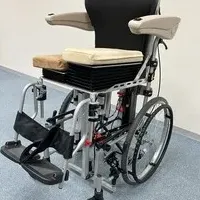
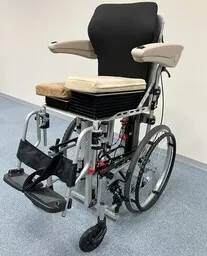
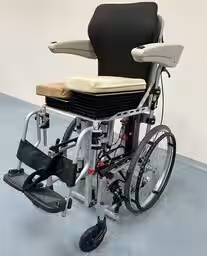
In a groundbreaking collaboration between the Tokyo Metropolitan Industrial Technology Research Institute and Weiss, a new assistive device named 'Elvas' has been developed to ease the transition for wheelchair users entering vehicles. Traditional methods of lifting users into cars pose significant physical strain on caregivers and increase the risk of accidents during transfers. 'Elvas' offers an innovative solution that could reshape the way mobility aids operate in practical settings.
The Core Technology
Understanding the challenges faced by both caregivers and wheelchair users, 'Elvas' has been designed to address key issues, eliminating the need for lifting. The centerpiece of this innovation is a seat that can be elevated up to approximately 600 mm, effectively bridging the gap between a wheelchair and a car seat. By utilizing an accompanying transfer board, users can smoothly slide between the two surfaces, significantly reducing the potential for injury and improving overall safety.
Features of 'Elvas':
- - Lift-free Transfers: Allows caregivers to assist without the need for lifting the user.
- - Elevation Mechanism: The adjustable seat height resolves the difference in level between the wheelchair and vehicle seat.
- - Retrofitting Capability: The device can be attached to existing wheelchairs, enhancing accessibility without necessitating complete equipment replacement.
Benefits of Implementation
The implications of 'Elvas' extend beyond mere convenience; they aim to improve the quality of life for wheelchair users. Key anticipated outcomes from its use include:
- - Physical Relief for Caregivers: Significantly reduces strain and stress on caregivers, enabling them to assist users with ease.
- - Mental Ease for Users: Diminishes the cognitive load that comes with transitioning in and out of vehicles, promoting a sense of independence.
- - Efficiency in Transfers: The swapping process, which traditionally could take anywhere from 10 to 20 minutes, is now streamlined to just 3 to 5 minutes, allowing for quicker outings.
- - Versatile Applications: Designed for use in various settings, including public facilities, welfare organizations, and medical institutions, promoting broader social inclusion.
The Role of Tokyo Metropolitan Institute
The Tokyo Metropolitan Industrial Technology Research Institute has been instrumental in this development. Their contributions include the design of stabilizing backrest and seat cushions, ensuring comfort and understanding of how users interact with the device during transfers. Rigorous load testing confirms the structural integrity and safety of the 'Elvas'.
Looking Ahead
'Elvas' is set to make its official debut at the upcoming Tokyo Care Week in December 2026, taking place from the 16th to the 18th at Tokyo Big Sight. This event will not only showcase the device but also serve as a platform for gathering feedback from industry professionals and users alike.
Moreover, 'Elvas' is the result of a public-funded joint research initiative by the Tokyo Metropolitan Institute aimed at responding to the urgent needs within the caregiving environment, ensuring that technological advancements align closely with actual caregiver and user demands.
With innovations like 'Elvas', the future of transportation for wheelchair users looks promising, marked by enhanced safety, efficiency, and independence.
Topics Consumer Products & Retail)


【About Using Articles】
You can freely use the title and article content by linking to the page where the article is posted.
※ Images cannot be used.
【About Links】
Links are free to use.