



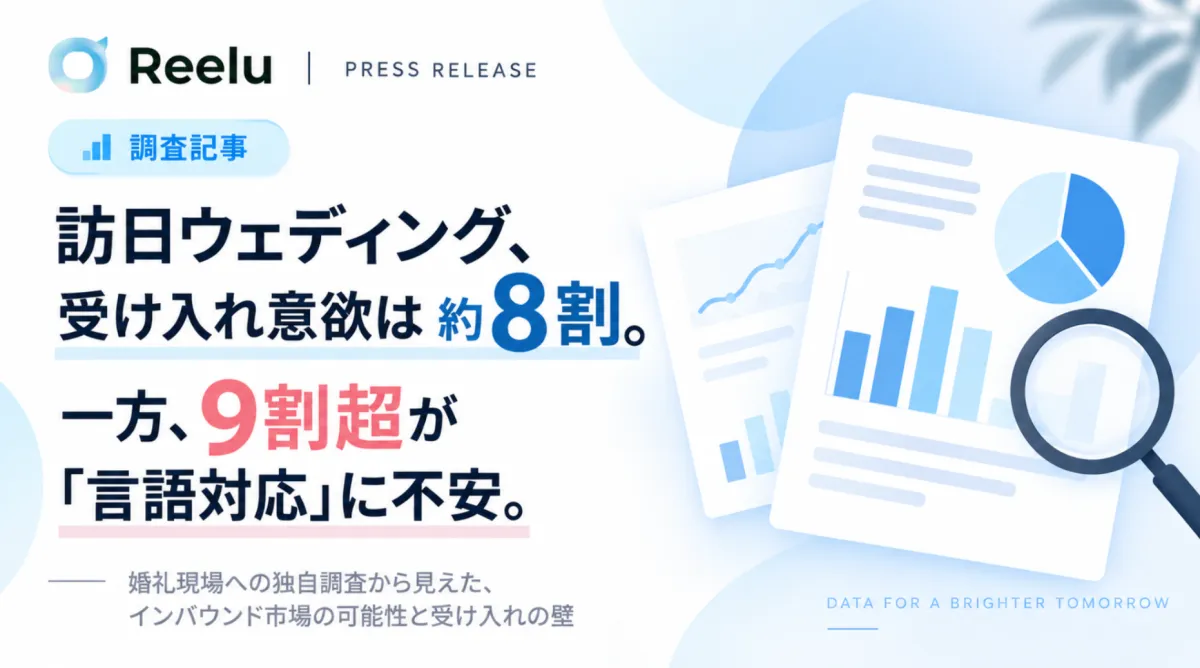
Exploring the Potential of Inbound Wedding Tourism in Japan Amidst Challenges
Exploring the Potential of Inbound Wedding Tourism in Japan Amidst Challenges
Japan has long been an attractive destination for weddings, but the path to welcoming foreign couples has its obstacles. A recent survey conducted by Reelu, a Tokyo-based company offering premium support services, has outlined the current state of the inbound wedding market, revealing both aspirations and apprehensions among wedding-related businesses.
High Expectations for Inbound Weddings
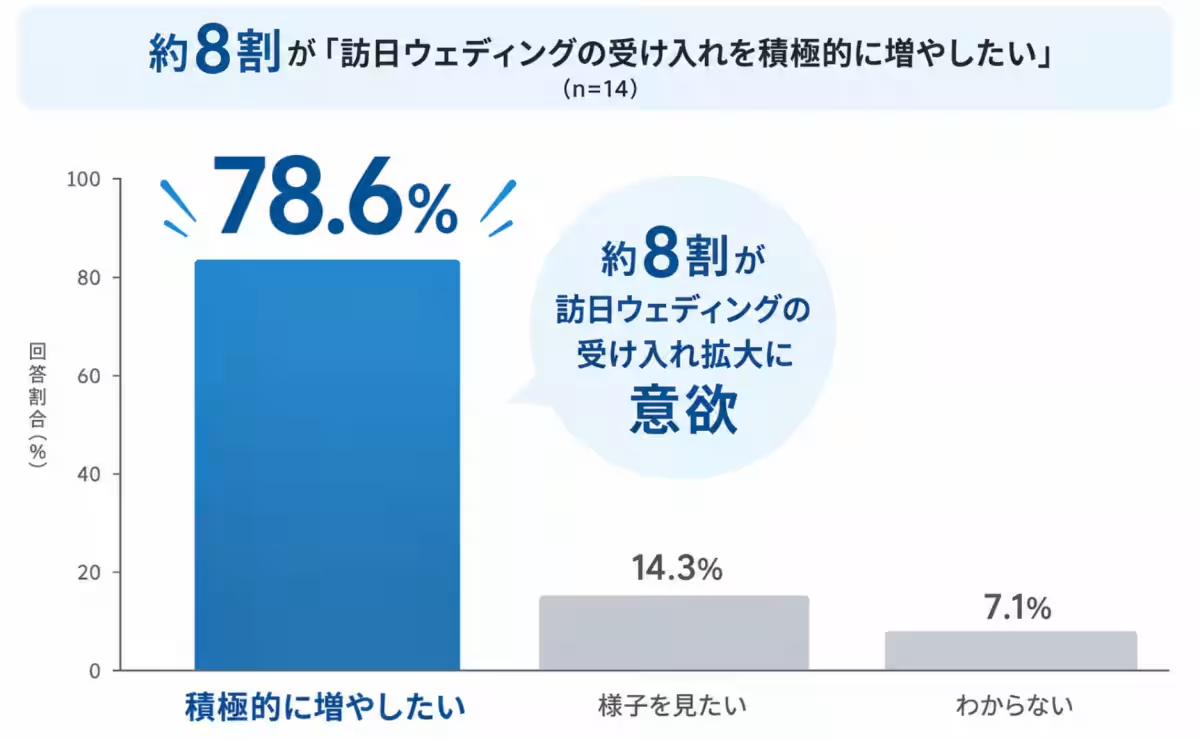
The findings indicate that a significant 78.6% of surveyed wedding-related operators are eager to expand their capacity for inbound weddings. This enthusiasm comes with marked expectations, as many see inbound weddings as a solution to several pressing issues in the industry, such as increasing weekday bookings and enhancing customer spend.
In the survey, when asked about the benefits anticipated from welcoming foreign couples, 64.3% identified improved weekday occupancy rates as the primary advantage. Other expectant benefits included increased average expenditure per guest (57.1%), regional revitalization (35.7%), and enhancing visibility through word-of-mouth and social media (21.4%).
Thus, while the influx of foreign weddings presents a golden opportunity for growth, it also surfaces critical concerns that must be addressed to realize this potential fully.
Language Barriers: The Main Obstacle
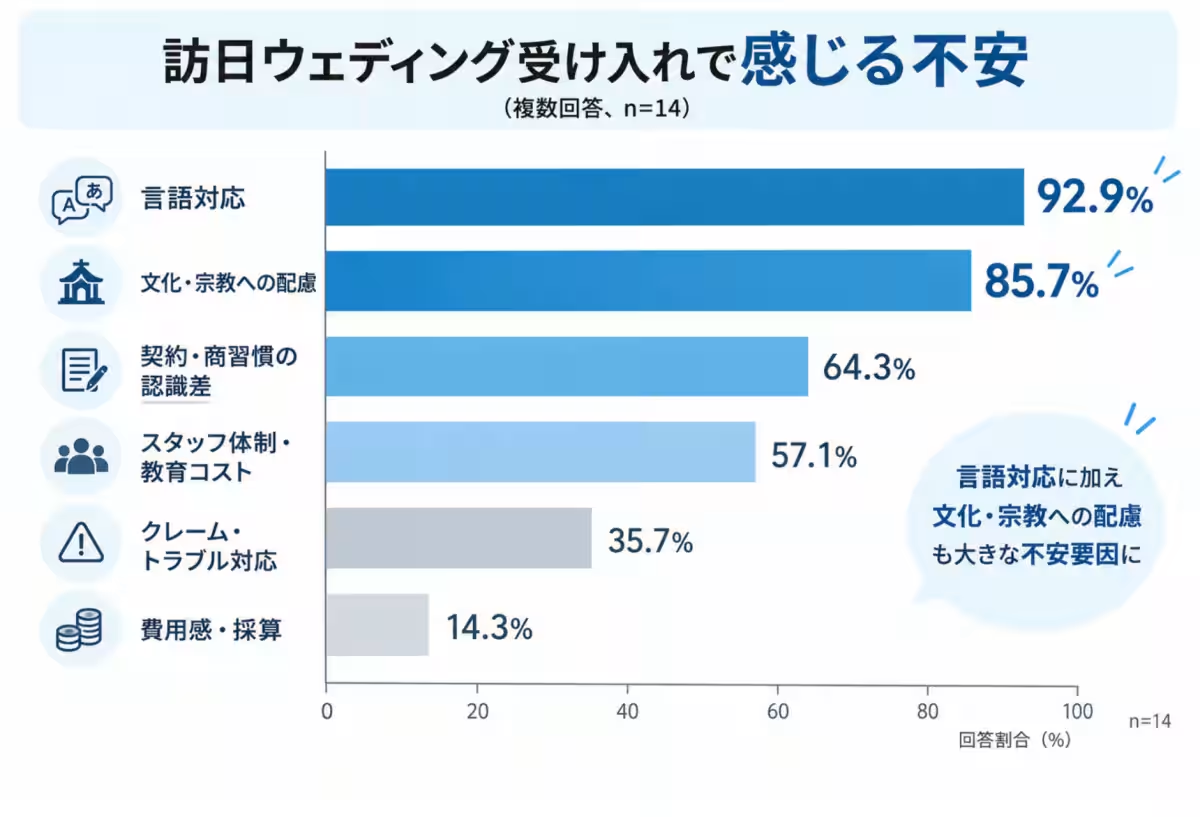
Despite the optimism, a staggering 92.9% of respondents cited language barriers as a significant concern. This goes beyond merely having staff who can speak a foreign language; it reflects deeper issues within the entire operational framework necessary for delivering effective services in multiple languages.
The complexities of managing wedding services for diverse cultural backgrounds, religious sensitivities, and differences in contractual practices introduce several layers of challenge. It’s clear that adjusting to the linguistic needs is only the tip of the iceberg.
Cultural Sensitivities and Communication Quality
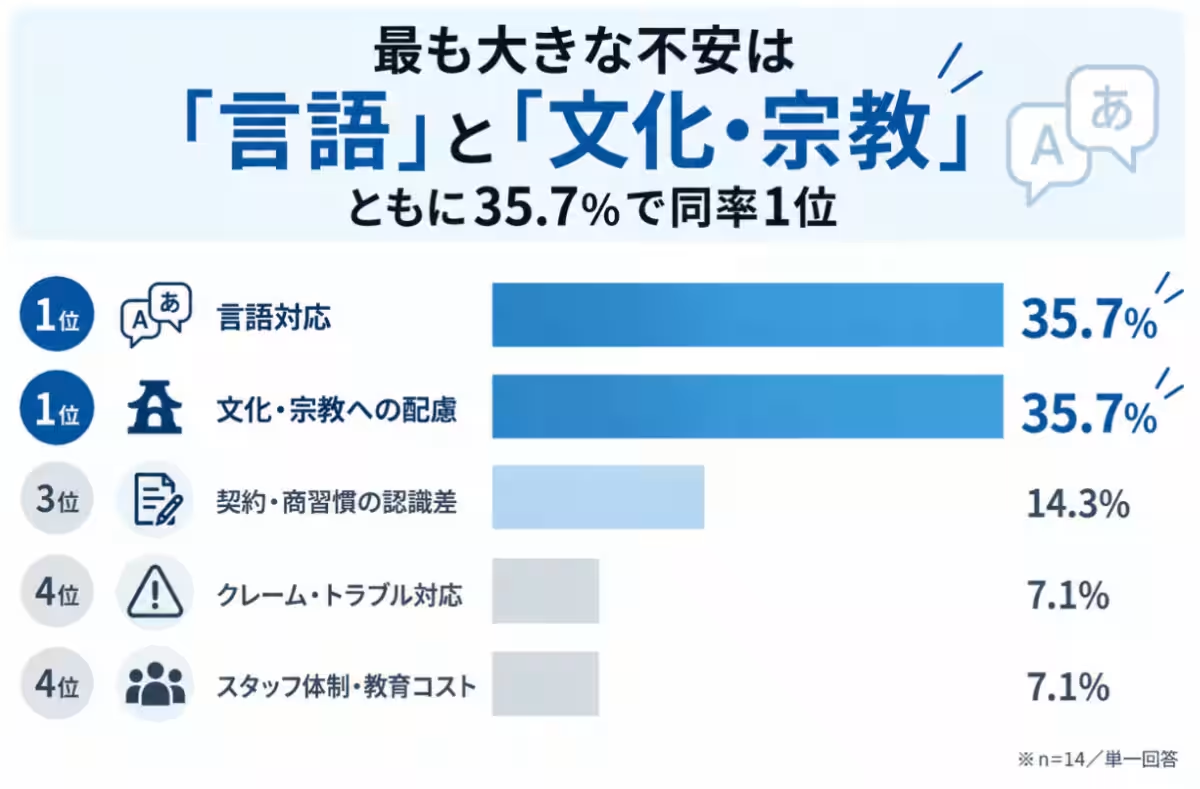
When asked to prioritize the most pressing concern, both language accommodation and cultural/religious considerations were identified by 35.7% of respondents, indicating that the struggles in effective communication are not solely about speaking different languages. High-quality interaction is essential from the initial planning phases to the actual wedding day. This means not only understanding various languages but also being aware of cultural nuances that can affect the ceremony.
Amid these challenges, the need for skilled professionals who can navigate both language and cultural requirements has become increasingly urgent. Companies are grappling with how to source bilingual staff who possess the necessary hospitality skills at different times throughout the year, given the wedding industry's cyclical nature.
Staffing Challenges in the Wedding Industry
During follow-up interviews with industry experts, it was highlighted that while demand for multilingual talent exists, it is not always feasible to maintain a dedicated team of bilingual staff at all times. This leads many venues to seek flexible options, leveraging local resources or freelance wedding planners who can provide timely language support.
As expressed by insiders, “The fluctuation in wedding demand makes it challenging for venues to employ bilingual personnel full-time. However, some locations are creatively navigating this by employing local talent or outsourcing when necessary.”
While there is increasing recognition of the need for freelance wedding planners capable of offering English support, the pool of skilled individuals remains limited. Insufficient staff capable of handling multiple languages often results in hesitation about moving forward with inbound weddings, as highlighted by comments from hotel operators and marketing agencies.
Bridging the Gap: Building Support Systems
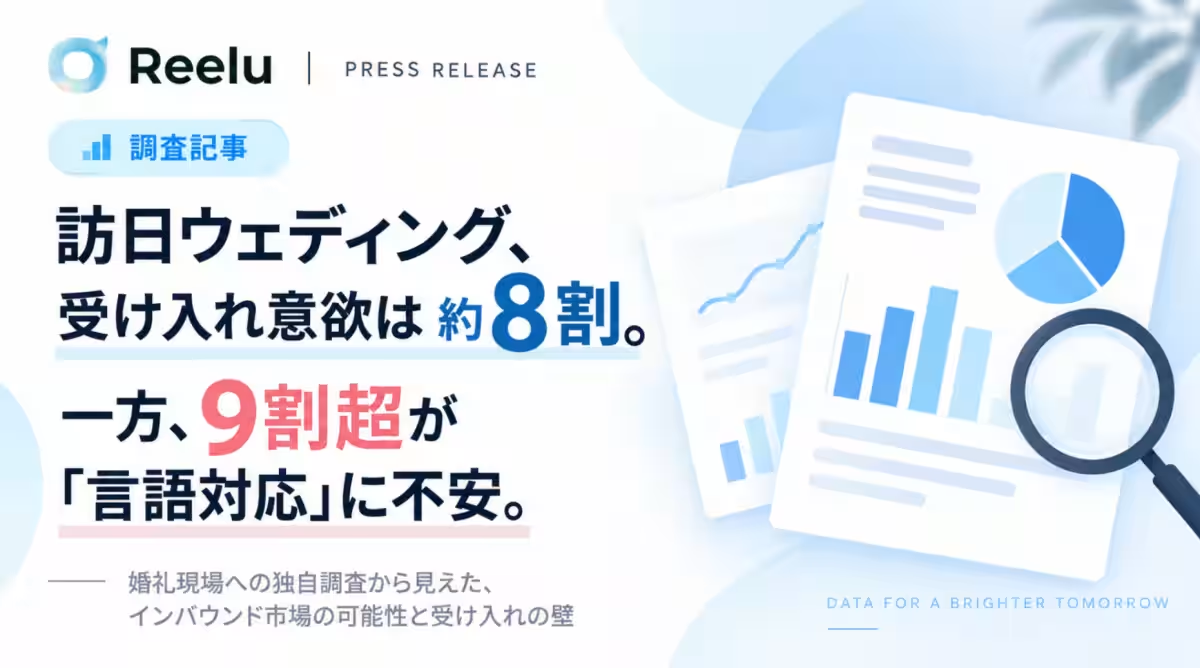
Contrary to the assumption that businesses are unwilling to welcome foreign weddings, the challenge lies in developing adequate systems to facilitate these weddings. With nearly 80% of the industry eager to expand their foreign clientele while more than 90% express hesitation due to language issues, a solution must be identified to bridge this gap.
Reelu Wedding proposes a pragmatic approach to this dilemma by offering a matching service for multilingual staff equipped with both language ability and hospitality skills specific to the wedding environment. Their objective is to help facilities access the necessary expertise not just for language translation but also cultural understanding essential for smooth wedding operations.
Through ongoing research, Reelu aims to continuously uncover the challenges and requirements of wedding venues within the context of inbound tourism. They are committed to enhancing the overall environment for accepting inbound weddings in Japan, providing vital resources for venues looking to tap into this burgeoning market.
- ---
In essence, the inbound wedding industry represents a promising yet complex opportunity for Japan, requiring a concerted effort to tackle language barriers, cultural understanding, and resource availability. As the sector evolves, the keys to success will undoubtedly hinge upon the ability to adapt and innovate in addressing these multifaceted challenges.

Topics Consumer Products & Retail)









【About Using Articles】
You can freely use the title and article content by linking to the page where the article is posted.
※ Images cannot be used.
【About Links】
Links are free to use.