



The Current State of GX Recognition Among Small Enterprises in Japan: A Deep Dive
Understanding the Current State of GX Recognition in Small Enterprises
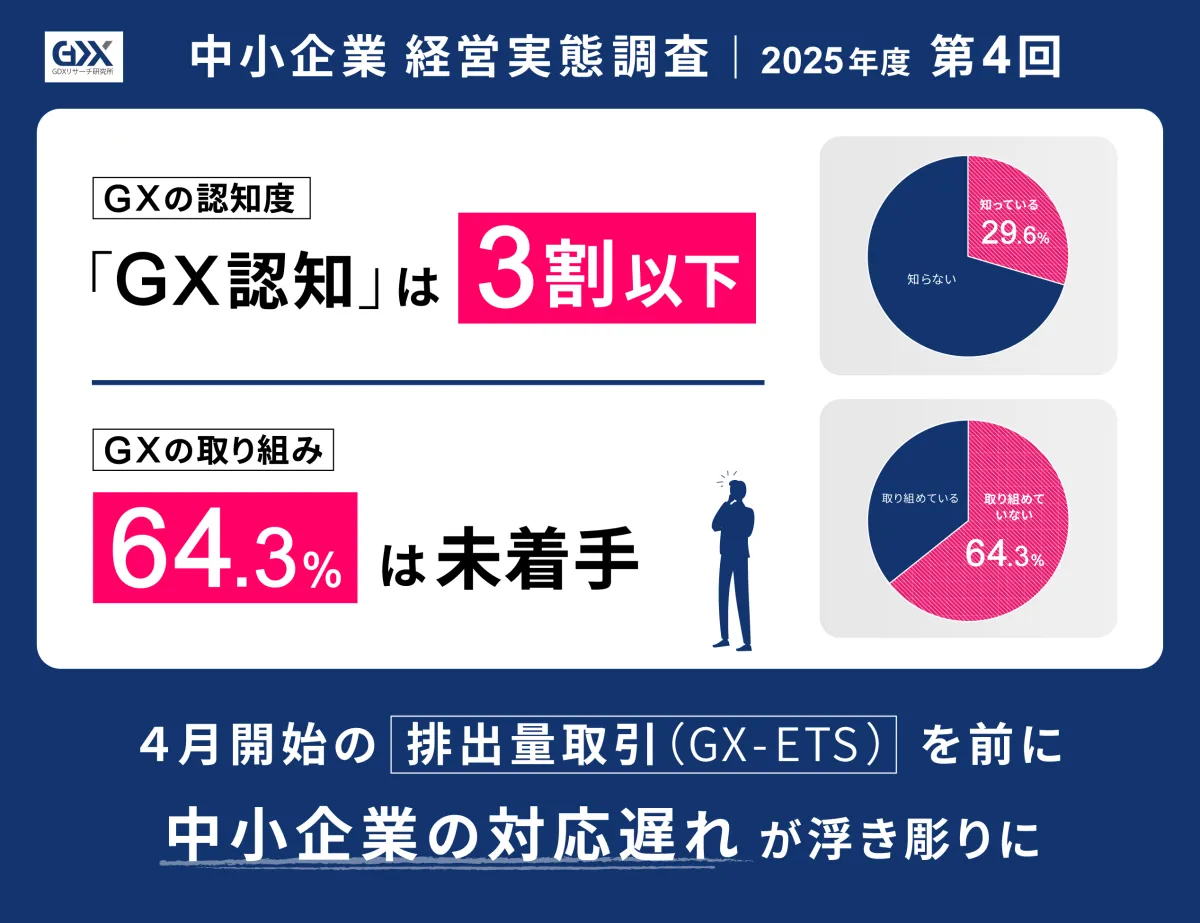
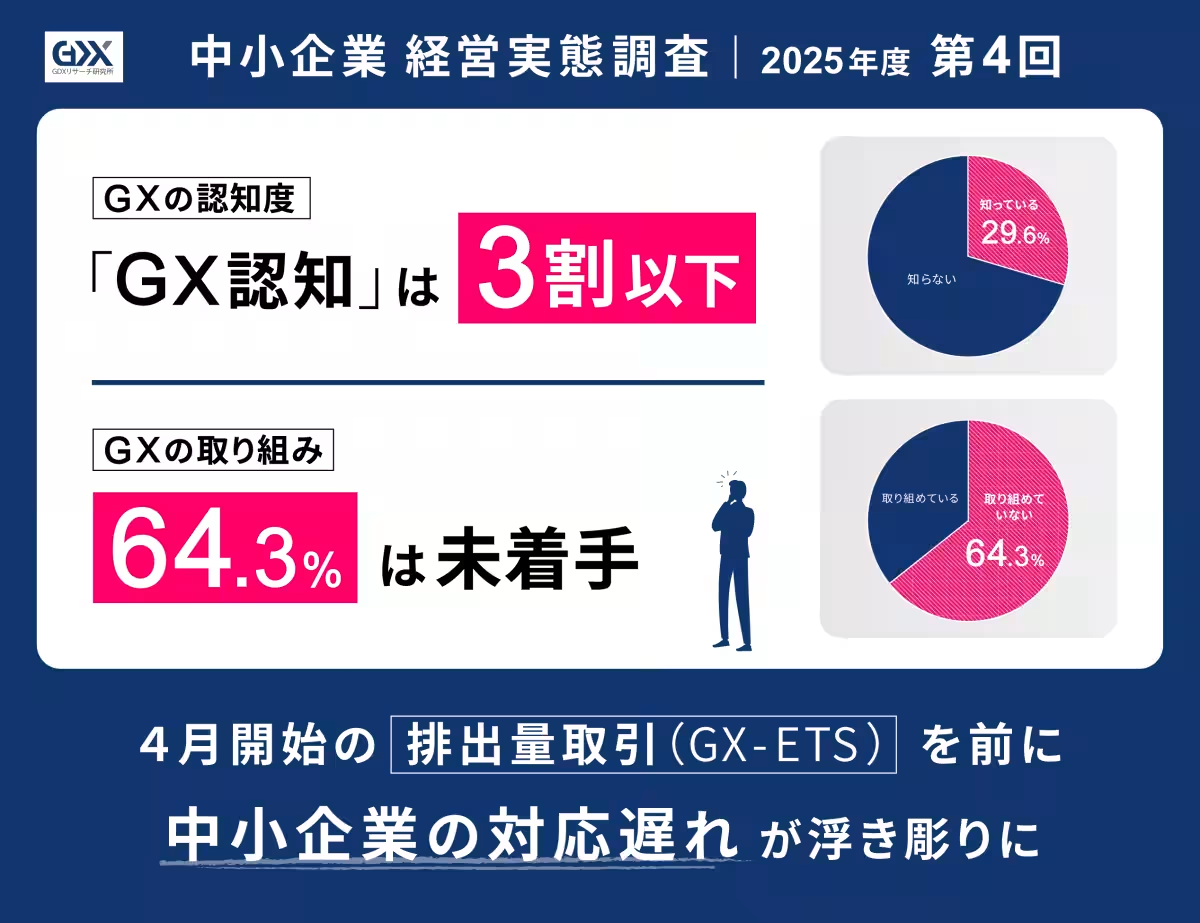
In a recent survey conducted by Forval GDX Research Institute, which focuses on the transformation of small enterprises through Green and Digital practices, significant findings have come to light regarding the recognition of the Green Transformation (GX) initiatives among Japan's small businesses. The survey, titled "2025 Annual Fourth Survey on the Actual Management Conditions of Small Enterprises," reveals that less than one-third of these businesses are aware of GX initiatives.
The Context of GX Recognition
With the introduction of the emissions trading system (GX-ETS) in April 2026, aimed primarily at larger emission businesses, small enterprises face the possibility of being impacted through supply chain demands and partners' requests. Unfortunately, cognitive awareness of GX among these small businesses is notably insufficient, with 70.3% of respondents either unaware or only vaguely familiar with the topic. A staggering 64.3% reported they have yet to begin any GX-related initiatives, revealing a worrying gap in engagement and understanding. The focus on emissions measurement and information disclosure remains minimal, raising concerns about future compliance and operational adjustments.
Survey Summary Highlights
1. Low Recognition Rate: Awareness of GX remains below 30%. Many businesses fail to prioritize GX due to competing management challenges, particularly when compared to Digital Transformation (DX).
2. Challenges in Implementation: Significant obstacles are perceived in gauging the effectiveness of GX initiatives and a lack of resources, revealing the need for collaborative environmental efforts beyond individual capabilities.
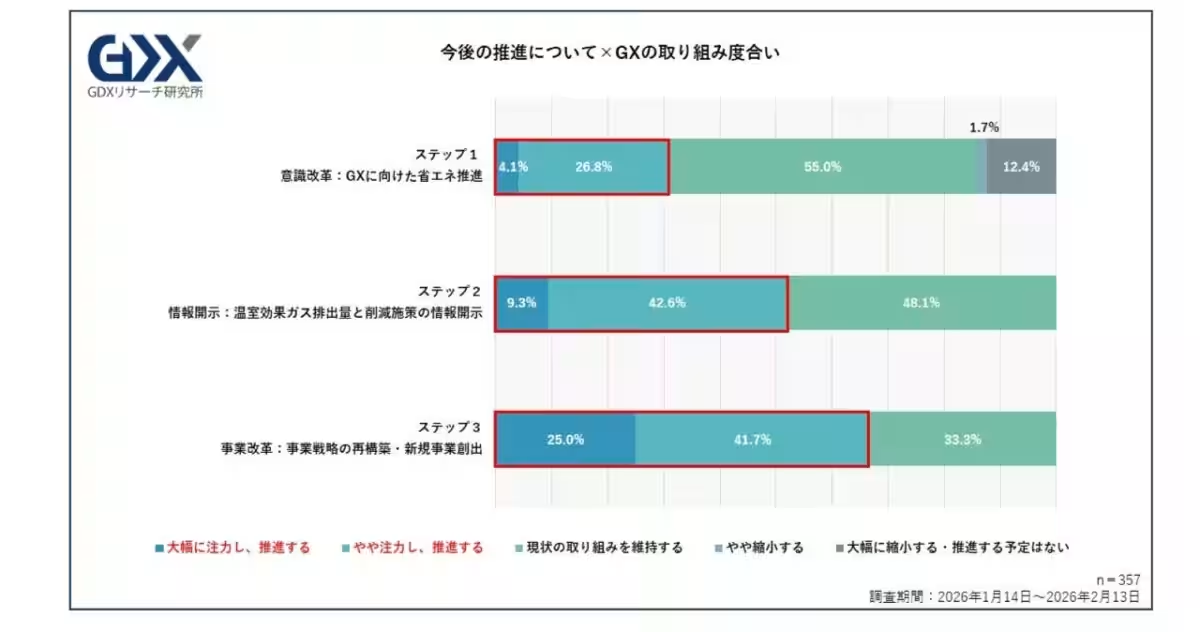
3. Positive Experiences Lead to Enthusiasm: Companies that have engaged in GX initiatives reportedly experience beneficial effects, with over 80% expressing optimism about future advancement. Interestingly, 66.7% of firms that progressed to business reform stages affirm plans to intensify these efforts, indicating a positive feedback loop.
Key Findings from the Survey
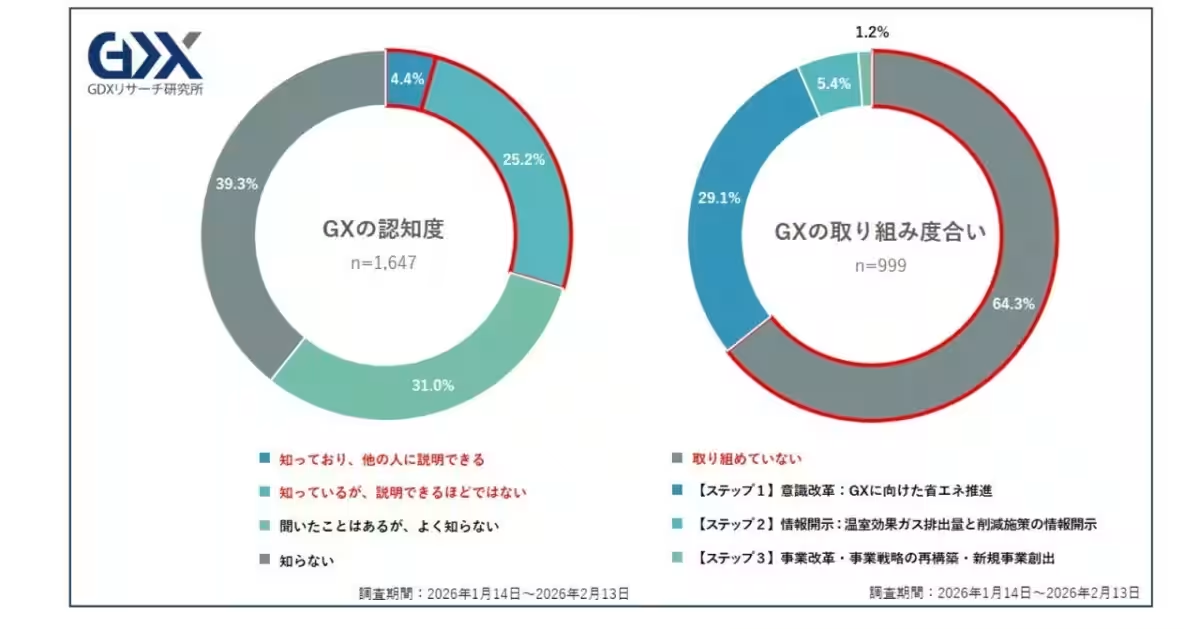
The survey involved 1,647 participants, with substantial insights gathered from their responses concerning GX awareness and implementation challenges. The following points stood out:
1. Most notable among reasons for low GX recognition were the high percentages of businesses reporting they are either unaware (39.3%) or have only heard about it but do not understand it well (31.0%). Hence, 70.3% show limited recognition of GX initiatives.
2. More than half (over 60%) of respondents indicated they have yet to engage in GX initiatives at all, with only around 10% initiating steps beyond simple awareness.
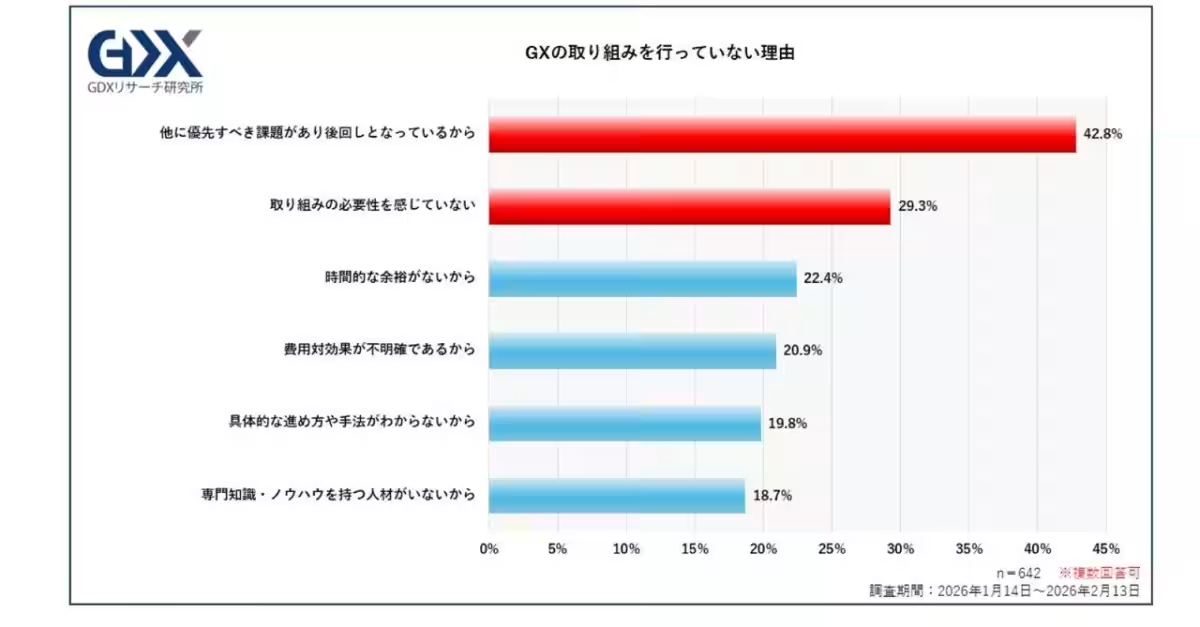
3. A major reason for inaction cited was that there are other priorities that demand attention, with 42.8% agreeing on this point. Another 29.3% do not feel the need for GX initiatives currently. This starkly contrasts with the responses regarding DX, which featured concerns like lack of knowledge on execution and absence of specialized personnel.
Barriers to Progress
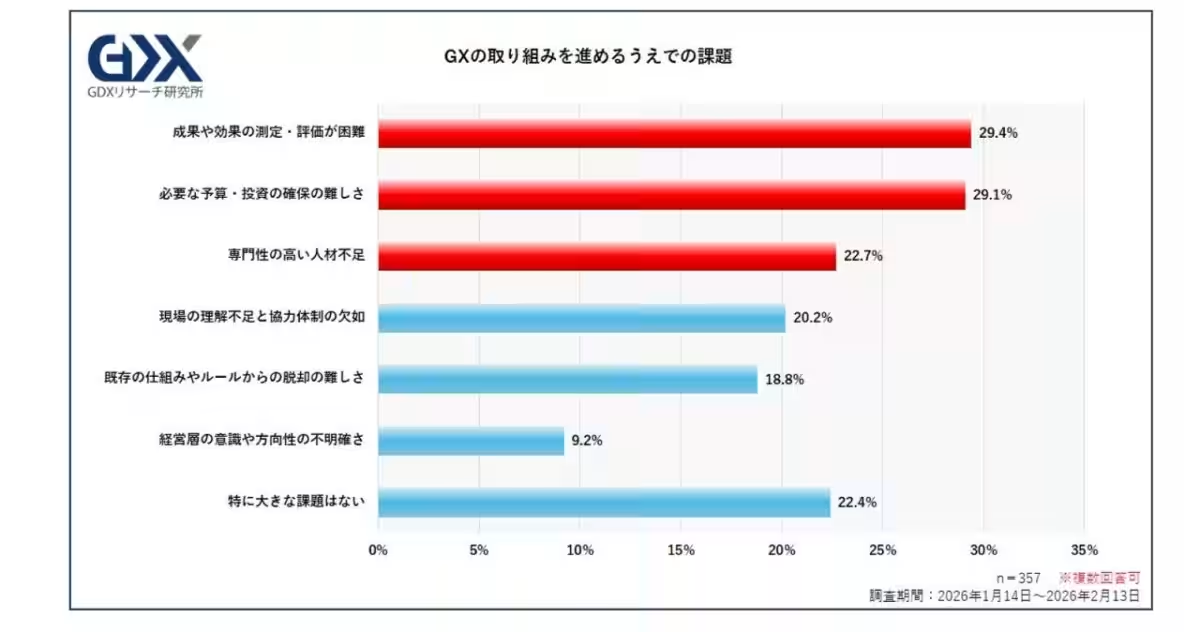
Among the 357 companies actively contemplating GX initiatives, the main barriers identified were:
- - Measuring Outcomes: A significant challenge mentioned (29.4%) was the difficulty in assessing the results of initiatives.
- - Budget Constraints: Nearly as many cited difficulties in securing necessary investments (29.1%).
- - Specialized Personnel Shortage: 22.7% faced issues recruiting individuals with the required expertise.
- - Operational Understanding: 20.2% noted a lack of comprehension or a cooperative atmosphere within their teams.
In tackling these barriers, it is evident that addressing not only financial resources but establishing clear evaluation methods, creating cross-departmental collaboration, and building frameworks that encompass partner interactions is essential for effective GX implementation.
Looking Ahead: The Future of GX Engagement
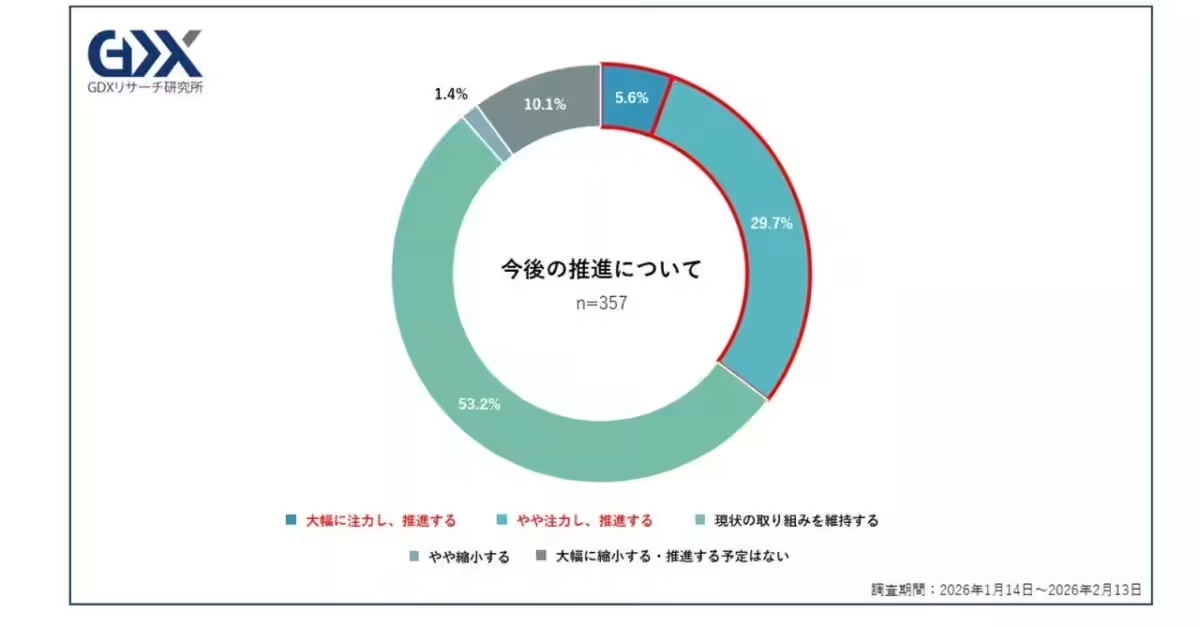
When asked about future directions, the survey uncovered the current stances of companies already engaged in GX. A large percentage—around 88.5%—indicated they would maintain or gradually increase their GX commitments.
Importance of GX for Small Enterprises
The narrative of GX extends beyond merely being an environmental initiative; it is a pathway for sustainable management that can lead to cost reductions, increased sales, and enhanced credibility in the market. The necessity for small enterprises to grapple with the implications of GX is becoming increasingly apparent, revealing both the challenges and opportunities that lie ahead. As these businesses confront the realities of GX, it is imperative that the broader organizational ethos reflects the importance of pursuing these initiatives.
In conclusion, the Forval GDX Research Institute aims to illuminate the path for small enterprises by providing insights that encourage them to adopt GDX strategies effectively. Understanding the immediate need for actionable frameworks and the overarching goals of GX will be crucial in guiding the sustainable growth of Japan's small business landscape.
About Forval GDX Research Institute
Established as a dedicated body to support small enterprises in utilizing Green and Digital transformations, the Forval GDX Research Institute seeks to enact real changes in the industry. They focus on research, observation, and communication regarding the current state of GDX and advocate for the advancement of practices that not only enhance company growth but also contribute positively to Japan's economic pulse.






Topics Business Technology)
【About Using Articles】
You can freely use the title and article content by linking to the page where the article is posted.
※ Images cannot be used.
【About Links】
Links are free to use.