



Only 4% of Homes Fully Prepared for Power Outages on Disaster Prevention Day
Increasing Awareness on Power Outage Risks
On September 1st, designated as Disaster Prevention Day,株式会社ECODA conducted a nationwide survey focusing on power outage preparedness among homeowners aged 20 to 60. Given the severe impact of natural disasters in recent times, particularly the recent landfall of Typhoon No. 12 in Kagoshima, the survey aimed to shed light on the general awareness and readiness of households toward potential electricity shortages during emergencies.
Survey Details
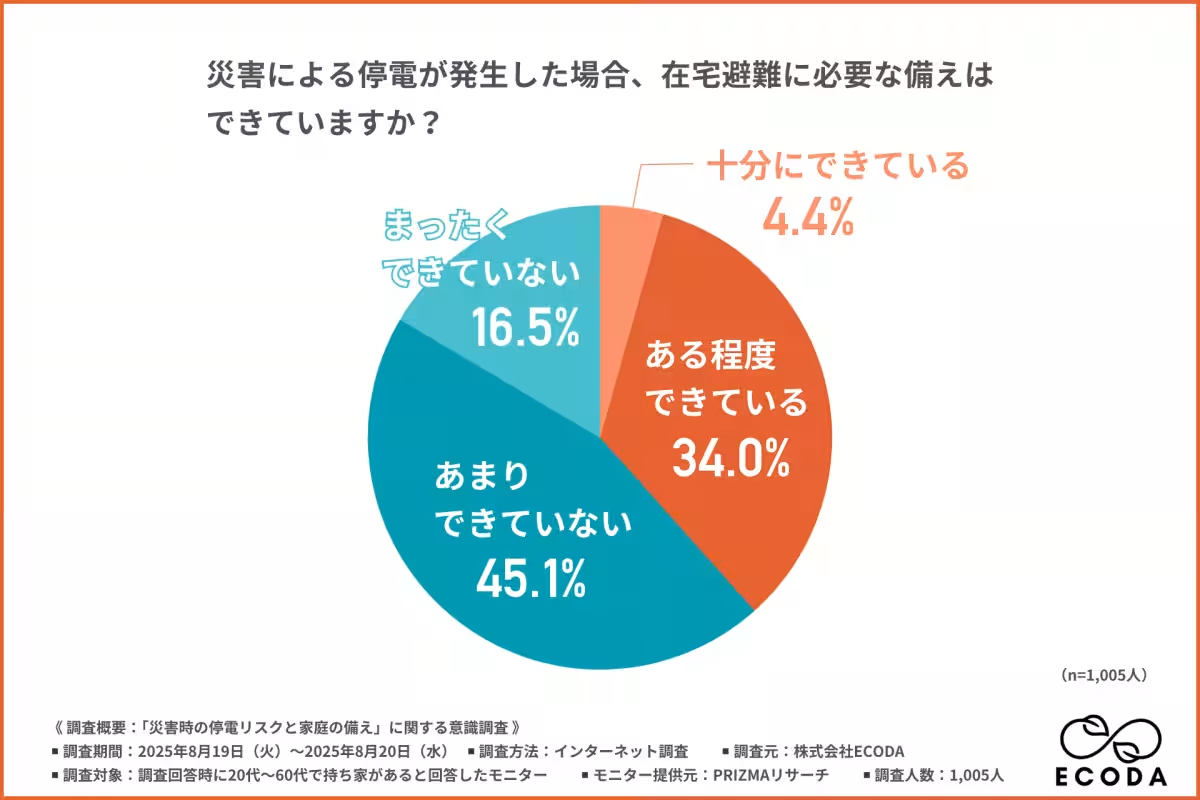
The survey was carried out between August 19th and 20th, 2025, targeting a total of 1,005 homeowners across various demographics. Despite the increasing awareness of disaster risks, the results unveiled a concerning reality: only 4% of respondents felt their homes were sufficiently prepared for power outages.
The data highlights significant gaps in household readiness, as over 60% of participants admitted their preparations were lacking. In an era where reliance on electricity has become paramount for daily activities and safety, these findings pose serious questions about community resilience.
Information Sources and Preparedness Levels
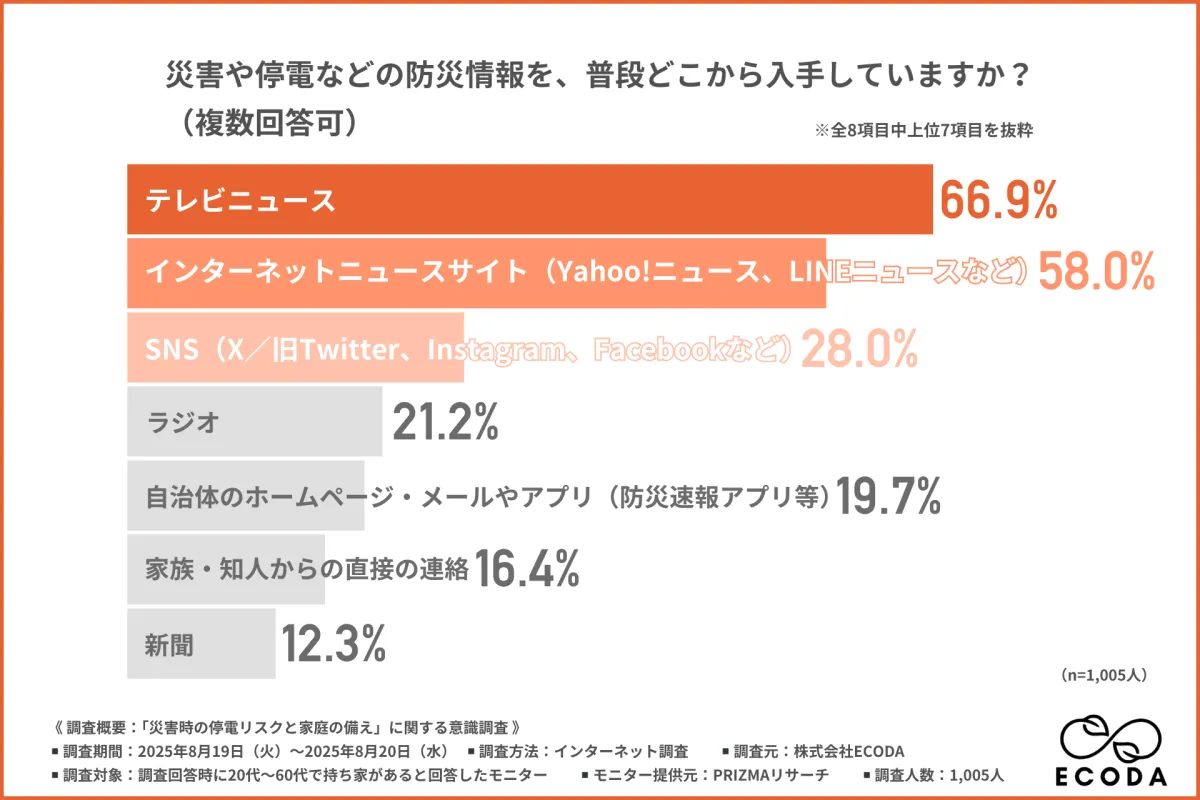
When asked where they source their disaster-related information, about 70% of survey participants cited television news (66.9%), while internet news sites (58.0%) and social media (28.0%) followed as popular options. However, the usage of official municipal apps and radio remains low, which raises concerns about the narrow range of reliable information accessible during crises.
In terms of at-home evacuation preparedness, the responses broke down as follows: 4.4% felt fully prepared, 34.0% somewhat prepared, 45.1% not well prepared, and 16.5% completely unprepared. This stark disparity reveals a critical oversight in household disaster strategies, highlighting the necessity for diverse preparedness methods.
Timing of Preparedness Awareness
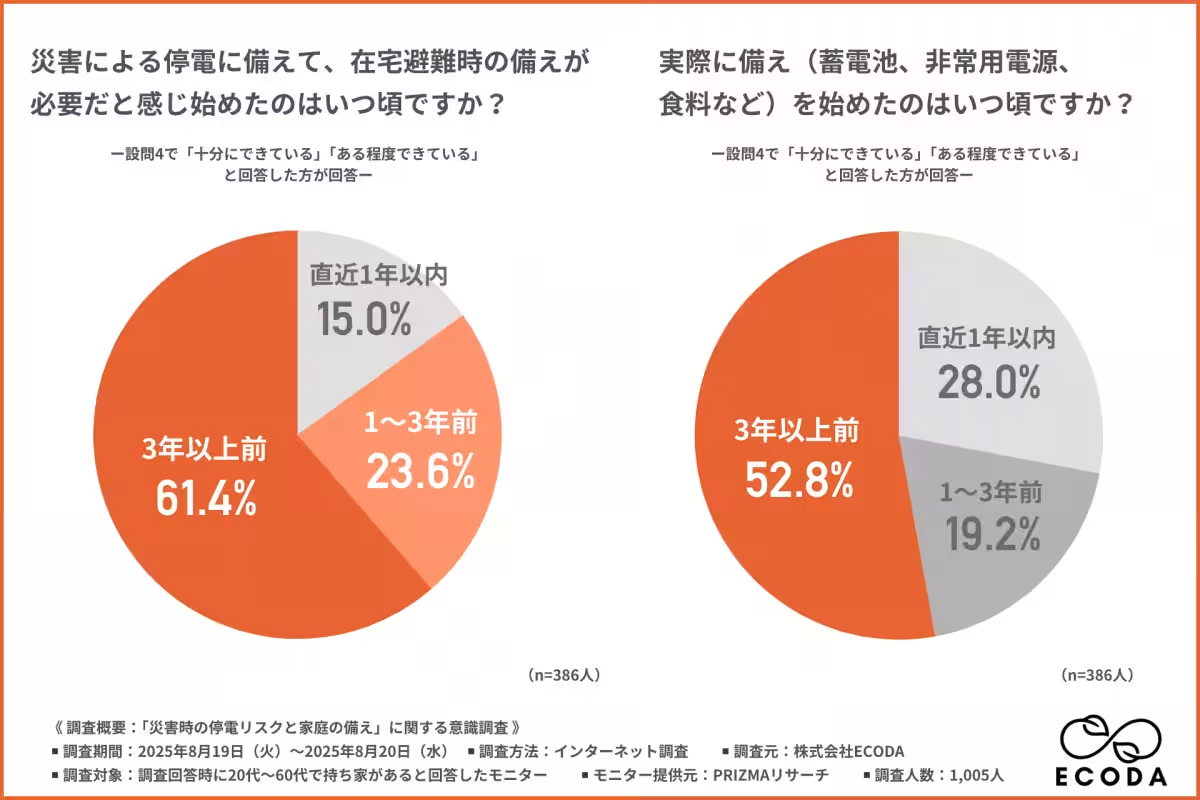
Interestingly, when participants were asked when they started considering safety preparations, 61.4% indicated they began being aware of the risks over three years ago. However, the actual initiation of preparedness actions appeared to lag, with only 52.8% stating they started implementing measures during the same timeline. The data suggests a disconnect between recognizing the need for preparedness and taking concrete actions to ensure safety during power outages.
Common Preparedness Items and Tools
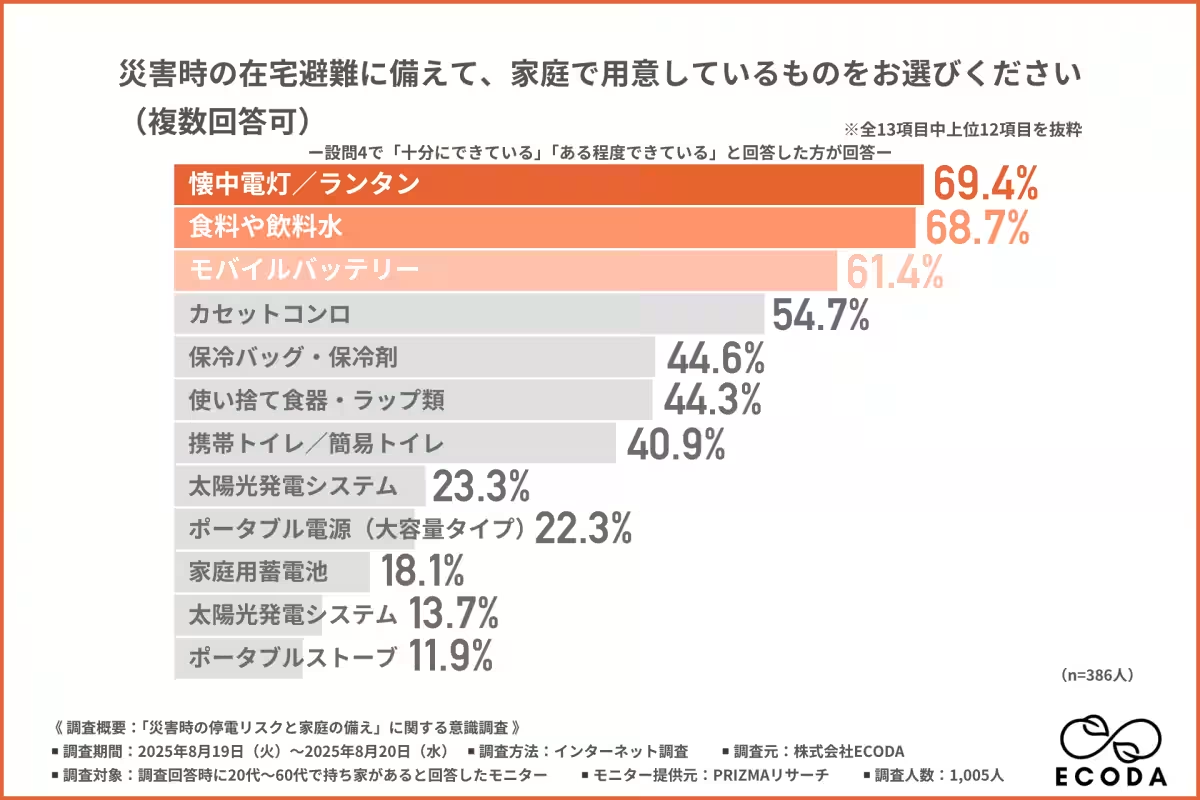
The survey also queried respondents on the items they currently have ready for in-home disaster situations. Commonly cited essentials included:
- - Flashlights or lanterns (69.4%)
- - Food and water supplies (68.7%)
- - Mobile phone chargers (61.4%)
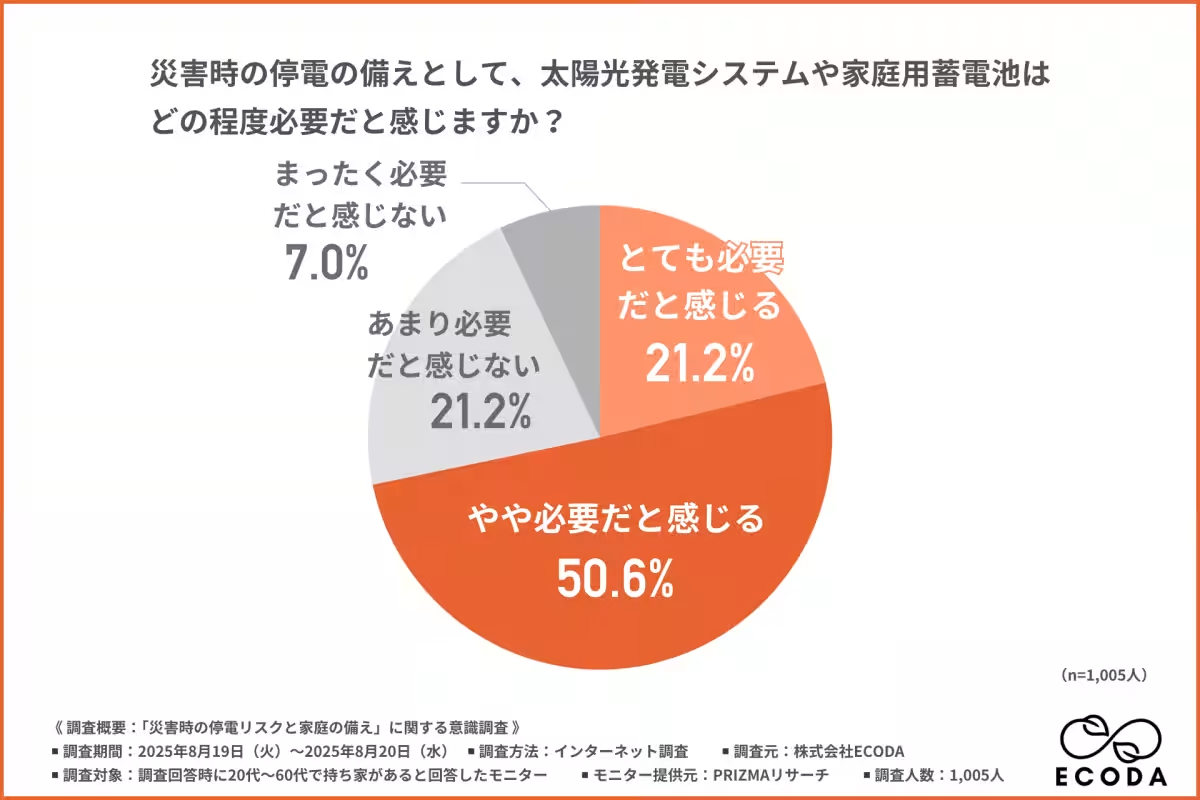
While these items signify a foundational understanding of emergency needs, very few households have invested in portable power sources or solar energy systems, often due to perceived high costs. Despite this, a noticeable 71.8% expressed that solar power systems and home batteries are very or somewhat necessary, underscoring a collective apprehension regarding future power sets.
Reasons for Solar Power System Need
Many who advocate for solar energy solutions cited personal experiences with severe weather and other unique household circumstances leading to increased vulnerability during outages. Some respondents noted:
- -
Topics Other)

【About Using Articles】
You can freely use the title and article content by linking to the page where the article is posted.
※ Images cannot be used.
【About Links】
Links are free to use.