




Over half of Teachers Experience Stress from Group Formation in Schools
Group Formation - A Source of Stress for Teachers
School activities including school trips, excursions, and group learning are essential parts of student life, making group formation a crucial process. However, balancing academic abilities, personality types, and preventing isolation can add unseen burdens to teachers.
In light of this, APUN LIMITED, the developer of the digital tool Web Roulette, conducted a survey targeting 600 teachers from elementary, junior high, and high schools across Japan to understand their experiences related to group formation.
The Reality Behind Group Formation
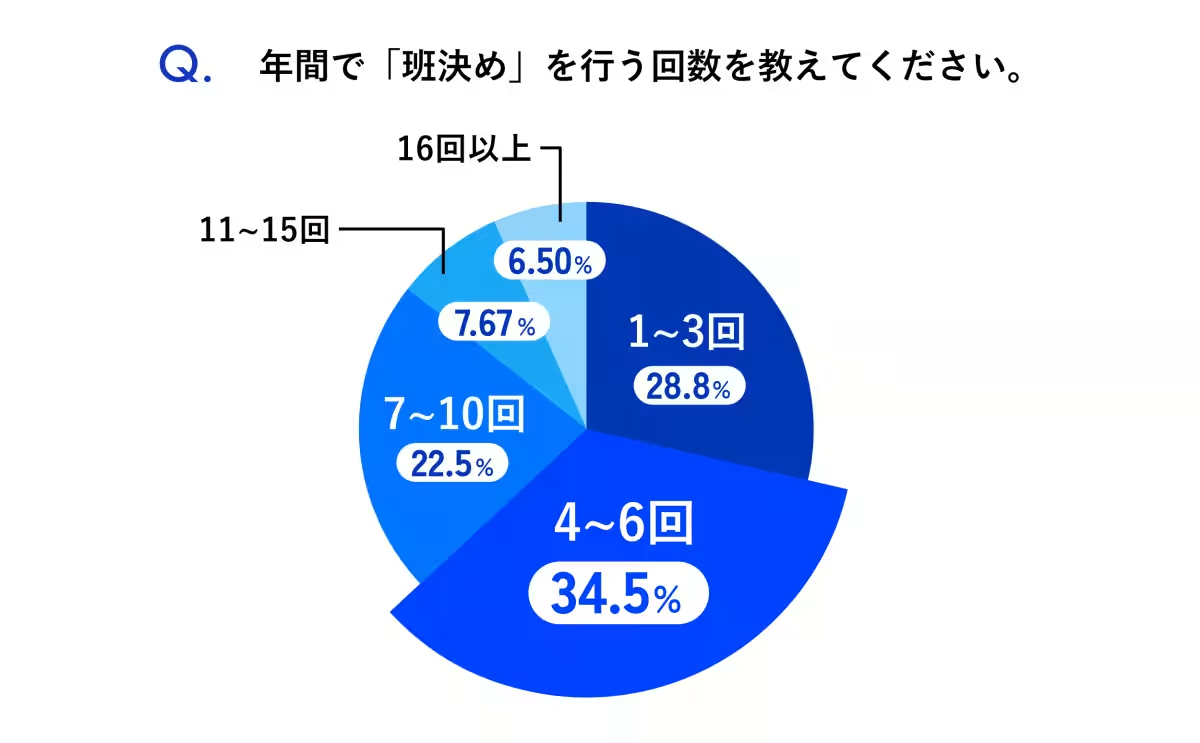
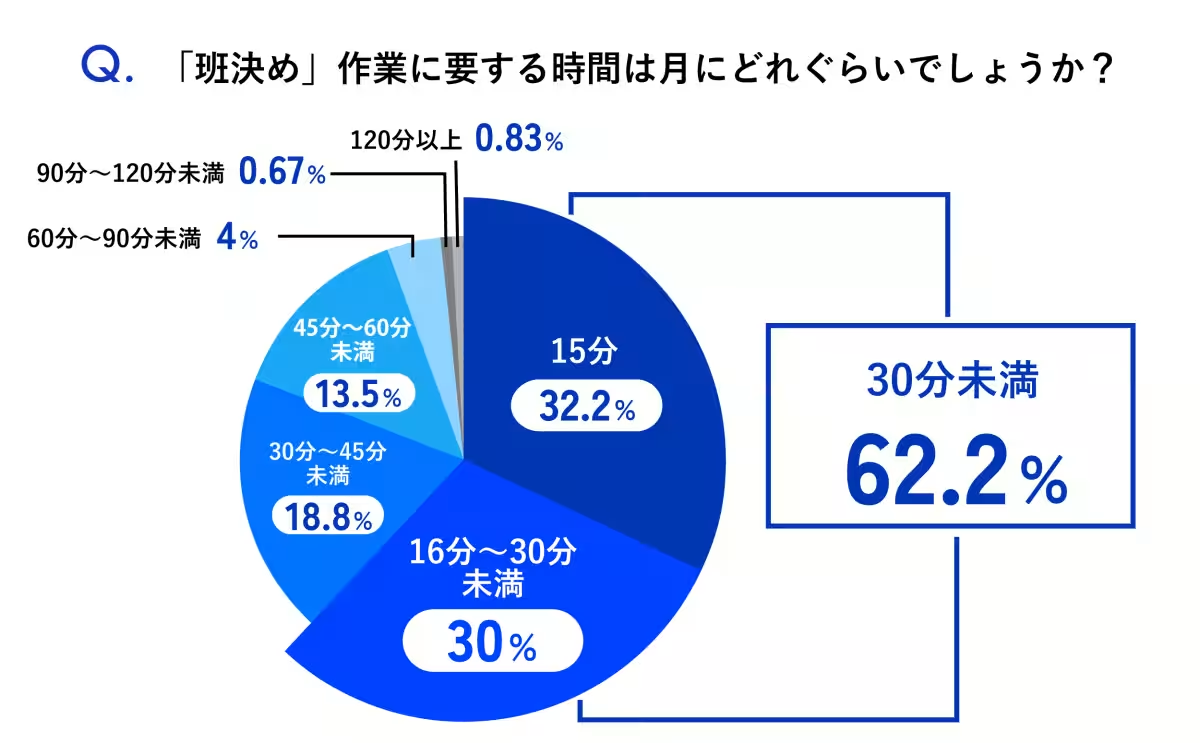
Group formation is a routine task carried out by teachers frequently throughout the school year. While the survey indicated that most teachers perform group formations 4 to 6 times a year (34.5%), and the time dedicated to each is usually under 30 minutes (62.2%), this seemingly light workload often masks the considerable mental effort involved. Teachers must continuously consider various factors to create balanced groups that foster positive interpersonal relationships among students.
Stress Levels Linked to Group Formation
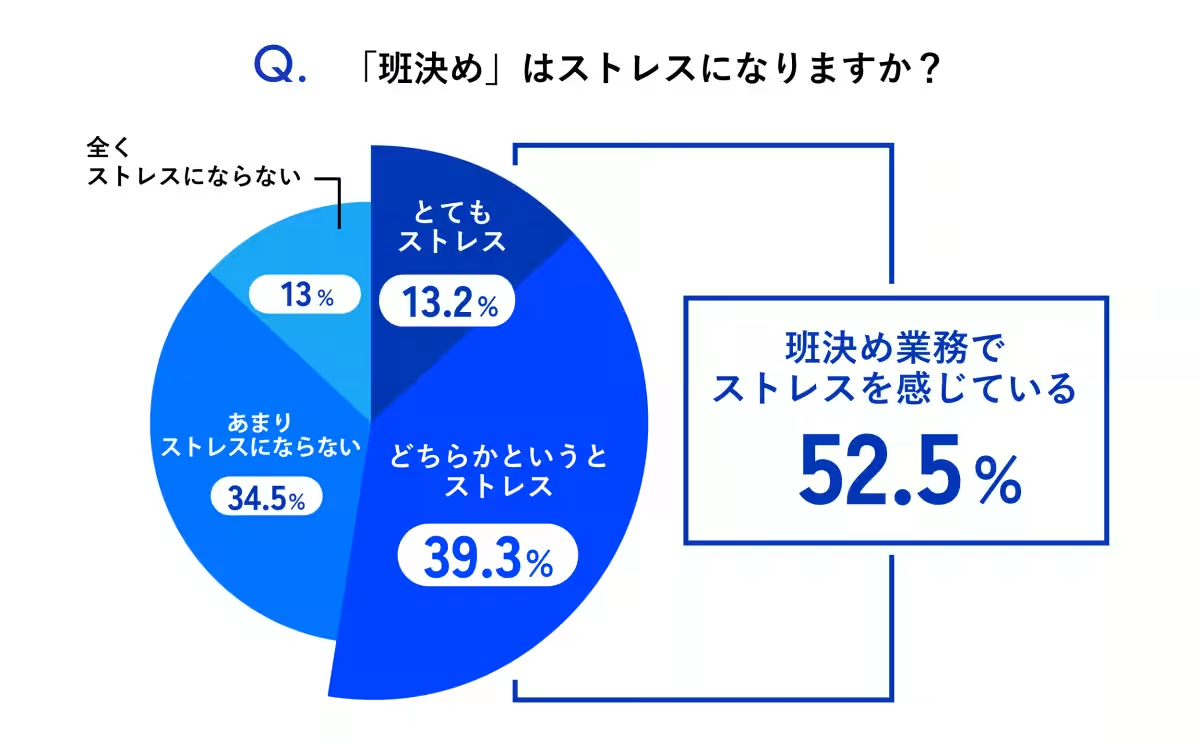
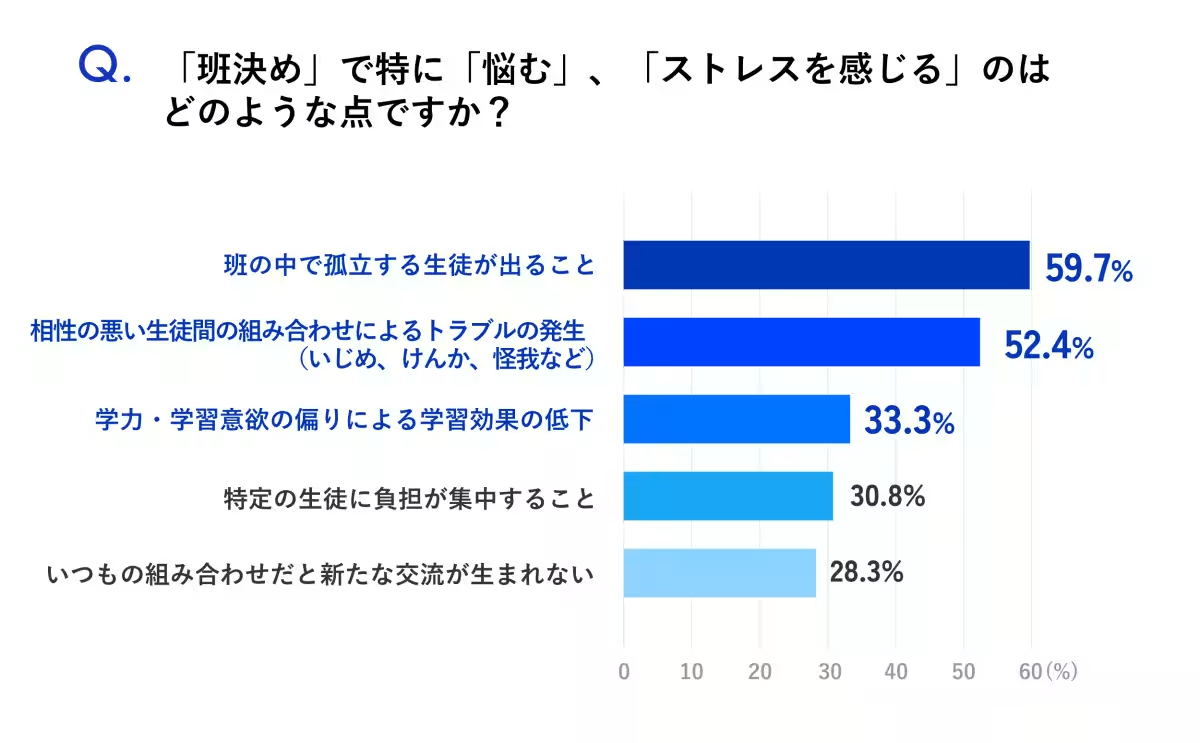
Over half of the responding teachers (52.5%) acknowledged feeling stress due to the process of group formation. Major stress points include:
- - Isolation of students within groups (59.7%)
- - Interpersonal conflicts (bullying, fighting, injuries) (52.4%)
- - Imbalances in academic performance and motivation leading to decreased learning effectiveness (33.3%)
These insights reveal that teachers are deeply concerned not only with efficiency but also with the psychological safety and individual learning outcomes of their students.
Impact of Stress on Educational Activities
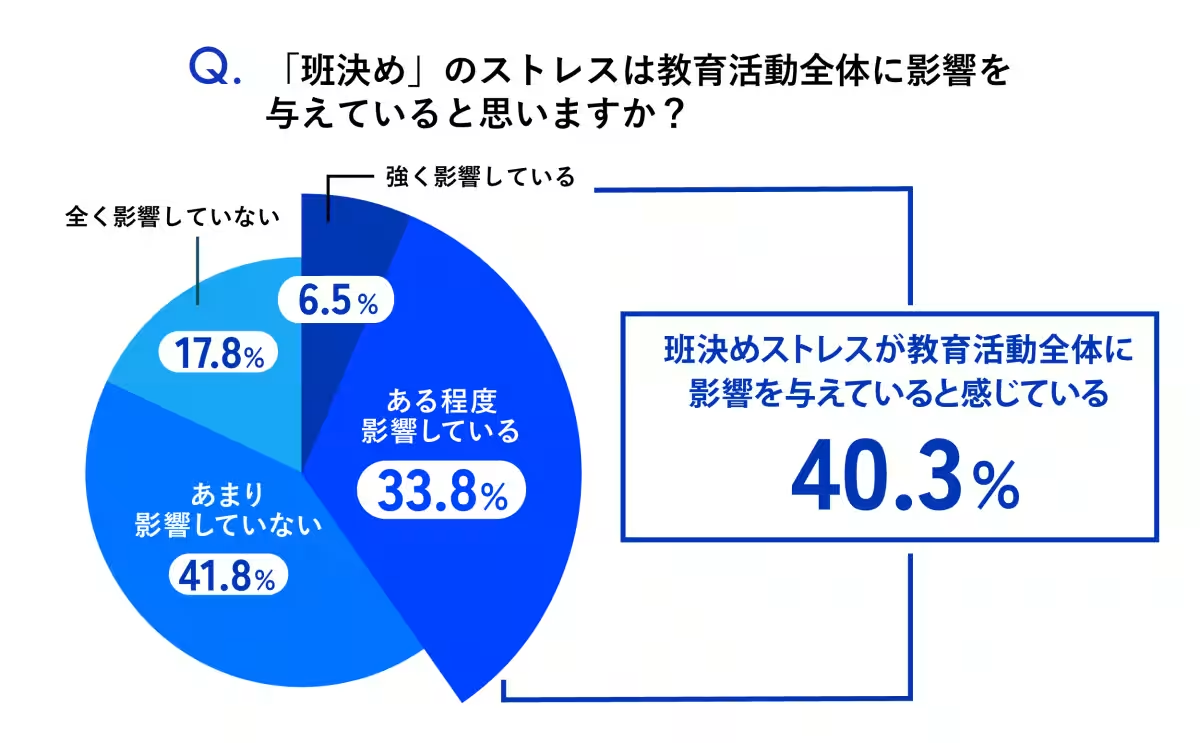
When asked if the stress related to group formation affects their overall teaching efforts, 40.3% of teachers responded affirmatively. Although group formation may appear as a minor task on the surface, the mental burden can disrupt core teaching activities such as lesson preparation, instruction delivery, and student interactions, detracting from their focus on essential educational tasks.
Web Roulette: A Solution to Group Formation Challenges
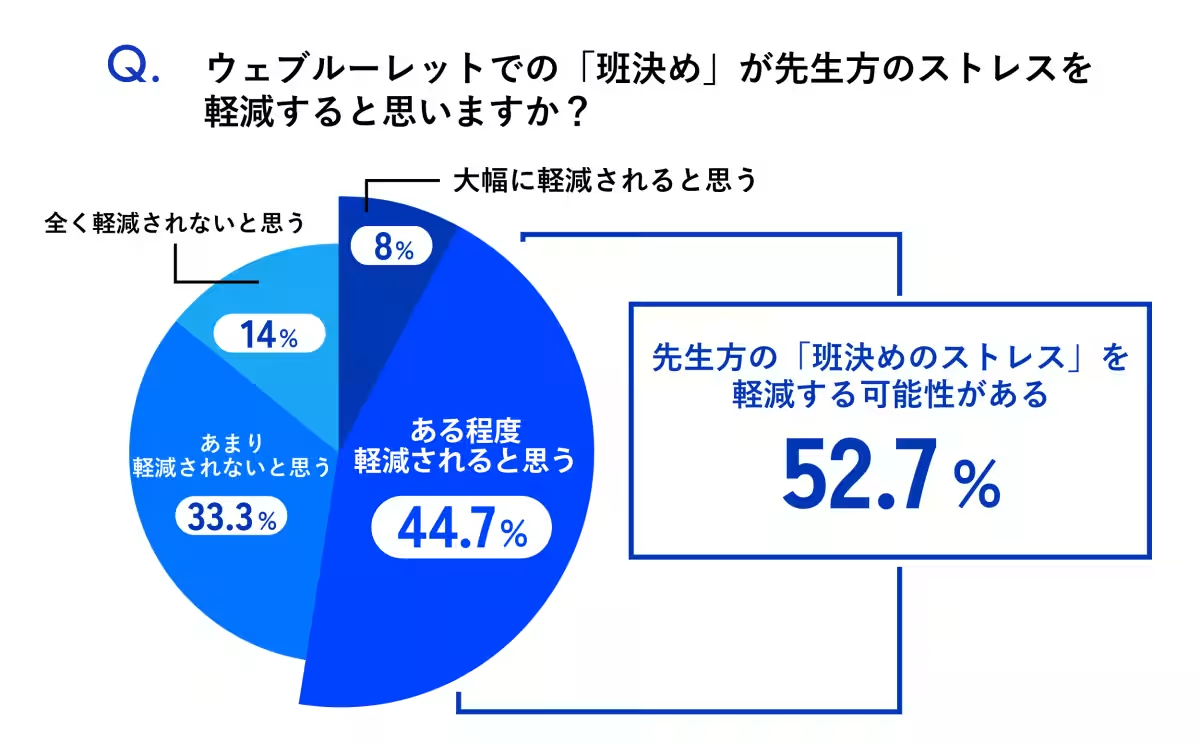
The survey highlighted promising feedback regarding Web Roulette as a potential solution to these challenges. More than half of the educators (52.7%) believe that utilizing this tool could relieve their stress associated with group formation.
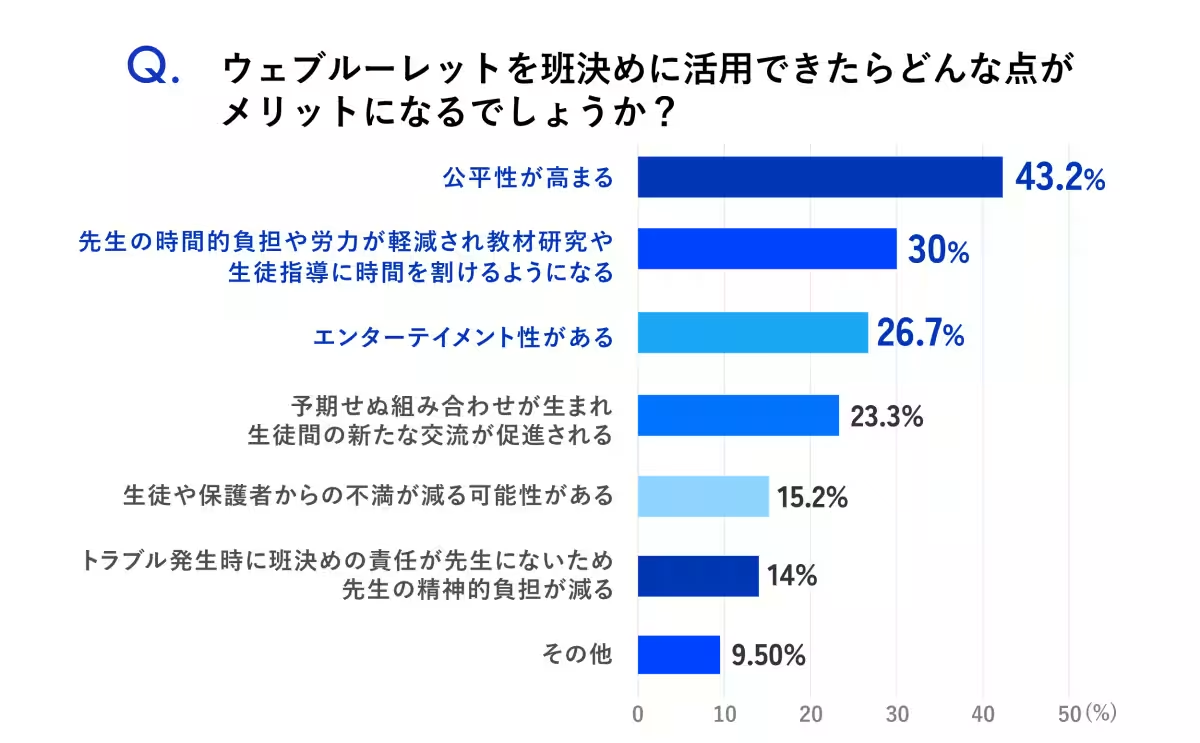
Key benefits of using Web Roulette include:
- - Increased fairness in group assignments without relying on teachers' subjective judgments (43.2%)
- - Reduction in teachers' workloads, allowing more time for material creation and instructional development (30.0%)
- - Enhanced entertainment value for students (26.7%)
By simplifying the group formation process, digital tools like Web Roulette could help teachers focus on more critical aspects of their roles, such as researching educational materials and understanding individual student needs.
Conclusion
This survey reveals that group formation, while occuring infrequently and requiring little formal time investment, represents a significant hidden stressor for teachers. The mental load stemming from teacher considerations for student welfare could ultimately affect their core educational responsibilities. Thus, the implementation of randomized digital tools like Web Roulette can play a pivotal role in alleviating these burdens. By addressing the often unseen challenges within the educational landscape, teachers can dedicate more time to essential research and student engagement, significantly enhancing overall educational experiences and outcomes.
Survey Overview
- - Duration: July 23 to July 26, 2025
- - Sample: 600 educators
- - Participants: Teachers and lecturers from elementary, junior high, and high schools nationwide
- - Method: Online survey
Citation Request
For citations of these survey results, please mention the following: "Survey on Group Formation in Schools by APUN using the Digital Tool Web Roulette" along with this URL: Web Roulette
About APUN
APUN LIMITED is a software company focused on improving decision-making efficiency and enhancing engagement through digital tools and educational content in both educational and business contexts.

Topics Other)
【About Using Articles】
You can freely use the title and article content by linking to the page where the article is posted.
※ Images cannot be used.
【About Links】
Links are free to use.