



Collaborative Efforts to Reduce Environmental Impact through Sustainable Vegetable Sales
Collaborative Efforts to Reduce Environmental Impact through Sustainable Vegetable Sales
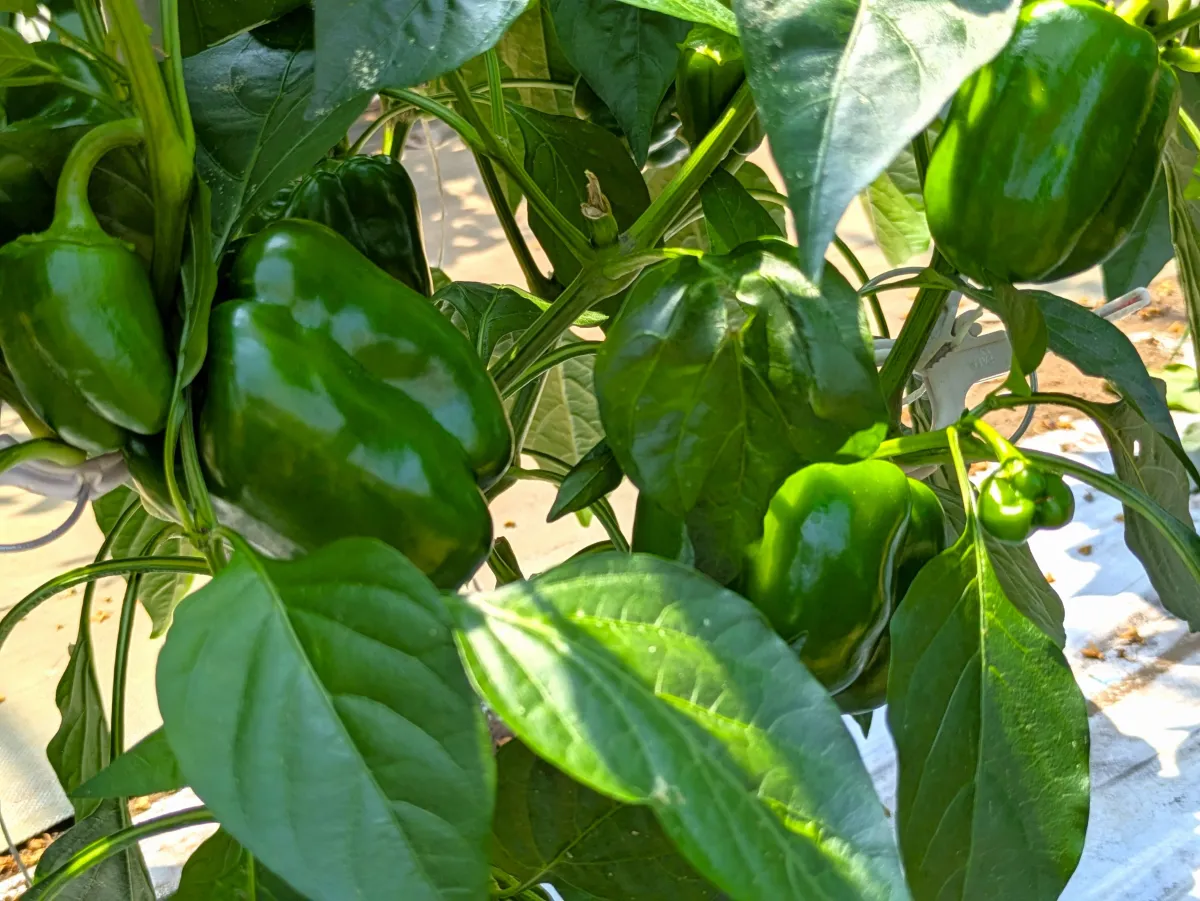
TOWING Co., Ltd., based in Nagoya, Aichi Prefecture, and Daiharu Co., Ltd., a leading produce wholesaler in Tokyo's Ota Market, are joining forces to conduct a test marketing initiative for environmentally friendly vegetables known as 'Sasubeji.' This project utilizes a high-performance biochar known as 'Soratan' to cultivate vegetables while minimizing environmental impact.
The pursuit of sustainable farming practices has gained momentum following the successful validation of value-added results from the autumn and winter crop trials in 2025. Building on this success, the 2026 spring and summer planting will see an expansion of cultivation areas and vegetable varieties, further enhancing market insights. This initiative is part of the Tokyo Metropolitan Government's 'Promotion of Carbon Credit Creation through Absorption and Removal' program, which supports projects that concentrate on carbon reduction in the agricultural sector.
Background
Established in 1949, Daiharu has been at the forefront of the wholesale produce market in Tokyo, focusing on branding local vegetables as early as 30 years ago. The company founded the Tokyo Vegetable Promotion Association in 2016 and registered the trademark 'Tokyo Vegetable' in 2017, enhancing the recognition and value of local produce. With a robust logistics network that ensures direct deliveries and meticulous quality control through cold chain facilities, Daiharu has consistently provided high-quality, premium products while fostering strong relationships with producers.
Since forming a business partnership with TOWING in 2022, Daiharu has been implementing Soratan into urban farmland. Following the approval of the Tokyo government's carbon credit initiative, the companies have accelerated their efforts to market 'Tokyo Vegetables' cultivated with Soratan as 'Sasubeji,' effectively shortening transportation distances and reducing CO2 emissions through biochar, thus boosting product value. The approach has led to transactions that often outprice alternatives from other regions.
This initiative is not just about producing vegetables; it is about transforming environmentally friendly agricultural practices into added value. The goal is to develop a marketplace where products can be sold at fair prices, reflecting their sustainability, thereby allowing farmers to confidently engage in sustainable crop production. The incorporation of Soratan is expected to improve yield and quality while reducing the reliance on chemical fertilizers, promoting a more resilient and sustainable agricultural production framework.
Timeline of Development
- - August 2025: Selected for the carbon credit project, outreach begins to producers within Tokyo's Kiyose City.
- - December 2025: Commencement of cultivating Mizuna, Komatsuna, and Chingensai using Soratan in Kiyose City.
- - February to March 2026: Launch of Sasubeji in supermarkets and restaurants across Tokyo.
- - February to May 2026: Expansion of cultivation areas to Higashimurayama, Chofu, Mitaka, and Kunitachi cities.
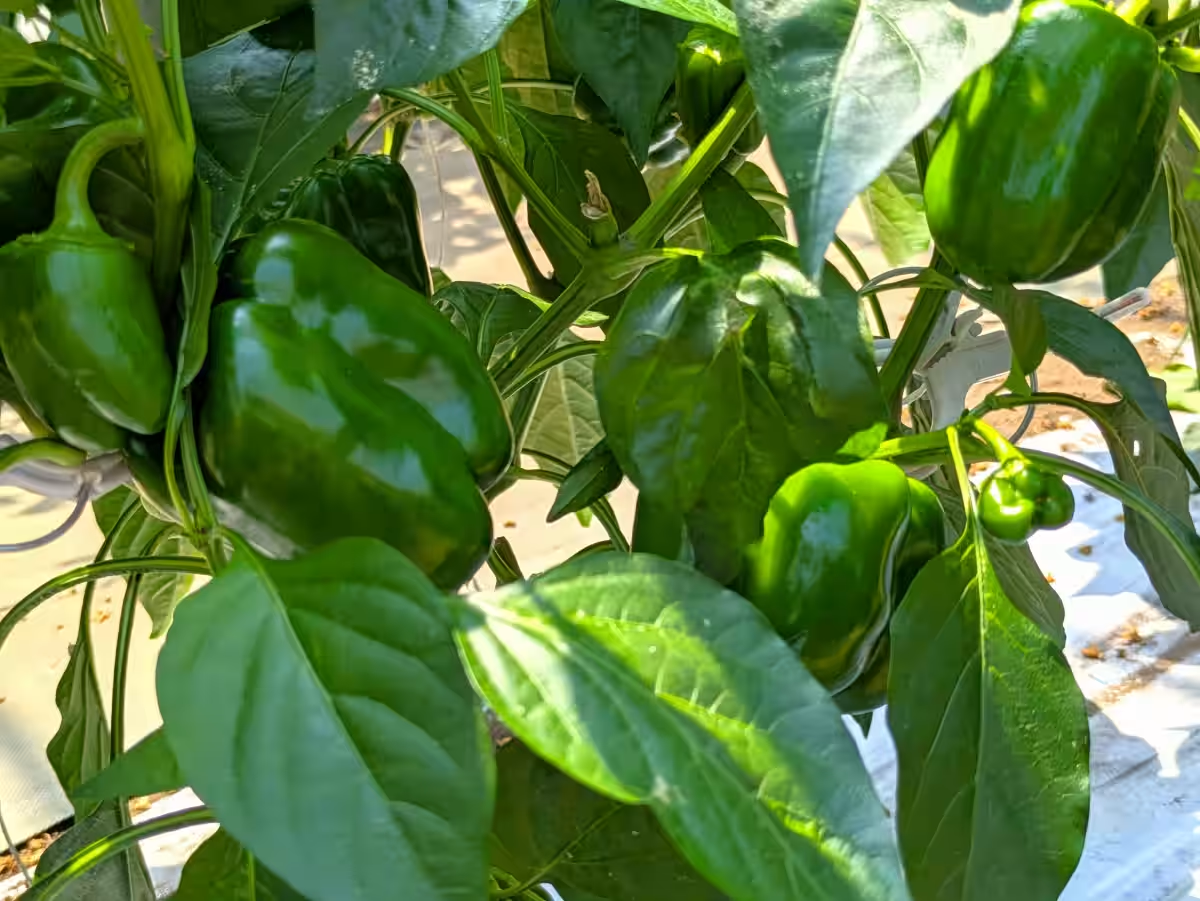
- - June 2026 onwards: Begin harvesting summer vegetables, including peppers and eggplants.
Measured Outcomes
The results from the autumn and winter crop trials have been promising:
- - Sales volume recorded 1,584 packs of Mizuna, 390 packs of Komatsuna, and 1,420 packs of Chingensai.
- - Farmers saw an increase in revenue compared to regular products: Mizuna +16%, Komatsuna +20%, and Chingensai +15%.
- - Retail prices also climbed, showing: Mizuna +39%, Komatsuna +46%, and Chingensai +7%.
- - Fields treated with Soratan have exhibited a yield increase of 1.3 to 1.4 times compared to traditional methods.
For the spring and summer crop, sales figures indicate: 12,421 packs of Mizuna, 715 packs of Komatsuna, 2,620 packs of Chingensai, alongside a variety of other vegetables.
Future Plans
TOWING and Daiharu aim to continue expanding the cultivated areas and types of vegetables offered. They are focused on establishing a year-round supply system for local retail and food service chains, enhancing their presence in the market. There will also be ongoing validation of the income-enhancing effects of using Soratan, pushing for the social implementation of sustainable agricultural production models.
About Soratan
Soratan is a groundbreaking agricultural material combining TOWING's proprietary biochar pre-treatment and microbial cultivation technologies with cutting-edge research from the National Agriculture and Food Research Organization. It enhances soil health, encourages reduced chemical fertilizer use, and meets the needs of a modern farming approach designed for sustainable production. The application of Soratan also contributes to carbon sequestration and the reduction of greenhouse gases through the upcycling of local unused biomass.
Companies Involved
TOWING
Founded in February 2020, TOWING operates with the mission to realize a super-circular society anchored in sustainable and next-generation agriculture. For more details, check their website at towing.co.jp.
Daiharu
Daiharu, established in 1949, specializes in wholesale produce, focusing on sustainable practices and innovative distribution strategies. For more information, visit daiharu.co.jp.
Topics Consumer Technology)
【About Using Articles】
You can freely use the title and article content by linking to the page where the article is posted.
※ Images cannot be used.
【About Links】
Links are free to use.