




Understanding Consumer Insights Using Neuroscience for Sales and Marketing Strategies
Introduction
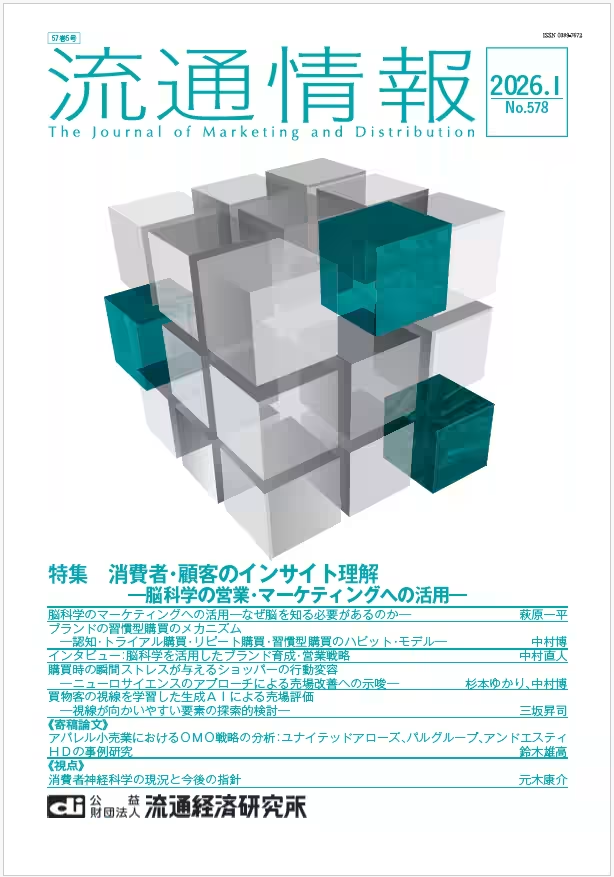
In the rapidly evolving landscape of marketing and sales, understanding consumer behavior has become more critical than ever. The recent release of the January 2026 issue of "Distribution Information," published by the Research Institute of Distribution Economy, explores the intersection of neuroscience and marketing strategies, shedding light on how consumer insights can be enhanced through scientific understanding. This special feature titled "Understanding Consumer Insights: Utilizing Neuroscience for Sales and Marketing" offers new perspectives in the wake of advancements in generative AI and behavioral economics.
Neuroscience's Role in Marketing
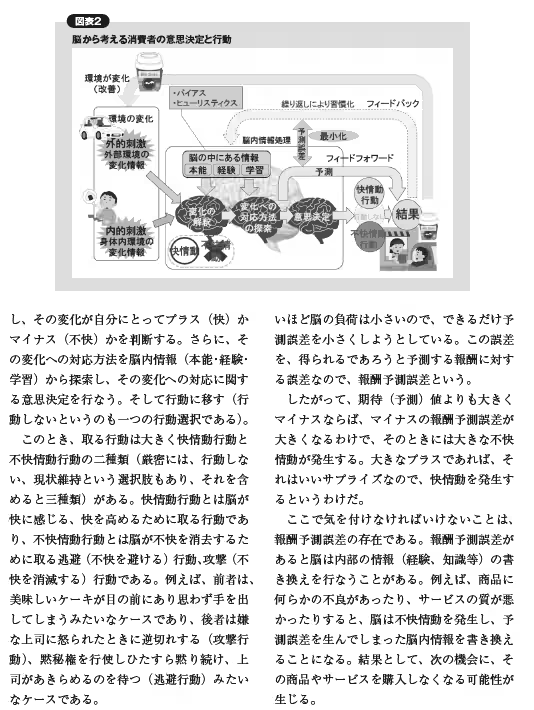
The heart of the issue revolves around the significance of comprehending our brains to improve marketing strategies. The integration of neuroscience into the marketing realm sheds light on the mechanisms behind consumer habits. By examining aspects such as cognitive processes, trial purchasing, repeat buying, and habitual purchasing, the report presents a comprehensive understanding of consumer behavior that is rooted in scientific research.
Key Insights from the Report
The issue comprises seven papers and interviews that delve deeper into various dimensions of consumer neuroscience, from stress during purchasing to the visual cues that engage shoppers. Here's an overview of selected topics that are discussed:
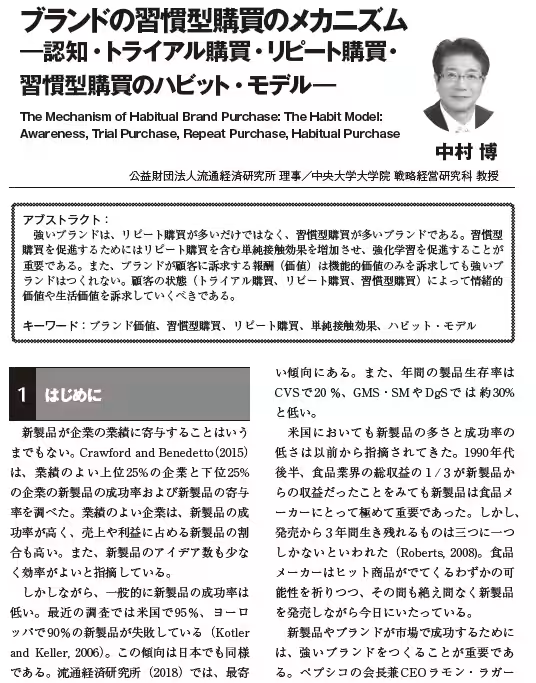
1. The Mechanism of Habitual Purchasing: An article highlights the habitual purchasing behavior of brands, focusing on how cognition influences not just the initial purchase but also the likelihood of repeat purchases.
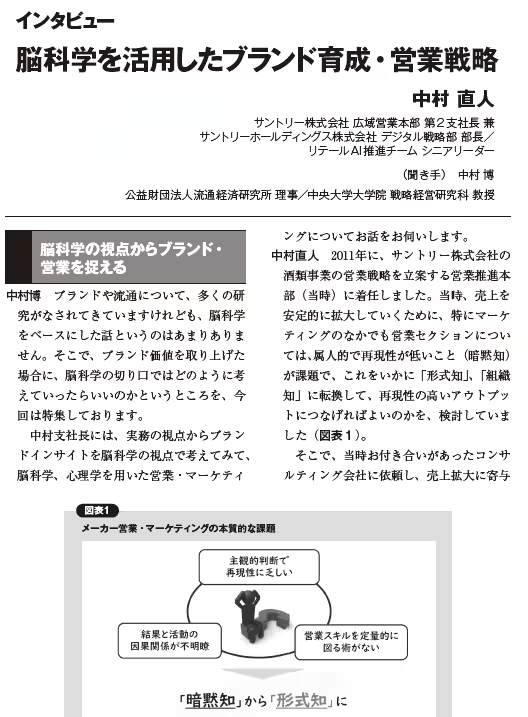
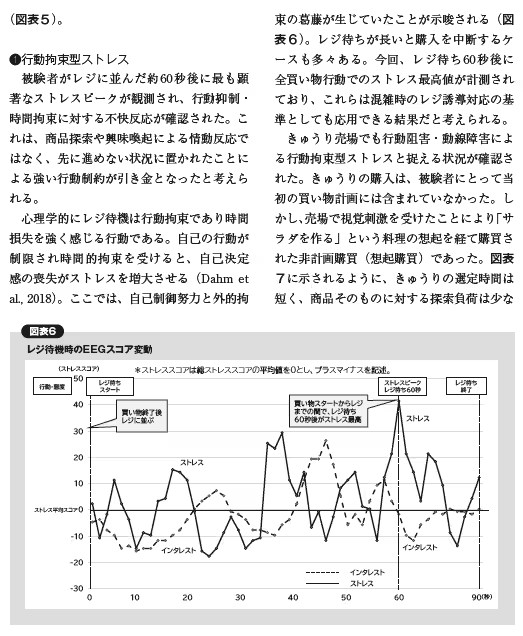
2. Sales Strategies Using Neuroscience: An interview with industry leaders emphasizes the importance of adopting neuroscience in brand development and sales tactics. Insights into shopper behavior changes due to momentary stress are discussed, revealing how emotional responses can drastically affect purchasing decisions.
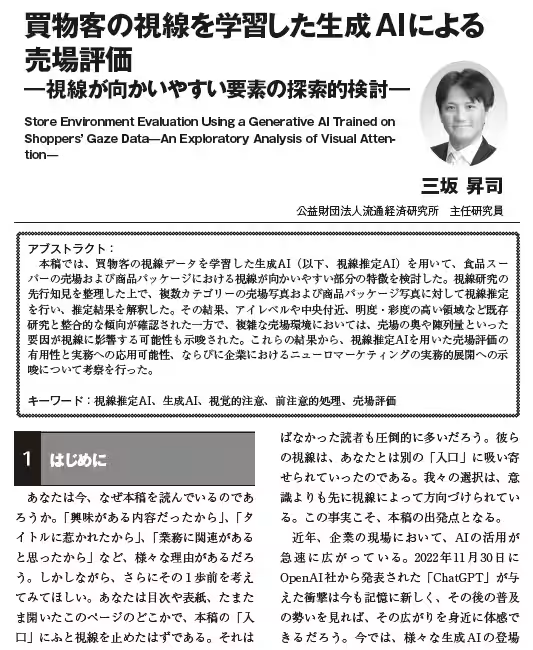
3. AI Learning from Shopper Behavior: An exploration into how generative AI can analyze shopper gazes to evaluate store layouts, shedding light on the elements that attract consumers’ attention and drive sales.
Expert Contributions
Notable contributors to this edition include experts from academic and professional backgrounds, such as:
- - Ippei Hagiwara, Executive Director, Applied Neuroscience Consortium, and Fellow at NTT Data Management Institute, who discusses why it is crucial to understand the brain in marketing.
- - Hiroshi Nakamura, Professor at Chuo University, who provides an analysis of the habitual purchasing framework, contributing to the understanding of consumer behavior from a marketing perspective.
- - Naoto Nakamura, Senior Leader of the Retail AI Promotion Team at Suntory, who shares insights on developing brands using neuroscience. His interview elaborates on stress impacts during shopping and how these insights can lead to better store layouts.
Future Directions
The report also includes a viewpoint on consumer neuroeconomics from Kousuke Motoki, a lecturer at the University of Tokyo, who reflects on the field's current state and future direction.
In total, this edition of "Distribution Information" pushes the boundaries of traditional marketing methodologies by emphasizing the need for a scientific backbone in understanding consumer behavior. The insights drawn from neuroscience and behavioral economics are presented as invaluable tools for businesses looking to differentiate themselves in a competitive market.
Conclusion
As businesses continue to adapt to evolving consumer needs, integrating neuroscience within marketing strategies is no longer optional but essential. The January 2026 issue of "Distribution Information" is a must-read for marketers, researchers, and anyone involved in consumer goods and retail, aiming to grasp the nuances of consumer decision-making from a scientific perspective.
About the Publication
"Distribution Information" is a bi-monthly journal that focuses on distribution activities and marketing topics, offering unique content that cannot be found elsewhere. It serves a broad audience, including professionals from various sectors such as food, retail, wholesale, and logistics, as well as researchers and students.
For more information or subscription queries, visit: Distribution Information.


Topics Consumer Technology)
【About Using Articles】
You can freely use the title and article content by linking to the page where the article is posted.
※ Images cannot be used.
【About Links】
Links are free to use.