



Students Changing Job-Seeking Strategies Amid Decreasing Recruitment Figures
Shift in Student Job-Seeking Preferences
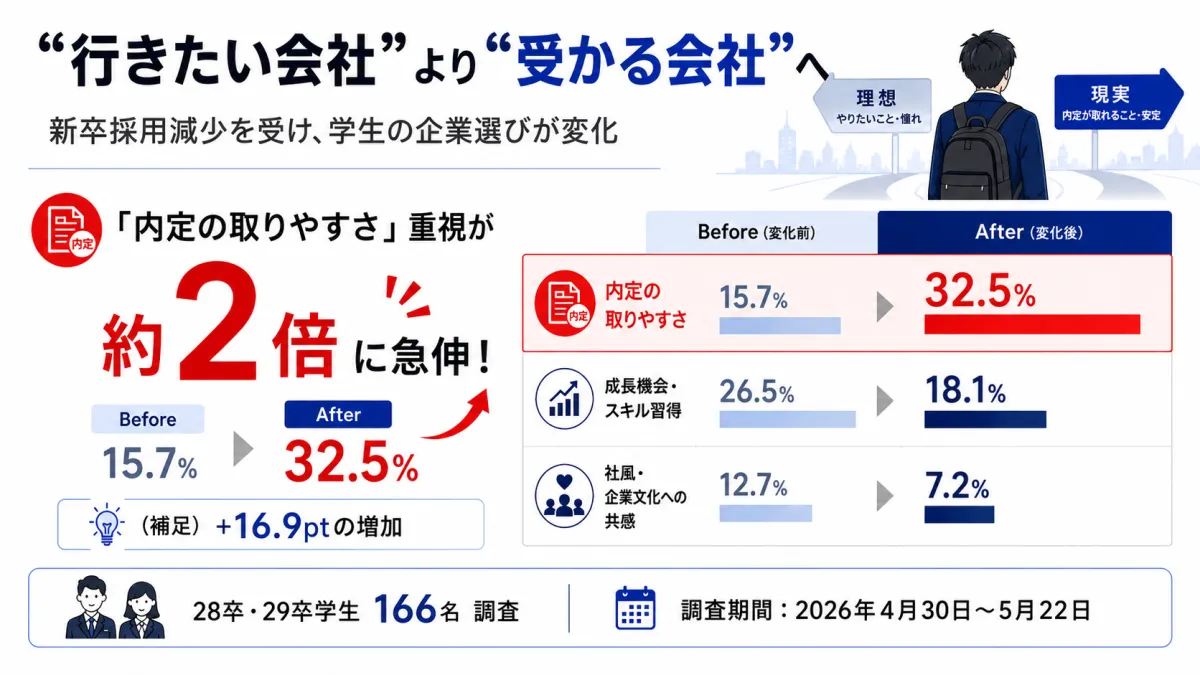
Recent research conducted by Strobolights, a company based in Machida, Tokyo, reveals significant changes in the job-seeking strategies of university students due to a decrease in new graduate hiring. The study surveyed 166 undergraduate and graduate students set to graduate in 2028 and 2029. The findings indicate that, in light of declining recruitment numbers, students are prioritizing their chances of receiving job offers over their original preferences for companies, marking a shift towards a more pragmatic approach in their career pursuits.
Key Findings: Prioritizing Job Offer Ease
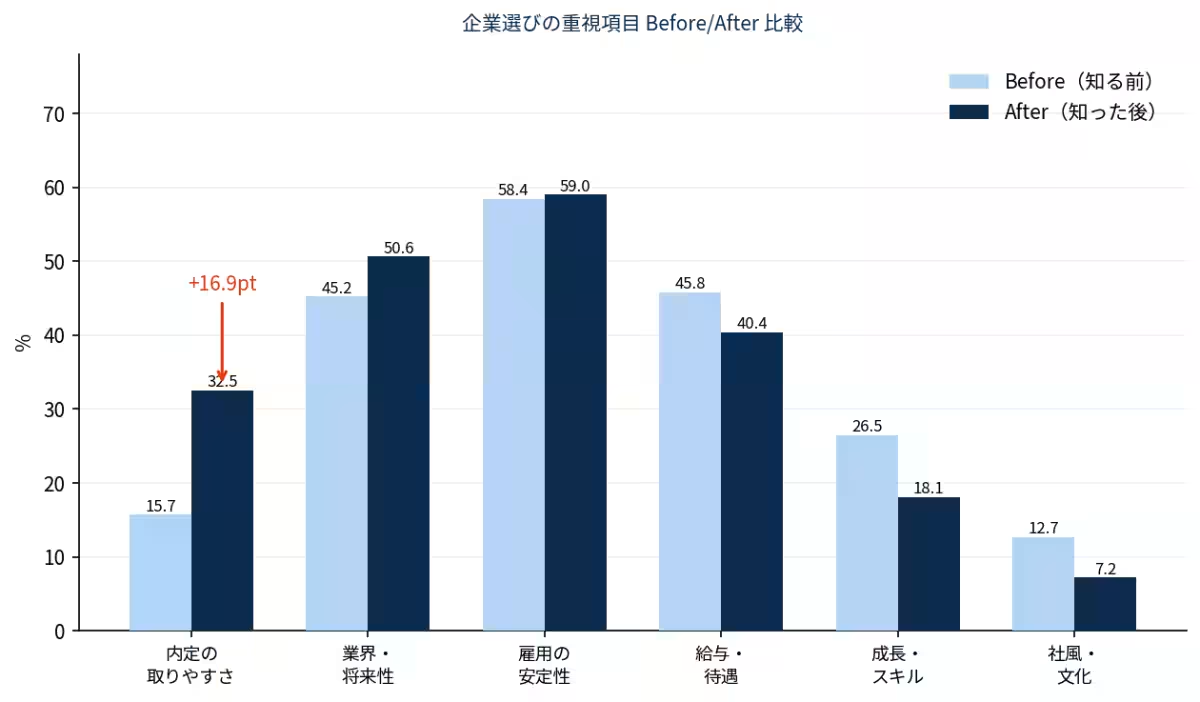
The most striking change noted in the survey is the dramatic increase in students emphasizing the importance of “ease of receiving job offers.” This concern grew from 15.7% to 32.5%, nearly doubling in response to the understanding of a shrinking job market. In comparison, the priority of “employment and management stability” remained steadfast at 59%, underscoring its persistent importance amidst changing dynamics. However, the importance of “opportunities for growth and skill acquisition” has seen a significant decline, dropping by 8.4 points.
This study illustrates a notable trend: students are shifting towards a more realistic job application approach, opting to consider the likelihood of receiving offers rather than merely their company preferences. As recruitment conditions worsen, this trend alters the landscape of student decision-making, reflecting broader societal implications for career orientation.
Analyzing the Shifts Pre and Post Awareness
Another critical insight is the comparison of job-selection priorities before and after students become aware of reduced hiring rates. The top focus — “employment and management stability” — stayed constant, but the dramatic increase in the priority placed on ease of job offers highlights a fundamental shift in attitude. Specifically, this shift urges students to prioritize companies where they feel more likely to gain employment rather than solely those they aspire to join.
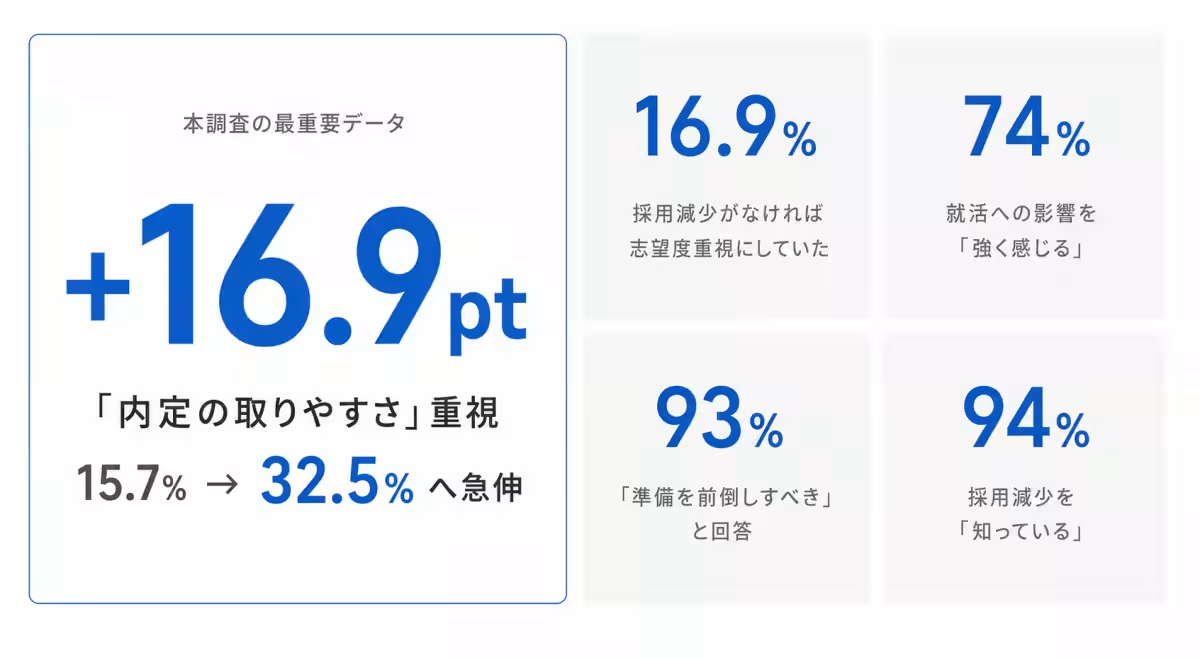
Moreover, 16.9% of participants indicated that they would have prioritized company desirability if hiring rates had not decreased. This figure rises to 21.1% among students graduating in 2029, highlighting a systemic change in the recruitment landscape that is influencing the true preferences of these students. The recruitment reductions not only reflect corporate strategies but have profound effects on students’ career development and aspirations. These dynamics indicate a need to reevaluate the overall structure of hiring in the current environment.
The Gap Between Ideal and Reality
Although 44.6% of students initially prioritize desirability, the survey revealed a concerning 16.9% of respondents noted they would have stuck to their ideal priorities if hiring was not decreasing. For those graduating in 2029, this sentiment is manifesting even more prominently, reflecting a structural shift in student mindsets. Additionally, a staggering 89.8% anticipate the job market will continue to tighten, intensifying pessimism surrounding employment prospects.
Voices from Students
The survey also captured various student sentiments regarding their job search experiences. Many expressed confusion and frustration over the tumultuous employment environment, reflecting the significant emotional impact of these changes.
- - “I feel like society rejects me because of these sudden changes. Why did this happen in my graduating class?” — Female, Liberal Arts, 2028 Graduate
- - “I’m anxious but trying to turn this situation into a positive outcome by finding a great company.” — Male, Liberal Arts, 2029 Graduate
- - “I feel an urge to act quicker than others.” — Female, Liberal Arts, 2029 Graduate
These candid statements shed light on the true emotional backdrop powering the statistics gathered in the study.
Access the Full Report
For those interested, the comprehensive report including data not fully covered here is available for download. It includes essential comparisons of student job-selection factors and detailed analyses of stressors across different fields of study, highlighting the shifts from stability-focused to growth-oriented mindsets influenced by evolving hiring trends.
Final Thoughts from Strobolights
Keiichiro Handa, CEO of Strobolights, commented on the results, suggesting the research indicates a potential slowing of the trend toward large companies among students. This situation may present a unique opportunity for lesser-known firms to attract talent. However, there is concern about companies exploiting the emphasis on ease of securing job offers through misleading practices, potentially leading to high turnover rates and dissatisfaction in the long run. Handa urged companies to prioritize understanding student perspectives in their recruitment strategies, recognizing the importance of matching genuine career aspirations with accessible opportunities.
Topics People & Culture)




【About Using Articles】
You can freely use the title and article content by linking to the page where the article is posted.
※ Images cannot be used.
【About Links】
Links are free to use.