



Indonesia's Collaboration to Solve Early Job Departure Issues for Specific Skilled Workers
Collaborating to Solve Early Job Departure Issues
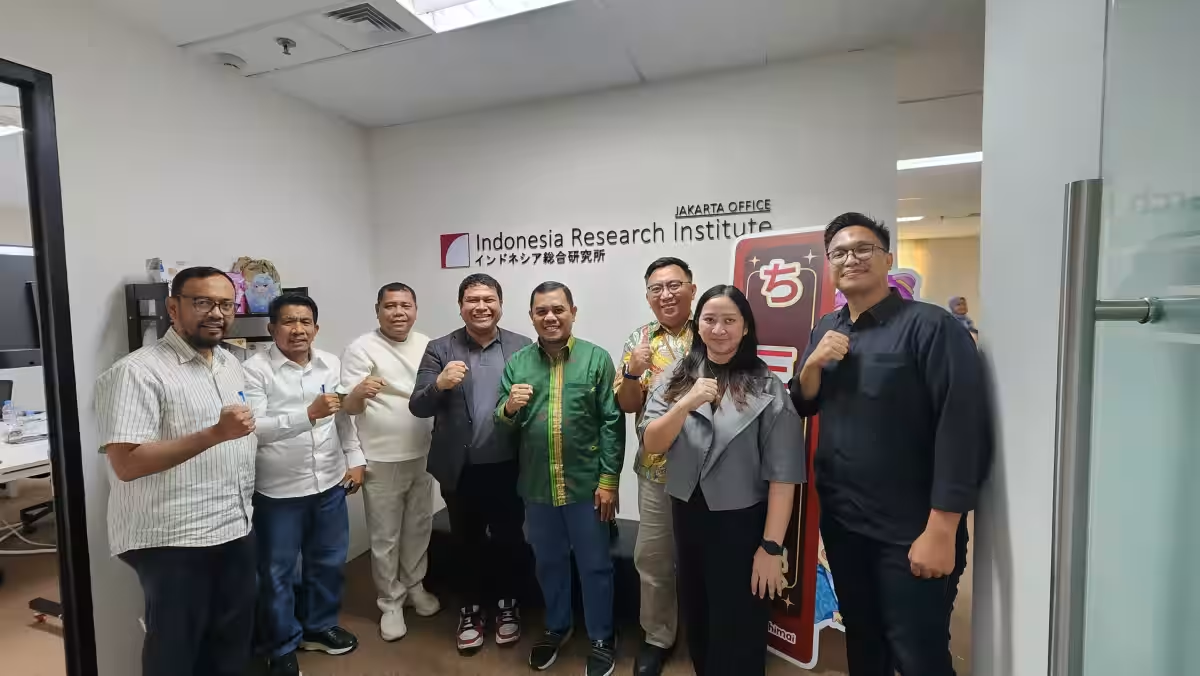
In June 2026, Indonesia's Institute for Comprehensive Research (ICR) based in Shibuya, Tokyo, announced a groundbreaking agreement with three prominent local governments in West Nusa Tenggara (NTB) province, South Tangerang City, and Buton County. This initiative aims to address the prevalent issue of early job departures among skilled workers, particularly those involved in specific skilled labor roles in Japan. The collaboration combines public authority and education to create a new labor infrastructure, eliminating the influence of unscrupulous brokers and enabling Japanese companies to securely welcome long-term employees.
Background: A Pressing Challenge for Japanese Businesses
Japan is currently facing a severe labor shortage across various sectors, including caregiving, construction, transportation, manufacturing, and fish processing. As the nation turns its eyes toward Indonesian skilled workers to mitigate this shortfall, Japanese companies have voiced serious concerns. Employers often find themselves frustrated over the costly recruitment investments made, only to lose contact with hires just months after arrival. Stories of workers receiving unsolicited offers from unfamiliar firms, leading to sudden resignations, have become alarmingly common. Many companies now consider the recruitment of foreign workers a gamble with uncertain outcomes.
ICR aims to solve these structural challenges not merely by acting as a sending agency but by offering a comprehensive approach that integrates the authority of local governments and educational institutions to ensure that Japanese firms can navigate this process with confidence.
The Structural Causes of Early Departures: A Vicious Cycle Created by Brokers
The phenomenon of early job departures by international workers from Indonesia is not random; it stems from organized structural issues within the recruitment systems. The presence of exploitative brokers is a significant factor. These middlemen demand excessive fees for necessary expenses related to working in Japan—including training, documentation, and travel costs—resulting in heavy debts for job seekers. This creates ongoing psychological pressure for these individuals to seek better job conditions.
Additionally, there are “headhunters” operating through social media who prey on these vulnerable workers, luring them with promises of higher salaries or easier working environments. Each time a worker switches jobs, the sending agency receives a new referral fee, perpetuating a cycle where no one has an incentive to stop the turnover trend.
Consequently, companies continue to incur recruitment costs, while their workplaces remain under-staffed. To break this cycle, ICR has proactively engaged with local governments in Indonesia to fundamentally alter this framework.
Framework of Cooperation with Three Indonesian Local Governments
West Nusa Tenggara (NTB) Province: Targeting Mismatches from the Start
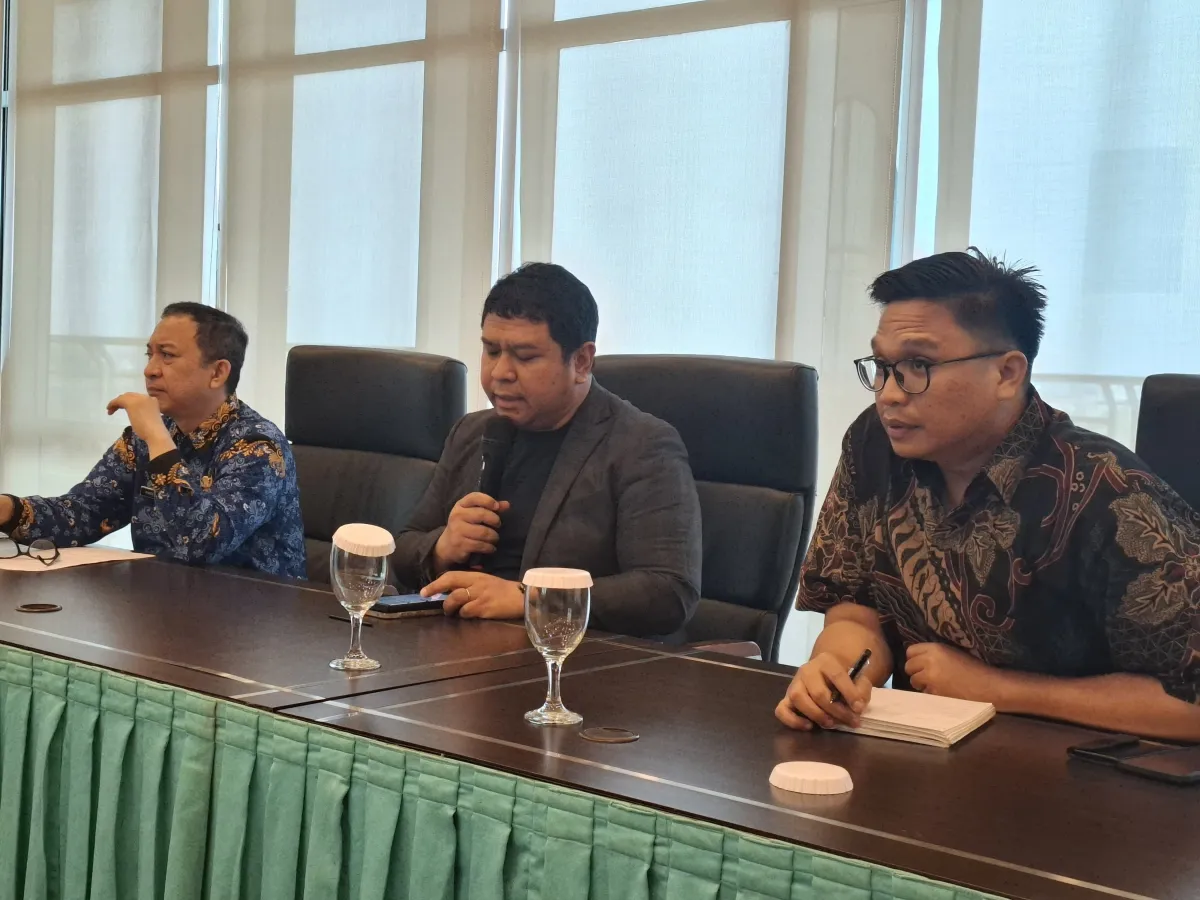
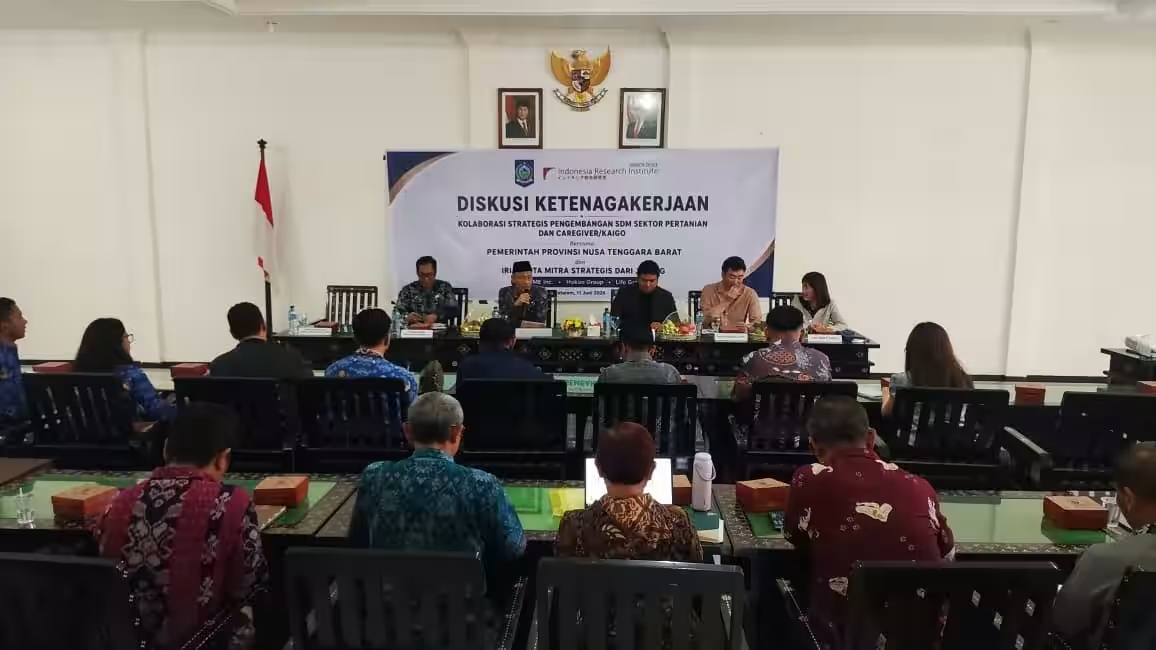
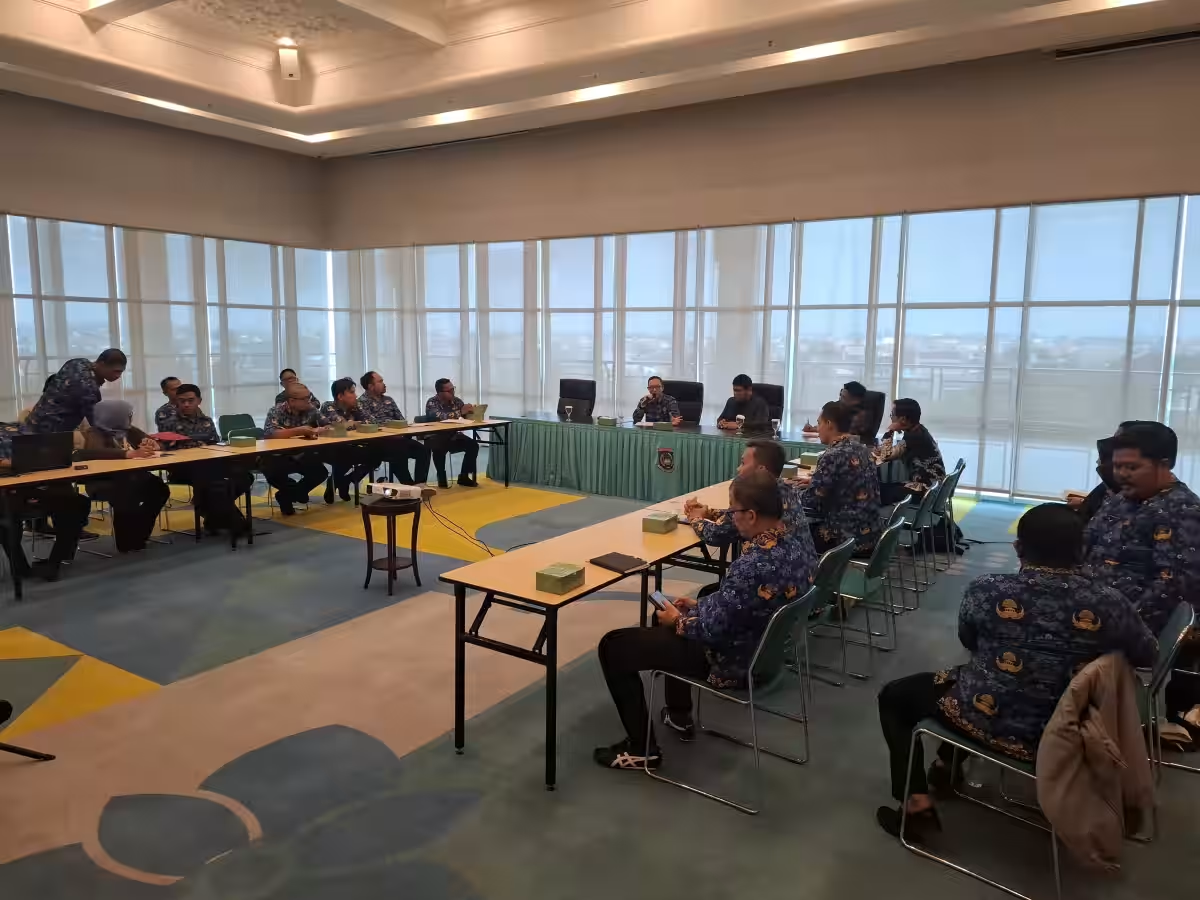
In late June 2026, ICR convened responsible officers from various departments of the NTB provincial government to discuss the new collaboration. Known for producing a significant number of international workers, the previous recruitment method merely involved collecting local talent and conducting interviews. The new model synchronizes Japanese companies' requirements and corporate culture into the recruitment strategy from the outset, with local government screening candidates before interviews. This innovative approach aims to prevent mismatches after arrival, allowing Japanese firms to focus on preparation for receiving personnel.
South Tangerang City: Zero-Cost Travel and Career Roadmaps for Skilled Workers
In the same meetings, collaboration between local authorities resulted in a unique solution where potential workers can benefit from
Topics Consumer Products & Retail)
【About Using Articles】
You can freely use the title and article content by linking to the page where the article is posted.
※ Images cannot be used.
【About Links】
Links are free to use.