



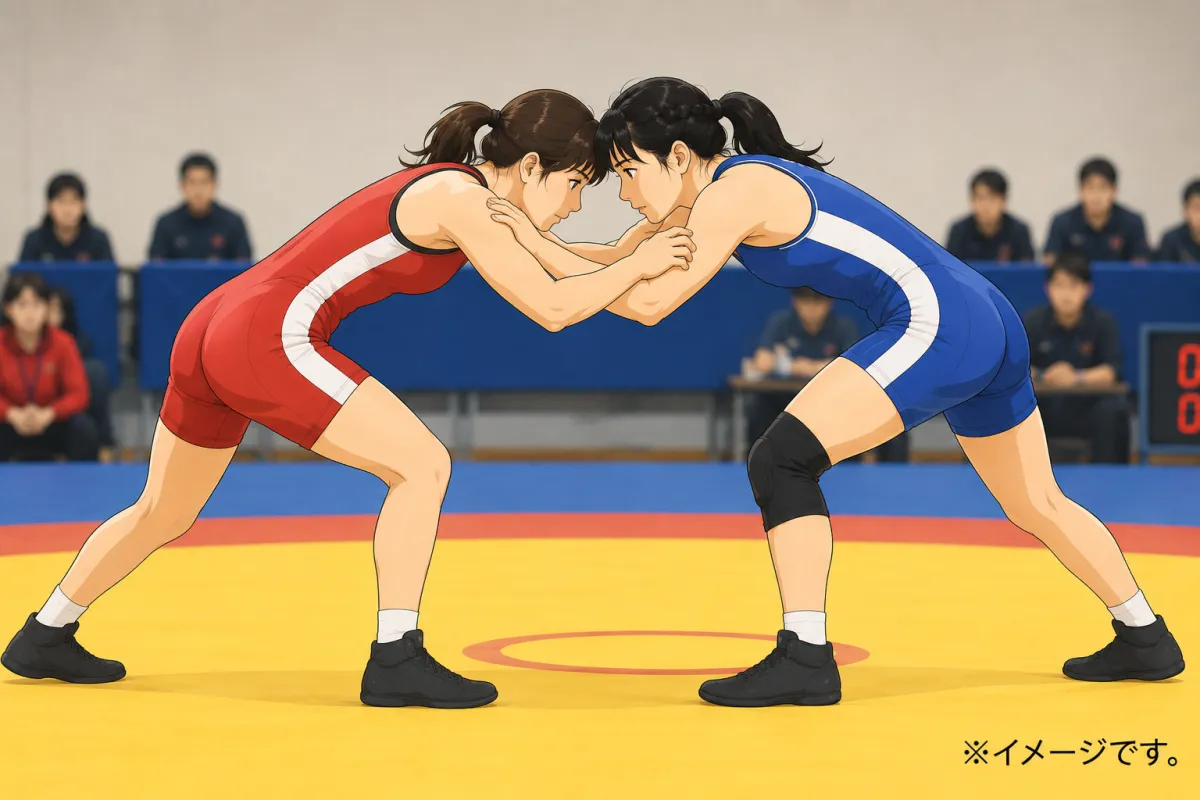
Women in Combat Sports Experience Urinary Incontinence Despite Their Athletic Prowess
Unveiling a Hidden Challenge in Women’s Combat Sports
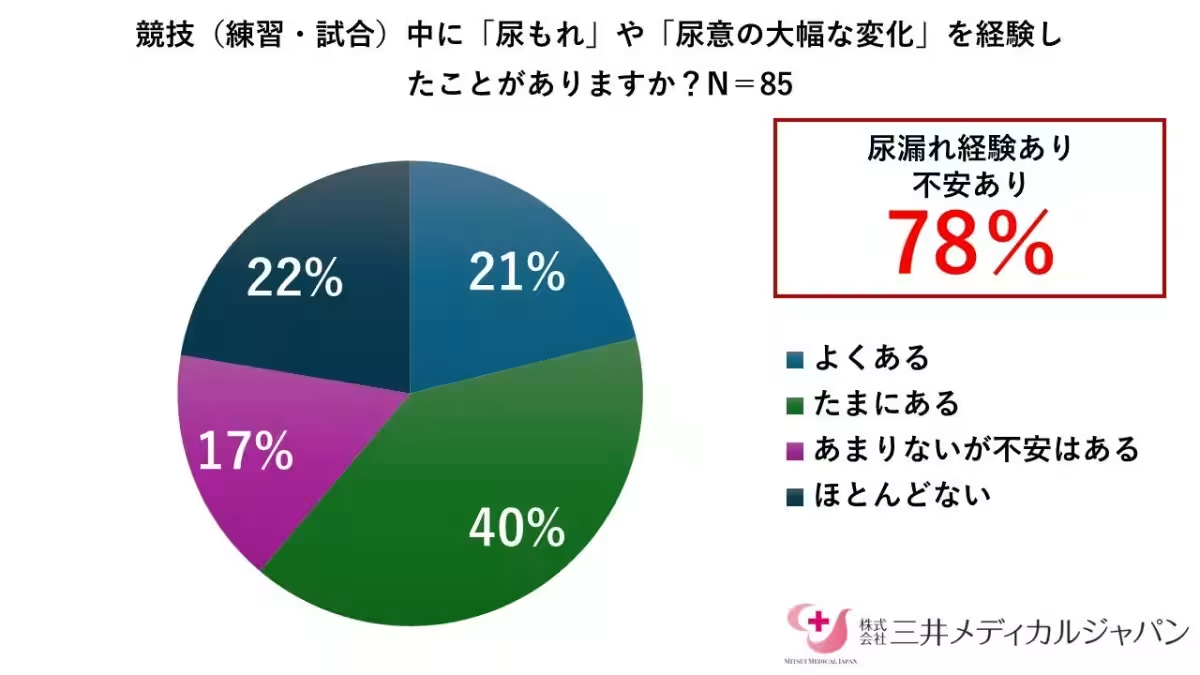
In a groundbreaking survey conducted by Mitsui Medical Japan, a medical device company based in Tokyo, concerning the challenges faced by female athletes in combat sports like judo, wrestling, Brazilian jiu-jitsu, and MMA, it was unveiled that a staggering 78% of participants reported experiencing urinary incontinence (UI) or anxiety related to urinary control during competitions. This study, involving 85 active female athletes, highlights the pressing need for awareness and solutions tailored to this overlooked issue.
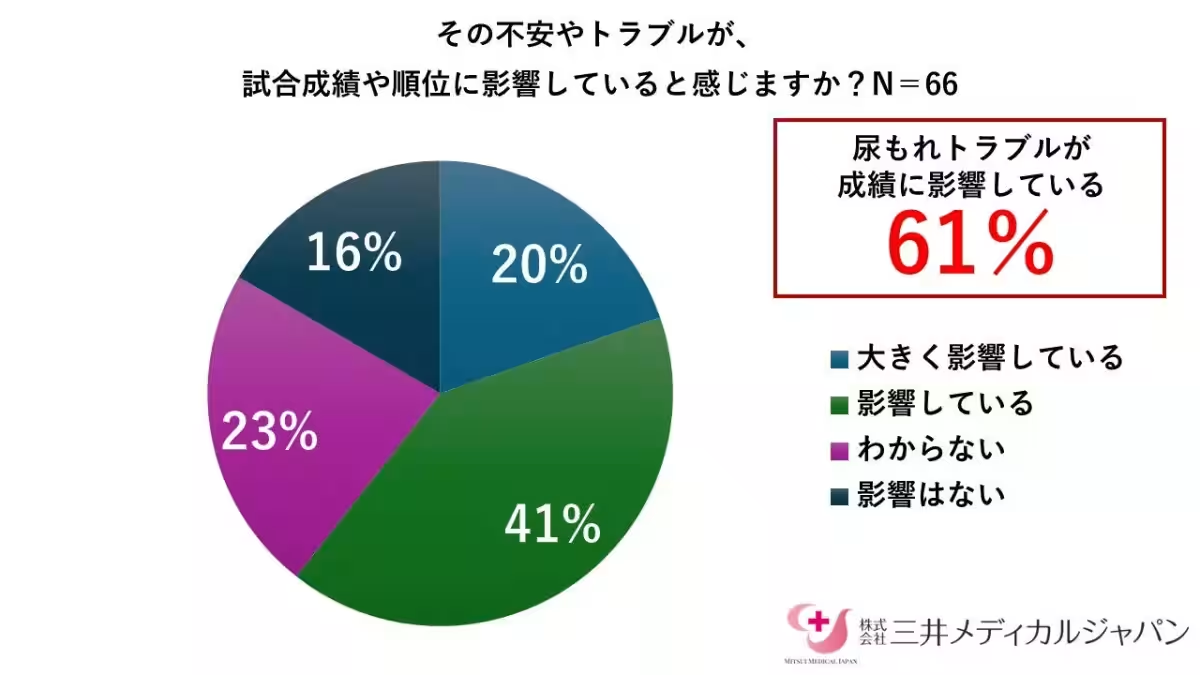
As the summer competition season heats up with major events like the All Japan Student Wrestling Championships, athletes revealed that not only do they face physical challenges, but many contend with personal health concerns that could significantly affect their performance and mental well-being. The survey results indicate that 61% of those who reported UI believed that it negatively impacted their competition results and rankings.
Frequency and Triggers of Urinary Incontinence
The survey further dissected the conditions under which these women experienced UI. When asked, 21% of respondents indicated that UI was 'common,' while 40% admitted to experiencing it 'occasionally.' A noteworthy 16% expressed having infrequent issues but maintained a worry over the potential for UI to occur during competitions.
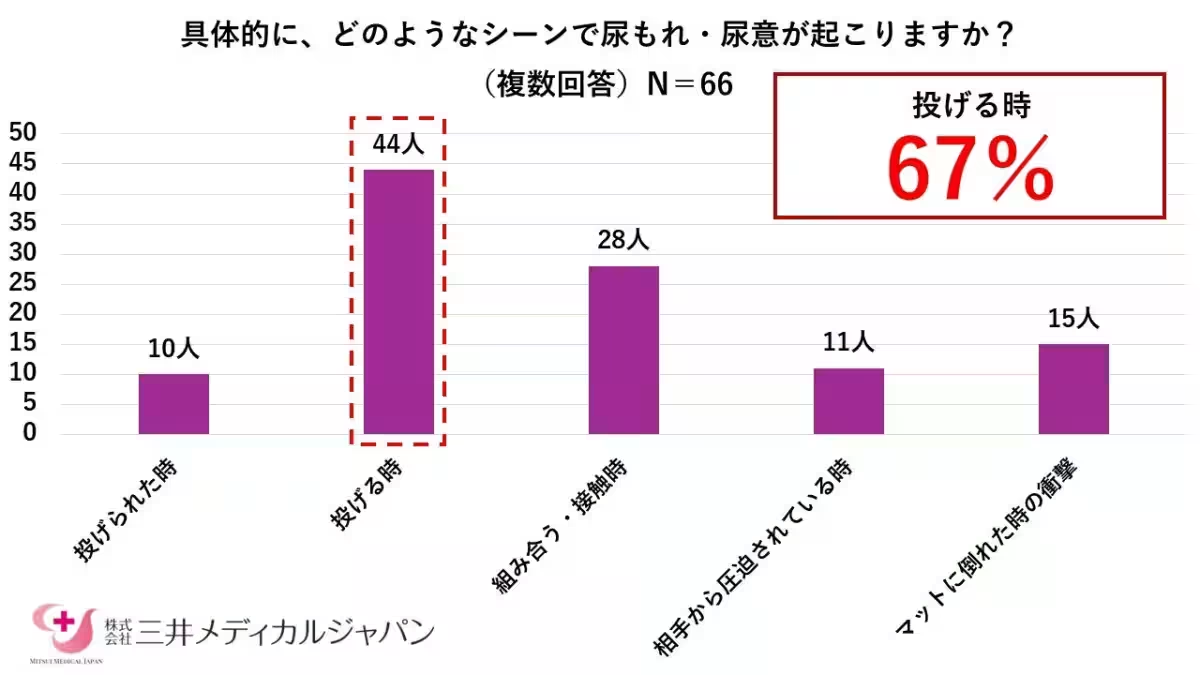
The mechanics of combat sports often involve high abdominal pressure situations—such as executing throws, grappling, or receiving impactful blows—which are moments when UI is more likely to occur. Among those who experienced UI, a significant 67% reported that it most often occurred when throwing an opponent, followed by 42% during grappling, and 23% upon impact with the mat.
Psychological and Performance Implications
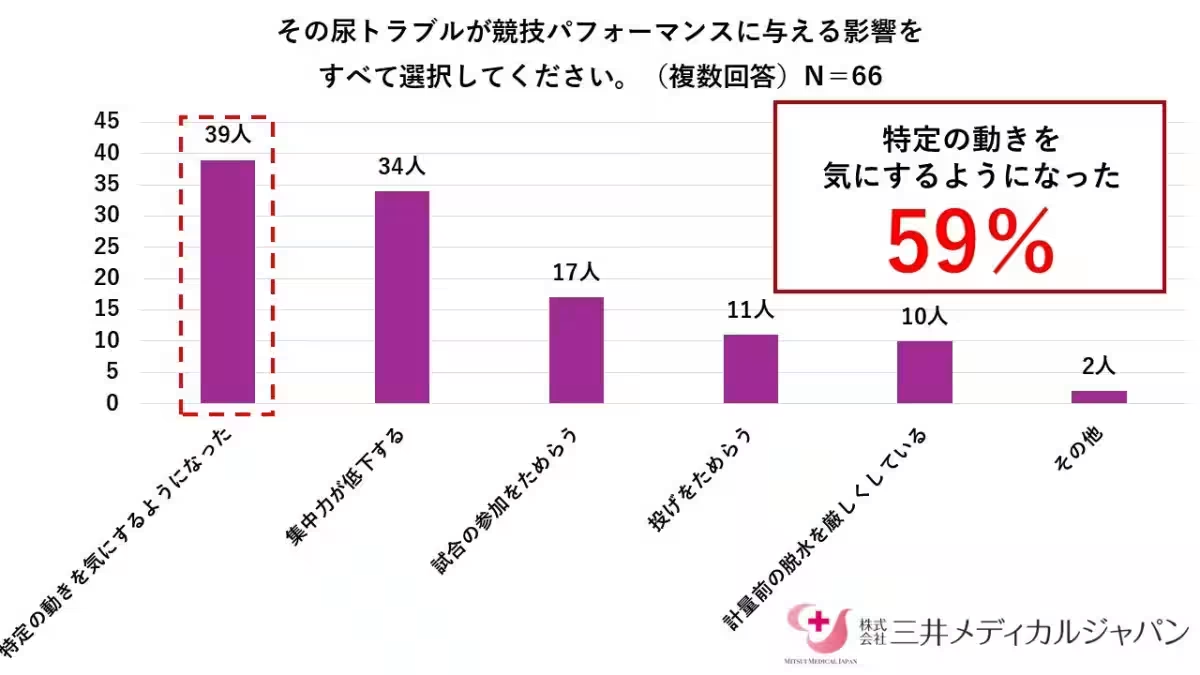
Of those affected, 61% agreed that concerns regarding UI had repercussions on their performance—20% felt that it 'greatly affected' their outcomes while 41% said it had 'some impact.' Moreover, the psychological burden was evident, with 59% stating that they adjusted their movements to avoid triggering UI, and 52% reported decreased concentration levels during bouts. This highlights the essential interconnection between physical health and competitive performance.
Coping Mechanisms and Support Systems
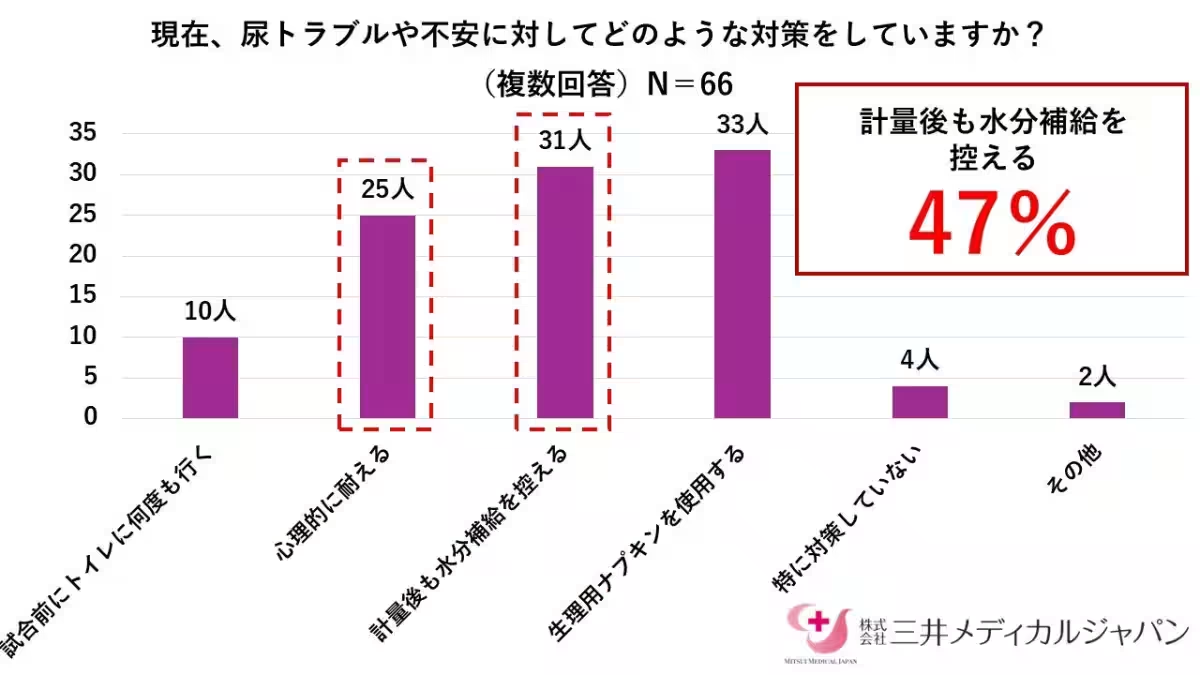
In terms of coping strategies, the study revealed that 50% of women use sanitary pads, while almost half restrict fluid intake post-weigh-in—a potential risk for dehydration. Additionally, some athletes reported simply enduring the discomfort psychologically, which can be detrimental not only to their sport performance but their overall quality of life.
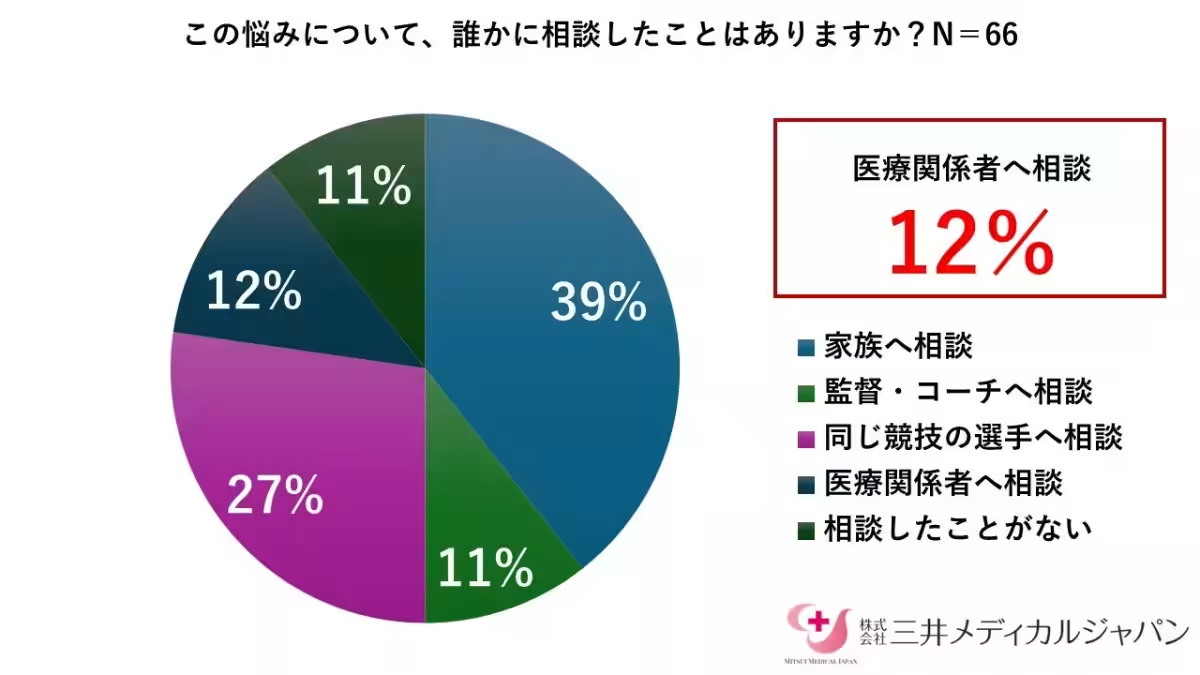
Surprisingly, while 39% sought advice from family about their concerns, less than 12% turned to medical professionals for guidance, indicating a gap in appropriate support and resources for these athletes. This points to an urgency for both athletes and support systems to initiate conversations about UI openly.
Interest in Innovative Solutions
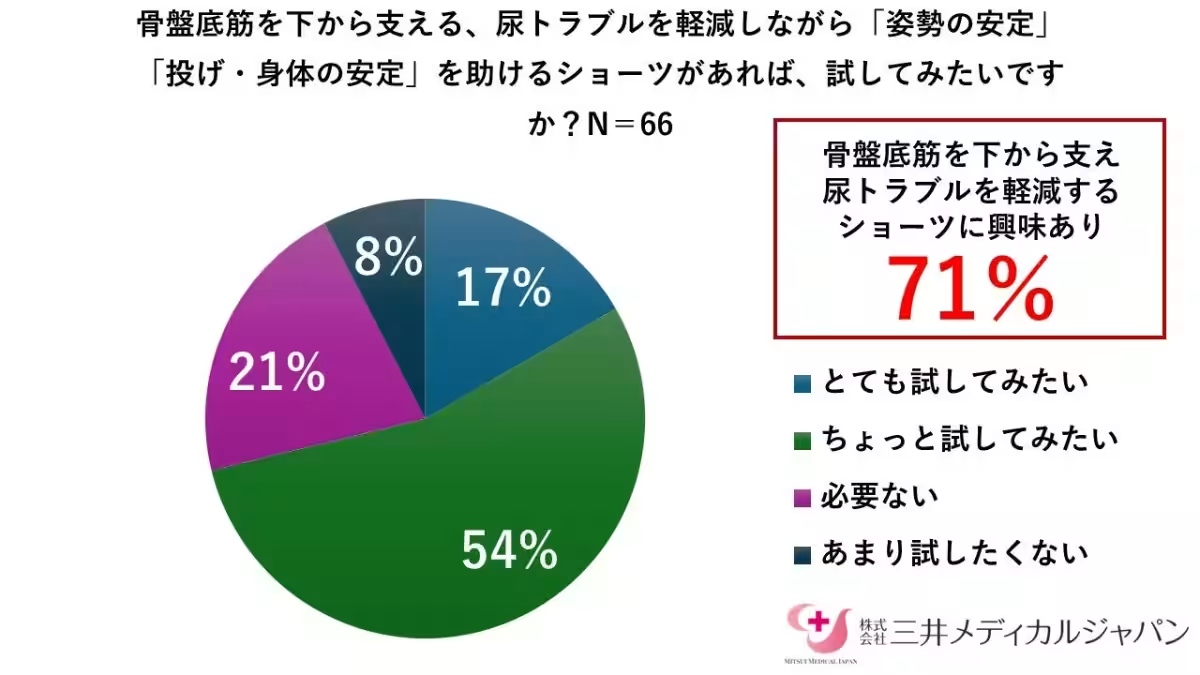
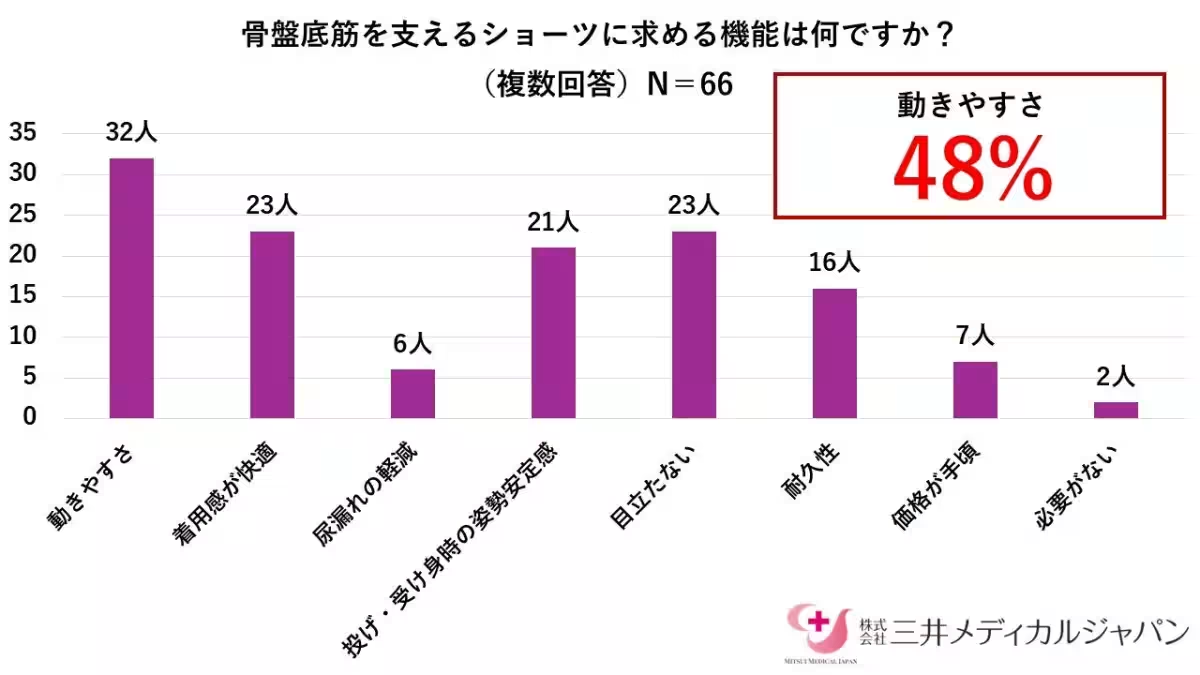
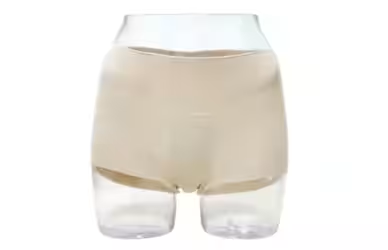
Interestingly, the survey also unveiled that 71% of respondents expressed interest in products designed to provide pelvic floor support, such as specialized underwear, with 'ease of movement' being the top desired feature. Many athletes are eager for innovative solutions that enable them to compete freely without the fear of UI negatively impacting their performance.
Dr. Koichi Nagao, director at Ginza Repro Clinic, underscored the commonality of UI among athletes, revealing the necessity of seeking professional help rather than suffering in silence. This sentiment resonates through the results of the study, encouraging athletes to not only acknowledge their issues but actively pursue suitable medical interventions or specialized products.
Conclusion
Mitsui Medical Japan's study acts as an eye-opener for the sports community, emphasizing that urinary problems among female combat athletes should not be stigmatized or ignored. The health and performance concerns stemming from UI are paramount, and addressing them could well improve not only athletic performance but also the mental and emotional health of these athletes.
As the conversation about women in sports continues to evolve, advocacy for greater awareness and product development directed at supporting athletes with unique medical needs is more necessary than ever. Creating a supportive environment where combat sports athletes can thrive, free from the debilitating worry of UI, is essential for fostering a healthy, competitive landscape for women in athletics.


Topics Health)
【About Using Articles】
You can freely use the title and article content by linking to the page where the article is posted.
※ Images cannot be used.
【About Links】
Links are free to use.