



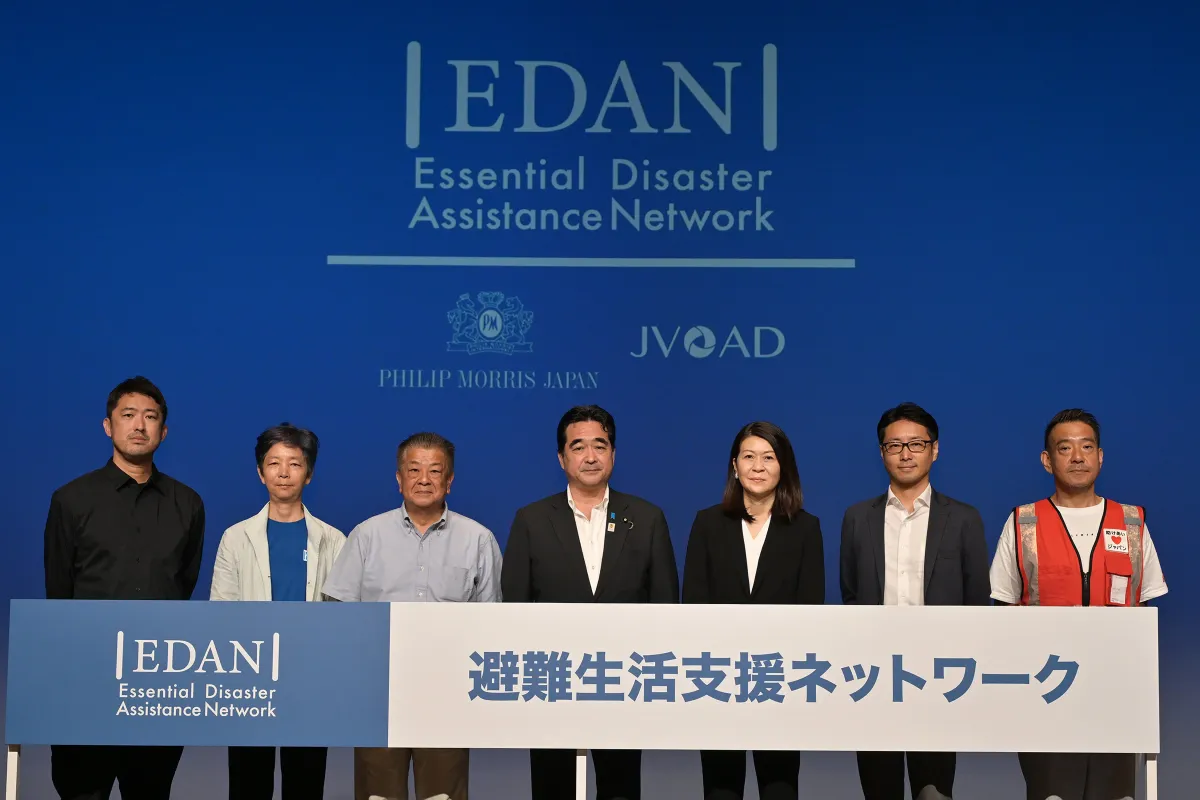
PMJ and JVOAD Launch First Private Disaster Assistance Network EDAN
Japan's Initiative for Disaster Assistance: EDAN
In a pressing and necessary move for disaster preparedness, Philip Morris Japan (PMJ) and the Japan Voluntary Organizations Active in Disaster (JVOAD) have announced the establishment of the Essential Disaster Assistance Network (EDAN) on September 1, 2025. This initiative marks a significant development in Japan's approach to disaster resilience, particularly in bolstering support for evacuation living conditions.
The Context of Emergency Preparedness in Japan
Japan is no stranger to natural disasters, ranging from earthquakes to typhoons that often leave communities reeling. As the nation grapples with these inevitable calamities, the challenges associated with evacuation living conditions remain inadequately addressed. PMJ, acknowledged as a corporate citizen deeply rooted in Japanese society, recognizes the responsibility to confront these hurdles, thereby leading to the inception of EDAN.
What is EDAN?
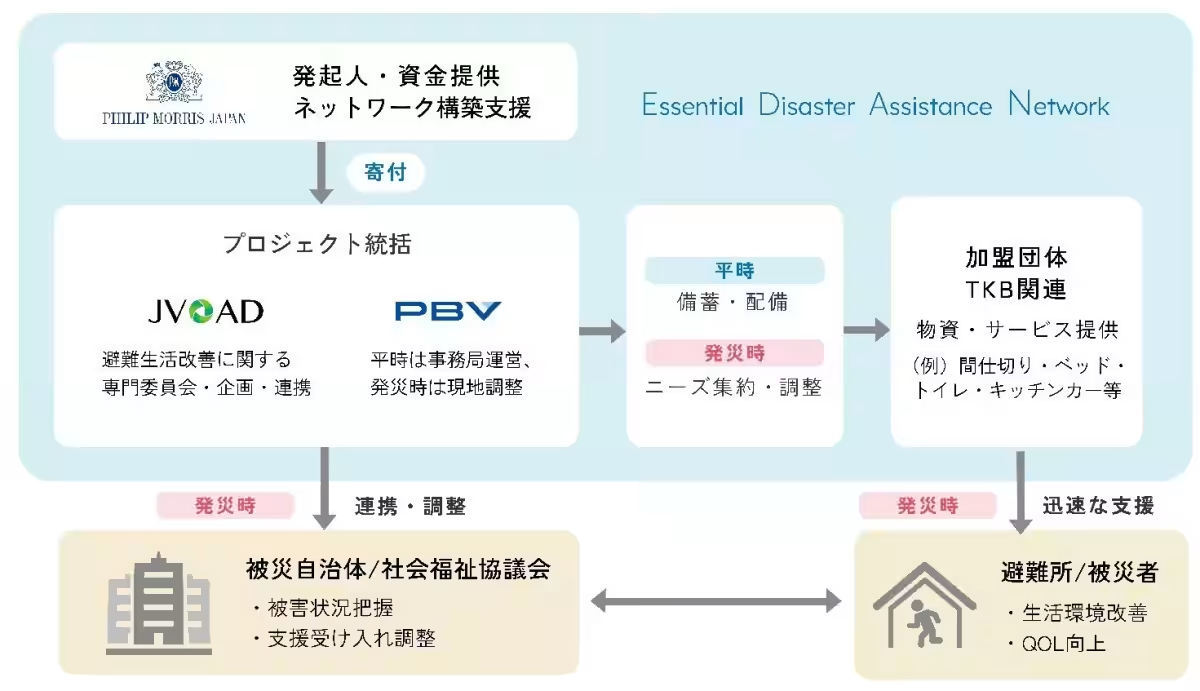
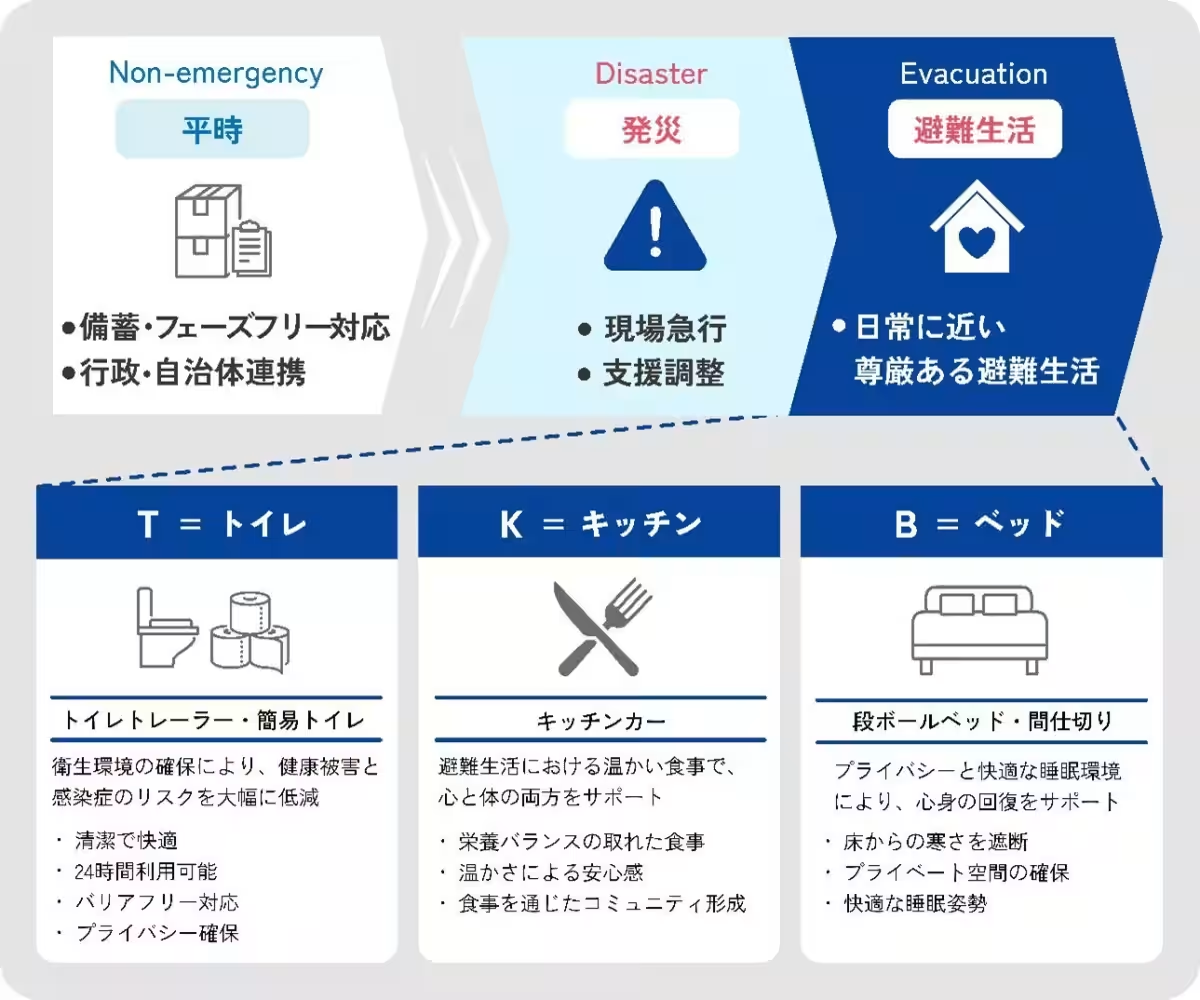
EDAN stands for Essential Disaster Assistance Network, which aims to provide vital resources such as portable toilets, food trucks, and cardboard beds for disaster-affected individuals. The network is designed to maintain a stockpile of essential supplies ready for rapid deployment in the event of a disaster. Collaborating closely with JVOAD and various member organizations, EDAN is set to enhance the support provided during emergencies.
Key players in this network include JVOAD, which will oversee operations, and the Peace Boat Disaster Relief Center (PBV), a non-profit organization that will serve as the secretariat. Together, these organizations will work to ensure that critical evacuation resources are readily available and delivered swiftly, ensuring that no one is left behind during dire circumstances.
The Call for Collaboration
Highlighting the urgency of improved evacuation conditions, Japan has been focusing on reducing disaster-related deaths. In response, the Noto Peninsula Earthquake Countermeasures Verification Committee and the Cabinet Office's basic disaster prevention plan have stressed the need for increased collaboration with private entities during evacuations. Countries like Taiwan and Italy have set successful precedents by partnering with NGOs during large-scale disasters, showcasing the potential benefits of such collaborations.
Through EDAN, PMJ is paving the way for a privately-led initiative tailored specifically to support evacuation conditions in Japan, while simultaneously working alongside governmental efforts to enhance disaster response mechanisms.
Voices of Support
During the announcement event on August 27, various stakeholders, including government officials and representatives from participating NGOs, expressed their enthusiasm. Speaker of the House of Representatives, Manabu Sakai, emphasized the importance of this initiative, congratulating PMJ and JVOAD for their efforts and the specialized knowledge and resources they are providing to improve evacuation living standards. He noted that this collaboration stands as a model for fostering a resilient nation through public-private partnerships.
PMJ’s President, Shelley Go, expressed her elation over launching EDAN, recognizing the critical role of preparedness in maintaining dignity and safety. Her commitment to empowering communities and advocating for innovative solutions to disaster challenges was underscored by her experiences in disaster relief during her previous assignments abroad.
The Future Outlook
As Japan continues to enhance its disaster preparedness framework, EDAN stands as a beacon of hope. Leveraging the combined strengths of PMJ, JVOAD, and other contributing organizations, the network aims to address specific challenges faced during evacuations. Not only does it prioritize the provision of essential resources, but it also fosters a sense of community resilience amid adversity.
With the establishment of EDAN, the future of disaster assistance in Japan looks promising. The collaboration illustrates a strategic shift towards integrating private sector agility with traditional disaster response frameworks, ultimately striving to safeguard the lives and dignity of disaster-affected individuals in Japan.
For more information, visit EDAN's website.
Topics Other)

【About Using Articles】
You can freely use the title and article content by linking to the page where the article is posted.
※ Images cannot be used.
【About Links】
Links are free to use.