



The Future of E-Commerce: Embracing AI-Driven Purchases and Agentic Commerce
Understanding the Rise of AI in E-Commerce
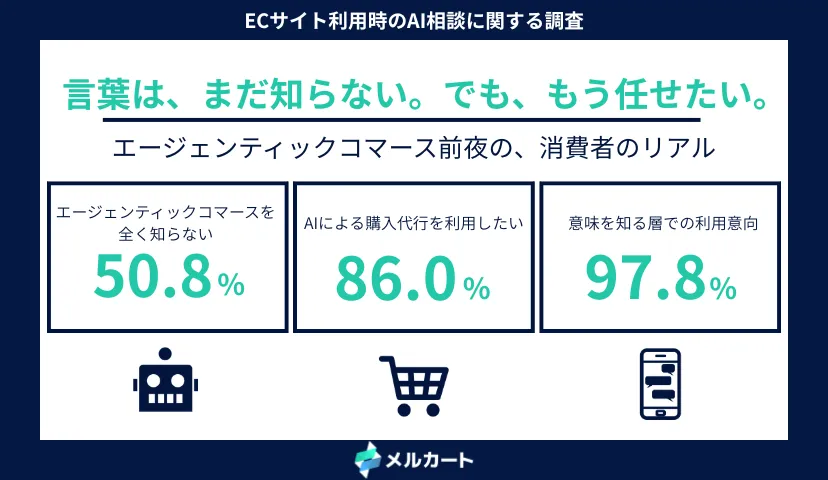
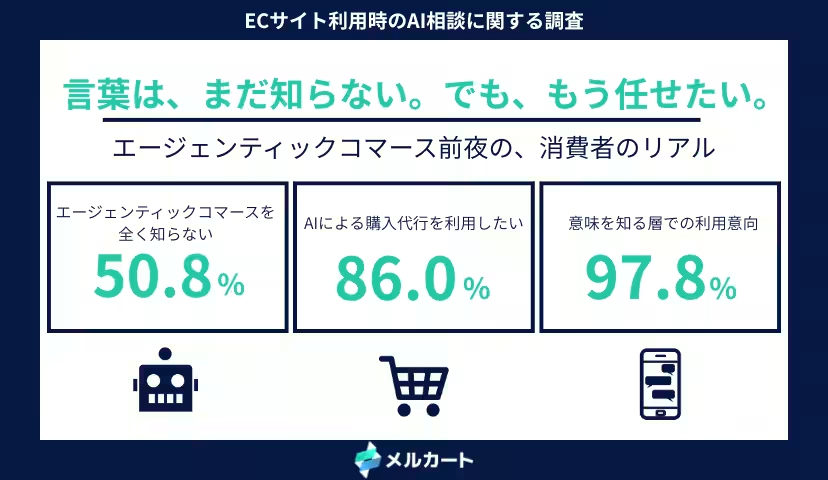
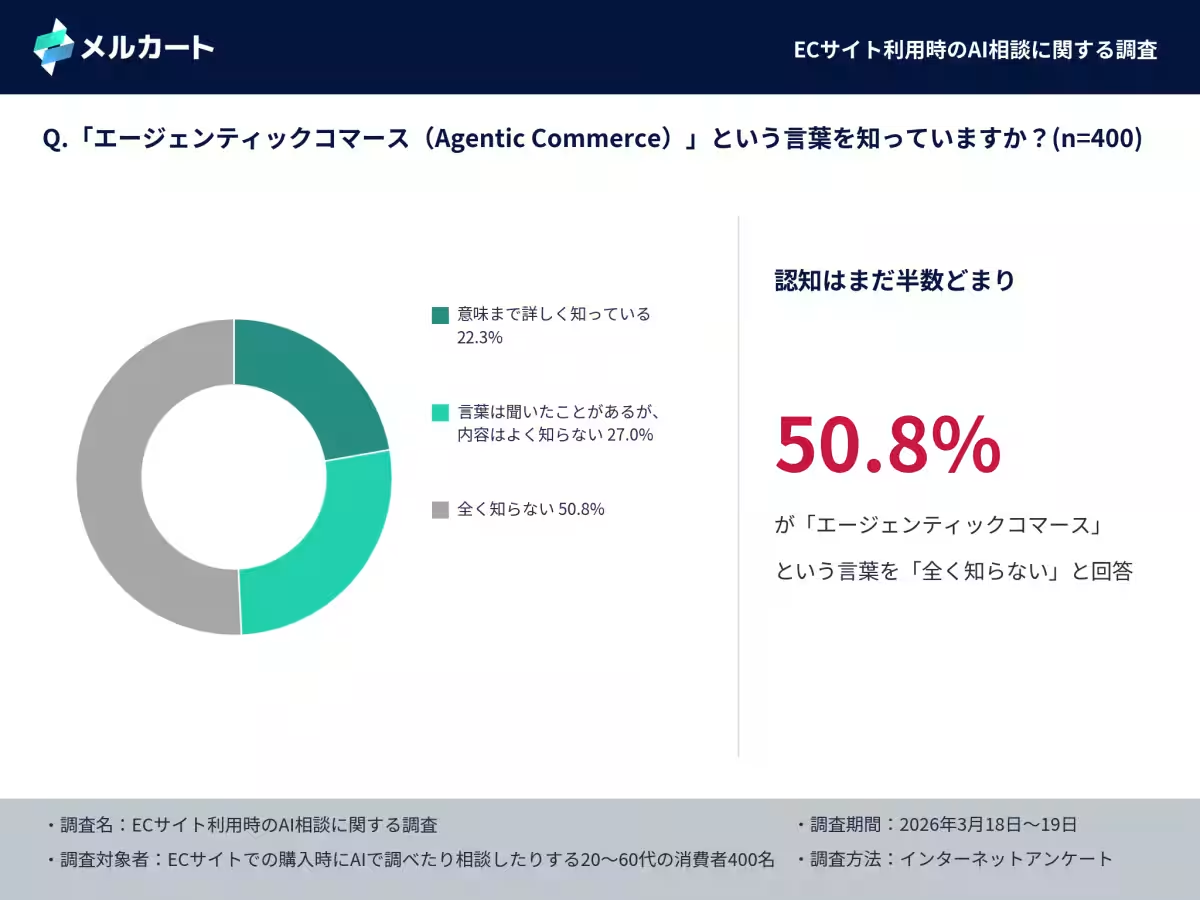
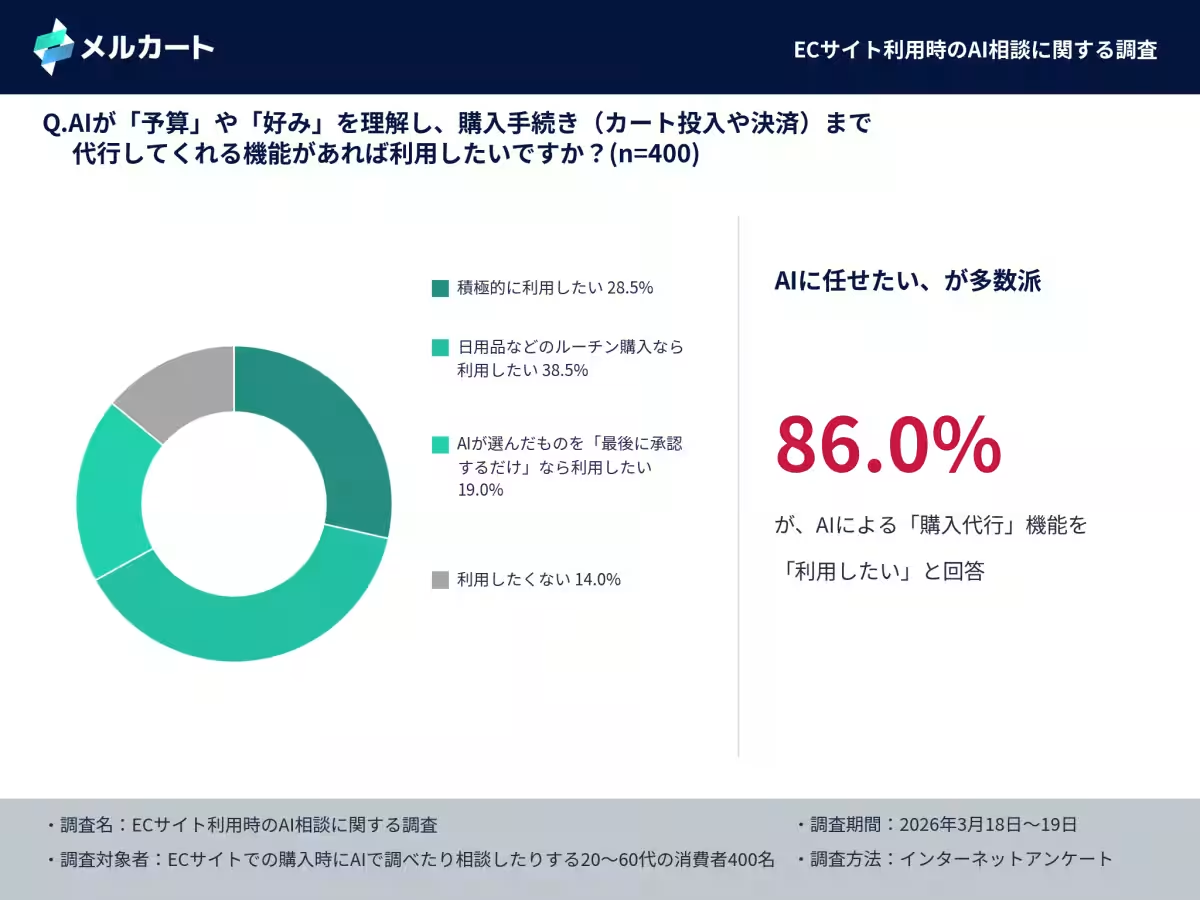
A recent survey conducted by Mercart offers a revealing look into consumer behaviors regarding e-commerce and the role of AI technology. With 400 respondents aged between 20 and 60, the results showcase a significant interest in leveraging AI for purchasing decisions. An impressive 86% expressed a desire to utilize AI tools, like ChatGPT and Gemini, to assist with shopping. Despite this enthusiasm, more than half of the respondents (50.8%) admitted to being unaware of the term 'Agentic Commerce', which represents a shopping experience heavily reliant on AI from product selection through to completion of the transaction.
The Context of the Survey
The evolution of consumer purchasing behavior is being shaped dramatically by the proliferation of generative AI. Shoppers are shifting from a model where they search and sift through products independently to one where they seek guidance from AI. The concept of Agentic Commerce—where AI handles everything from product selection to payment—is emerging rapidly in Japan and globally. But how well do consumers in Japan recognize and accept this transformation?
Key Findings
Awareness vs. Intent
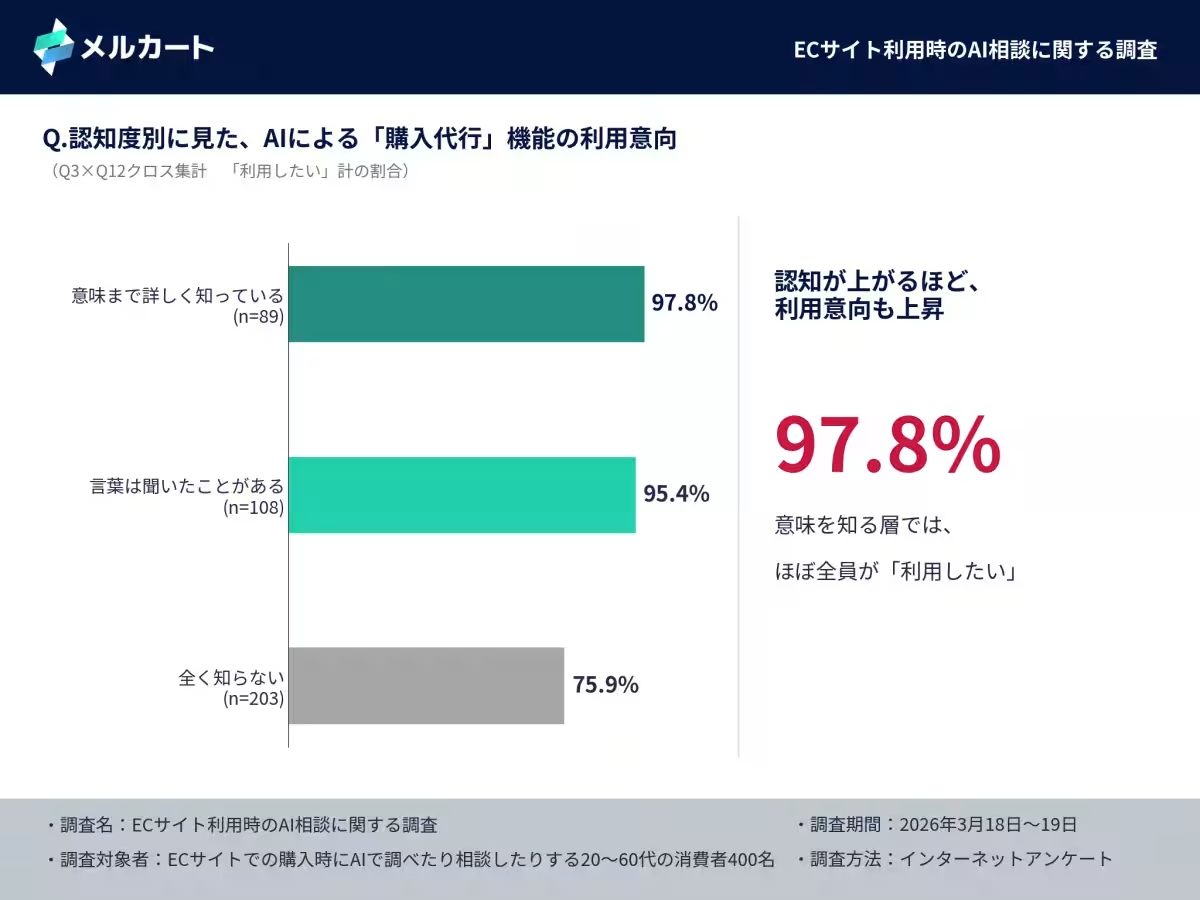
The survey presented a compelling contrast between consumer awareness of Agentic Commerce and their willingness to engage with AI for purchase assistance. With 50.8% of participants entirely unaware of the term 'Agentic Commerce', there exists a notable gap between familiarity and function. Yet, when asked about their inclination to utilize AI for managing their budgets and preferences through automated purchasing, a significant 86% affirmed their interest. This indicates a strong foundational demand not yet paired with widespread understanding.
AI Shopping Experience
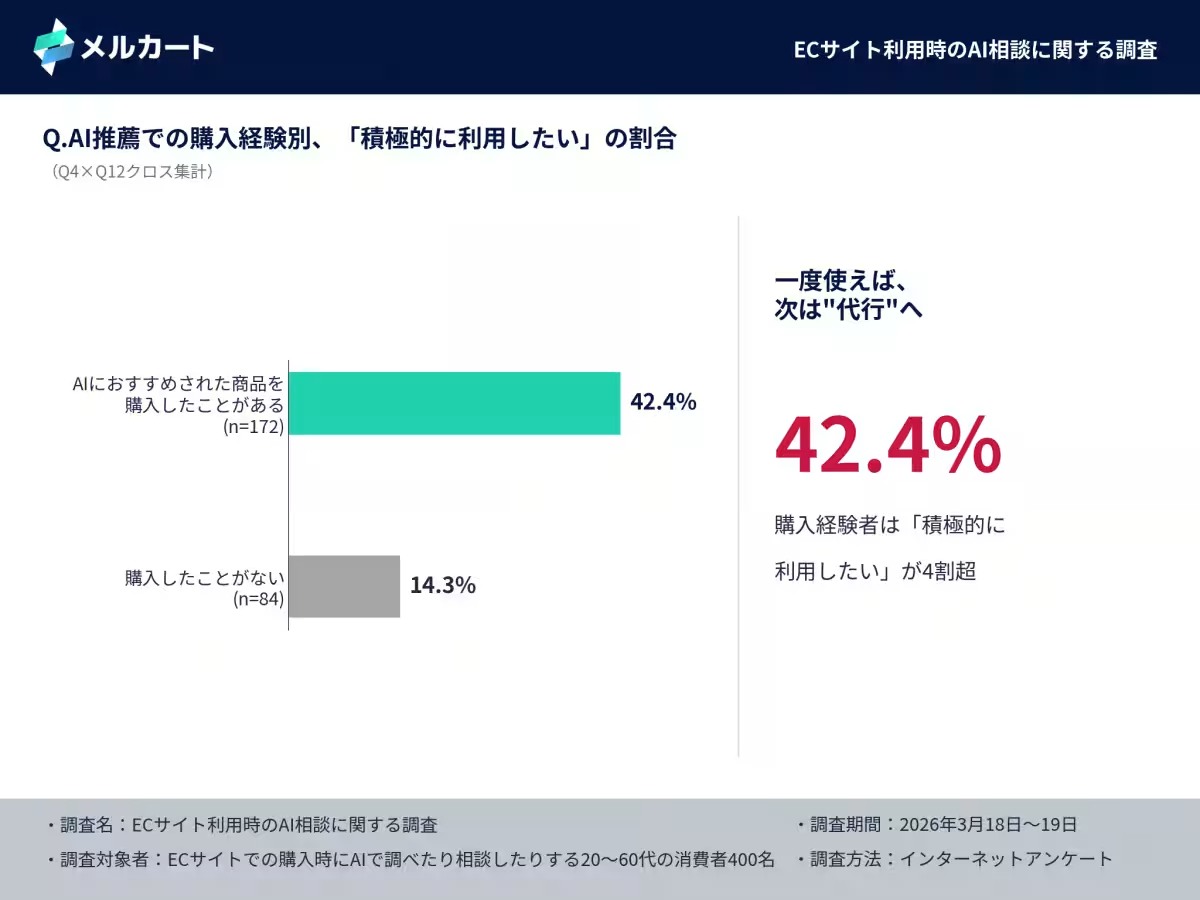
43% of respondents had previously purchased items recommended by AI, while 36% considered them as potential purchases. Those who had prior experience with AI-generated suggestions were considerably more inclined to utilize AI-driven purchasing, with 92.4% indicating a willingness to engage with automated buying processes.
Overcoming Decision Fatigue
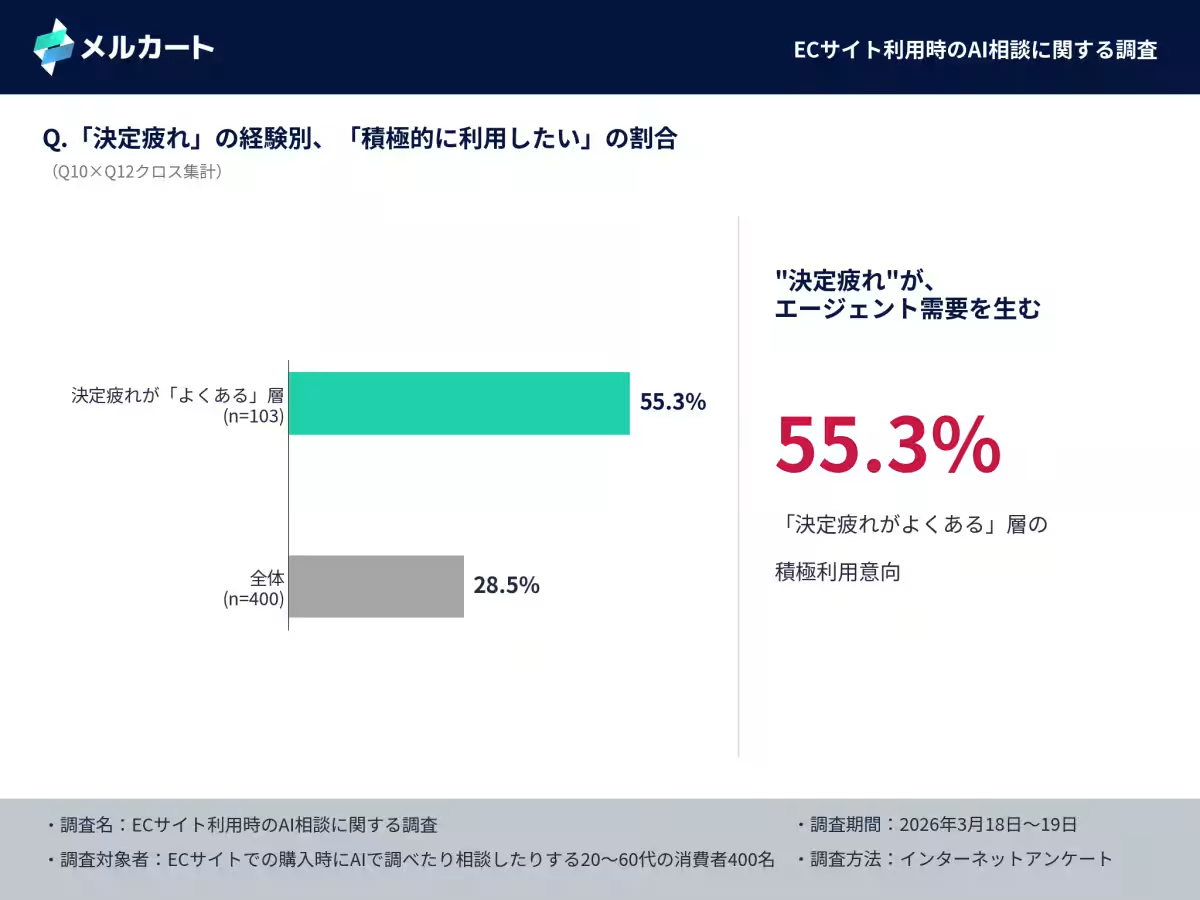
Decision fatigue is a critical factor influencing purchasing behavior. The survey highlighted that 76.3% of consumers often feel overwhelmed by choices, a reality that AI could alleviate. Specifically, 55.3% of individuals who frequently experience decision fatigue stated they are eager to use AI-based purchasing assistance, suggesting a clear market opportunity.
Surprising Support from Seniors
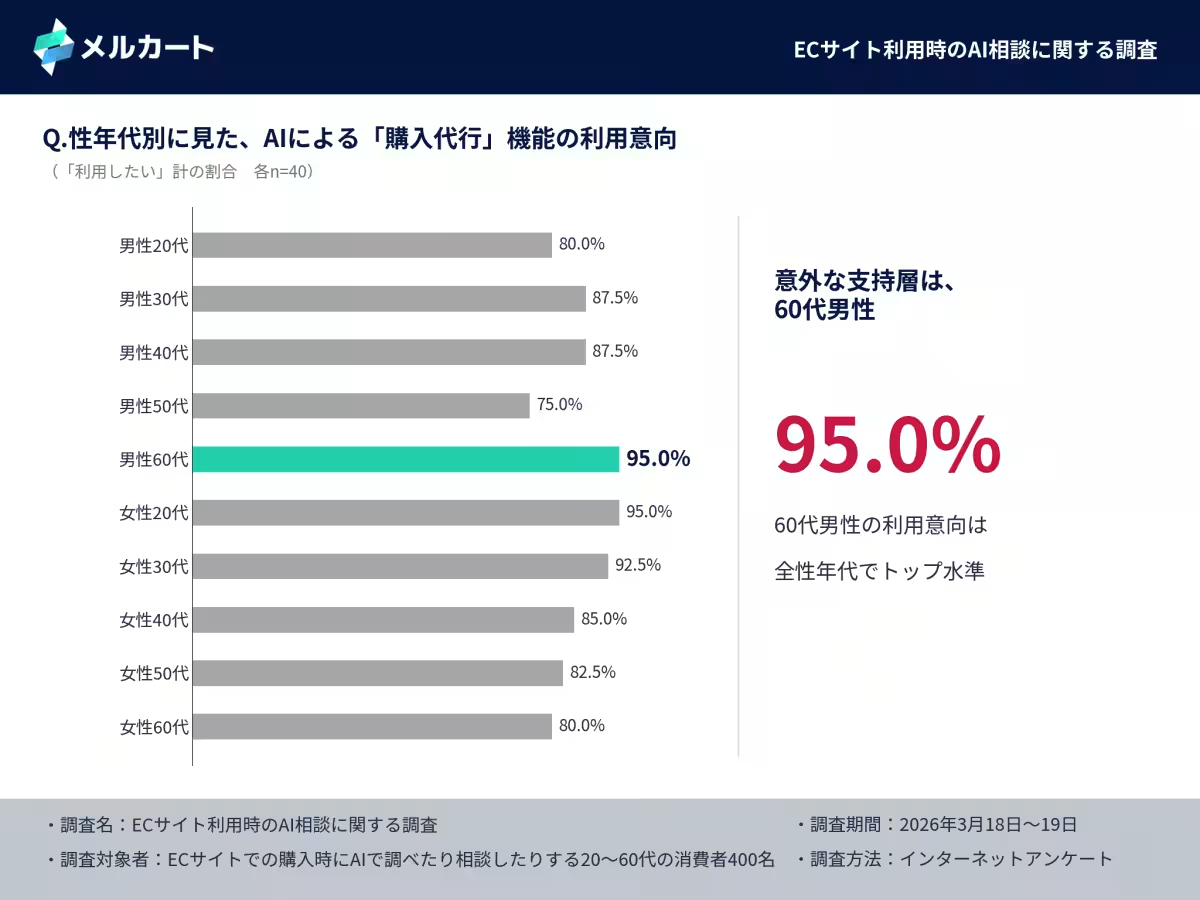
Interestingly, a key demographic showcasing strong engagement with the concept of AI-assisted shopping is men in their 60s, where 95% expressed interest in utilizing such services. Many of these respondents had no prior knowledge of the term 'Agentic Commerce,' indicating a disconnect between awareness of the terminology and the desire for its related functionalities.
Implications for E-Commerce
The survey highlights that consumer demand for AI assistance in shopping is outpacing awareness. As a result, e-commerce businesses must reconsider their approaches to integrate AI solutions into their operational frameworks. The evolution towards a landscape where AI agents autonomously browse, compare, and purchase products will depend heavily on the accuracy and security of data related to products, stock, and pricing.
Moreover, the foundational design of e-commerce environments could pivot from offering extensive options to engaging consumers through dialogue and tailored recommendations, thus lowering the burden of choice. Mercart, a leader in e-commerce platforms, is already evolving its services to adapt to these forthcoming changes.
Conclusion
The findings of the Mercart survey shed light on a market poised for transformation. While the concept of Agentic Commerce remains under the radar, consumer interest in AI-assisted shopping is robust. This prompts a call for e-commerce businesses to innovate and restructure their platforms to meet the latent demand for AI purchasing. As the future of shopping unfolds, understanding and addressing these dynamics will be integral for companies aiming to thrive in this new era of e-commerce.
Topics Consumer Technology)
【About Using Articles】
You can freely use the title and article content by linking to the page where the article is posted.
※ Images cannot be used.
【About Links】
Links are free to use.