



Lumission Announces Implementation Policy for a Gratitude-Based Economy
Lumission's Vision for a Gratitude-Based Economy
In recent developments, Lumission Inc., based in Minato, Tokyo, has laid out the implementation policies for its long-held principle of creating an economy centered around gratitude. This announcement not only clarifies the philosophical foundation behind this vision but also outlines practical strategies for embedding it within the company's management practices.
Since its inception, Lumission has emphasized the importance of not just articulating its ideals, but also using them as a guiding framework for decision-making. In this context, the announcement seeks to address the fundamental question: What does it mean for gratitude to circulate within an economy? Moreover, how can this concept be translated into effective corporate management? The company aims to share the structural thinking behind these ideas.
Why Now for a Gratitude-Based Economy?
Currently, many economic activities face structural challenges, such as optimal short-term profit maximization, excessive price competition, subjective decision-making, and workforce burnout. In contrast, Lumission holds the belief that a proper economy is one that generates compensation as a result of providing value to others. The company asserts that profit and gratitude do not conflict but can coexist and benefit each other through a circular framework. Achieving this goal requires more than just philosophical discourse; it necessitates designing robust criteria for decision-making.
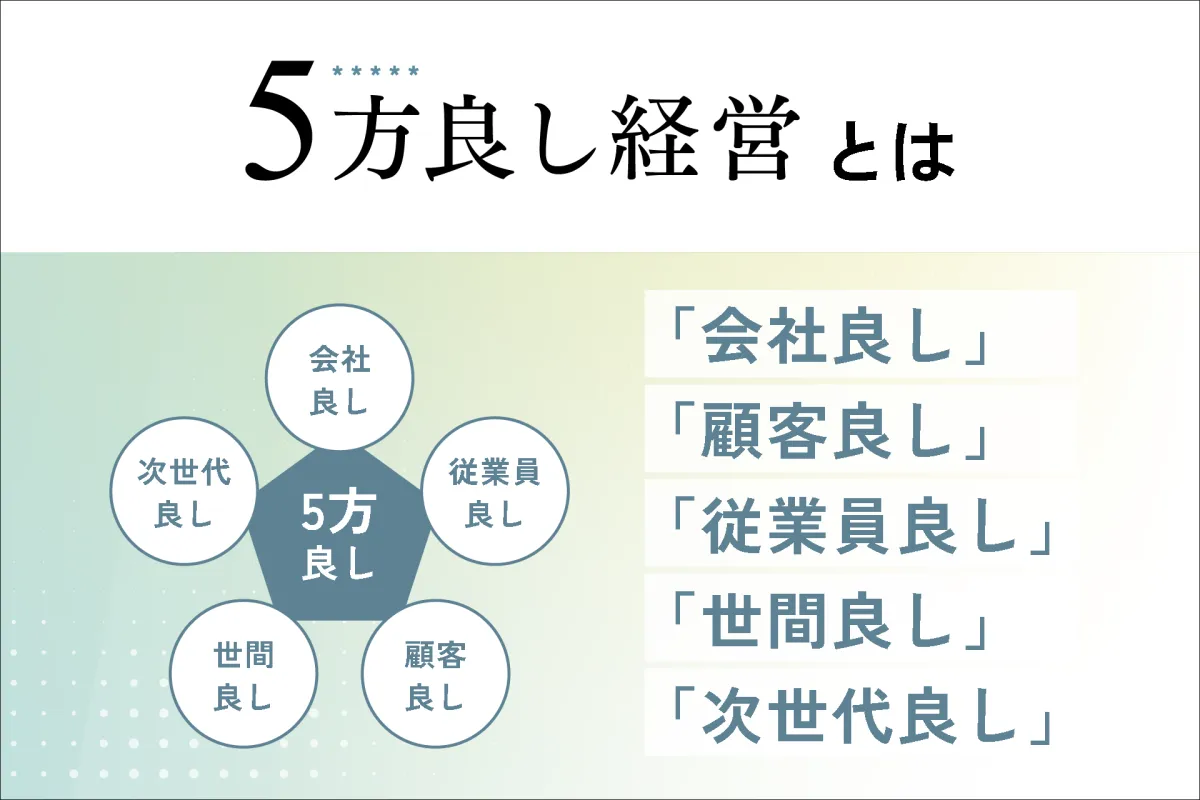
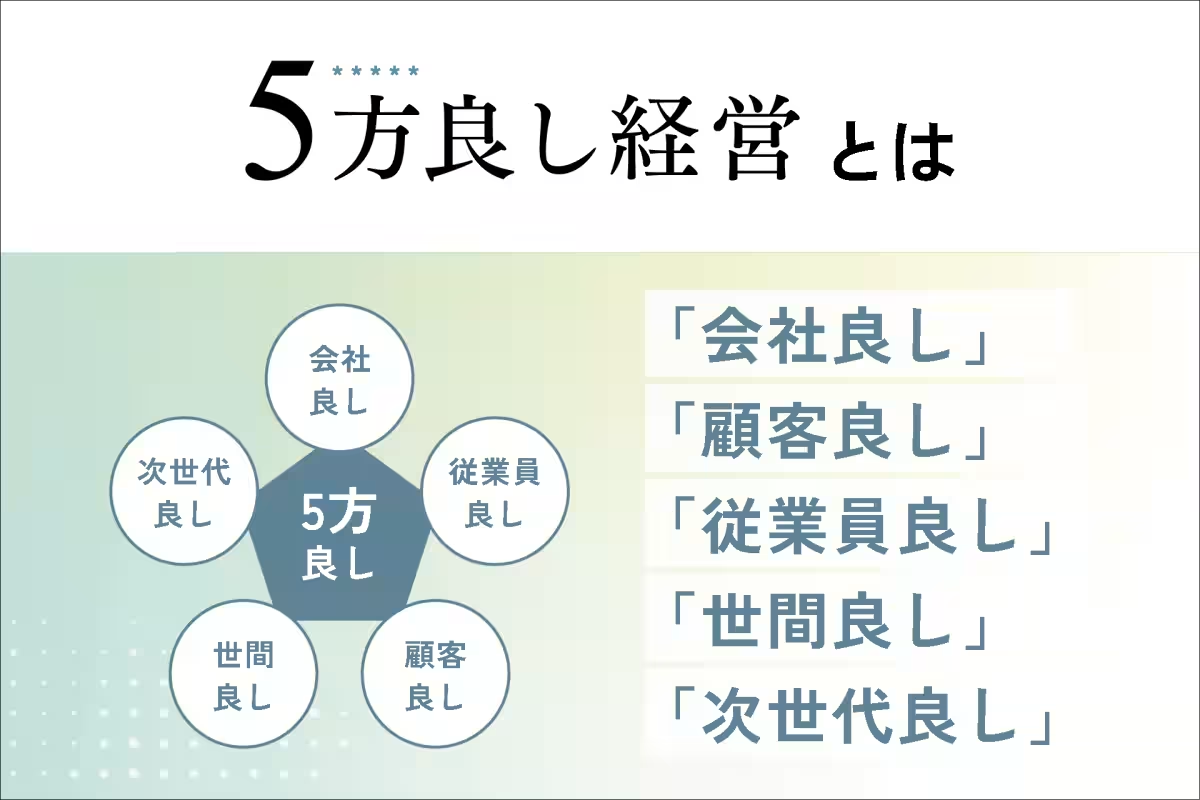
The “5方良し経営” Framework
To implement its ideal of a gratitude-driven economy, Lumission proposes a framework known as


Topics Other)

【About Using Articles】
You can freely use the title and article content by linking to the page where the article is posted.
※ Images cannot be used.
【About Links】
Links are free to use.