



Okayama University Students Learn to Visualize CO₂ Emissions at Local Companies
Visualizing CO₂ Emissions at Okayama University
In an innovative initiative, Okayama University, located in Kurashiki, Japan, is collaborating with local businesses to tackle the pressing issue of CO₂ emissions. This effort is driven by the university’s participation in the Carbon Footprint (CFP) Calculation Project, aimed at providing a realistic view of carbon emissions produced by various activities throughout their life cycle.
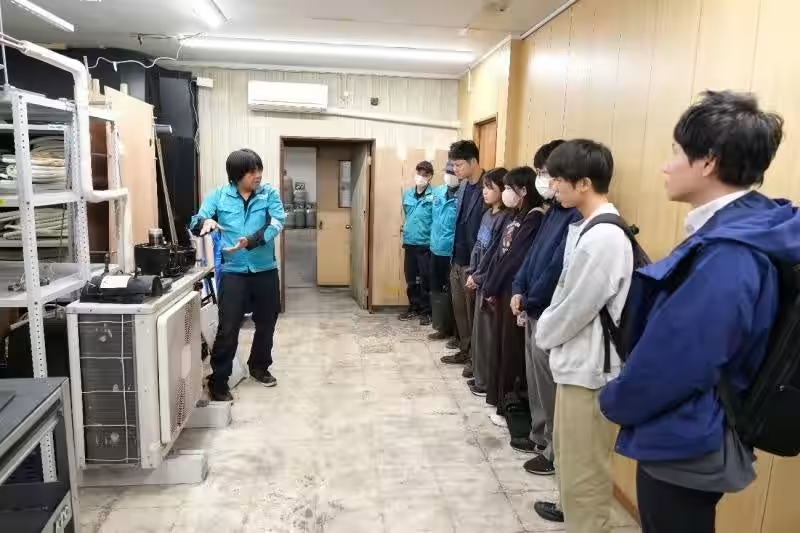
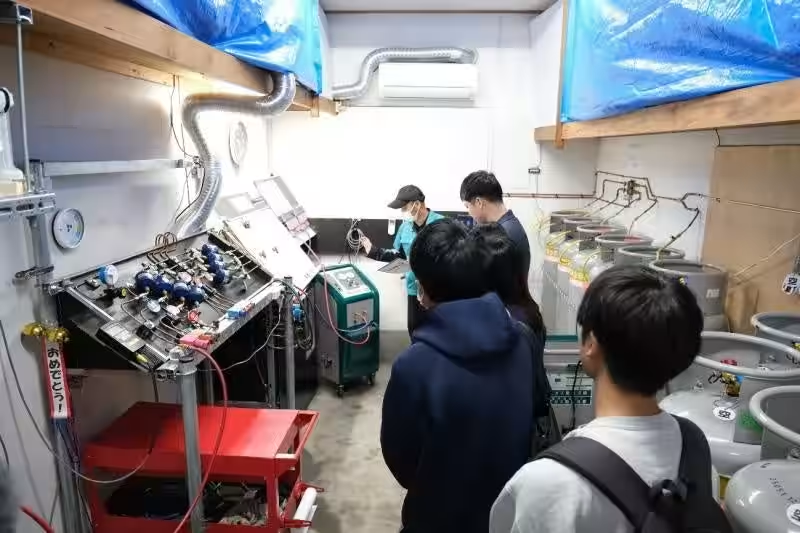
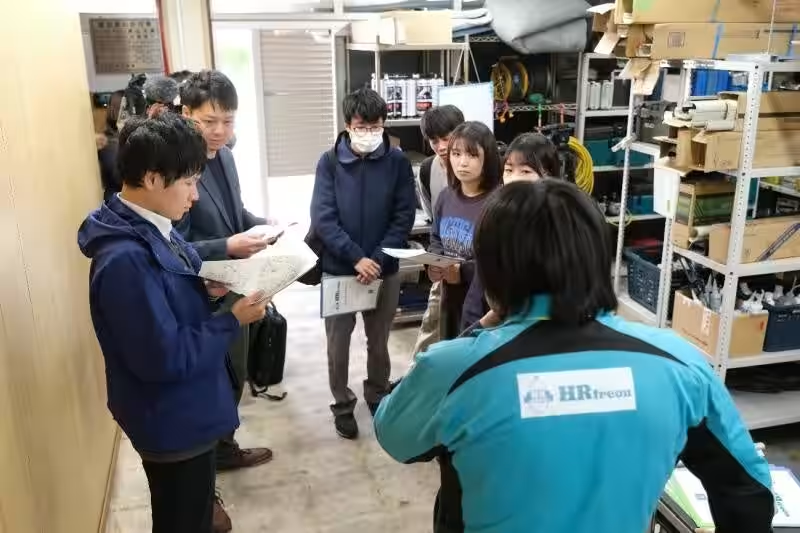
On November 4, 2025, a group of four students from the Department of Social and Cultural Sciences at Okayama University visited Toyozan Reik, a local company specializing in refrigerant recycling. The visit was part of the ongoing project developed in connection with the Okayama Chamber of Commerce. The initiative kicked off in July with an engaging workshop where students learned the basics of carbon footprint calculations.
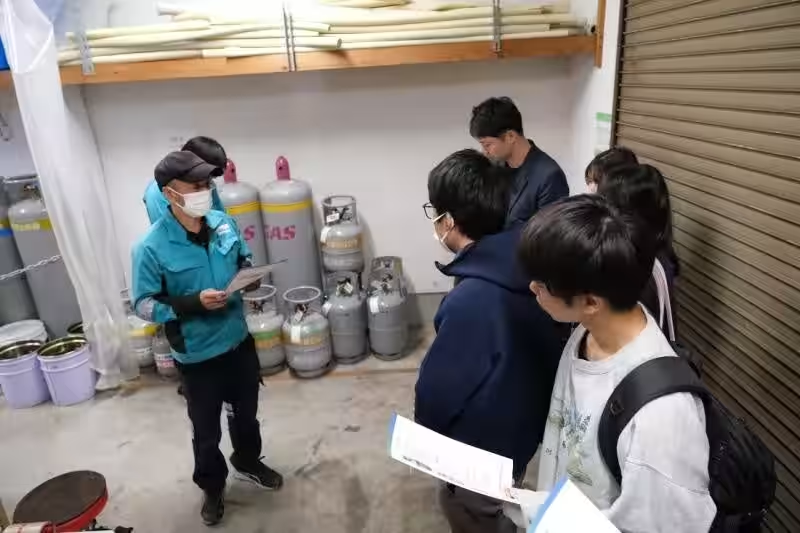
During the factory tour, students were guided by the company's president, Akihiro Obara, who explained the processes involved in recycling refrigerants—from collection to reuse. This hands-on experience allowed students to observe various stages of the refrigerant recycling process, gaining insights into the equipment used and quality control measures implemented within the facility.
One of the key learning outcomes was the distinction between the destruction process of refrigerants through waste treatment and the purification process aimed at reuse. Students engaged in vibrant discussions during and after the tour, and some expressed their desire to calculate specific emissions based on Toyozan Reik's unique processes. They emphasized how the insights gained from the visit deepened their understanding of the challenges surrounding the recycling of refrigerants.
The students will utilize the information gathered during the factory visit to create a lifecycle flow chart and identify the data needed to complete the carbon footprint calculations by the end of the year. Their goal is to quantitatively showcase the environmental benefits of refrigerant recycling, which will contribute to the advancement of decarbonization strategies within businesses.
Moreover, representatives from RYOBI Holdings and RYOBI RISOLA participated in the visit, discussing future collaboration opportunities related to refrigerant collection and recycling. This reinforces the ambitions of building a circular economy within the region, emphasizing the collaboration between industry, academia, and government.
President Obara remarked, "Recycled refrigerants are vital yet relatively unknown to the general public. Our collaboration with students is a stepping stone in promoting the significance of recycled refrigerants to reduce environmental impacts." This initiative builds upon the previous year's framework established by the Ministry of the Environment’s model project focused on creating a support system for decarbonization efforts within local communities.
Okayama University continues to uphold its commitment to contribute to regional sustainability and the realization of carbon neutrality. Through partnerships with local companies and active student involvement, the university aims to elevate the community's environmental efforts and forge pathways toward sustainable development.
With a bright future ahead, Okayama University remains steadfast in its mission to lead and innovate in research and education, aligned with the United Nations' Sustainable Development Goals (SDGs).
Additional References
For further inquiries, reach out to the Okayama University Research Co-Creation Headquarters.
Topics Other)
【About Using Articles】
You can freely use the title and article content by linking to the page where the article is posted.
※ Images cannot be used.
【About Links】
Links are free to use.