



Nankai Electric Railway and Hitachi Start Building a Revolutionary Automated Operation Planning System
Nankai Electric Railway and Hitachi's New Automated Planning System
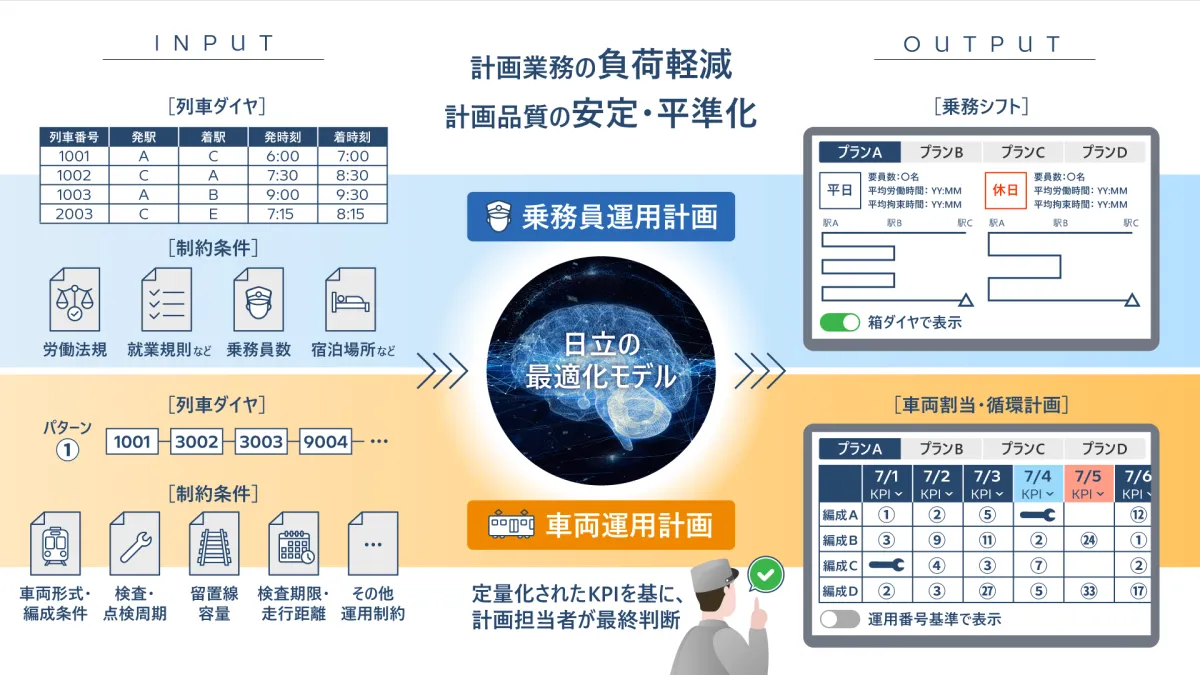
In an exciting move towards revolutionizing rail operations, Nankai Electric Railway Co., Ltd., under the leadership of President Tomoshi Kajitani, has teamed up with Hitachi Ltd., led by CEO Toshihisa Tokunaga. Together, they are embarking on a project to develop an automated system for employee and vehicle operation planning using CMOS annealing technology, a unique and proprietary advancement by Hitachi that mimics certain aspects of quantum computing.
Overview of the System
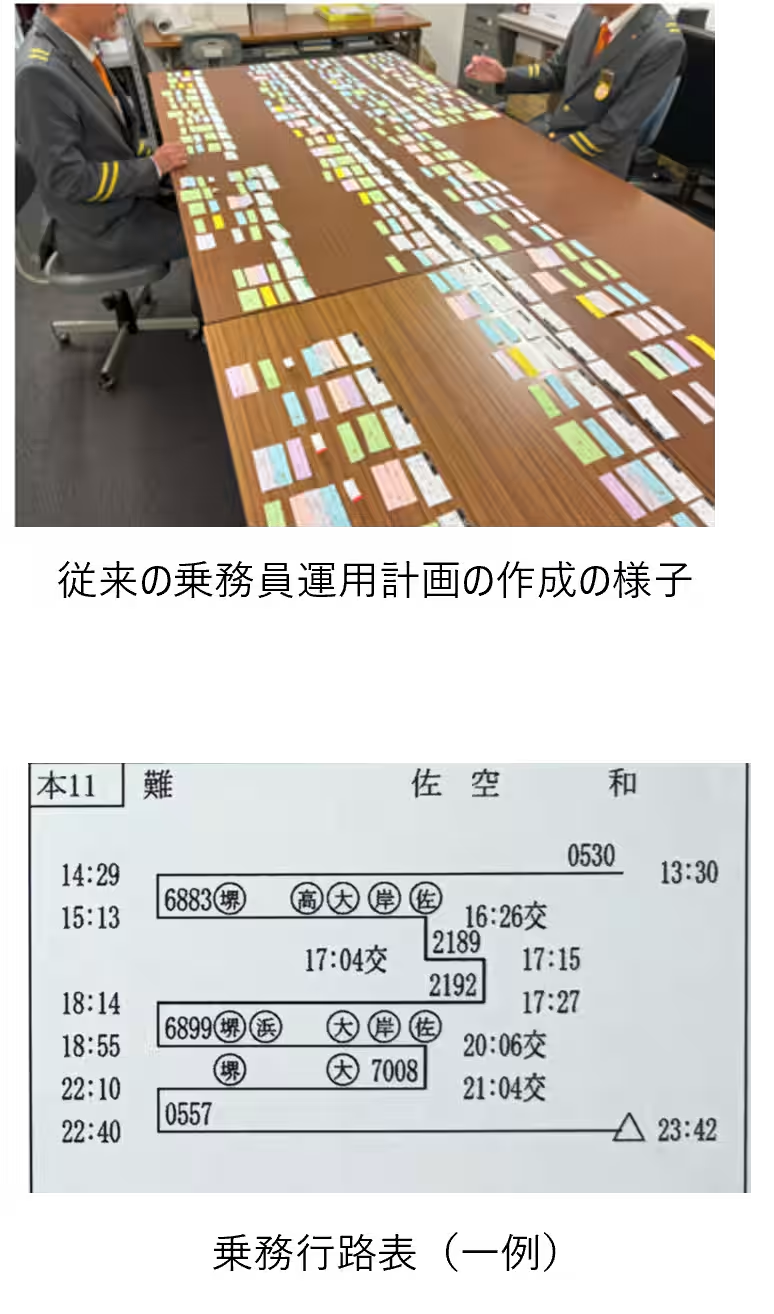
The newly proposed system aims to automate the planning and evaluation processes for crew allocations and train schedules, areas that have heavily relied on the manual expertise of seasoned professionals. Traditionally, creating these plans involved extensive labor and time, often spanning months for crew and nearly three weeks for vehicle allocations. The implementation of this automated system anticipates streamlining these processes significantly, potentially trimming down planning time to less than a week for crew allocations and just a few days for vehicle operations.
The Innovative Technology Behind CMOS Annealing
CMOS annealing is an innovative technique that excels in solving complex combinatorial optimization problems by efficiently navigating numerous simultaneous constraints. This technology will allow for quick and optimal combinations, thus transforming how planning in the railway sector is conducted. Initial tests in 2025 are projected to take place on the Nankai Line, where these time-saving capabilities will be validated.
The field of operation planning, especially for crew assignments, has faced growing challenges. Every day, transport hundreds of schedule-dependent trains require the strategic placement of drivers and conductors while adhering to various labor laws and ensuring their well-being through regulated breaks and accommodations. Similarly, vehicle operations also connect directly with train schedules, necessitating careful management of types, inspection schedules, and accommodations capacities.
Addressing Challenges in the Railway Sector
In recent years, the railway industry has encountered critical issues, such as a shortage of skilled labor and a pressing need for effective knowledge transfer among generations of workers. As many tasks within crew and vehicle planning remain manual, and as there was significant reliance on the expertise of a few, these innovations are vital for sustainable operations and business continuity.
Hitachi's CMOS annealing technology has previously demonstrated success in various complex planning scenarios, such as call center shift management. This technology applies to larger datasets and intricate conditions that previous strategies struggled to address, thereby showing its effectiveness in enhancing operational productivity.
Features of the Automated System
1. High-Speed Optimization: The new system will adhere to various constraints quickly and accurately, significantly reducing the required time for creating crew plans, enabling rapid responses to regulatory changes or operational demands. For instance, planning after schedule revisions can now happen within a week, alleviating previously concentrated workloads for planners.
2. Real-Time Vehicle Planning: The system's rapid adjustments mean that in the event of an operational disruption, recovery plans can be executed within a matter of days, ensuring optimal fleet management, especially crucial during unexpected events such as accidents or breakdowns.
3. Visualization and Evaluation Features: The system also automates the visualization of operational evaluations, giving planners tools to assess various indicators such as required crew numbers and compliance metrics directly impacting operational effectiveness.
Future Prospects
Both Nankai Electric and Hitachi are focused on preparing this system for practical operation by 2027. The cloud-based nature of this development ensures that adaptations can occur in response to evolving business needs and advancements.
Hitachi is not only committed to refining CMOS annealing but also envisions the technology as part of larger solutions aimed at societal infrastructure transformation. This initiative forms part of Hitachi's broader strategy to integrate technology into communities, connecting various stakeholders through enhanced efficiency and improving quality of life in urban environments.
In conclusion, the collaboration between Nankai Electric Railway and Hitachi illustrates a step forward for the railway sector, marrying experience with cutting-edge technology to ensure efficient and reliable service for passengers. The advancement of CMOS annealing could very well usher in a new era in railway operation management, ensuring a sustainable and responsive transport service capable of meeting contemporary demands.
Topics Other)
【About Using Articles】
You can freely use the title and article content by linking to the page where the article is posted.
※ Images cannot be used.
【About Links】
Links are free to use.