



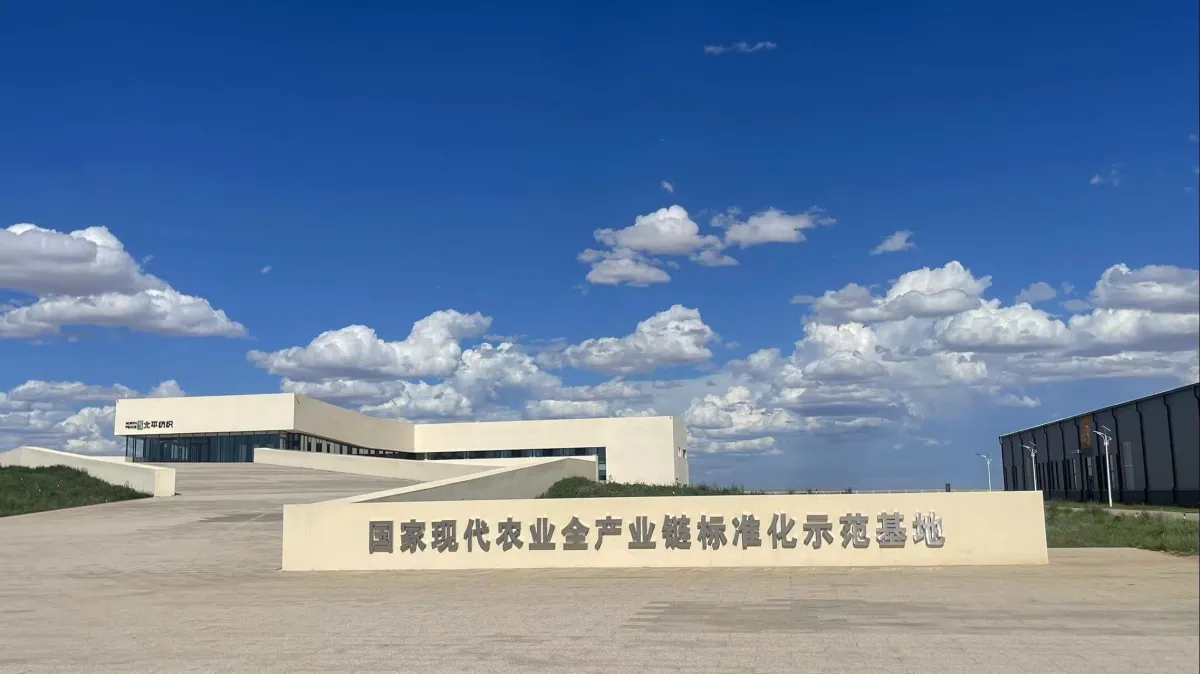
Horizon Corporation Strengthens Sustainable Cashmere Future with New Farm Management Facility
Horizon Corporation's Commitment to Sustainable Cashmere
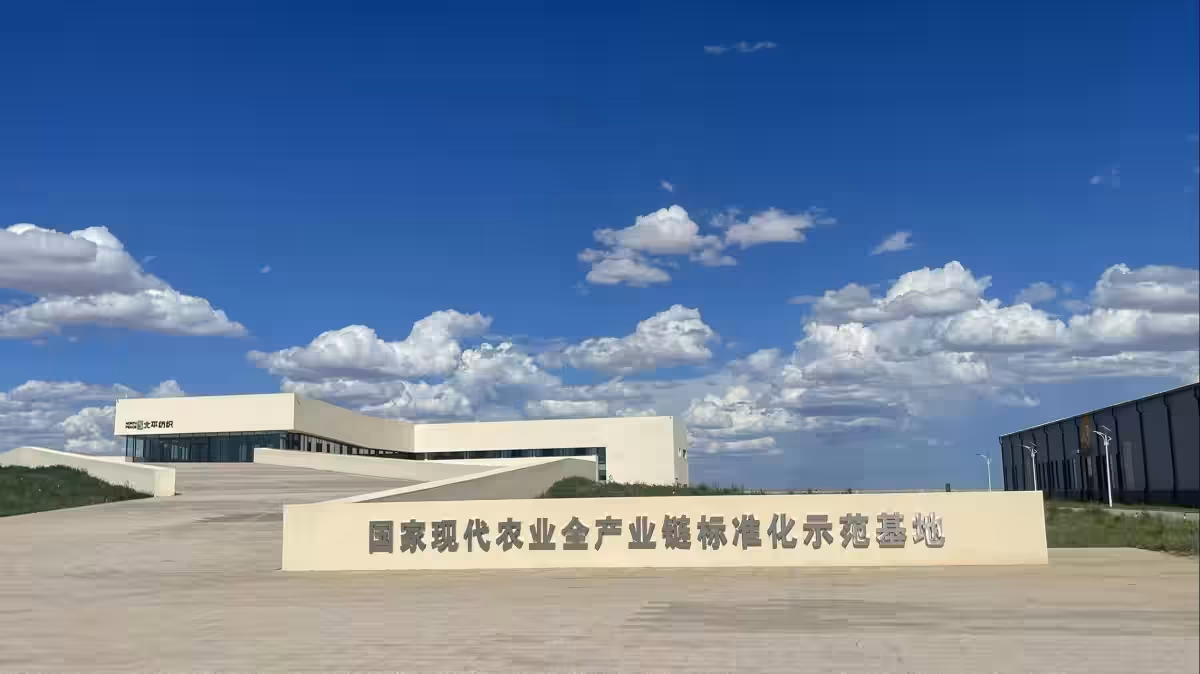
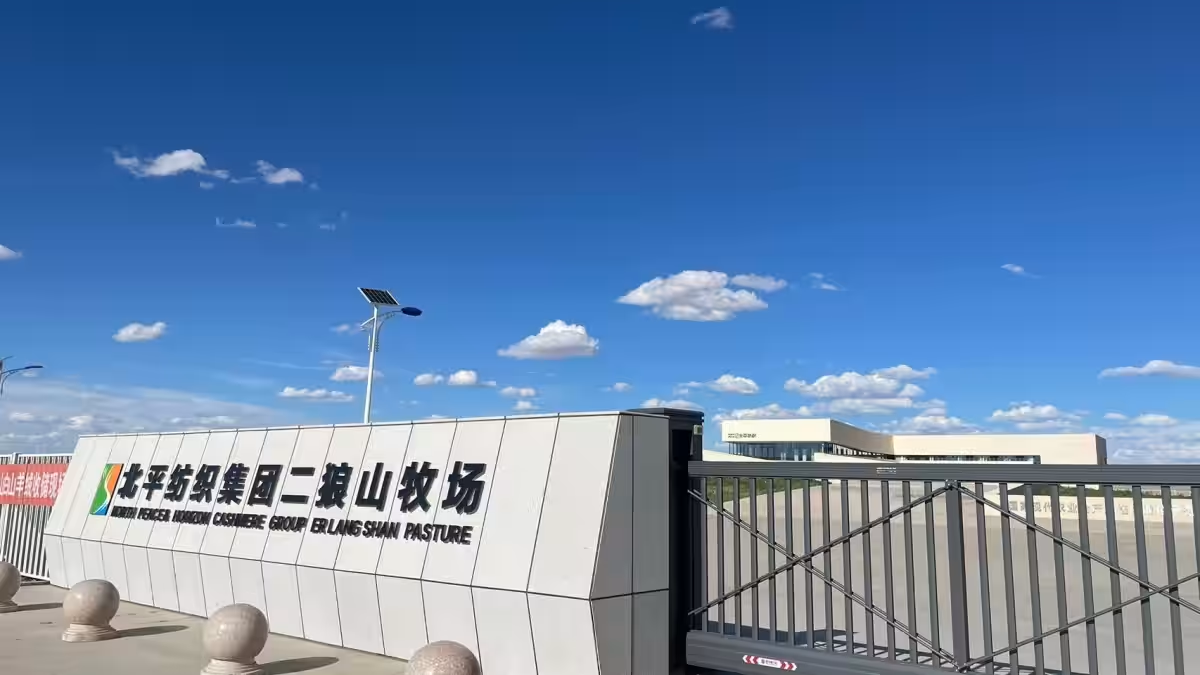
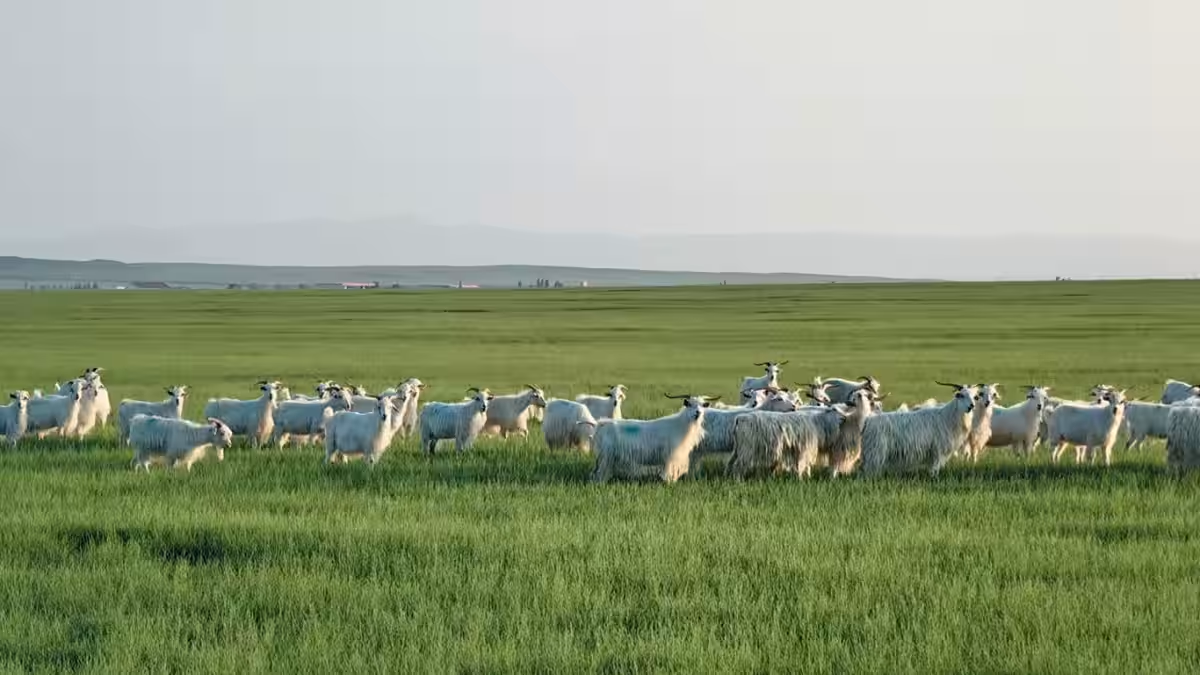
Horizon Corporation, based in Sumida, Tokyo, has made significant strides toward a sustainable future in the cashmere industry with its newly completed farm management facility in Urat Qianqi, Inner Mongolia. This facility not only serves as a regional cashmere goat management hub but also emphasizes traceability and environmental sustainability in cashmere production, contributing to a healthier supply chain where every stakeholder can prosper.
A New Era of Research and Development
The research aspect of this facility is equally impressive. Supported by the Inner Mongolia government, leading universities have sent specialized researchers to collaborate on creating a manual focused on optimal breeding conditions and environmental sustainability for cashmere goats. This manual is intended for dissemination among local herding families, laying the groundwork for an industry that respects both nature and its workers. Regular meetings are held to ensure that herders are actively involved in this knowledge-sharing process.
Currently, Horizon is working with 1,140 herding families and aims to expand its reach to a total of 4,000 families by 2030. This initiative seeks to bolster the sustainable cashmere industry while uplifting local communities.
Pioneering Research: Frozen Semen Application for Cashmere Goats
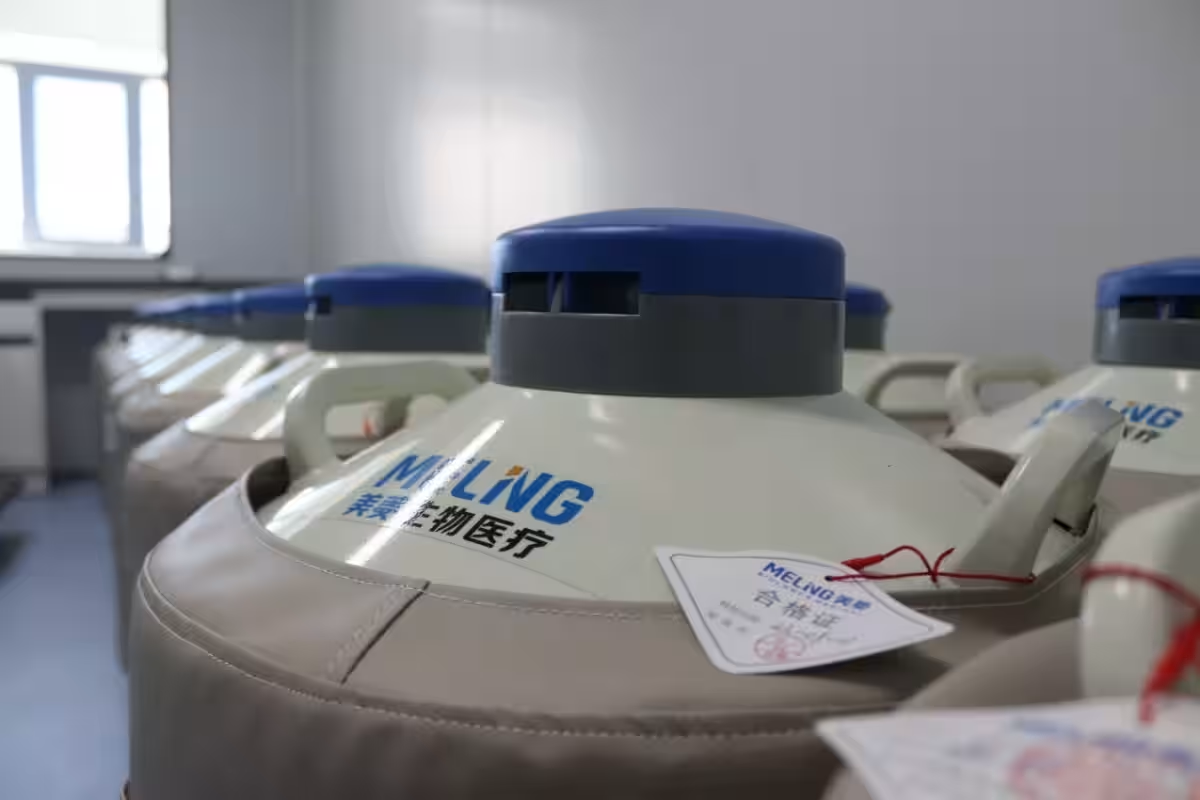
One highlight of the ongoing research includes groundbreaking studies on the application of frozen semen in cashmere goats in collaboration with multiple academic institutions such as Inner Mongolia Agricultural University and Northwest Agricultural University of China. The research centers on improving the native cashmere breeds, particularly the Er Lang Shan goats, and aims for a comprehensive approach to ecosystem management involving factors like air, water, soil, and grasses.
Facilities that Foster Growth: Beyond Research
The farm management facility includes several essential components that support not just research but also economic activity. It houses a raw material trading center, a fiber processing plant, and a storage facility, allowing for real-time transactions. Visitors can witness the entire process firsthand, enhancing the understanding of traceability in cashmere production.
Empowering Local Economies
The cashmere-growing region is rich in natural resources but economically vulnerable due to its distance from urban areas. By processing cashmere fibers locally, this initiative aims to create new employment opportunities and boost the local economy through fiber trade. This approach is intended to combat the region's poverty and revitalize its fiscal health.
Addressing the Challenges of Modern Herding
Climate change, desertification, and demographic shifts are significant challenges confronting herders. As economies evolve, herders face serious issues such as aging populations and a lack of successors. Despite modernization, many still rely on outdated methods, lacking information sharing that hampers productivity and transparency.
The narrative of rising production costs, coupled with the prevalence of counterfeit cashmere in the market, intensifies the economic challenges for herders. Recognizing that these problems extend beyond individual herders to affect everyone involved in the supply chain, Horizon Corporation is committed to collaborative solutions. By working alongside local herders, cooperatives, government entities, researchers, and businesses, they strive to create a resilient environment
The Path Forward
This project emphasizes the need for continued research and data sharing among herders, enhancing transparency in production processes. After approximately three years of planning, the research farm began operations in 2019 and continues to grow, targeting 4,000 families by 2030 to ensure a sustainable cashmere industry.
About Horizon Corporation
Founded in 2002, Horizon Corporation specializes in the planning and sale of cashmere products. In 2006, it established the North Peace Textile factory in Inner Mongolia, facilitating comprehensive production from fiber processing to dyeing, spinning, weaving, and knitting. Over the years, the company has actively sought partnerships and certifications, including the Global Recycled Standard (GRS) and Sustainable Fiber Alliance (SFA) certifications, to uphold its commitment to sustainability. With a direct supply chain from goats to finished products such as scarves and knits, Horizon aims to ensure that all stakeholders benefit from a transparent and accountable production process.
For more information, visit Horizon Corporation Official Site.


Topics Consumer Products & Retail)
【About Using Articles】
You can freely use the title and article content by linking to the page where the article is posted.
※ Images cannot be used.
【About Links】
Links are free to use.