



Rising Smartphone Prices Leading to Regret Among Users: Survey Reveals Patterns
The Regret of Upgrading Smartphones: A Deep Dive into User Experiences
Smartphones have become integral to our daily lives, serving as vital tools for communication, information access, payments, and entertainment. However, with high-end models often exceeding 100,000 yen, many users are reevaluating their upgrade cycles and choices. A recent survey conducted in partnership with Exmobile, a smartphone rental service, explored these feelings by engaging 500 participants aged 20 to 59 across Japan.
Key Findings of the Survey
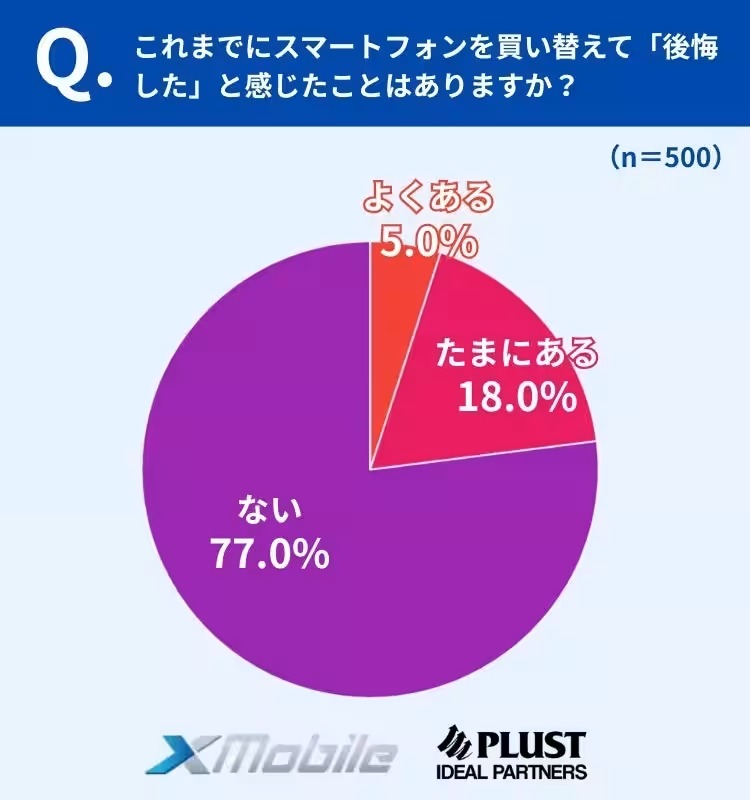
Approximately 23% of respondents admitted to experiencing regret after upgrading their smartphones. Of these, 5% described their regret as common, while 18% said it happened occasionally. This indicates a significant gap between expectations and reality when it comes to smartphone upgrades.
The survey identified several reasons behind these feelings of regret, shedding light on the complex relationship users have with their smartphones. The high costs associated with modern devices, coupled with evolving technology and intricate service contracts, seem to contribute to this discontent.
Reasons for Upgrading
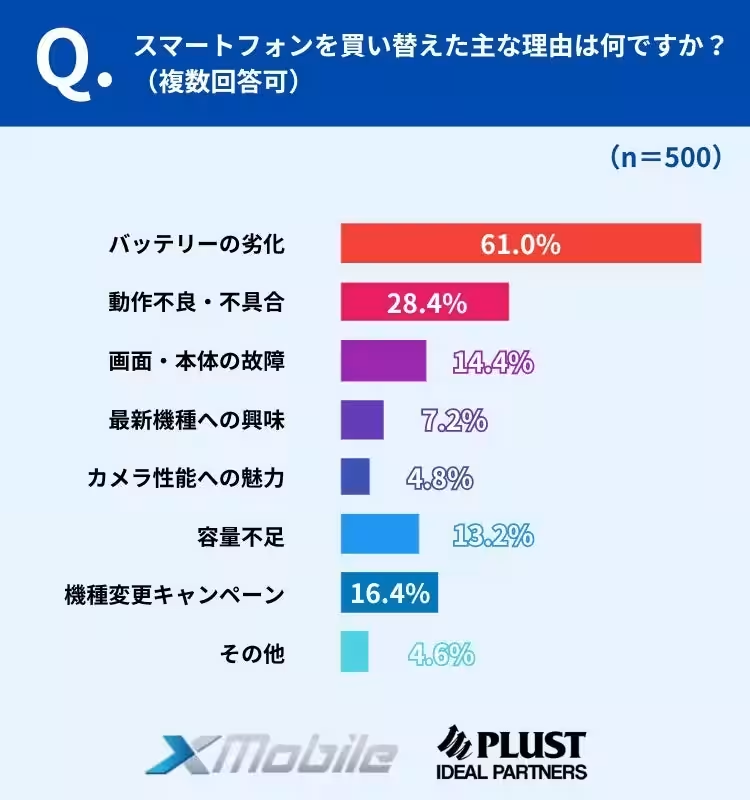
Interestingly, 61% of respondents cited battery degradation as the primary reason for replacement, followed by 28.4% due to device malfunction, and 16.4% due to promotional campaigns. Only a small percentage mentioned interest in new features or camera capabilities as reasons for their upgrades, indicating that users often seek replacements only when their devices can no longer perform basic functions.
As smartphones reach maturity in terms of specifications, users increasingly find themselves upgrading due to practical limitations rather than excitement over new innovations. This trend emphasizes the need for potential buyers to consider their purchasing motivations carefully.
Satisfaction Rates
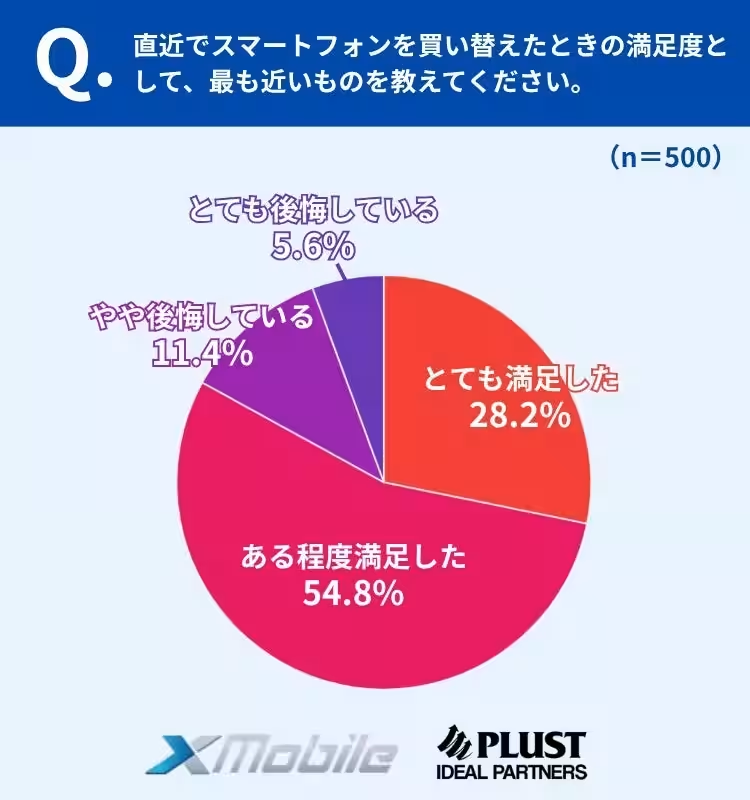
Despite the significant number of users experiencing regret, 83% reported satisfaction with their recent upgrades, with 28.2% indicating they were very satisfied and 54.8% somewhat satisfied. However, a notable 17.0% of respondents expressed feelings of regret regarding their recent purchases. This reality should remind users about the importance of thorough research and comparisons before making a significant investment.
Reasons for Regret
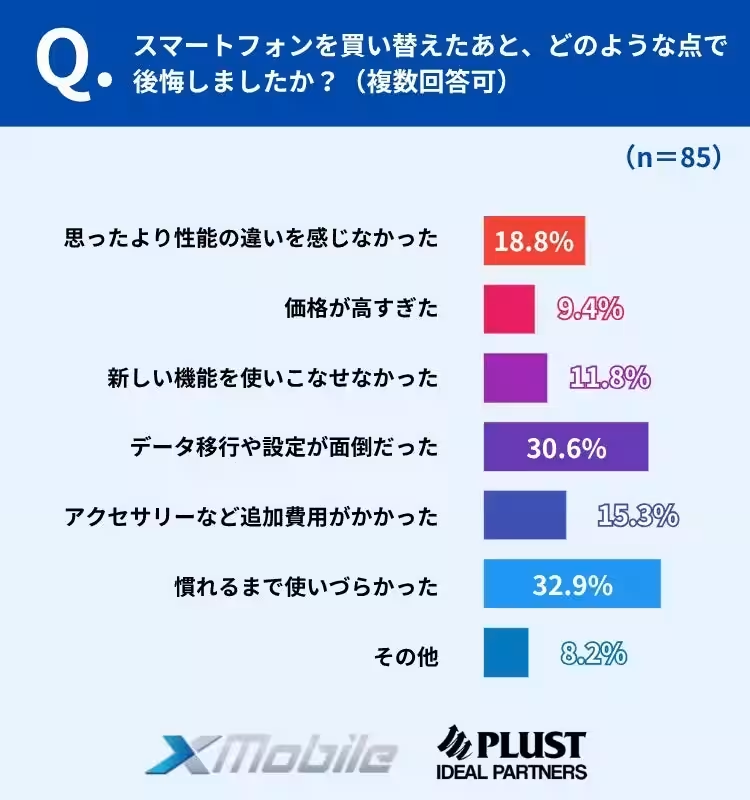
For those who felt regret, the most common reasons included:
1. Difficulty in getting accustomed to the new device (32.9%)
2. Time-consuming data transfer processes (30.6%)
3. Incomparable performance differences (18.8%)
These highlights suggest that the emotional burden of adapting to a new device—such as transferring data or configuring settings—plays a crucial role in user satisfaction. Users often underestimate the challenges that come with transitioning to a new smartphone, which can detract from the overall experience.
Emerging Trends in Purchasing Behavior
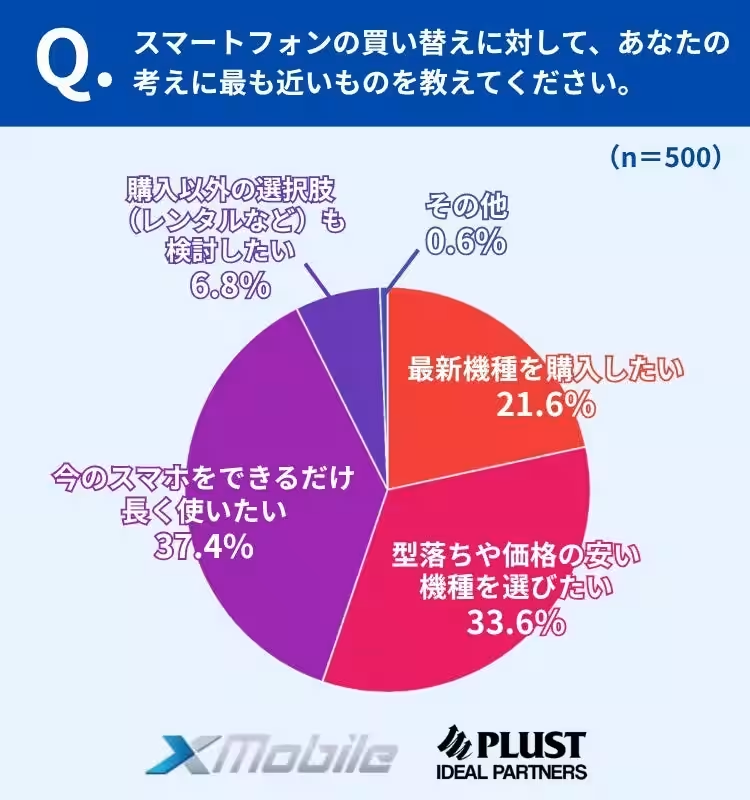
The survey also explored consumers' long-term plans regarding smartphone usage. Surprisingly, 37.4% of respondents indicated a desire to keep their current smartphone for as long as possible, and 33.6% preferred affordable models. Additionally, 6.8% expressed interest in rental options. These statistics reveal a shift towards cost-consciousness and practicality in smartphone ownership.
The Moving Forward Perspective
As the market for smartphones continues to evolve, buyers might look beyond traditional ownership and consider alternatives like rentals or subscriptions. This flexibility can provide users with options based on their lifestyles, accommodating various needs such as travel, family use, or temporary requirements.
Exploring diverse methods of utilization is vital as consumer expectations and technologies change. With the rise in smartphone pricing, the notion of ownership may soon expand to include varying modalities in user engagement.
Final Thoughts
In conclusion, while a significant portion of users reports satisfaction with their smartphone upgrades, the presence of regret among others highlights the complex dynamics of consumer behavior. The increasing cost, combined with the challenges associated with adopting new devices, calls for careful consideration from potential buyers. Users are likely to benefit from evaluating not only the products but also the evolving nature of ownership, which now includes diverse options for smartphone usage.
Topics Consumer Products & Retail)






【About Using Articles】
You can freely use the title and article content by linking to the page where the article is posted.
※ Images cannot be used.
【About Links】
Links are free to use.