



Sanofi Releases Important White Paper on Atopic Dermatitis and Employment
Understanding the Employment Challenges Faced by Atopic Dermatitis Patients
Sanofi, a major French pharmaceutical company headquartered in Shinjuku, Tokyo, has recently unveiled a comprehensive white paper titled "Atopic Dermatitis Patients and Employment." This significant report provides valuable insights into how atopic dermatitis affects job hunting, workplace dynamics, and overall career development for those living with this chronic skin condition.
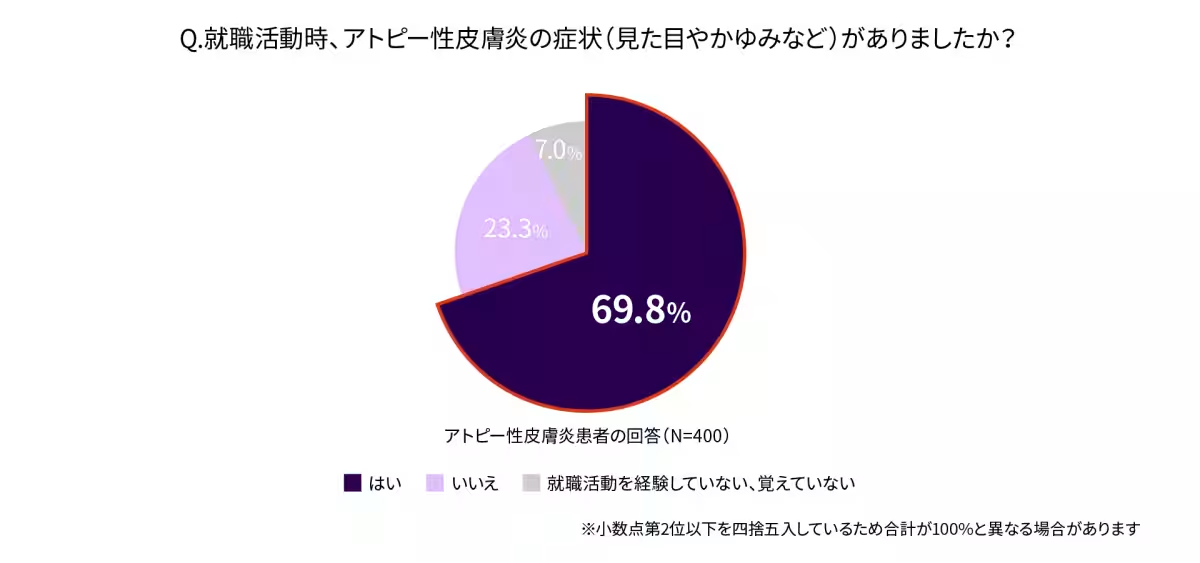
Conducted among 800 participants, the study surveyed 400 individuals currently employed with moderate to severe atopic dermatitis and an equal number of general workers without the condition. The findings aim to visually represent the broader implications of atopic dermatitis that extend beyond physical symptoms to influence both the work environment and personal life planning for affected individuals.
Key Findings of the White Paper
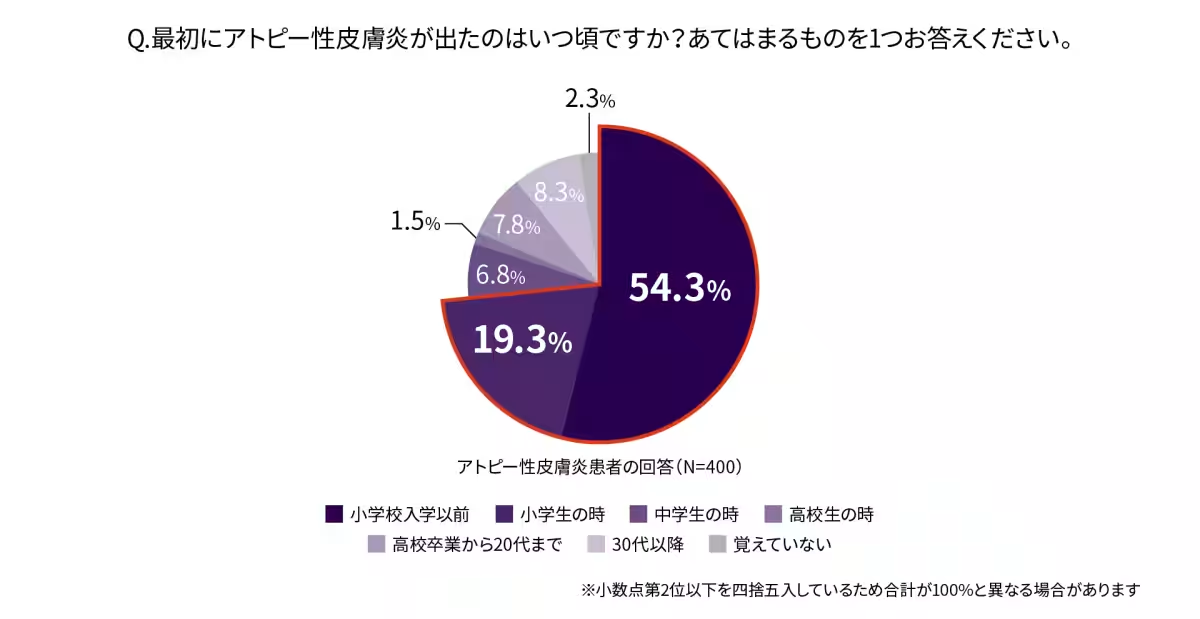
1. Early Onset and Long-term Effects: Over 70% of atopic dermatitis patients reported experiencing symptoms by elementary school age, indicating that many contend with the condition from a young age. This prolonged exposure significantly impacts job hunting, workplace settings, and career development.
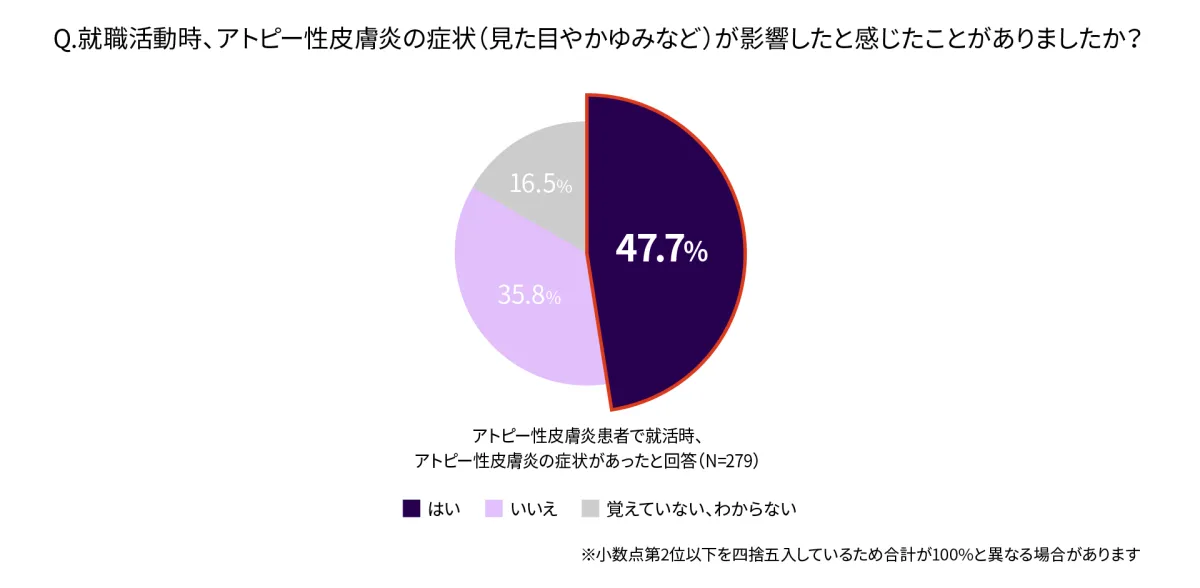
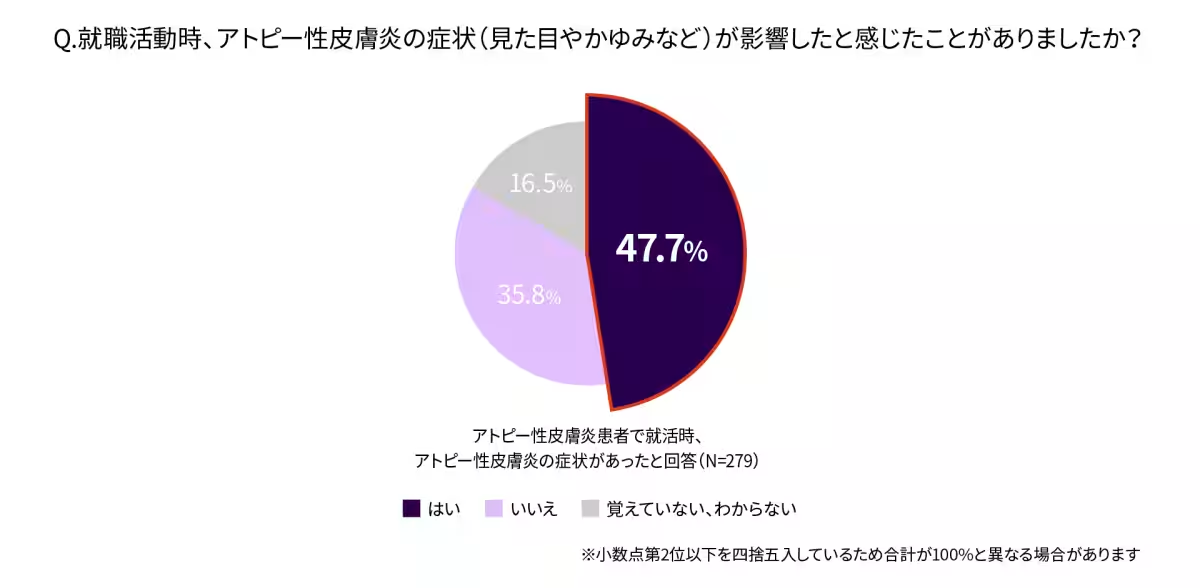
2. Employment Stress During Job Hunting: Approximately half of the participants with symptoms noted that their atopic dermatitis affected their job search activities. These burdens often manifest as invisible struggles related to their appearance or the need to conceal their condition while navigating the employment landscape.
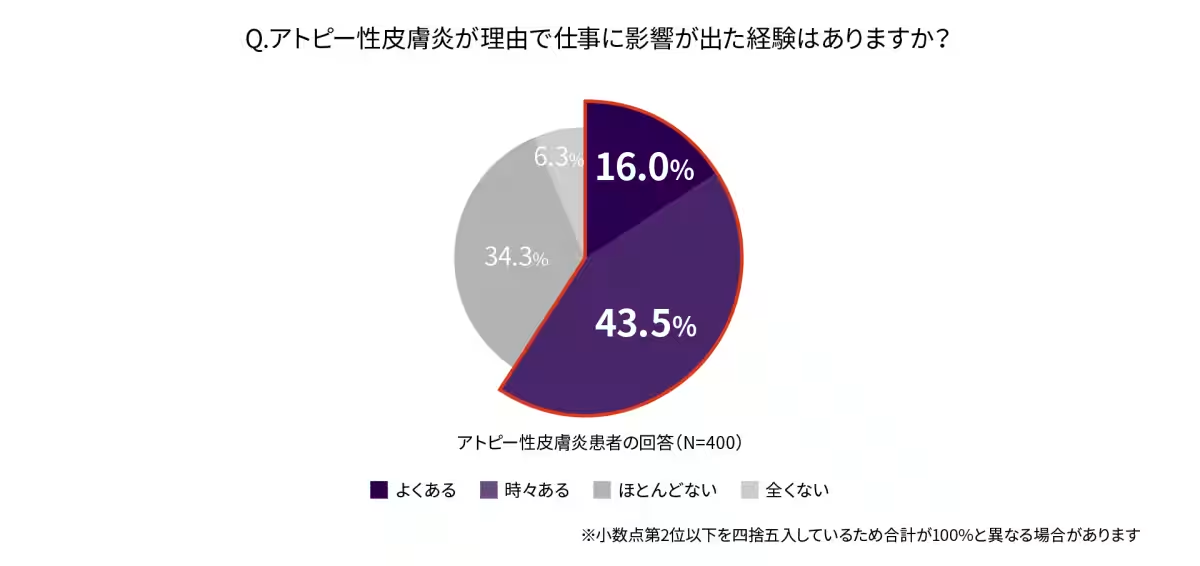
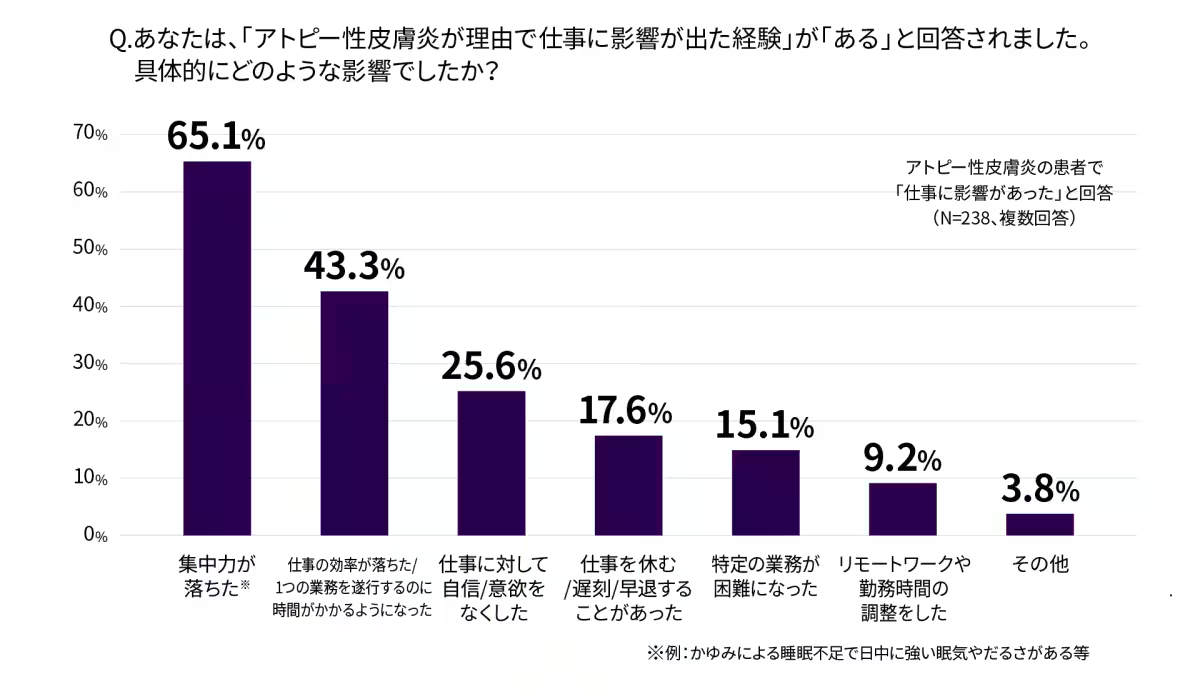
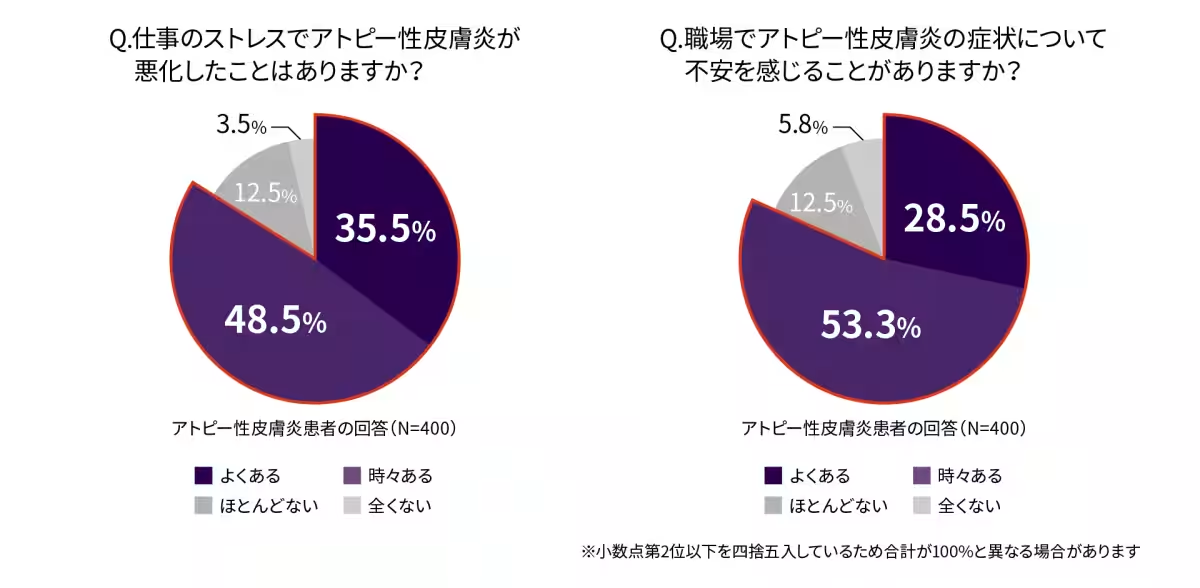
3. Work Performance Impact: More than half of the participants experienced work-related challenges stemming from their condition. Symptoms led to decreased concentration, reduced work efficiency, and, crucially, over 80% experienced a worsening of their symptoms due to job-related stress, affecting both their psychological well-being and physical health.
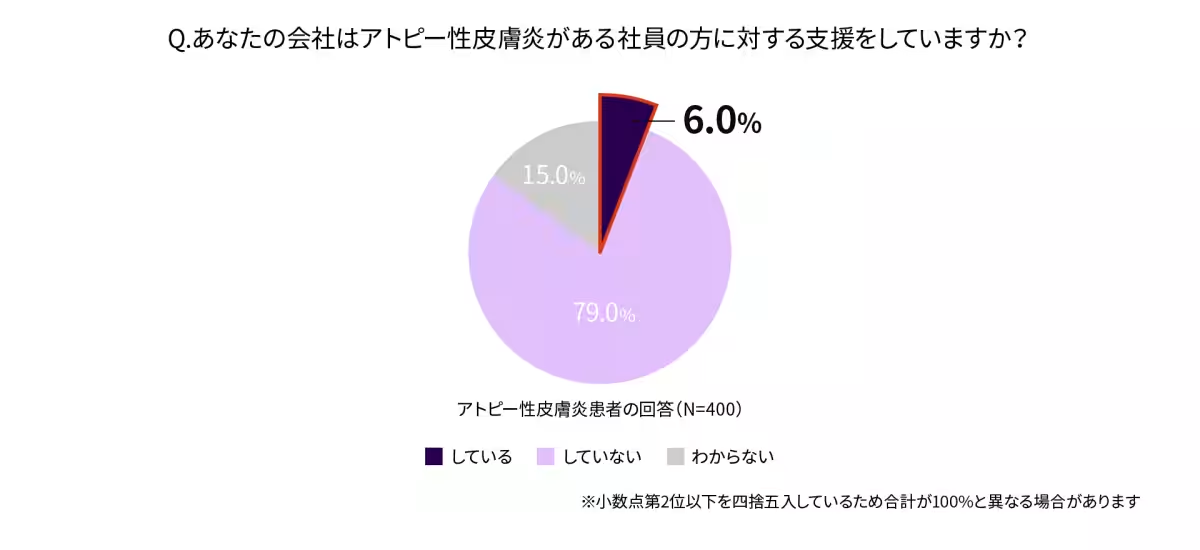
4. Lack of Workplace Support: A glaring gap was identified in workplace accommodations, with nearly 80% of respondents stating that there was either no support available or they were unaware of any such measures. This highlights a critical need for workplaces to establish supportive environments for employees dealing with chronic health issues.
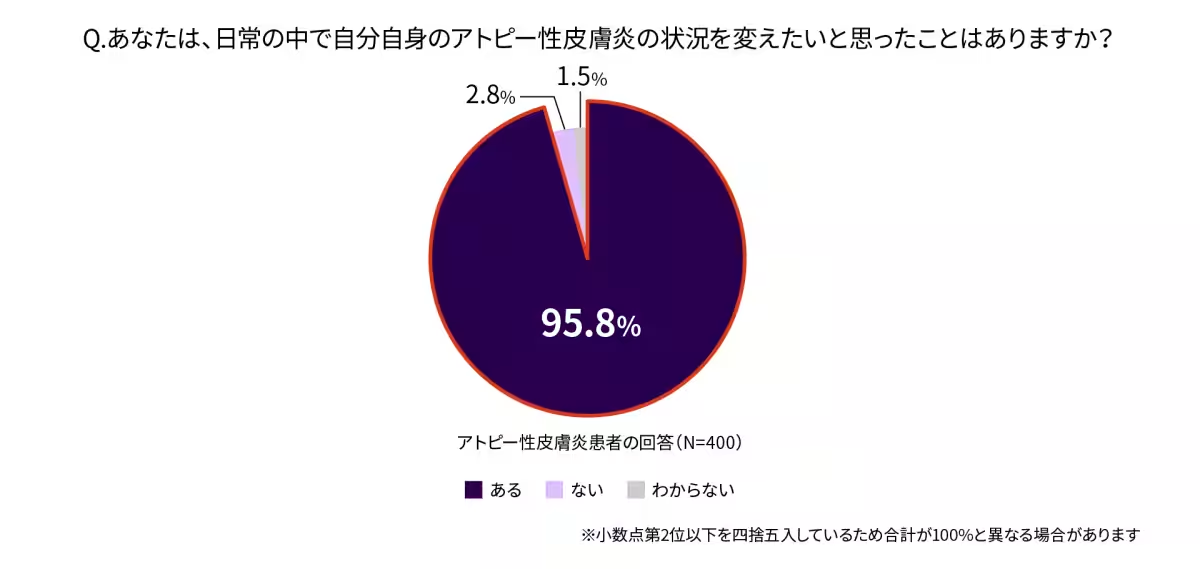
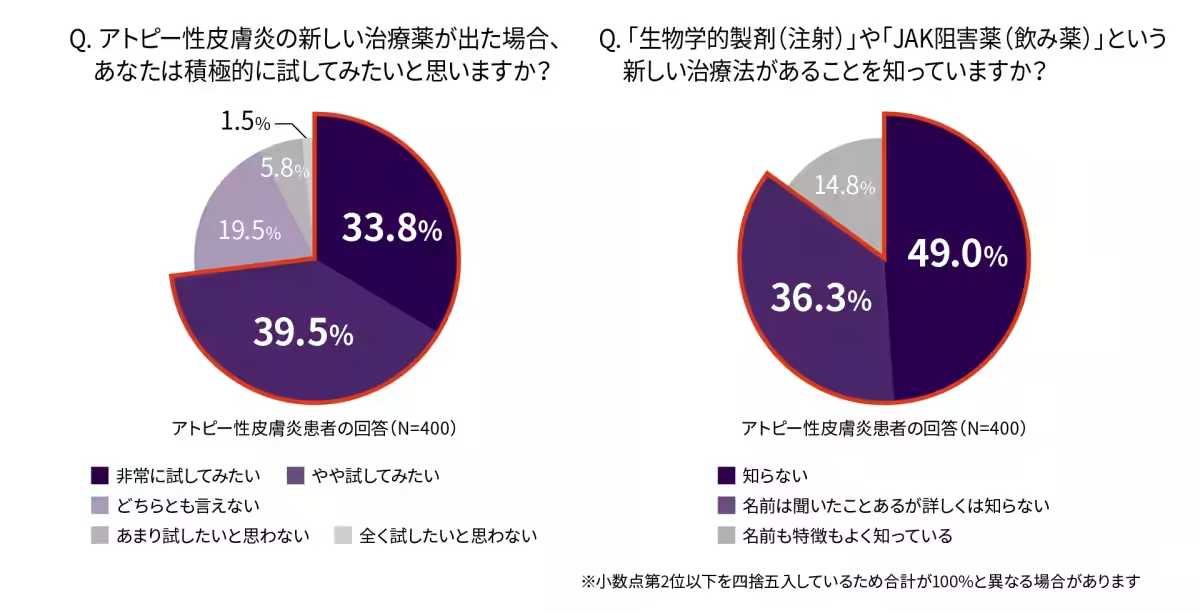
5. Desire for Change and New Treatments: Despite these challenges, an overwhelming 95.8% of patients expressed a desire to improve their quality of life, with about 70% showing interest in switching to targeted biological medications. However, around 85% were not familiar with these new treatment options, underscoring a significant gap in information dissemination regarding emerging therapies.
Dr. Akiko Yagami, the Director of the Comprehensive Allergy Center at Fujita Medical University, emphasized the significance of these findings, stating, "The results unveiled in this survey starkly illuminate the impact of atopic dermatitis on individuals' lives. Many have endured the effects from childhood, influencing their career paths and work experiences. Providing accurate treatment information and fostering societal understanding is vital to enabling these individuals to work freely without being hindered by their symptoms."
Similarly, Narumi Tano, representative of the Osaka Sayama Food Allergy and Atopic Circle "Smile・Smile," reflected on the findings, asserting, "These results echo the everyday reality faced by atopic dermatitis patients and their families. Recognizing the invisible burdens they carry during work and job searches is vital for fostering greater awareness and combined efforts toward support. This challenge requires a collective approach from society. Our hope is for increased understanding that can lead to a safer working environment for everyone."
Those interested in exploring more about the detailed results of the white paper titled "Atopic Dermatitis Patients and Employment" are encouraged to reach out to Sanofi's public relations department for more information.
Study Overview
- - Methodology: Online survey conducted by Ipsos.
- - Geographical Scope: Nationwide.
- - Study Period: April 16-22, 2026.
- - Sample Size: 800 respondents (400 patients, 400 general workers).
Conclusion
The white paper sheds light on the extensive challenges faced by patients with atopic dermatitis, emphasizing the necessity for increased workplace support, better awareness of treatment options, and the importance of societal understanding. The findings present an urgent call for action to improve the experiences of these individuals in their professional lives.


Topics Health)
【About Using Articles】
You can freely use the title and article content by linking to the page where the article is posted.
※ Images cannot be used.
【About Links】
Links are free to use.