



Japanese Frescoball Association Highlights Research Presentation on Beach Sport at International Conference
Groundbreaking Research Presentation on Frescoball
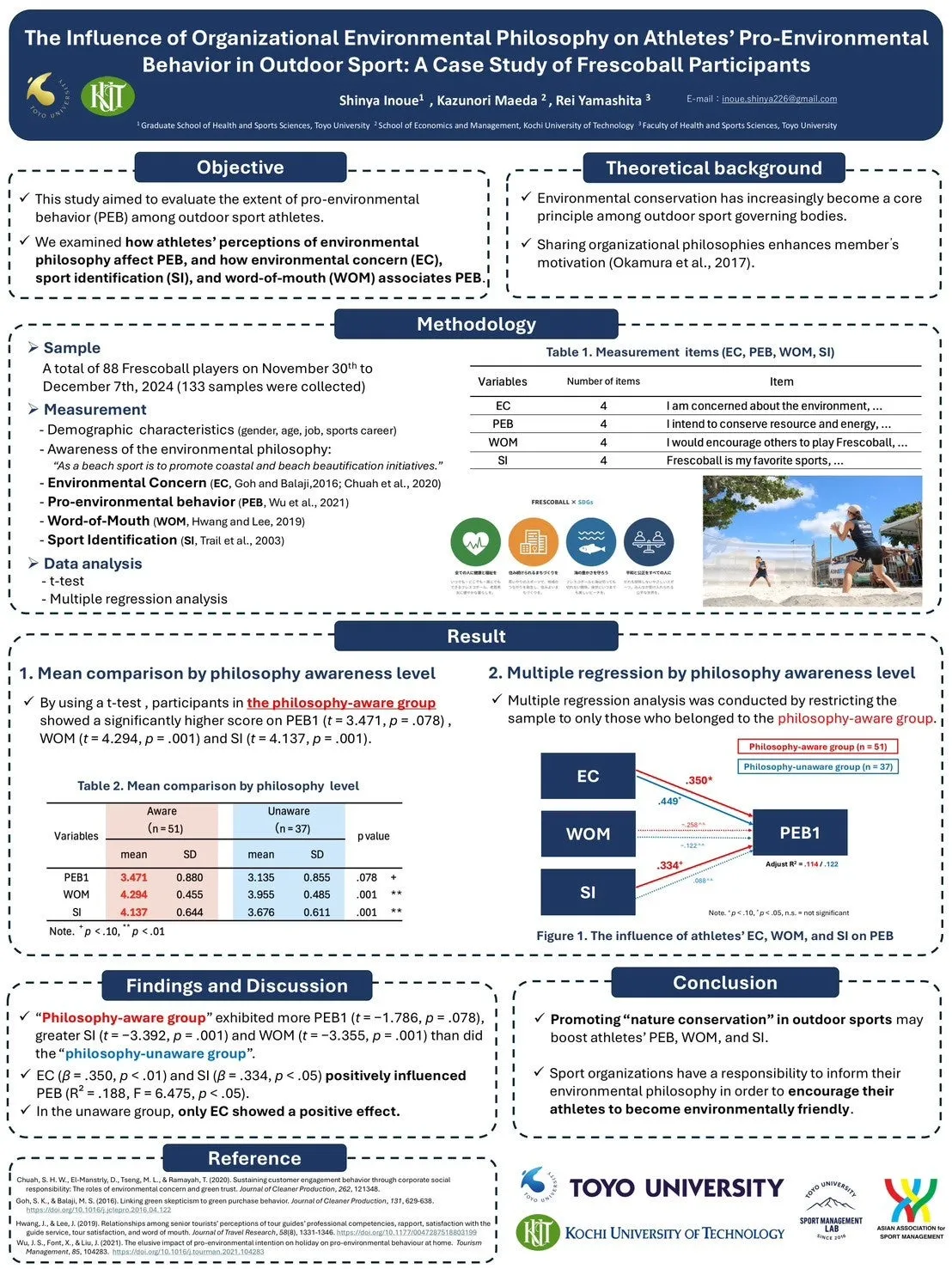
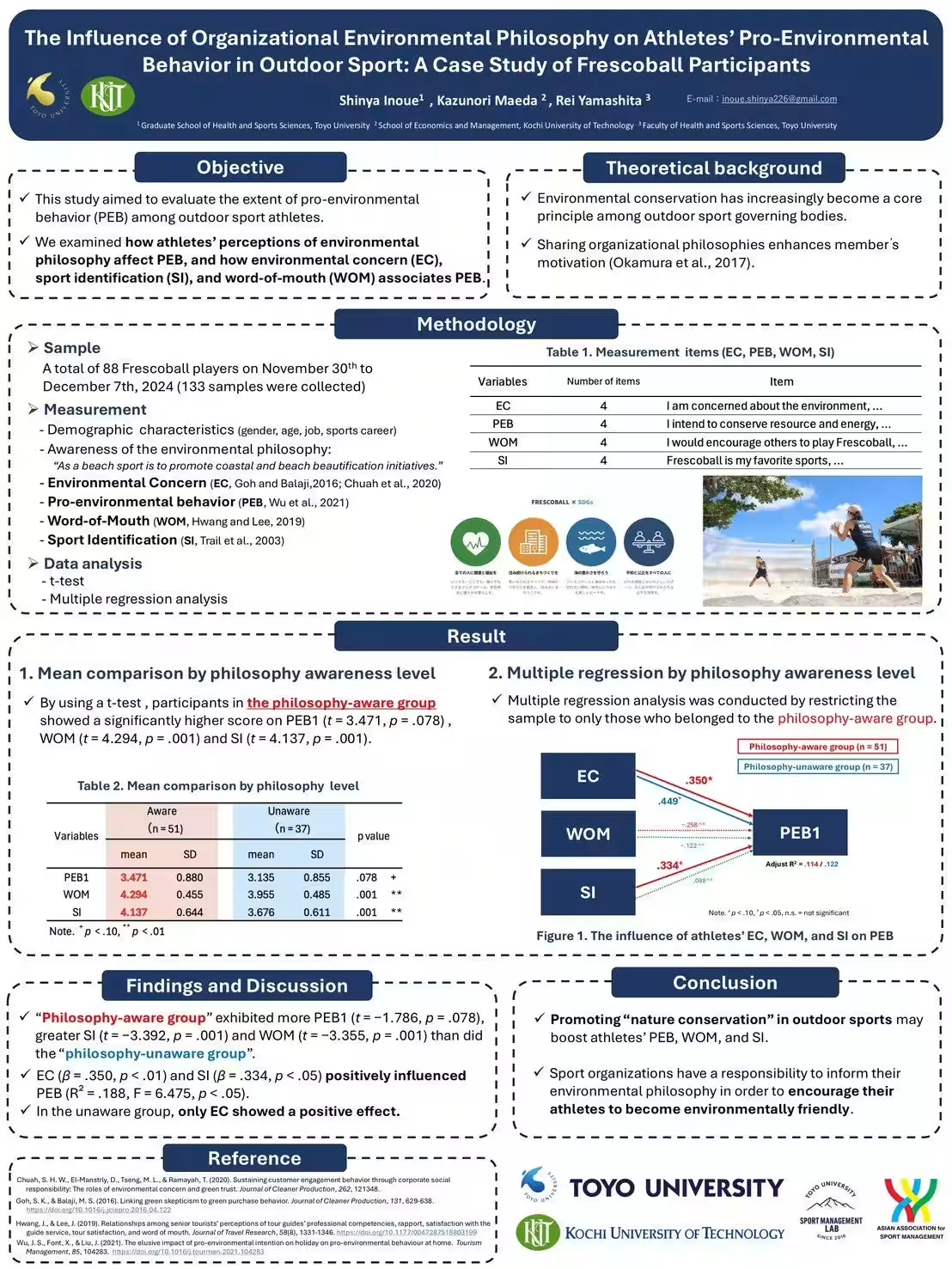
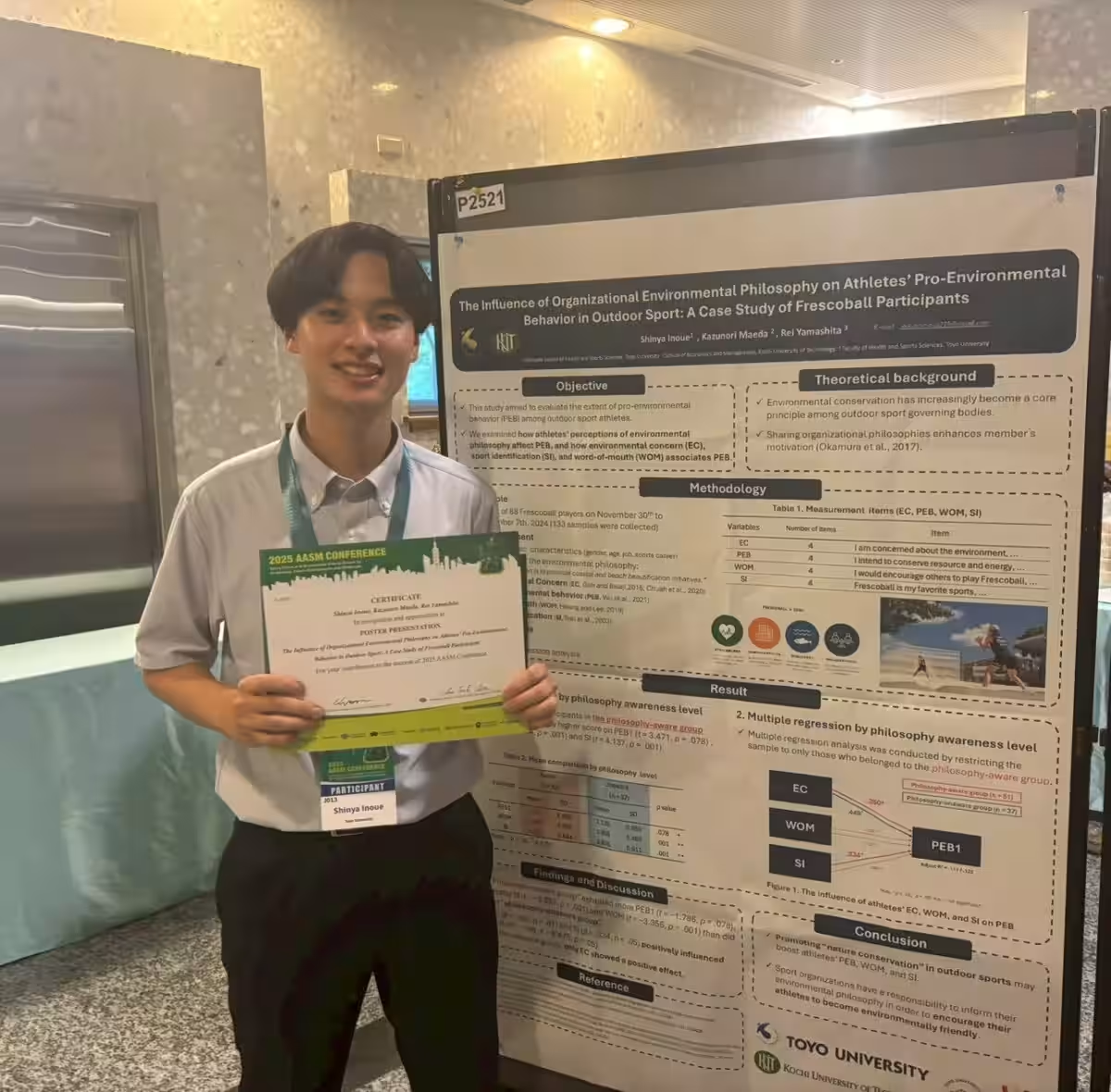
The Japanese Frescoball Association (JFBA), represented by Executive Director Kenji Kuboshima, recently announced that a significant research study on Frescoball, conducted by Shinya Inoue from the Graduate School of Toyo University, was presented at the "Asian Association for Sport Management International Conference." This marks a pioneering moment as it is the first instance of Frescoball being adopted as a research topic at a graduate school level in Japan.
Shinya Inoue, who has showcased his skills as a player by finishing sixth in the Men's category at the JBG®F Chiba Frescoball Japan Open 2022, brings a unique perspective to this research. His background as an athlete contributes to a profound understanding of the sport, making the research insights highly relevant.
Overview of the Research Presentation
The research, which took place from November to December 2024, involved responses from 88 Frescoball players across the nation. Participants were categorized into two groups: those who were aware of the environmental preservation philosophy promoted by the JFBA and those who were not. The findings yielded the following insights:
1. Awareness and Engagement: Players aware of the JFBA's environmental ideals showed a higher interest in environmental issues, a deeper attachment to Frescoball, and an increased willingness to share positive information about the sport with others.
2. Motivation for Environmental Action: Among athletes familiar with these concepts, there was a confirmed interaction between concern for the environment, passion for the sport, and a sense of camaraderie, leading to concrete behaviors such as reducing waste and not harming nature.
3. Diversity in Awareness: In contrast, players unaware of the organization's philosophy demonstrated some concern for environmental issues, yet their attachment to the sport and the sense of community were not fully utilized, indicating a clear divergence in engagement levels.
The Role of Sports Organizations and Future Possibilities
The results of this research illustrate the critical role of sports organizations in not only promoting environmental values but also ensuring these ideals are communicated effectively to participants. Such engagement is pivotal for fostering proactive behavioral changes among individual athletes. It also offers significant insights for creating sustainable societies through sports.
As an outdoor sport closely connected to the natural environment, Frescoball possesses vast potential to raise awareness of environmental preservation through participation. The JFBA remains committed to both promoting the sport and advocating for a culture of coexistence with the environment.
What is Frescoball?
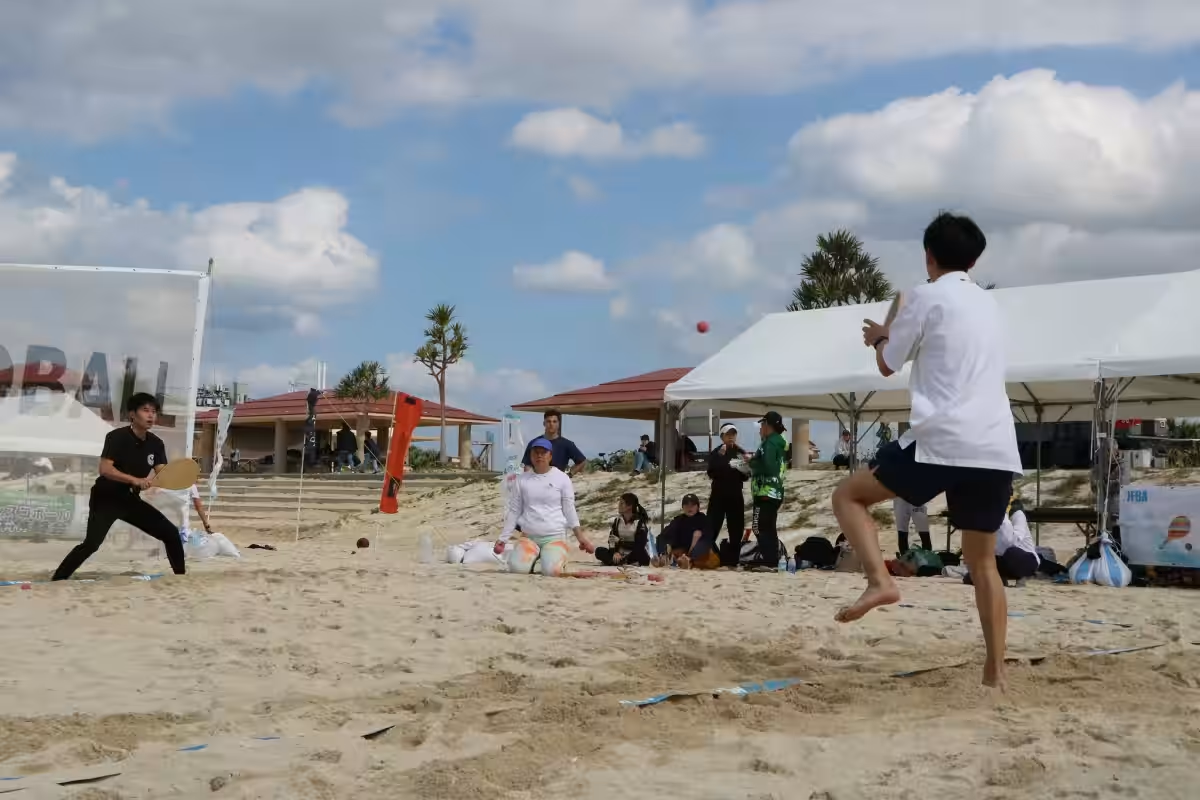
Frescoball is a beach sport that originated in Rio de Janeiro, Brazil, in 1945. Born on Copacabana Beach, it has grown in popularity around the world. One of its distinct features is the cooperative nature of the game; rather than competing against each other, two players work together to maintain a rally, making it a unique scoring sport. Matches typically last five minutes, with players maintaining a distance of seven meters apart. This collaborative aspect has led to Frescoball being dubbed a "sport of compassion."
The JFBA is actively working on unifying international rules in collaboration with the Rio Frescoball Federation (FEFERJ) and plans to establish the first international organization, UAFI, by October 2025. This initiative aims to unify the global Frescoball community, and domestically, there are currently 28 authorized regional clubs and six recognized student organizations registered under the JFBA.
Topics Sports)
【About Using Articles】
You can freely use the title and article content by linking to the page where the article is posted.
※ Images cannot be used.
【About Links】
Links are free to use.