



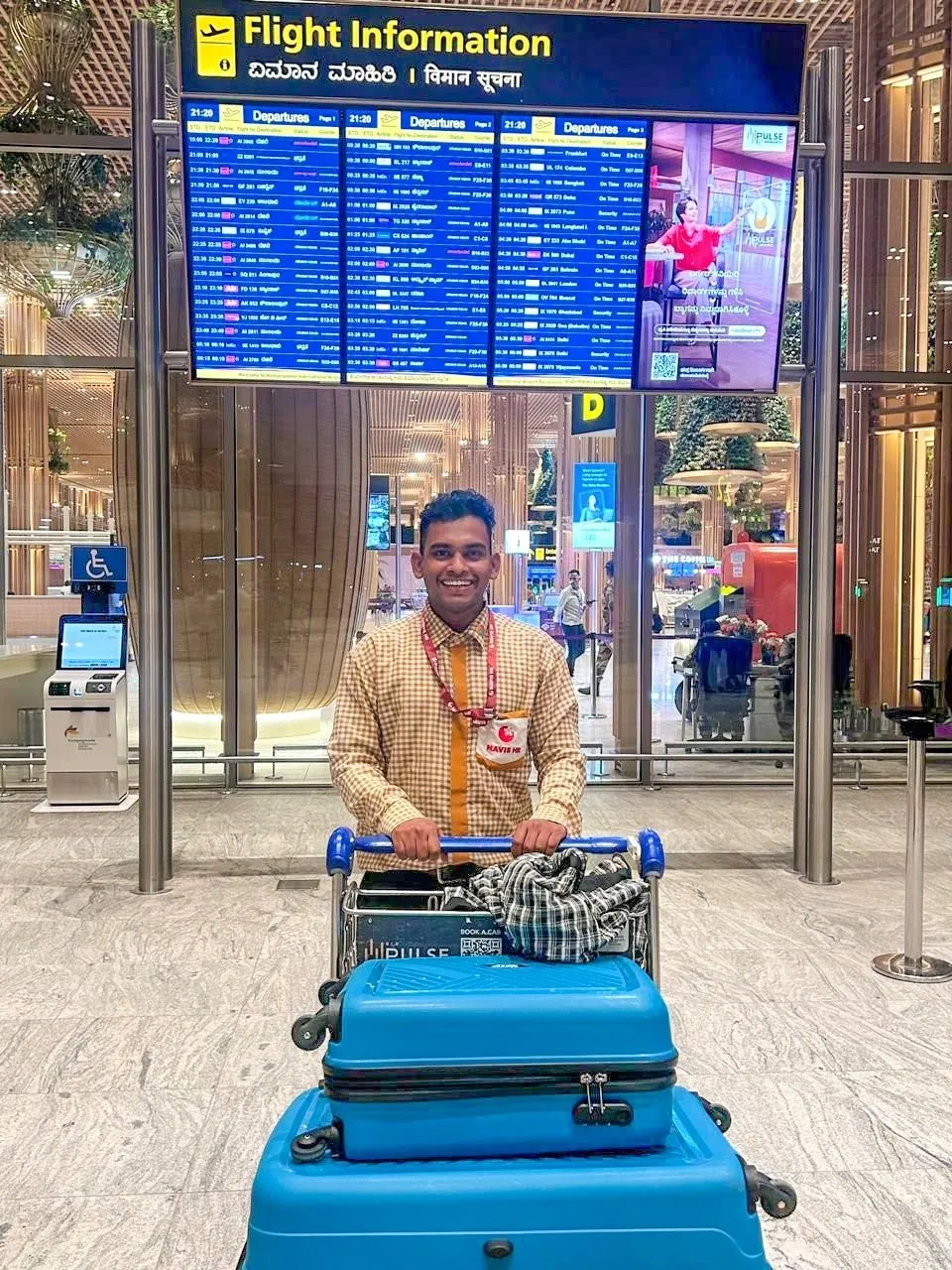
Historic Milestone: Indian Truck Driver Enters Japan as First from Abroad
Historic Entry of Indian Truck Driver to Japan
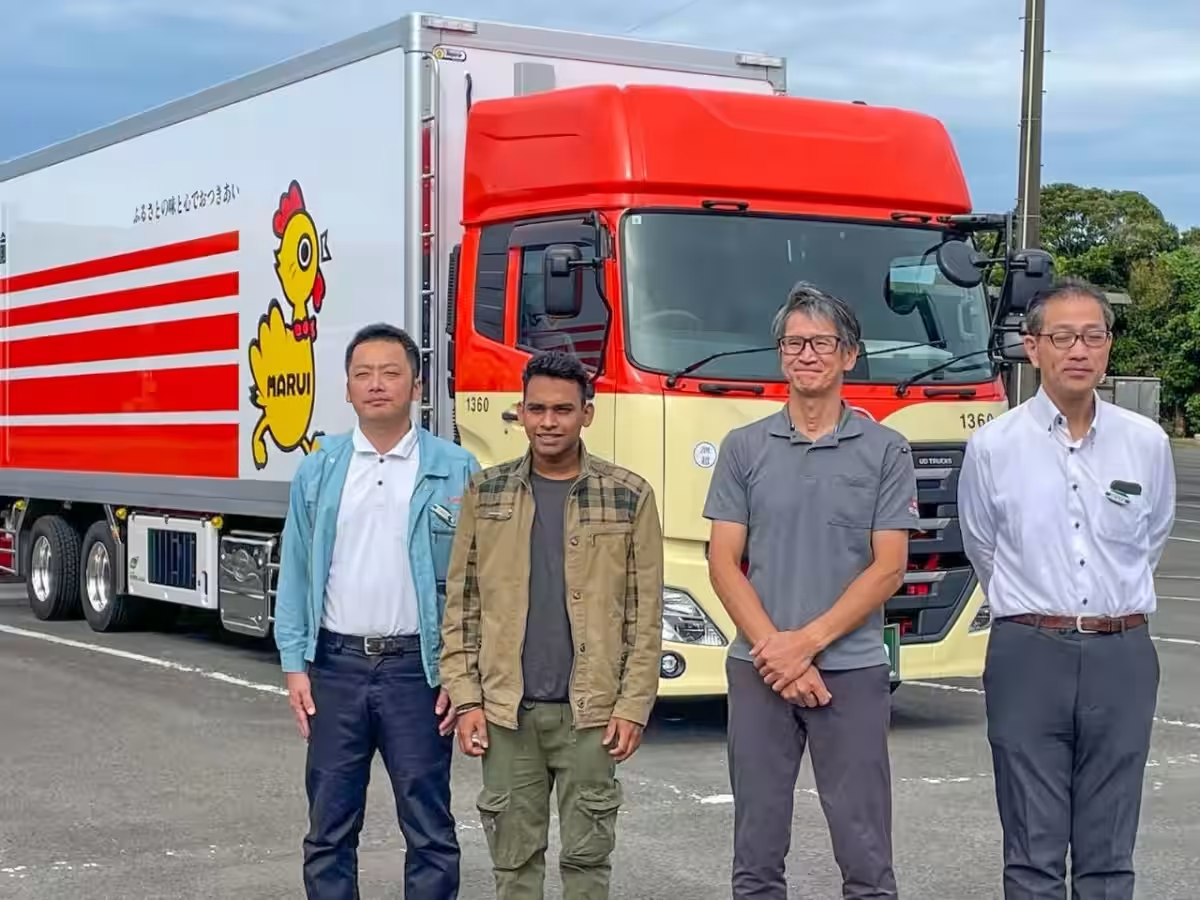
On October 29, 2025, the logistics landscape in Japan witnessed a historic moment. An individual named Rakesh, a 24-year-old truck driver from Odisha, India, became the first foreign driver to enter Japan after passing the specific skills evaluation test in the automotive transport sector. This significant milestone was made possible by NAVIS Human Resources Pvt. Ltd. (NAVIS HR), led by CEO Takako Oshibuchi, after more than two years of meticulous training and preparation.
Rakesh's Journey
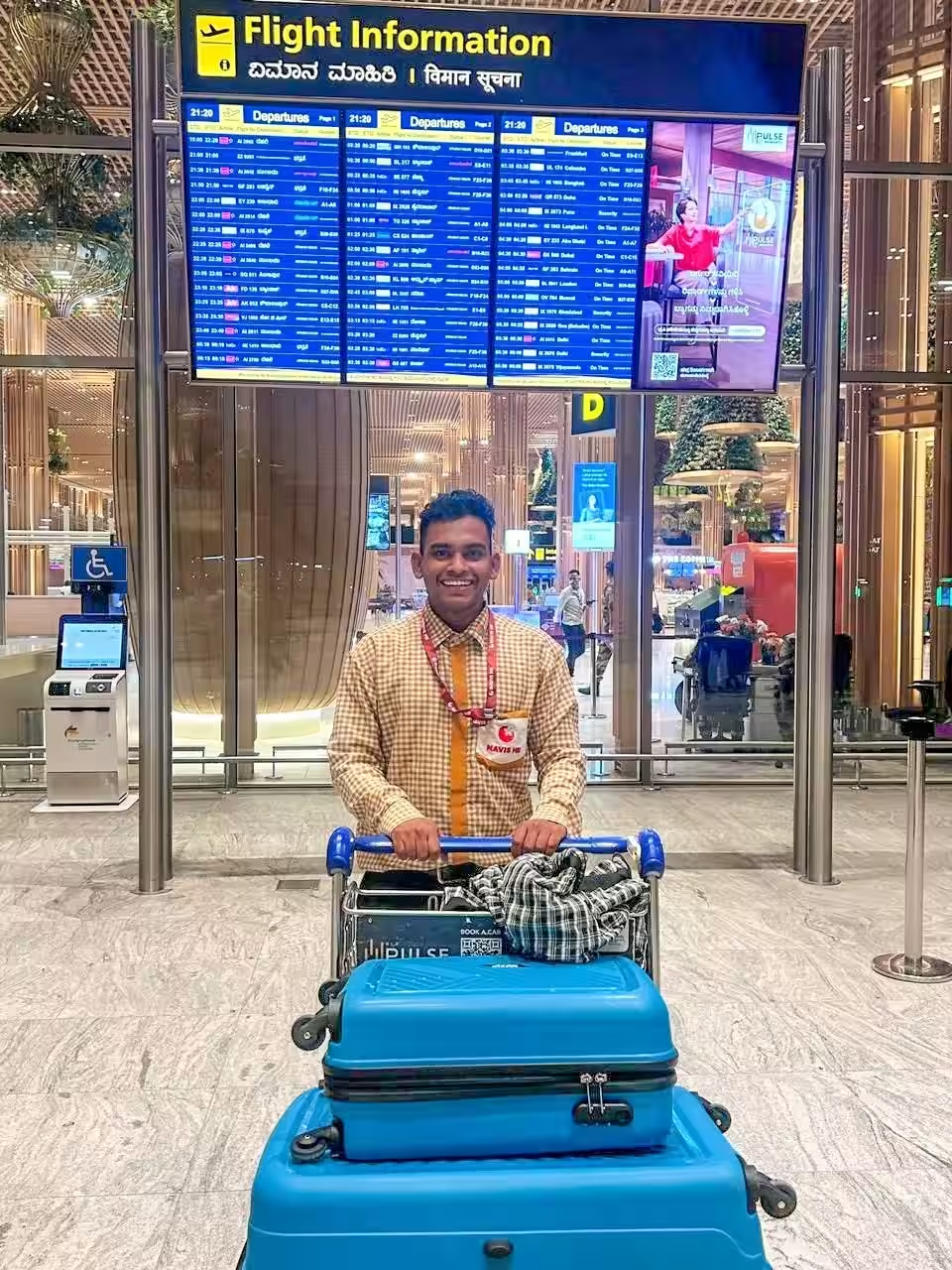
Rakesh embarked on his journey from Kempegowda International Airport in Bengaluru, India, aboard Thai Airways flight TG648. He departed on October 28 at 1:00 AM local time and arrived at Fukuoka Airport on October 29 at 8:10 AM Japan time. Upon his arrival, he was greeted with warm smiles and welcoming arms from Marui Transport Co., Ltd., where he will begin his new career in the logistics industry.
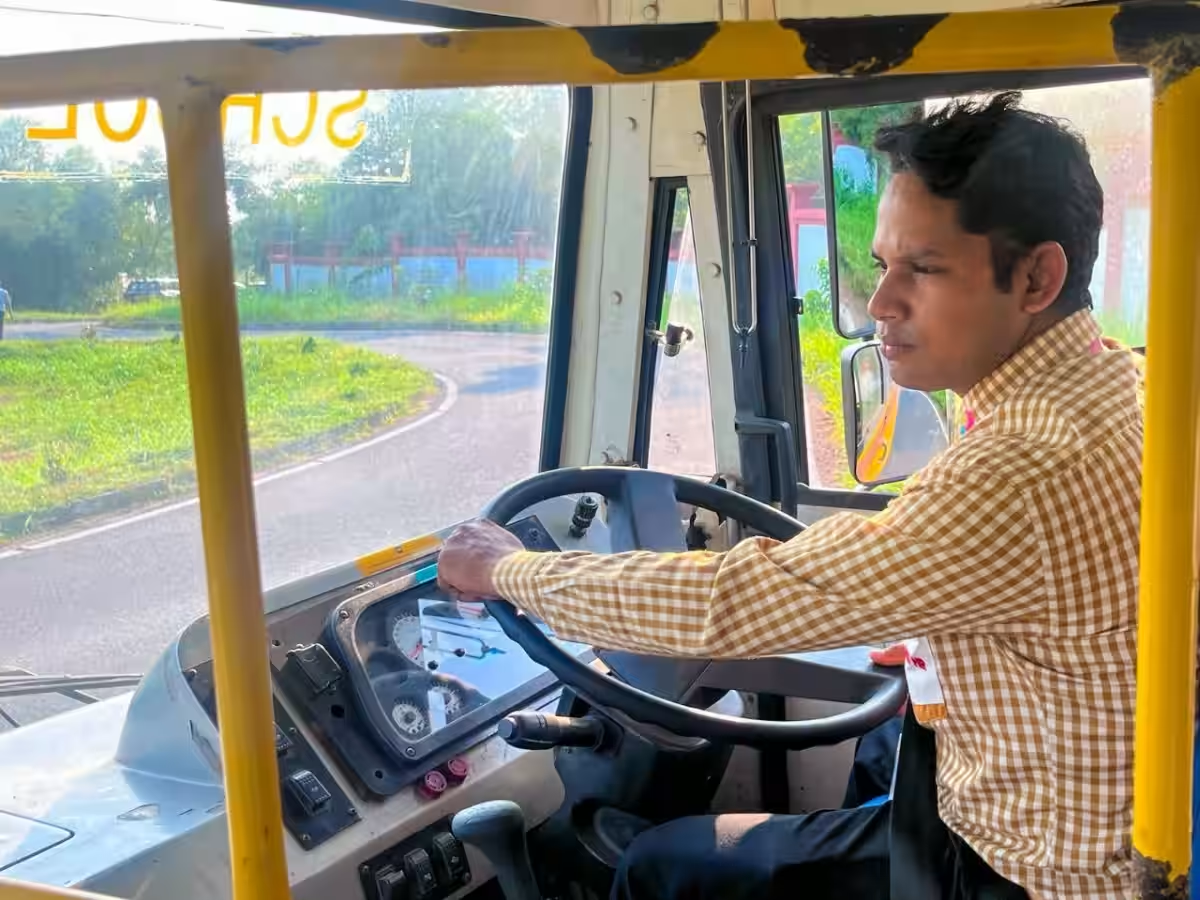
Rakesh's achievements are impressive. He maintained perfect attendance during his training and participated actively in interview practices. His Japanese language skills are exceptional, enabling him to understand and engage in conversation effectively, which was a critical factor in passing the evaluation test on his first attempt. With a prior large truck license from India and practical work experience, Rakesh is expected to thrive in Japan's demanding logistics sector.
Expansion of Opportunities
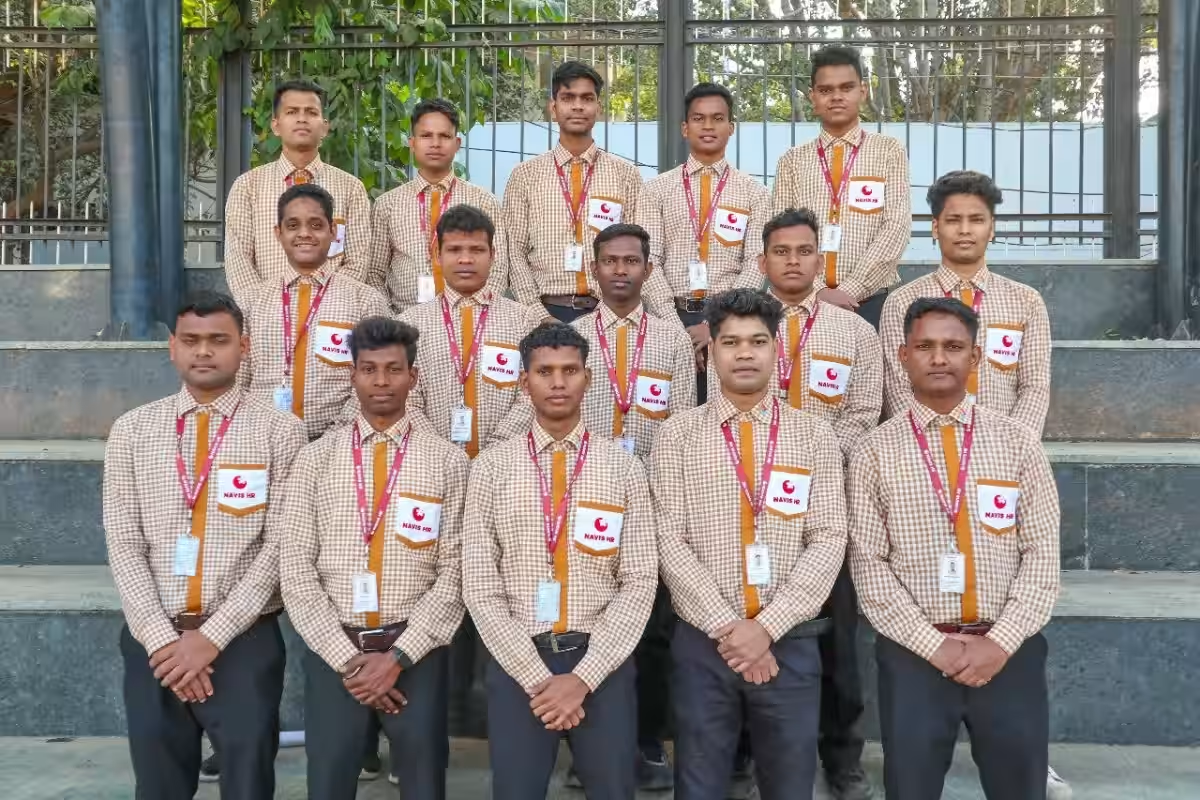
The success of Rakesh is just the beginning. NAVIS HR has announced that 13 additional Indian truck driver candidates from their first training program are now being recruited by logistics companies across various regions in Japan, including Kagoshima, Shizuoka, and Gifu prefectures. These candidates are set to travel to Japan to start their careers shortly, fostering a new wave of skilled international drivers.
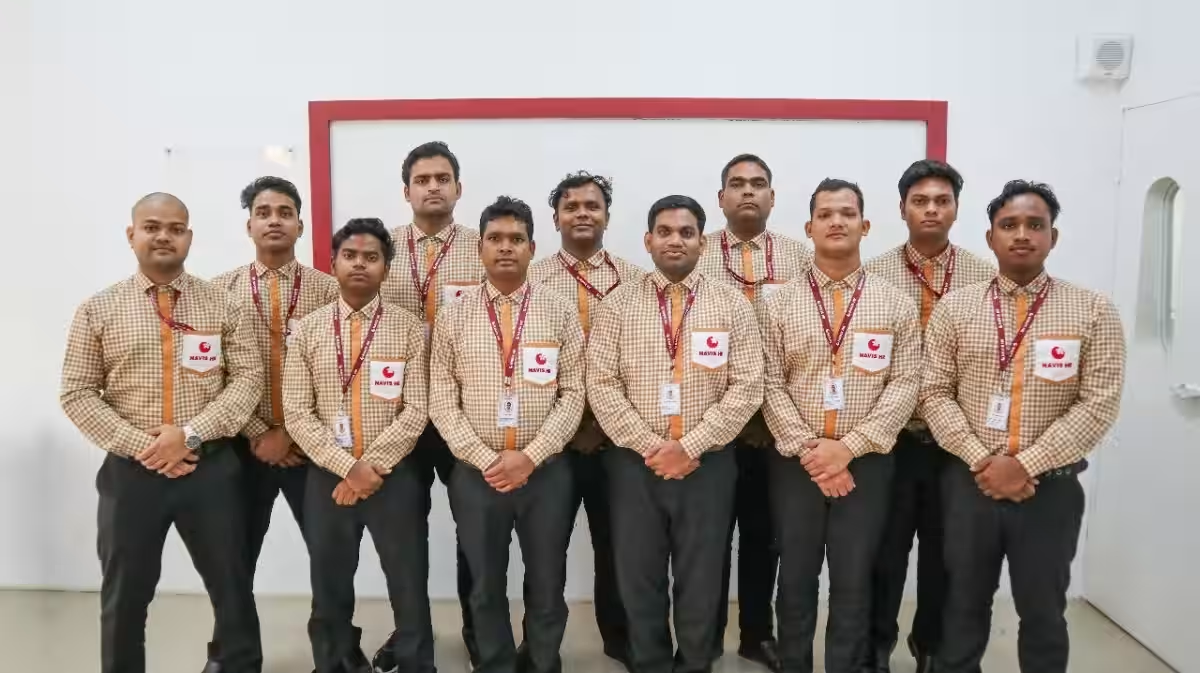
Meanwhile, a second group of 11 trainees is currently undergoing Japanese language training and has already reached a level N4 proficiency. They are also being prepared for opportunities as bus drivers, showcasing the flexibility and adaptability of NAVIS HR's training programs.
Tackling the Challenge in Taxi Services
Recognizing the growing demand for high-quality international personnel in urban taxi services, NAVIS HR is making strides in this sector as well. By prioritizing top-tier Japanese language education, they are preparing expatriates for the taxi industry, ensuring a steady supply of skilled workers to meet rising urban needs.
Commitment to Quality and Career Advancement
NAVIS HR's recruitment policy significantly differs from others. Instead of merely considering those who wish to relocate to Japan, the company focuses on candidates who have a sincere commitment to building a career in the logistics sector. This dedication ensures that once they enter Japan, these professionals remain steadfast in their chosen industry, minimizing turnover and optimizing their training for immediate effectiveness.
About NAVIS HR and Marui Transport
Established in 2002, NAVIS HR has positioned itself as a pioneer in nurturing international talent from India for opportunities in Japan. They offer a range of training programs targeted at various professional fields, including nursing and IT. Their track record speaks volumes, with a substantial percentage of caregivers and aviation personnel being successfully integrated into Japanese industries.
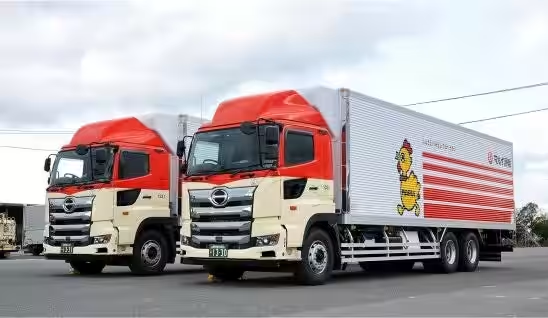
Marui Transport Co., Ltd. in Kagoshima, which has been in operation for many years, embodies the commitment to safety and reliable transportation services. By integrating international drivers like Rakesh, they are not only enhancing their operational capacity but also serving as a model of international workforce utilization for the region.
The Path Ahead
Takako Oshibuchi, CEO of NAVIS HR, emphasizes that the goal goes beyond simply filling gaps in the workforce. The focus is on delivering highly qualified personnel capable of elevating the quality of service in Japan. With the right partnerships and commitments from both sides, they aim to create a sustainable and effective integration of international talent into the Japanese workforce.
This momentous occasion not only marks the beginning of a new chapter for Rakesh and his fellow drivers but also sets a precedent for the evolution of the logistics and transportation sectors in Japan, showcasing the potential for skilled international cooperation in a globalized world.





Topics General Business)
【About Using Articles】
You can freely use the title and article content by linking to the page where the article is posted.
※ Images cannot be used.
【About Links】
Links are free to use.