



High School Job Placement Survey Reveals Insights into Current Trends in Japan
High School Job Placement Survey: Key Insights
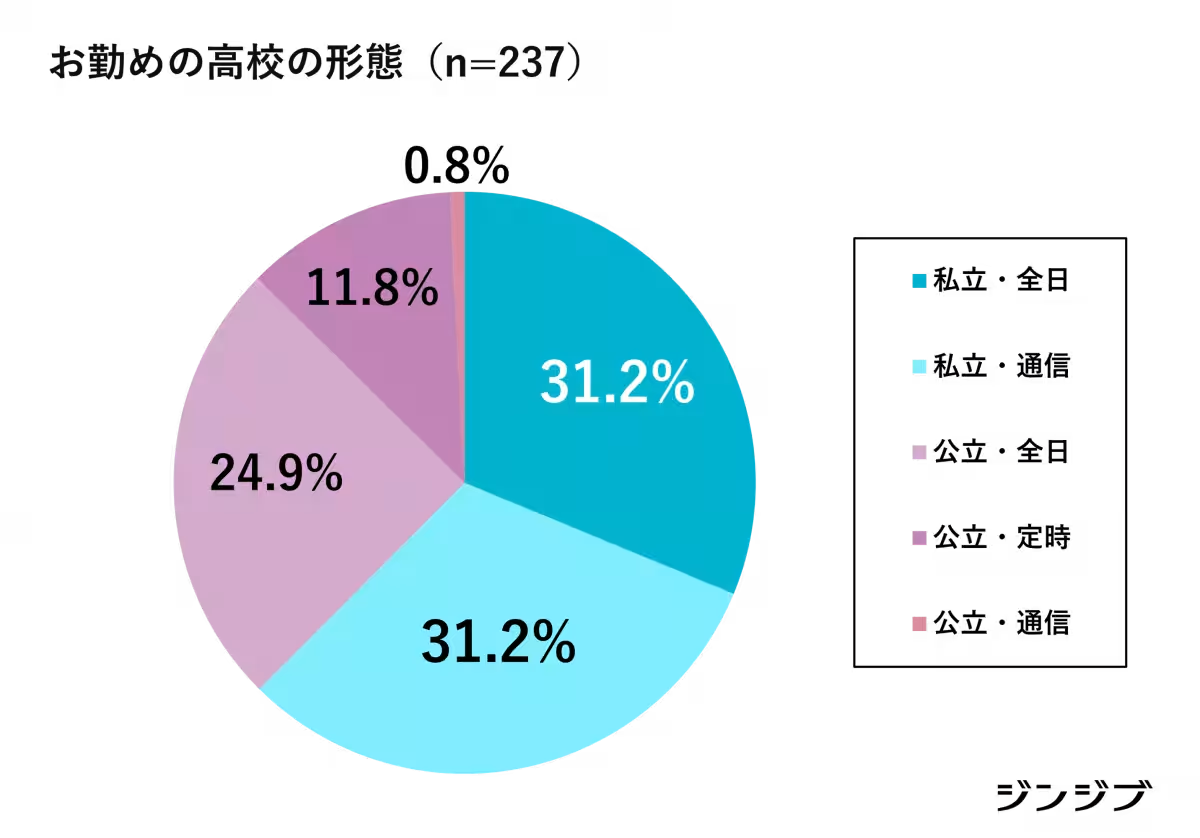
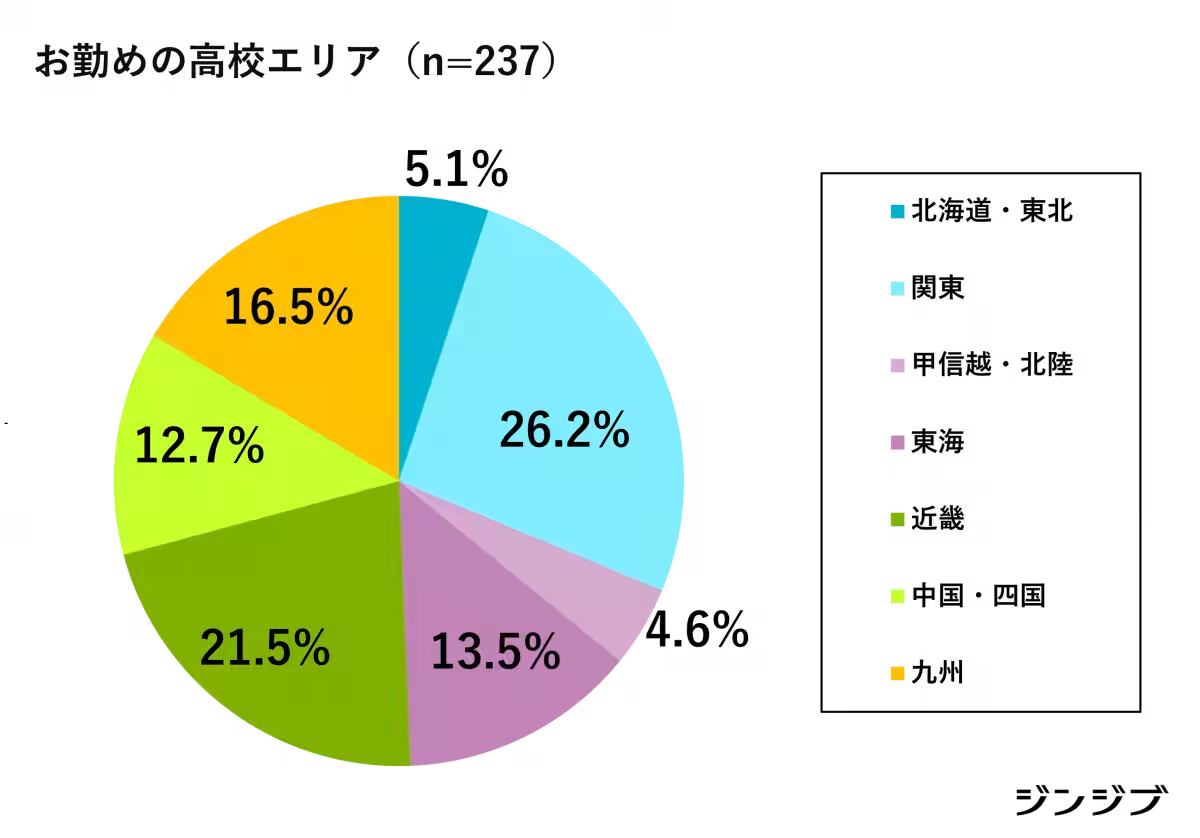
In an effort to understand the current landscape of job placements for high school graduates in Japan, Jinjib, a company based in Osaka, recently conducted a survey among national high school teachers involved in career guidance. The survey included responses from 237 teachers, providing a valuable glimpse into their views on job placement systems, the influence of AI, and the challenges faced by students entering the workforce.
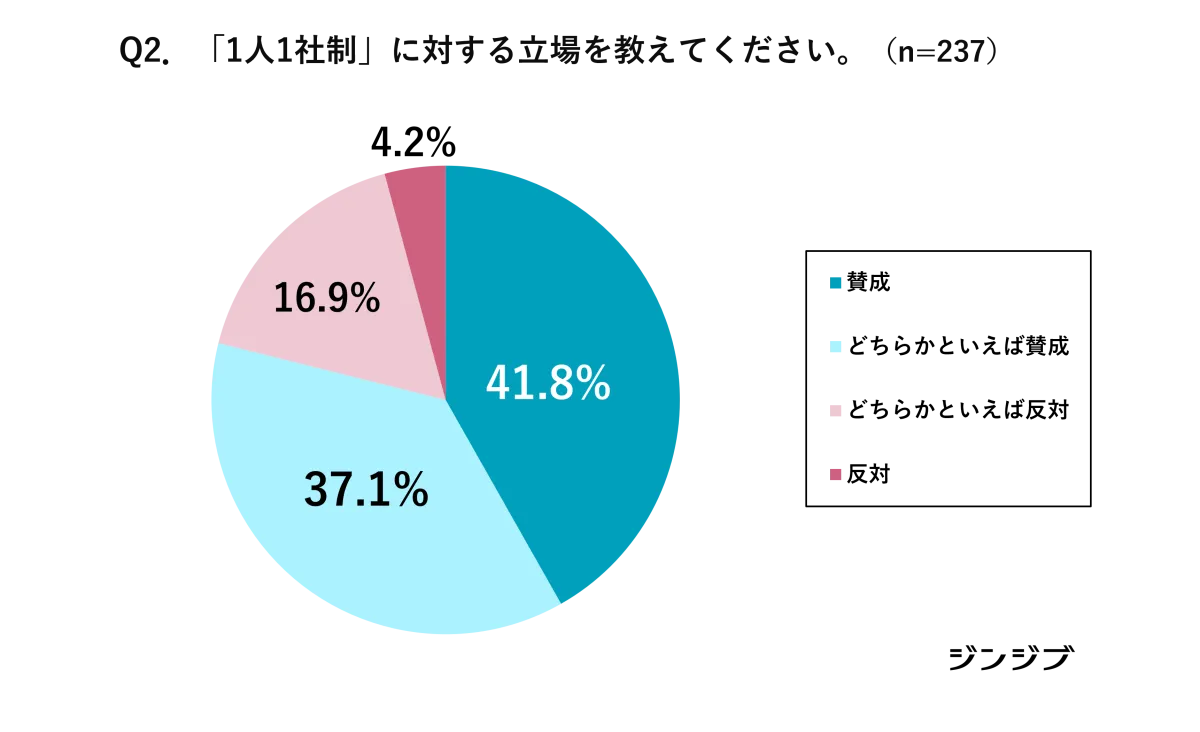
Support for the One-Person, One-Company System
The survey found overwhelming support for the “one-person, one-company” policy, with nearly 80% of teachers in favor. Many educators expressed that limiting students to a single application reduces their psychological and physical stress during the job-hunting process, with 74.3% citing this concern as a top reason for their support.
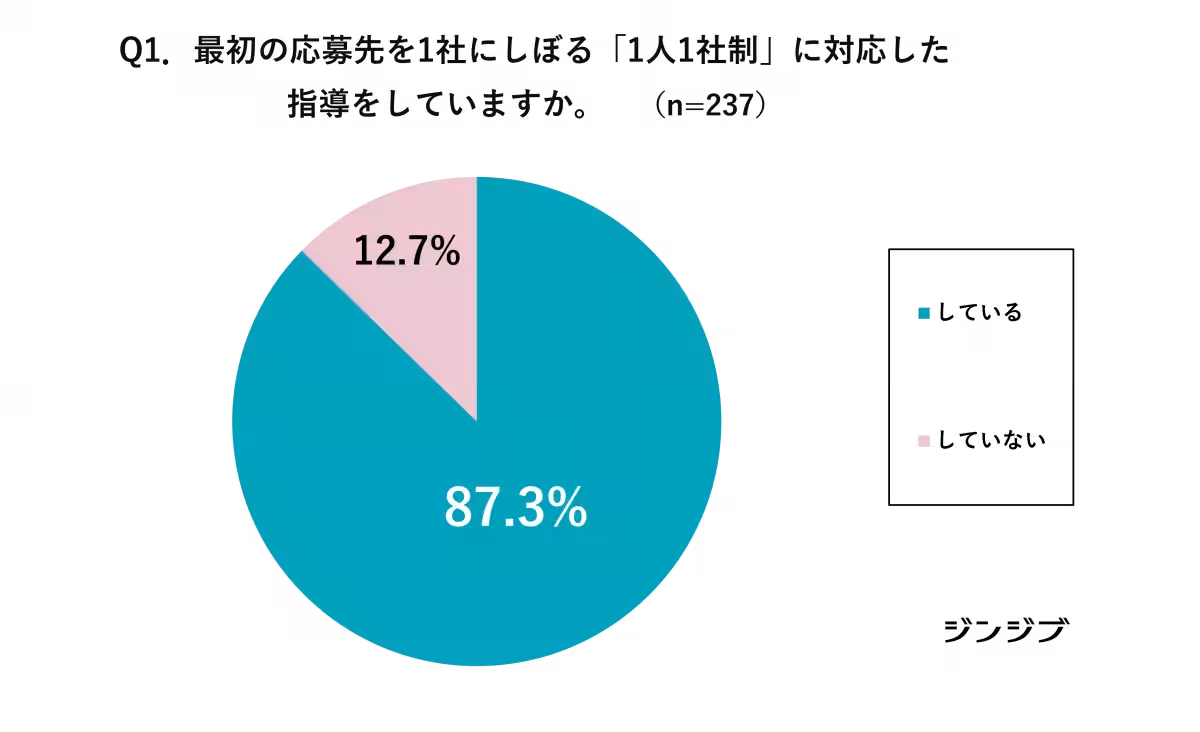
Despite some pushback related to this policy, particularly regarding concerns about narrowing options for students, the consensus remains that it alleviates the pressures associated with multiple applications. However, among teachers who oppose the policy, about 84% pointed out the risk of limiting choices and potential mismatches between employers and students.
Exploring Alternatives
While the majority of educators support the status quo, there are calls for hybrid models that allow external support alongside the traditional school-based methods. This diverging opinion suggests a need for balance: maintaining the integrity of the school system while adapting to modern job market demands.
Digital Platforms and Information Access Challenges
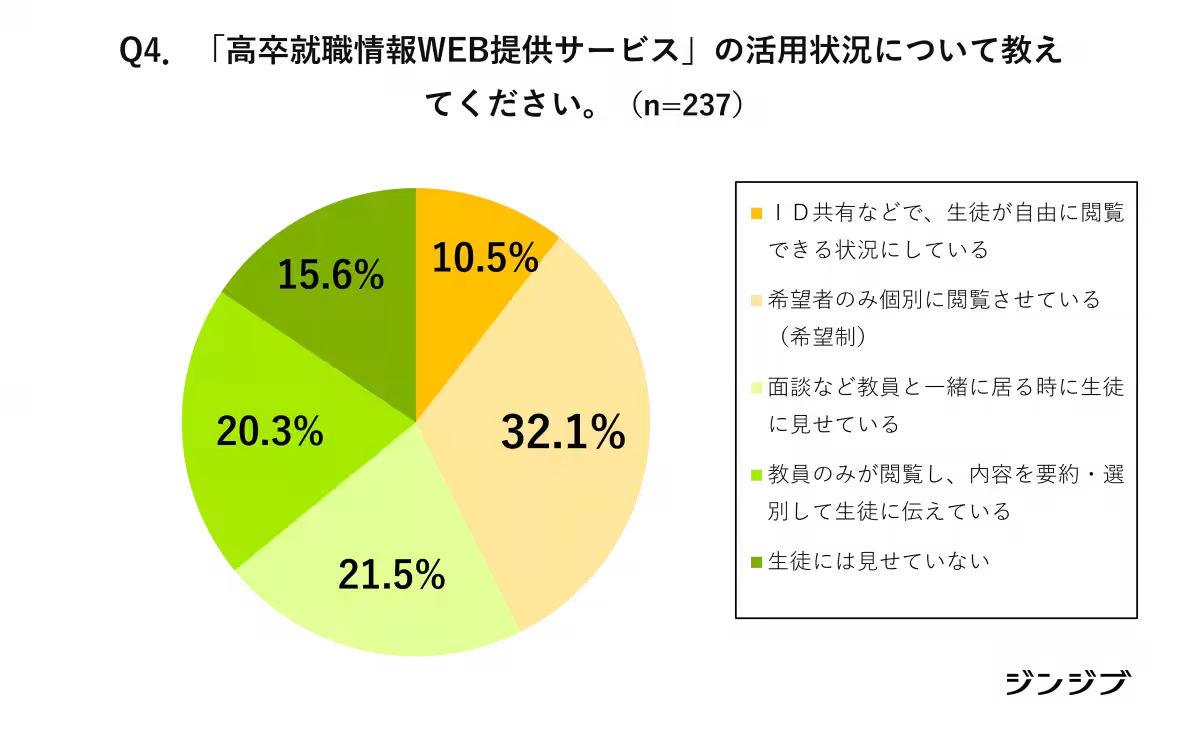
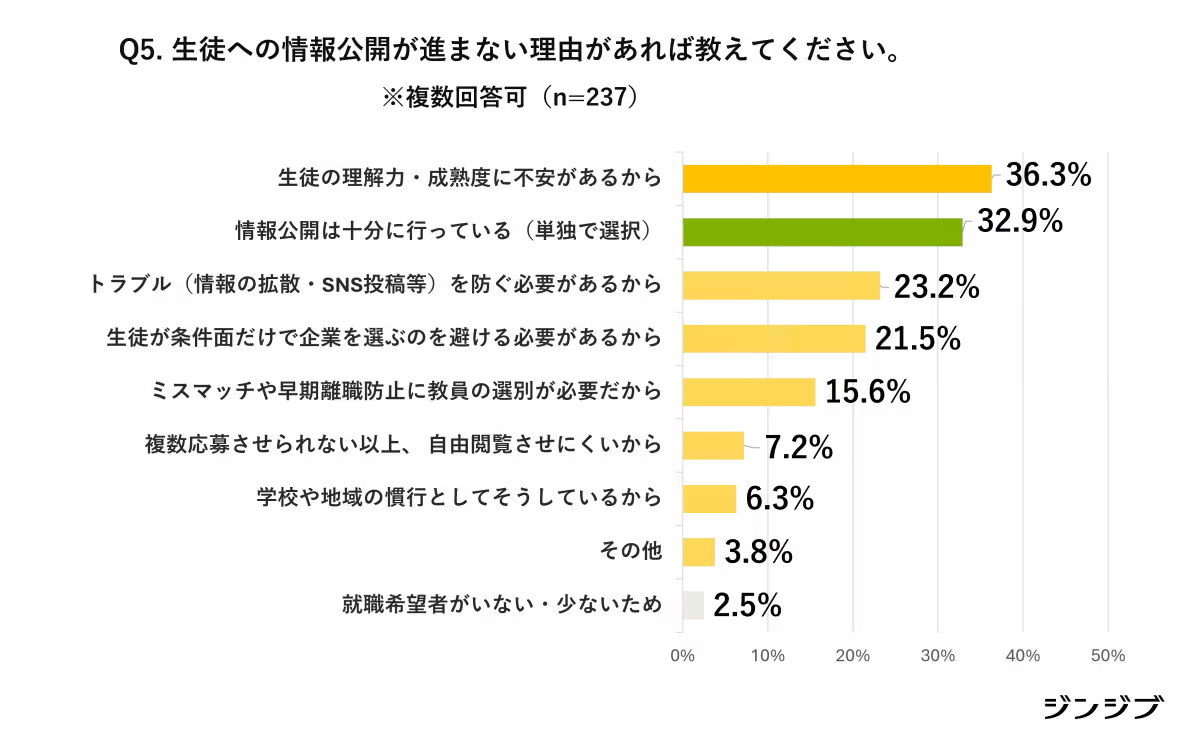
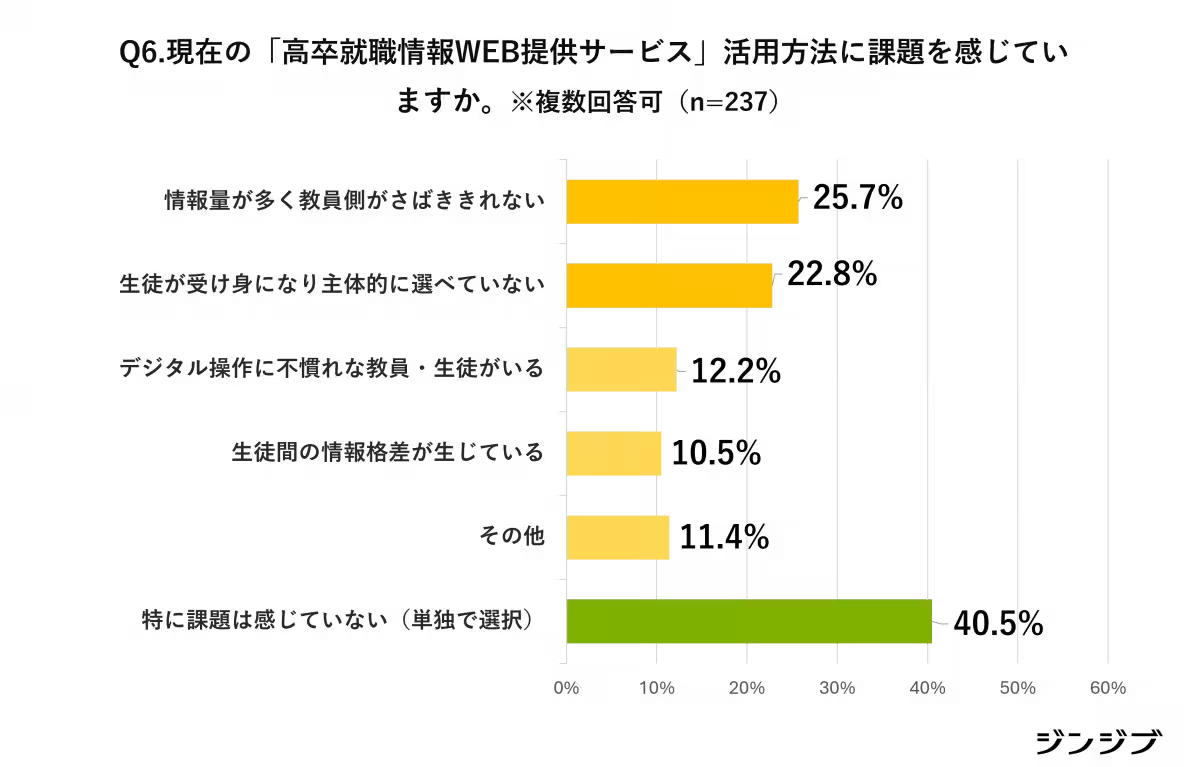
Another significant finding of the survey pertains to the current challenges faced by high school students in accessing job information. While platforms such as the High School Employment Information Web Service have been established, only 10.5% of teachers reported that students can freely access job listings. Most respondents pointed to barriers such as information overload, the risk of misinformation on social media, and the overall difficulty in navigating these resources.
As digital transformation continues to reshape job hunting, it appears that students require more structured guidance to harness these tools effectively. Teachers highlighted concerns about the disparity between their willingness to share information and the students’ readiness to process it.
The Role of AI in Career Guidance
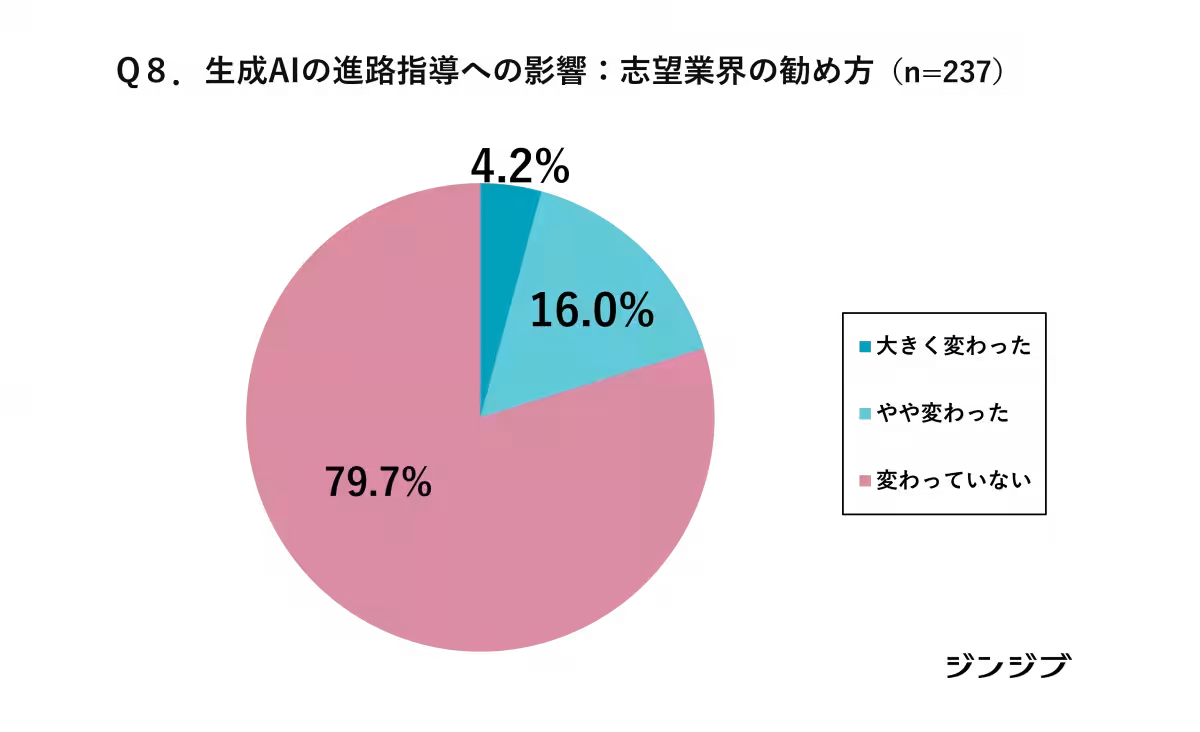
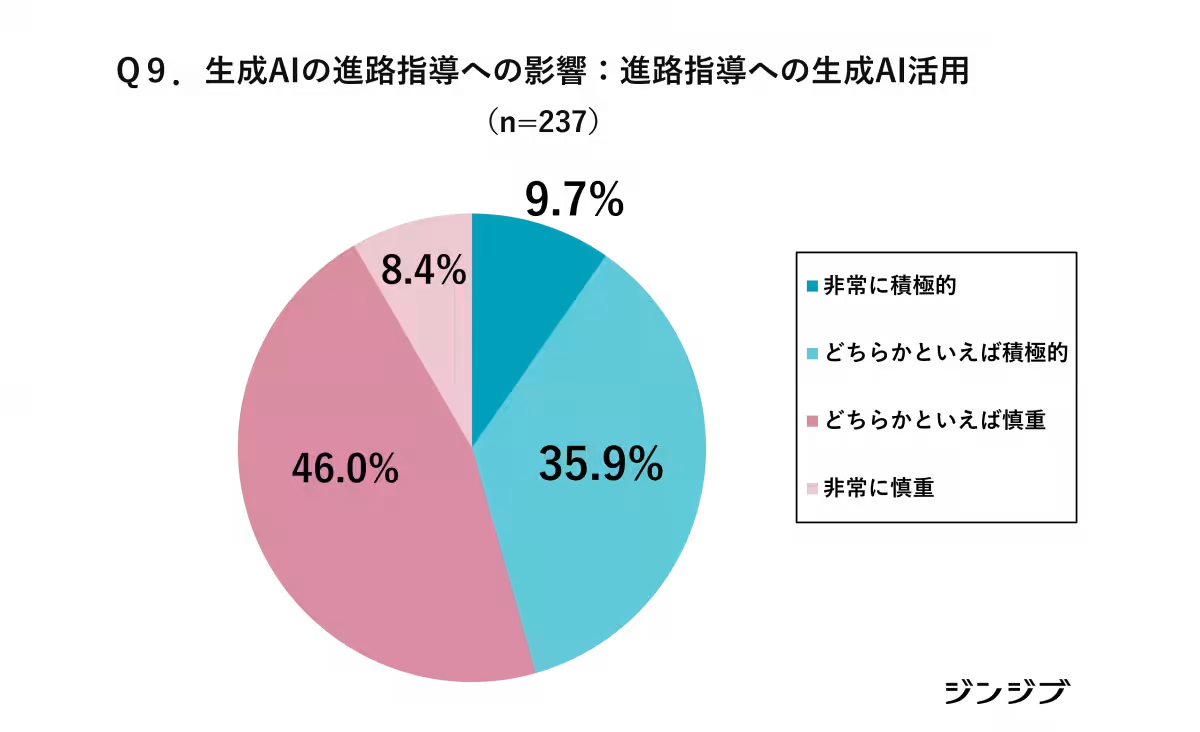
The rapid emergence of generative AI tools has also stirred a variety of opinions within the educational community. Approximately 54.4% of teachers expressed cautious optimism about the role of AI in streamlining the career guidance process, acknowledging both its potential to enhance efficiency and concerns about diminishing students' decision-making skills. In contrast, 45.6% are more optimistic, seeing AI as a valuable resource for document preparation and information gathering.
The Need for Enhanced Career Education
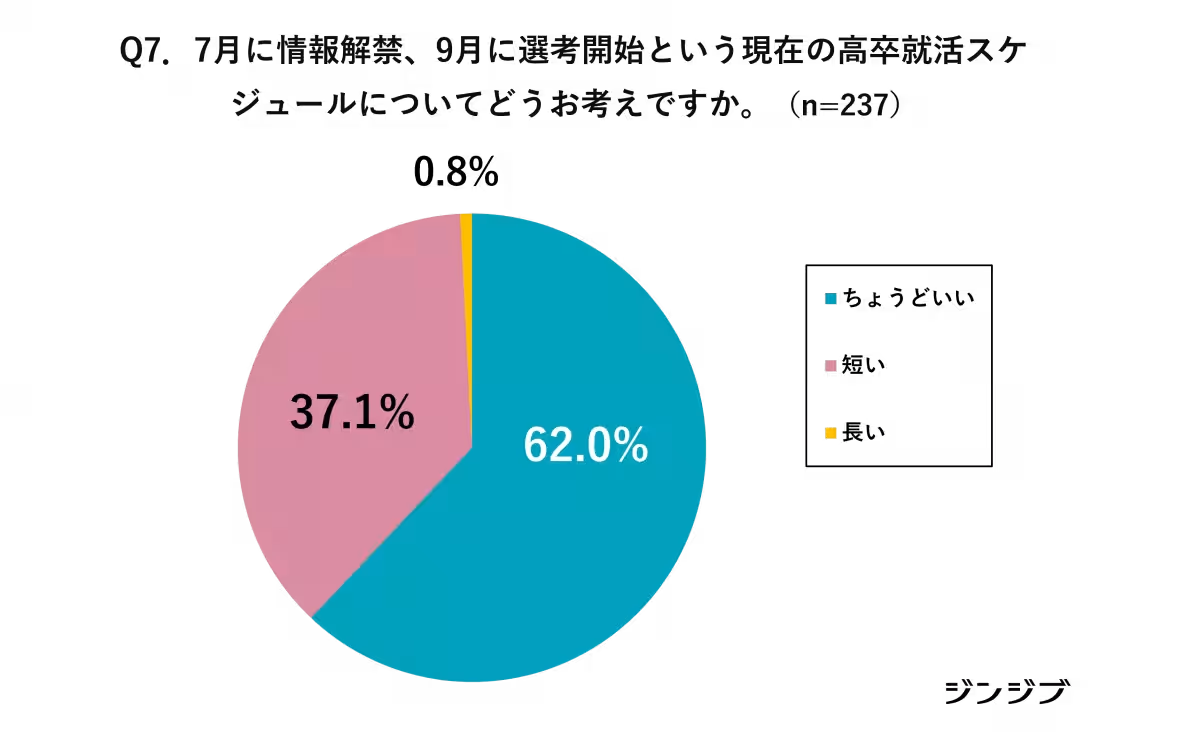
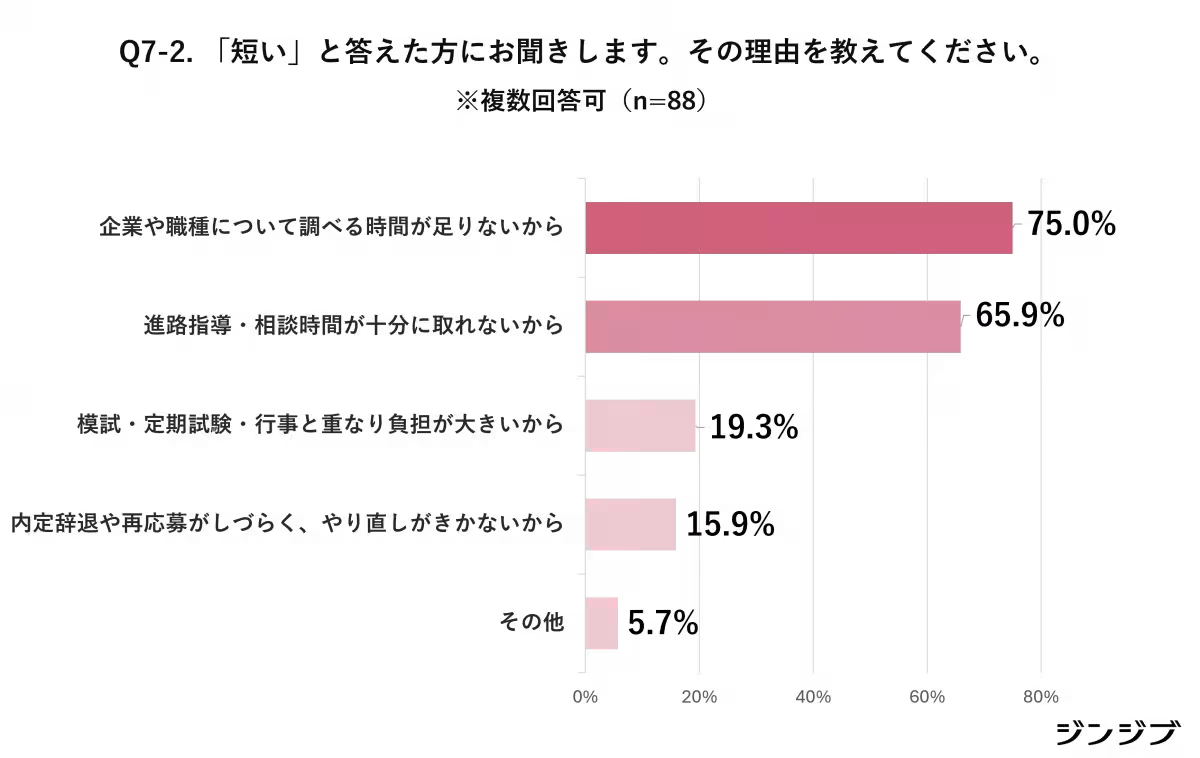
The survey also delved into the timing of job placements and scheduling issues. Many respondents indicated that the current timeline from application to placement is too compressed, particularly during the summer months when students are expected to balance job searching with other academic responsibilities.
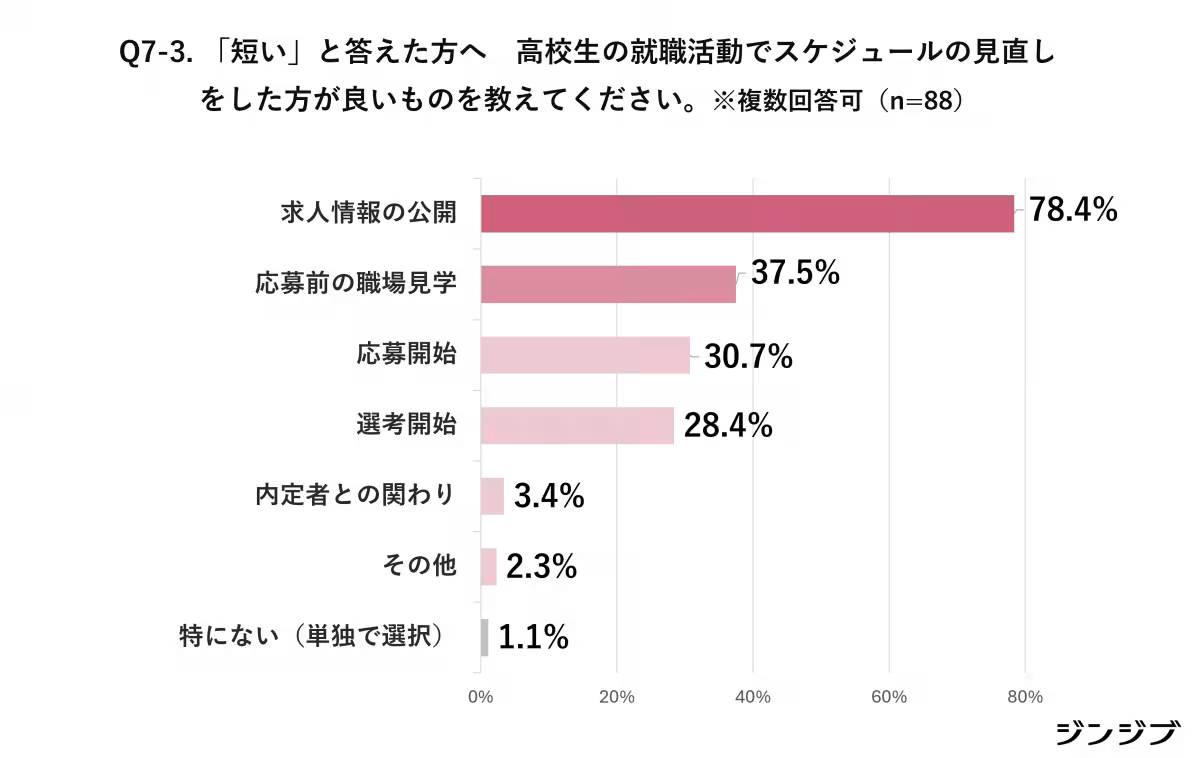
Furthermore, a significant 78.4% of teachers called for changes in when job information is made available. Many highlighted that an earlier release could ease final application pressures and ensure students are better prepared.
Addressing Broader Challenges
In free-response sections of the survey, teachers emphasized several overarching challenges, including:
- - Fostering Individual Agency: Many students lack basic awareness of professional opportunities, often viewing employment merely as a stepping stone rather than a career. Teachers advocate for earlier career education.
- - Stigma Associated with High School Graduates: Many educators noted the negative perceptions surrounding high school graduates entering the workforce, born from traditional views emphasizing university education.
- - Early Job Departure Rates: Reports of students leaving jobs shortly after acceptance underscore the need for improved job fit and student support.
Conclusion: A Call for Collaboration
Overall, the survey indicates a clear desire among educators for a more cohesive and supportive framework that embraces both traditional guidance and innovative tools. As the landscape of high school job placement continues to evolve, it is imperative for educators, companies, and external organizations to collaborate, ensuring that students are equipped to navigate their futures successfully.
Jinjib aims to further this dialogue and improve support for high school students, advocating for effective partnerships between schools and external service providers to create a more comprehensive approach to career guidance in Japan's ever-changing job market.





Topics Other)
【About Using Articles】
You can freely use the title and article content by linking to the page where the article is posted.
※ Images cannot be used.
【About Links】
Links are free to use.