



2026 Travel Insights: Financial Concerns Affecting Travel Plans and Payment Preferences
Travel Insights for 2026: Financial Concerns Dominating Travel Plans
A recent survey conducted by GeNiE Inc., a company specializing in embedded finance based in Chuo-ku, Tokyo, highlights significant hesitance among prospective travelers as we approach 2026. The study gathered insights from 2,000 Japanese individuals aged 20 to 69 on their spending habits and payment preferences related to travel. Notably, it revealed that about 70% of the respondents are not considering long-term travel, a trend largely influenced by economic factors such as the depreciation of the yen and rising prices.
Survey Highlights
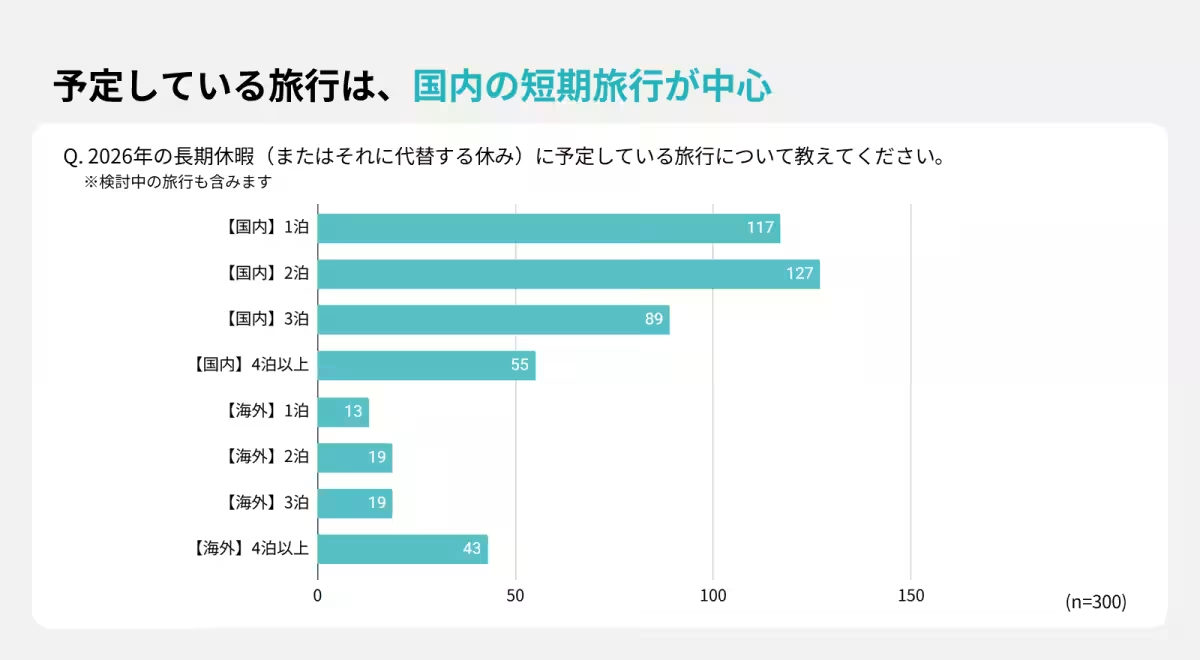
- - Travel Hesitance: Approximately 70% of respondents stated they are not currently planning any long-term travel for 2026. Among those considering travel, most are looking at short domestic trips lasting one to two nights.
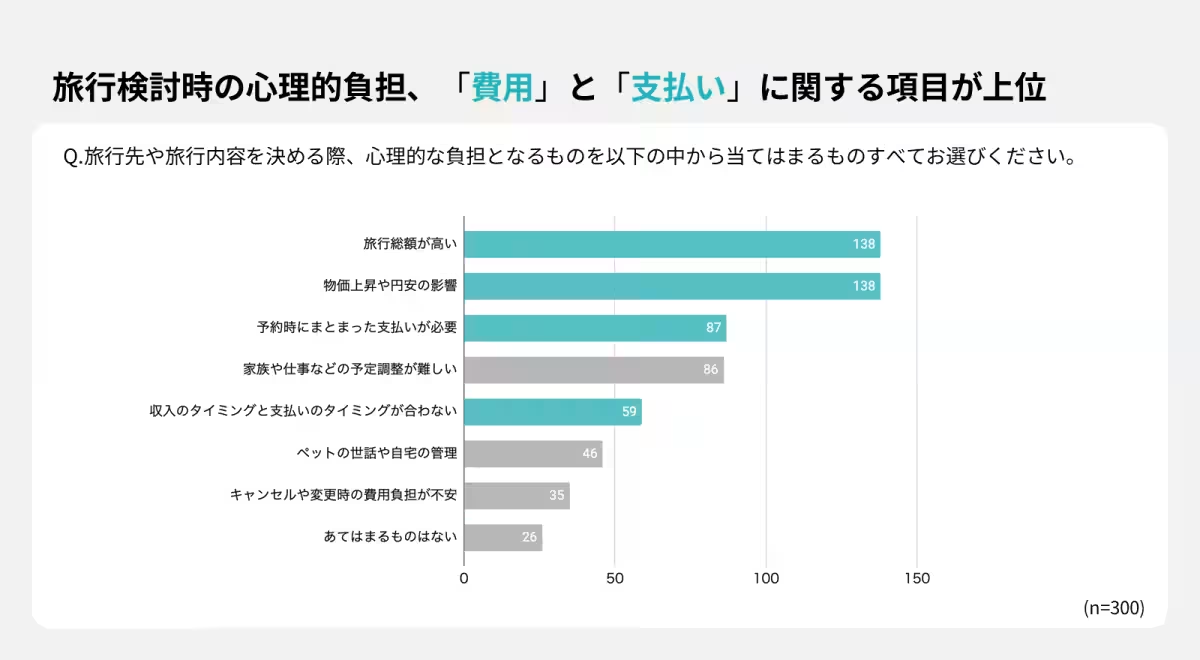
- - Financial Barriers: Key psychological barriers identified include concerns over total travel costs and the need for substantial up-front payments. These financial issues are deterring many individuals from making travel decisions.
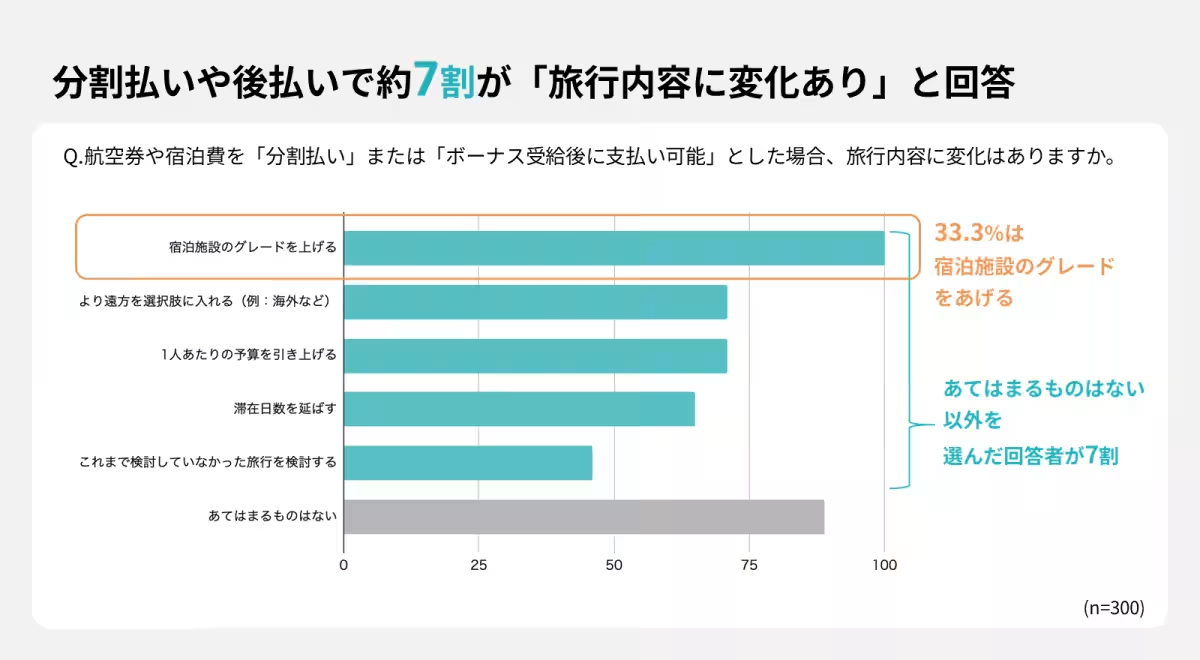
- - Payment Flexibility: Notably, around 30% of respondents indicated that the availability of flexible payment options like installment payments or deferred payments could motivate them to upgrade the quality of their travel accommodations.
Exploring Travel Trends
Predominantly Domestic Short-Stay Travel
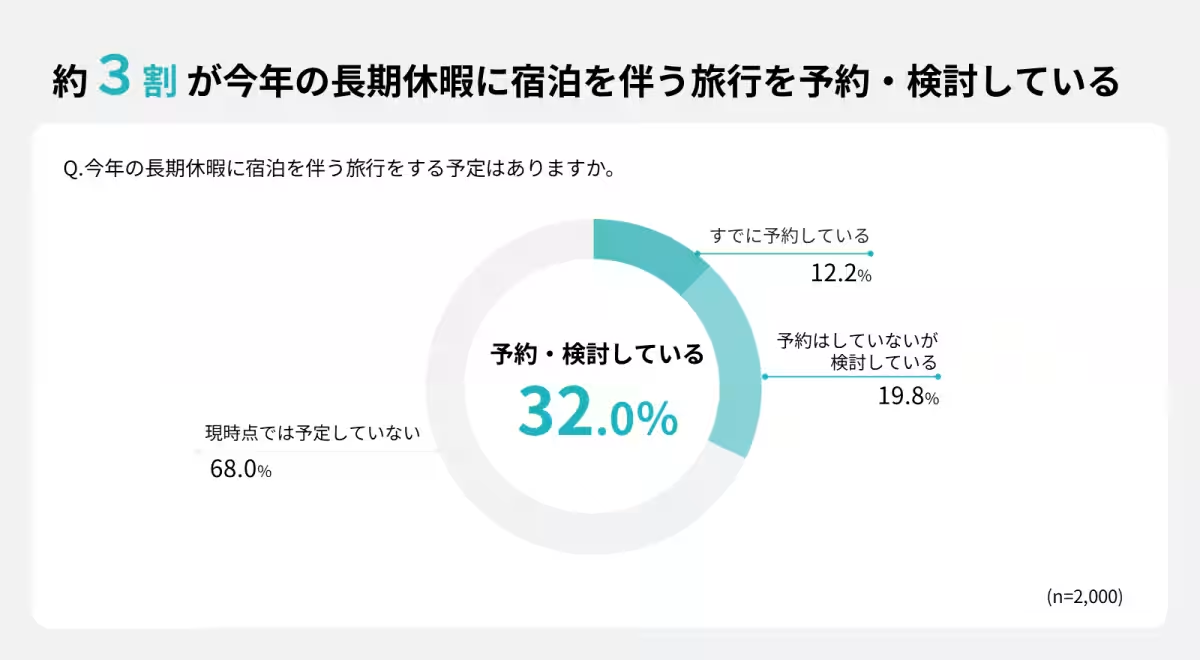
When asked about their travel plans for the upcoming long holidays in 2026, 12.2% of respondents reported that they had already booked their trips, while 19.8% expressed that they were still considering their options. Together, this amounts to a mere 32% of participants who are engaging with any planning of travel, highlighting a trend favoring short domestic trips of one to two nights in duration.
Ideal Travel Budget Preferences
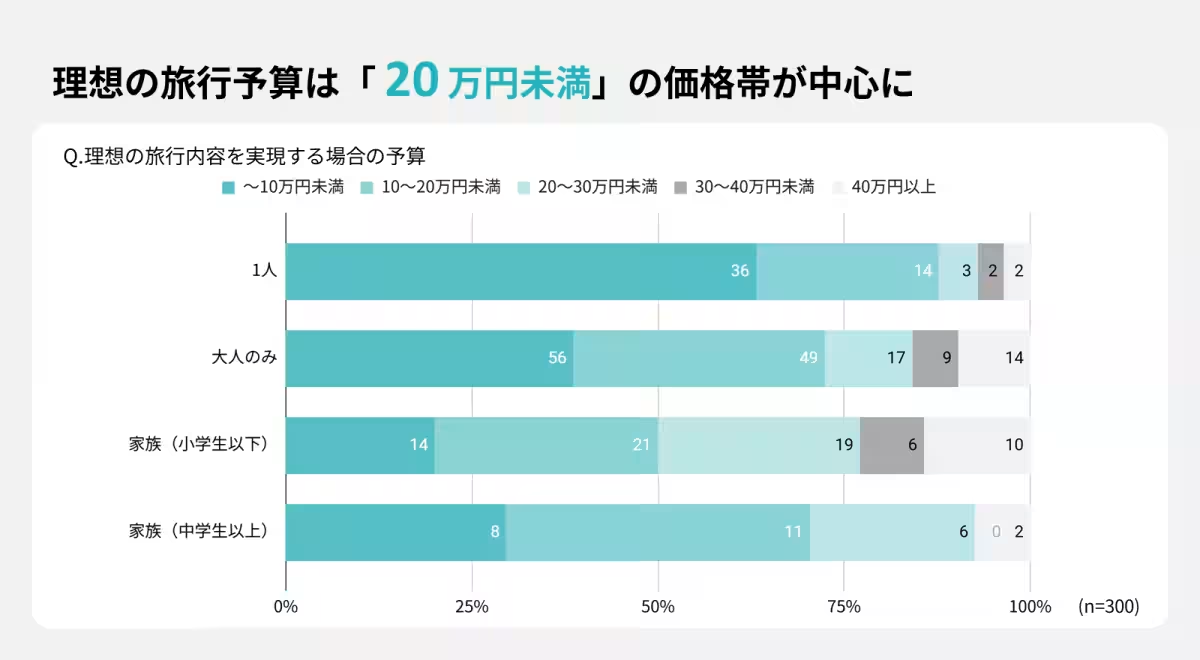
Respondents were asked about their ideal budget for trips, with most individuals preferring to spend under 200,000 yen ($1,370). A significant proportion of the participants indicated a desire to keep their travel expenses below 100,000 yen ($680), demonstrating a cautious approach to travel budgeting.
Psychological Barriers in Travel Decision Making
The survey delved deeper into barriers affecting the decision-making process for travelers. Key concerns included not only the high overall costs but also the financial unpredictability linked to currency fluctuations and inflation. The requirement of lump-sum payments at the time of booking adds further stress during planning, as many individuals face mismatches between their income timing and payment schedules.
The Shift Towards Flexible Payment Options
When asked about the impact of flexible payment arrangements, approximately 70.3% of respondents acknowledged that such options would alter their travel experience. Among them, over a third indicated they would consider opting for higher-quality accommodations or extending their trips.
Trust in Travel Finance Companies
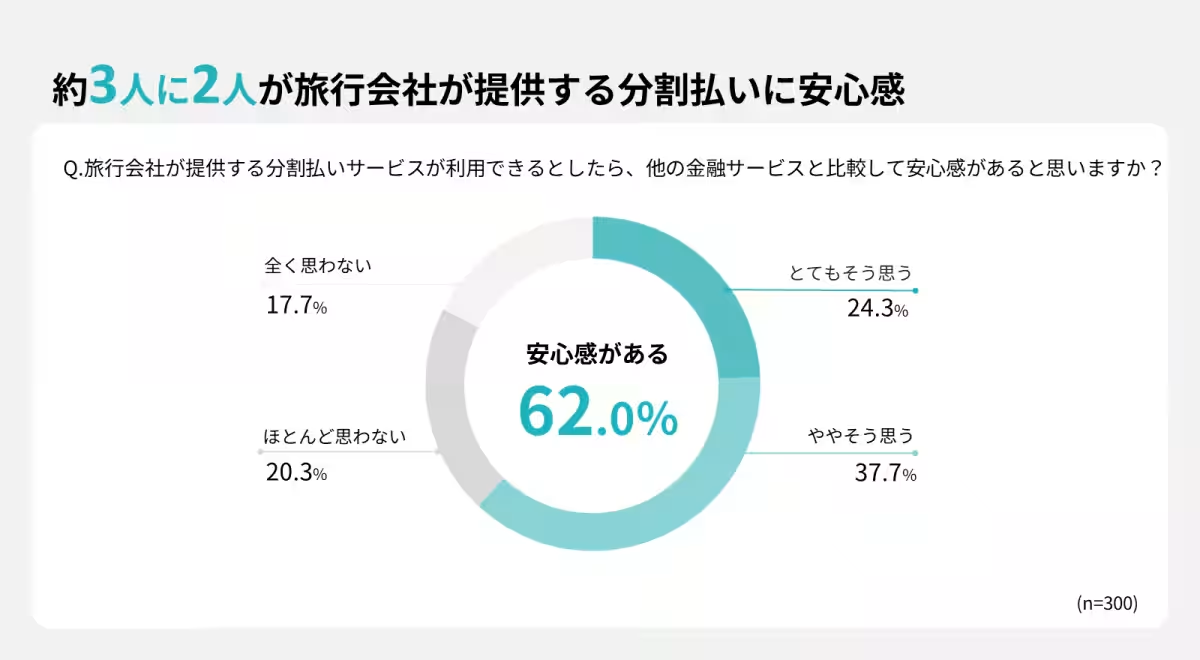
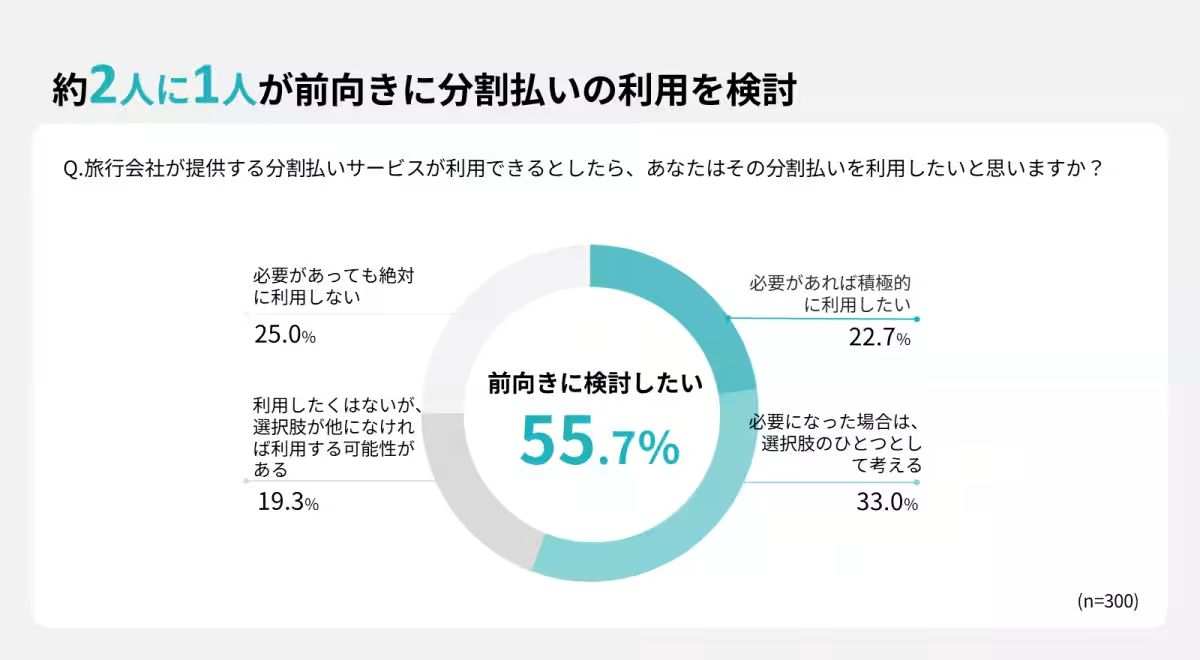
Moreover, confidence in travel finance offerings appears strong, with around 62% of respondents feeling secure about utilizing payment plans provided by travel agencies. Furthermore, nearly 56% of participants expressed a willingness to actively consider these payment options, reflecting a growing interest in more accommodating financial services within the travel industry.
Conclusion: A New Standard in Travel Finance
Given the current constraints and tendencies within the travel sector, GeNiE believes that providing flexible payment solutions is critical to reviving traveler engagement. Their innovative financial service, "Money Lamp," aims to address the unique payment requirements of travelers and seamlessly integrate into the offerings of travel agencies. With the potential to enhance both the traveler and agency experience, GeNiE is committed to pioneering a valuable financial pathway that transcends traditional travel limitations.
For more details about GeNiE and their offerings, visit their website at GeNiE.

Topics Travel)
【About Using Articles】
You can freely use the title and article content by linking to the page where the article is posted.
※ Images cannot be used.
【About Links】
Links are free to use.