



Exploring the Employment of Disabled Individuals with IT Skills: A Growing Trend
Addressing the IT Skills Gap with Disabled Talent
Introduction
In an age dominated by digital transformation (DX), companies face dual challenges: enhancing their business through technological advancement and fostering diversity among employees. A recent survey conducted by Cybozu, focusing on the engagement of disabled individuals with IT skills, sheds light on potential solutions to the pressing issue of workforce shortages in the tech industry. This article explores the findings and implications of this survey, aiming to highlight how employing disabled individuals can bridge the gap in the IT job market.
Survey Overview
The survey aimed to capture the employers' perspectives on employing disabled individuals and their engagement with external employment facilities. With the upcoming increase in the mandated employment rate for disabled individuals to 2.7% from July 2026, the survey involved 1,000 HR representatives from various sectors, assessing their readiness to engage disabled workers in IT roles.
Key Findings
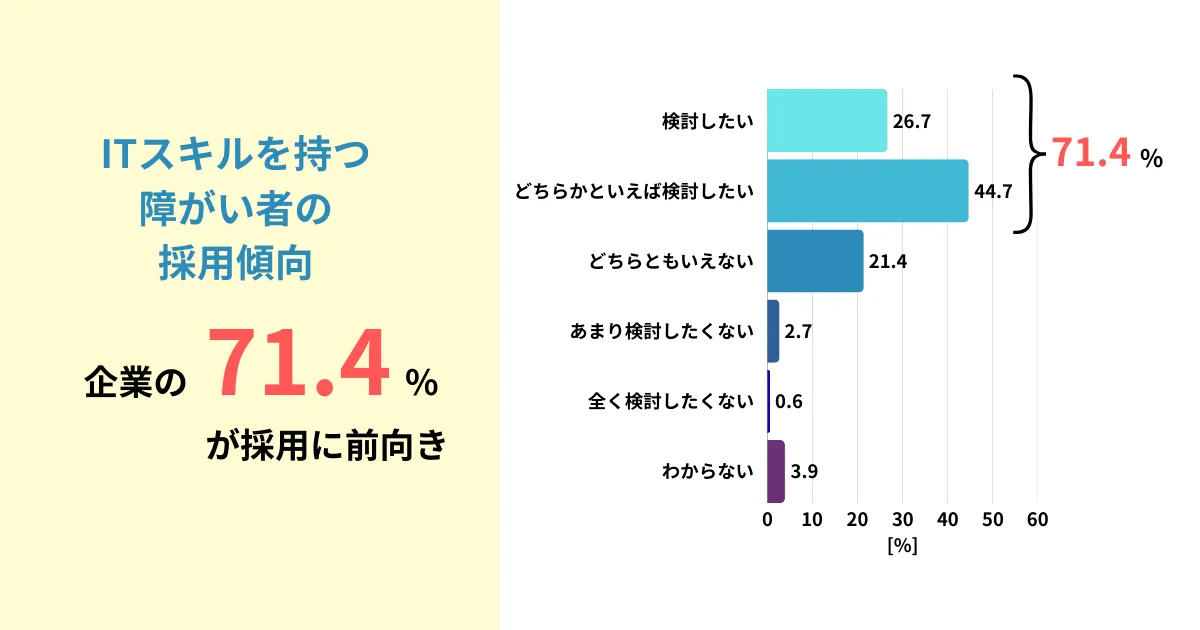
- - Positive Reception for Disabled Talent: Approximately 70% of surveyed companies expressed a willingness to consider hiring disabled individuals with IT skills.
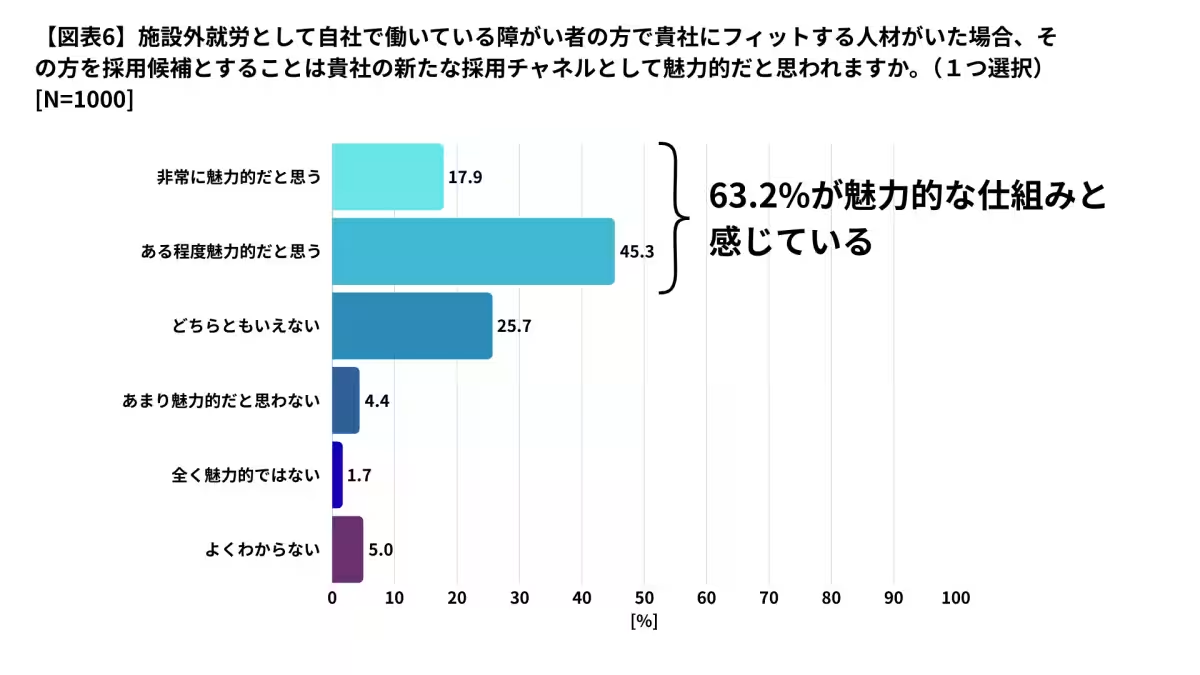
- - Demand for External Employment Facilities: Over 60% of respondents showed interest in engaging with external employment facilities, which assist disabled individuals in gaining workplace experience.
- - Regulatory Challenges: Despite the interest, a significant barrier remains: the lack of applicable legal metrics that recognize these facilities when calculating compliance with employment mandates.
The Gap in IT personnel
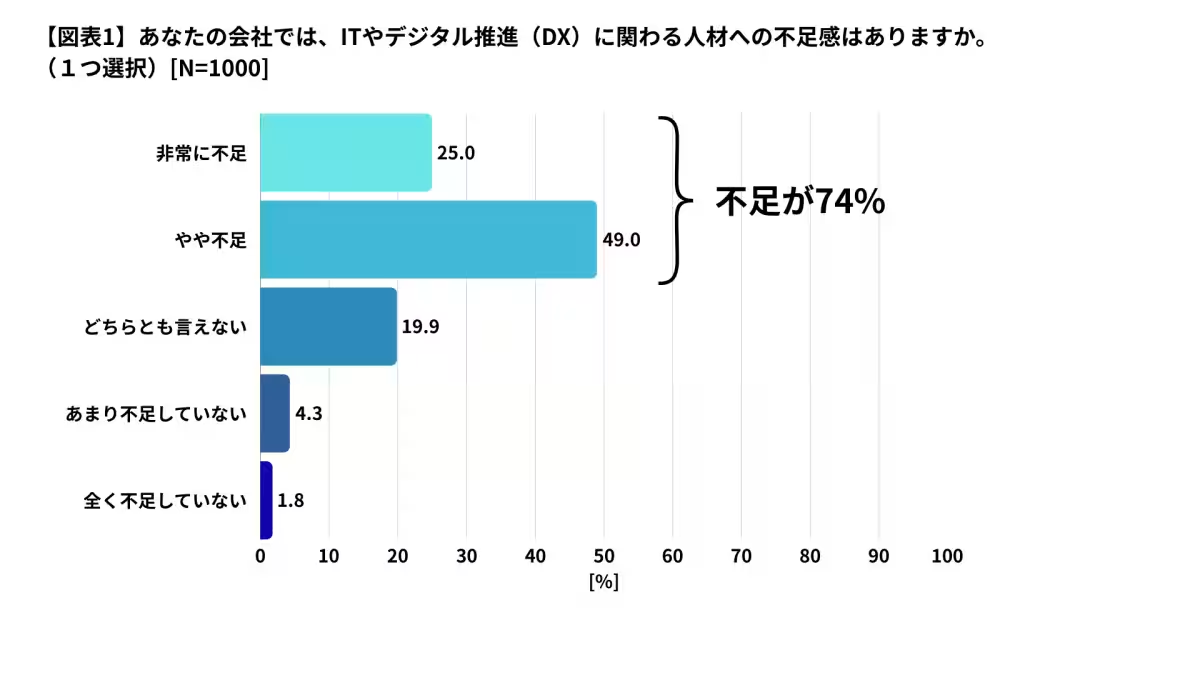
The survey revealed that 74.0% of employers feel a strong lack of IT and digital talent, with 76.3% characterizing recruitment as challenging. This troubling trend underscores an urgent need for diverse recruitment strategies.
Interest in IT Qualified Workers
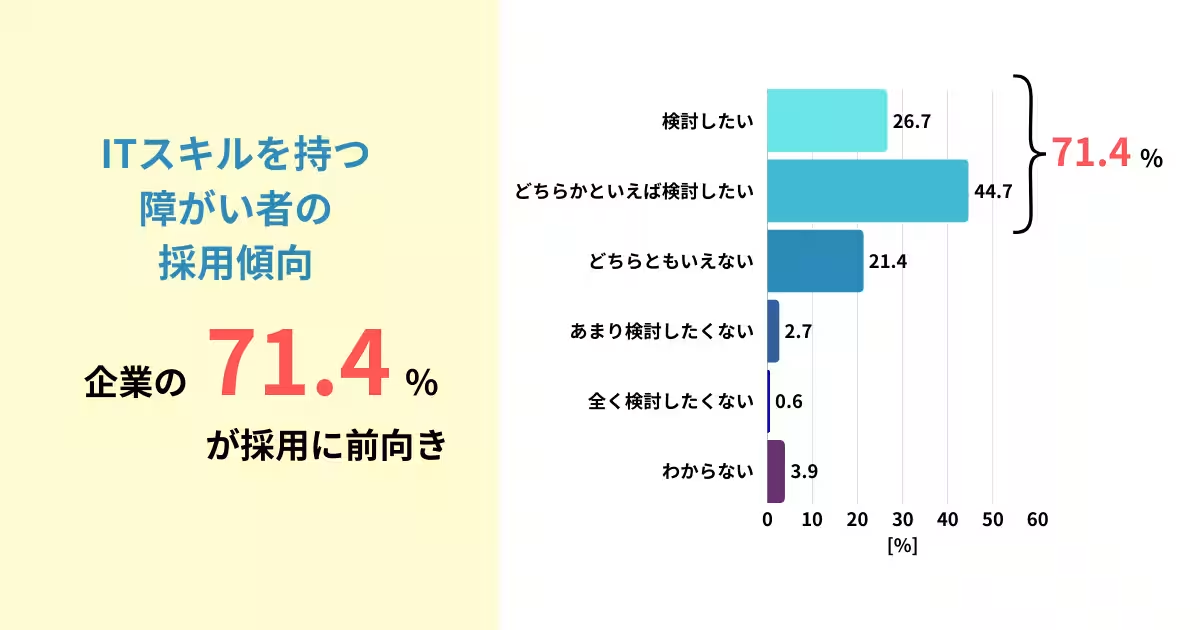
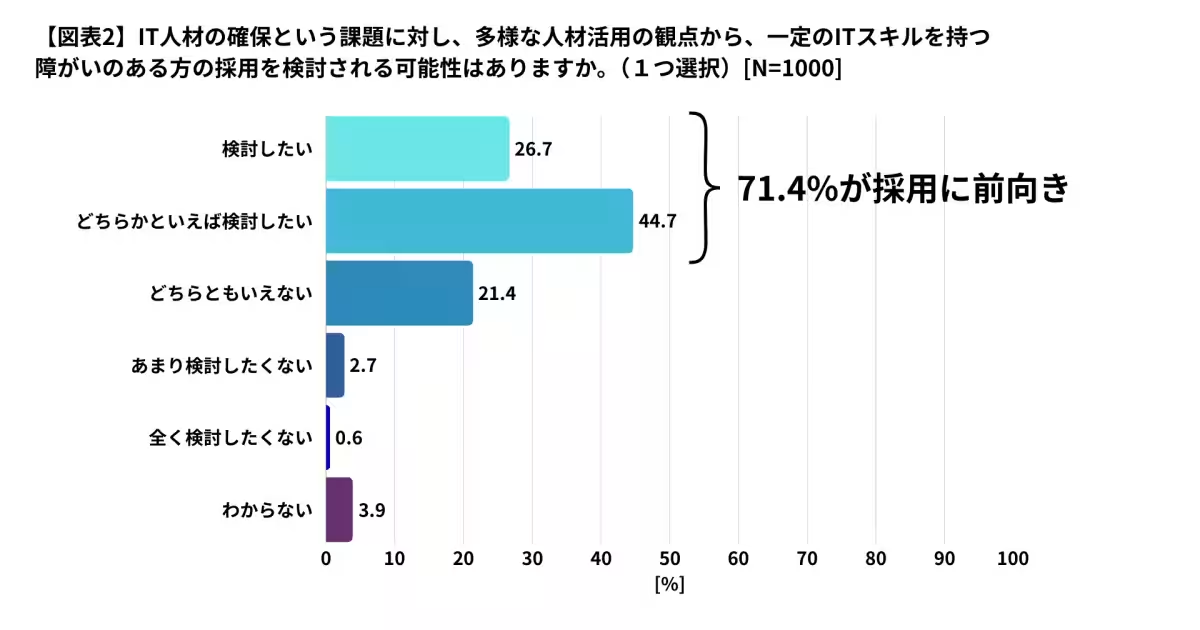
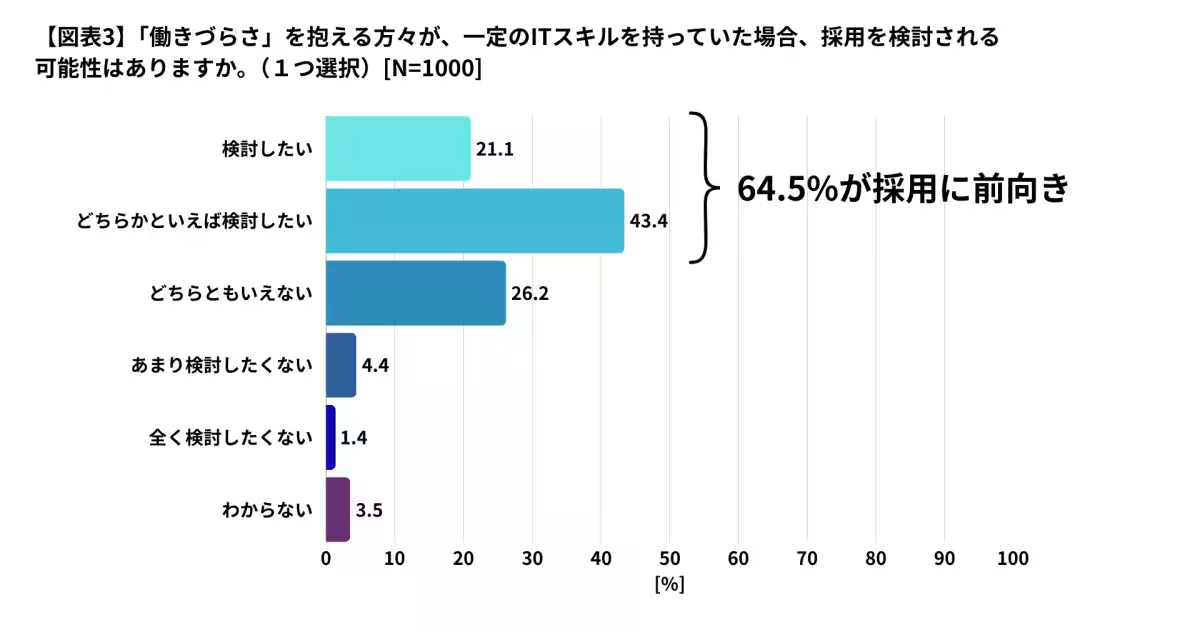
When asked if they would consider hiring disabled individuals with specific IT skills, 71.4% responded positively, highlighting a promising market for differently-abled job seekers. Moreover, 64.5% of employers showed an openness to hiring individuals facing employment difficulties beyond merely disability, indicating that the dialogue around employing diverse talents is broadening.
Need for External Support Structures
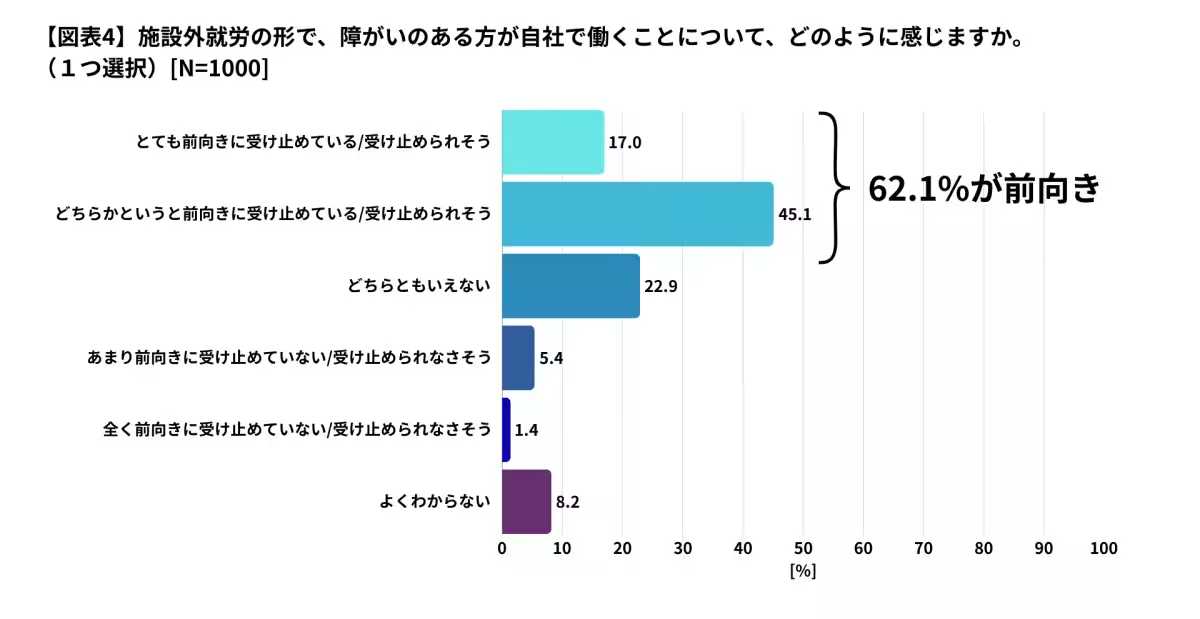
The concept of external employment facilities, where disabled individuals work in companies while being linked to supportive organizations, saw a favorable view among 62.1% of businesses. However, the current legal framework does not count these external placements when calculating statutory employment rates, posing a significant obstacle to more widespread adoption.
Potential Changes with Policy Reform
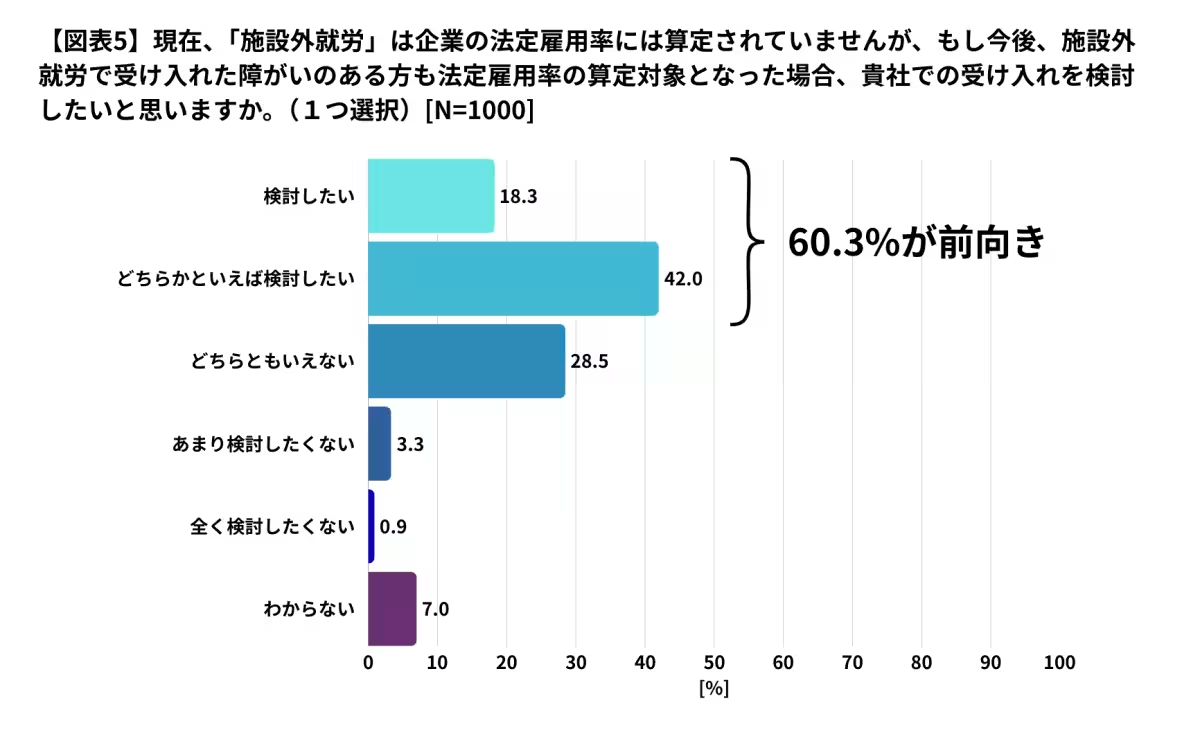
When queried about the potential effects of including these external engagements in legal calculations, 60.3% expressed willingness to consider such arrangements if regulatory changes were made. This pivot points towards the necessity for legal frameworks enabling companies to recognize flexible employment avenues increasing disabled talent in workplaces.
Alternative Avenues: Contracting and Collaboration
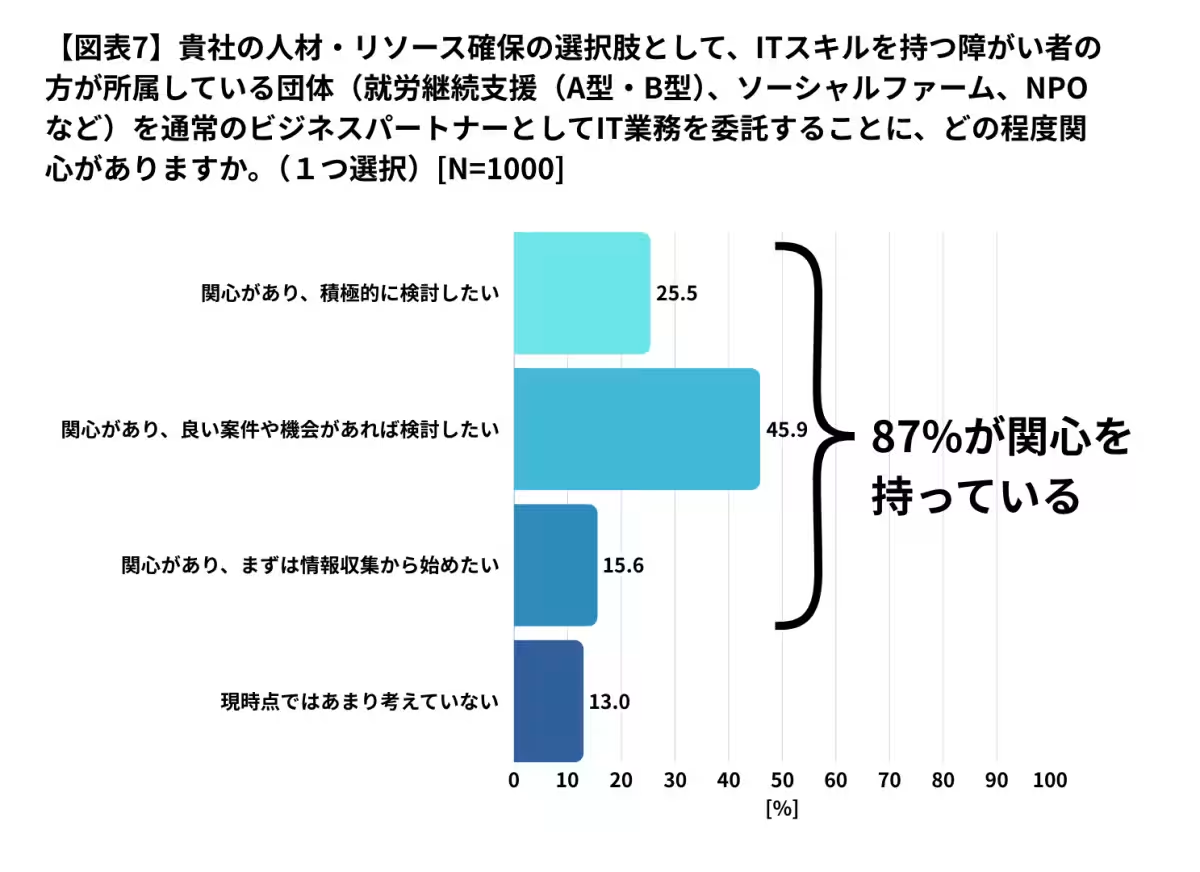
Interestingly, nearly 90% of companies indicated interest in outsourcing IT tasks to supported employment organizations, which could signify an evolving landscape in employing disabled talent under varied conditions.
Building Better Workplaces
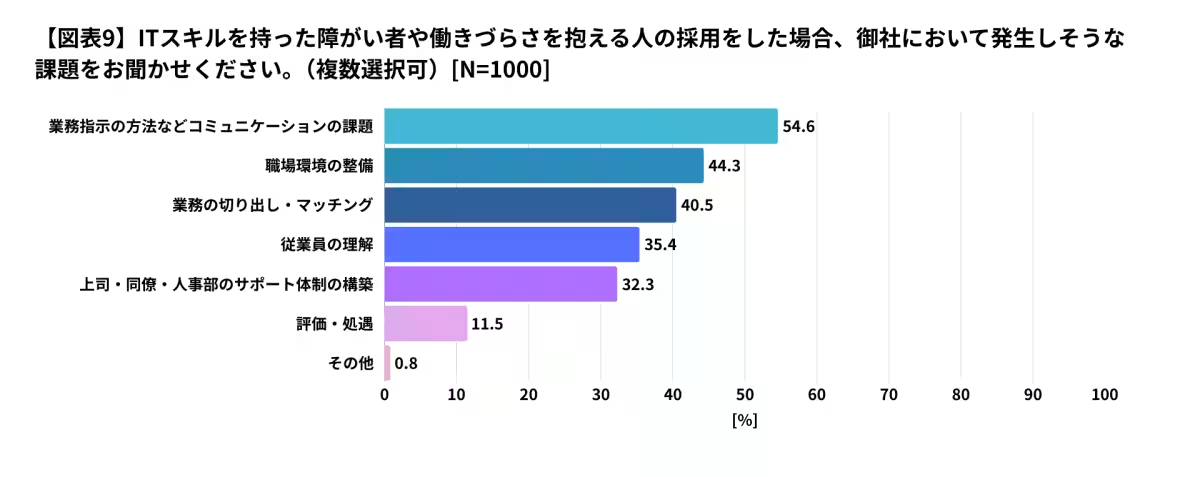
Despite the optimistic outlook, apprehensions about practical concerns such as communication challenges and workplace environments were highlighted, indicating the need for structured operational frameworks within organizations contemplating these shifts – lessening the perceived barriers to entry.
A Shift in Perspective
Historically, the approach to disability employment often centered on fulfilling mandated quotas, yet the statistical insights reveal a significant paradigm shift. Over 70% of companies now view hiring disabled professionals as a strategy to mitigate talent shortages rather than merely fulfilling obligations. Companies look toward the effective use of no-code tools like kintone, which lessen the dependency on traditional programming knowledge, thus opening opportunities for many.
Progressing Towards Inclusion
This transformation can yield crucial implications for both the workforce's socioeconomic aspects, as it offers individuals with disabilities pathways to secure roles in high-value industries without being marginalized. Record numbers of organizations are beginning to view disabled employees not as dependents but as essential contributors to their operational success.
Conclusion
The findings suggest that moving forward, organizations must not only focus on compliance with disability quotas but also embrace the inbound potential these workers bring to enhance creativity and capability within tech fields. Cybozu's Social Design Lab reiterates this by empowering disabled individuals to acquire IT skills, propelling them towards lucrative careers and fostering environments where diverse talents thrive.
This shift signifies a crucial turning point, as businesses begin viewing employing disabled individuals as a proactive strategy that enhances their growth potential in the increasingly competitive digital landscape. Continuously collaborating with relevant stakeholders, companies can reshape how inclusivity in employment is perceived and achieved.
For more information on the research and findings, check the detailed report from Cybozu’s Social Design Lab here.
Topics Business Technology)
【About Using Articles】
You can freely use the title and article content by linking to the page where the article is posted.
※ Images cannot be used.
【About Links】
Links are free to use.