


New Guidebook Enhances Women's Well-Being in Healthcare Practice
Introduction
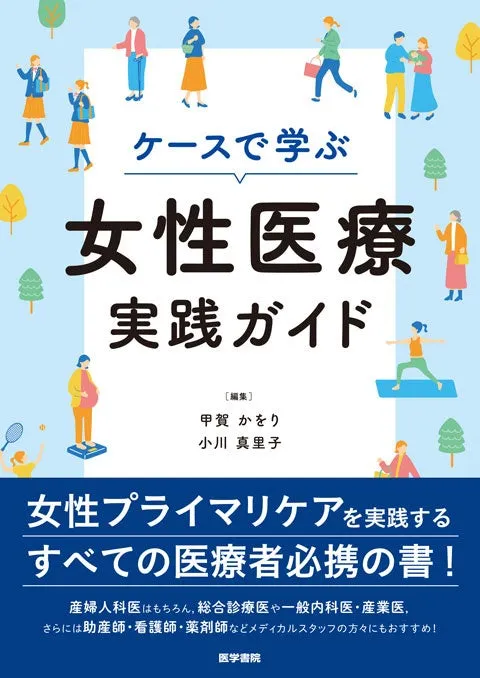
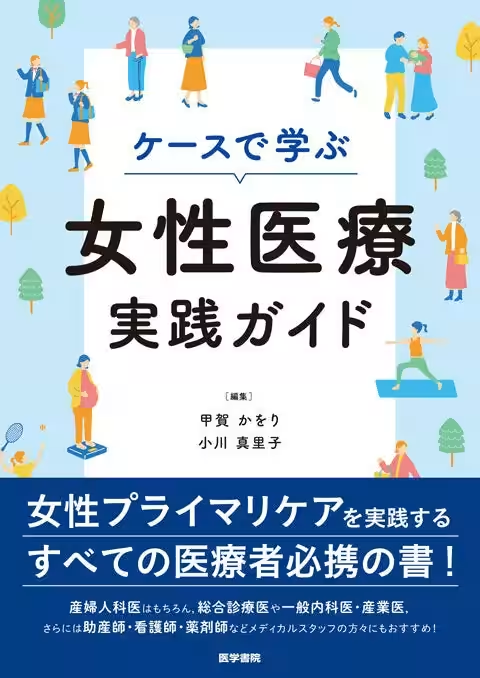
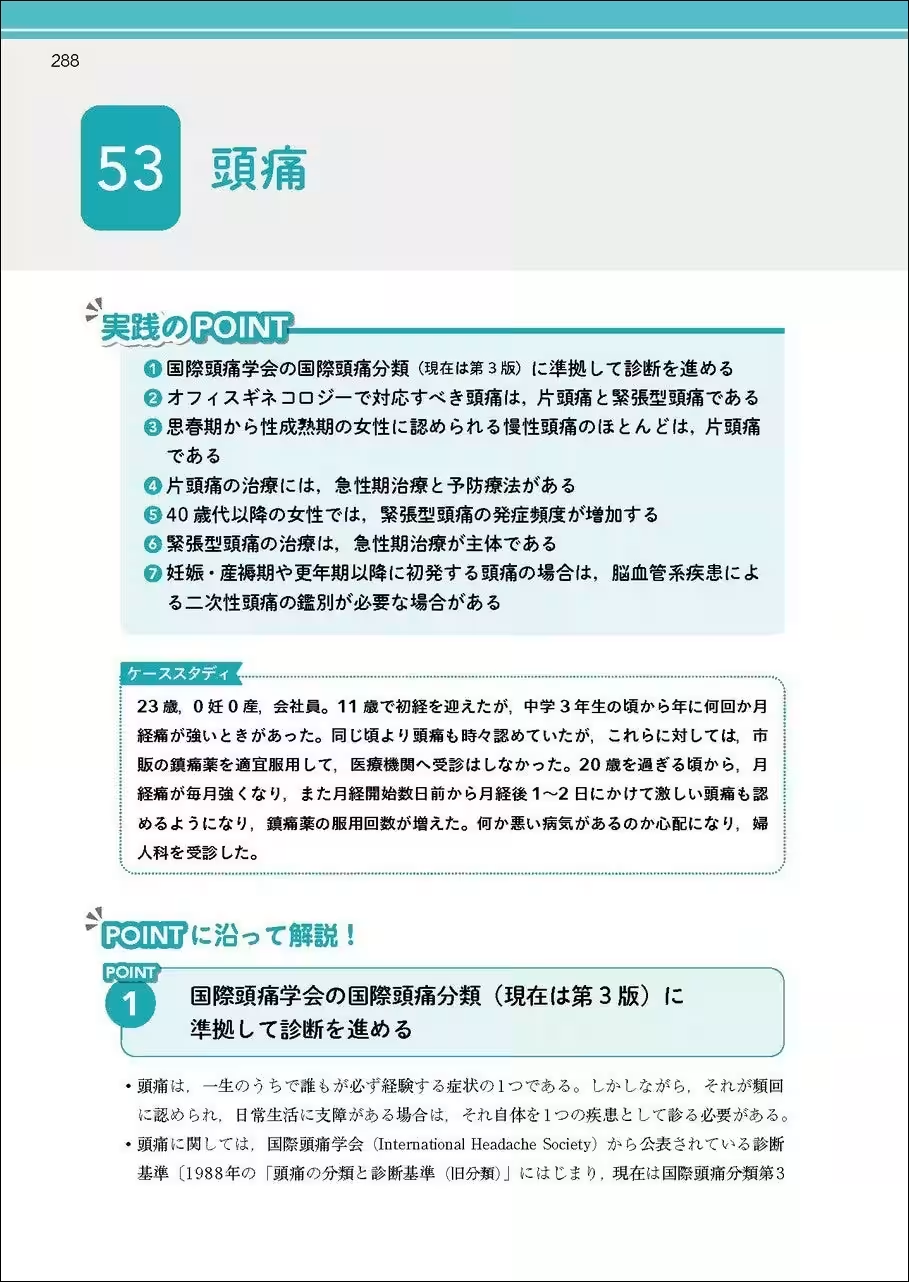
On April 27, 2026, Igaku Shoin Publishing Co., Ltd. will release a revolutionary guide titled Clinical Practice Guide for Women's Health edited by Kaori Koga and Mariko Ogawa. This essential resource aims to empower healthcare professionals involved in women's health by addressing the often-overlooked complexities of female medical issues. The guide is not just for obstetricians and gynecologists but is designed for all medical personnel who interact with female patients.
The Importance of Women's Health
The necessity for specialized knowledge in women's health has gained recognition over the last decade, particularly following the endorsement of Women's Healthcare Specialists by the Japan Association of Obstetrics and Gynecology in 2014 as a recognized sub-specialty. This is crucial as it presents a unique perspective on women's health care, covering a broad range of issues from pre-conception to menopause.
Various studies, including projections from the Ministry of Economy, Trade, and Industry, have illustrated the significant economic losses incurred as a result of women-specific health issues, revealing that conditions associated with menstruation are as costly as gynecological cancers. This has increased the spotlight on women's healthcare, underlining the necessity of advancing understanding and treatment methodologies in the field.
Addressing the Knowledge Gap
Currently, there are over 1,400 certified Women's Healthcare Specialists in Japan, a number that indicates a clear need for more professionals trained in this vital area. Even healthcare providers without specialist certification can enrich their practices by adopting a Women's Health mindset, thereby alleviating the concerns of countless women. This guide serves as a foundational resource that aims to spread awareness and understanding of women's healthcare challenges among all medical practitioners, including general internists, obstetricians, midwives, nurses, and pharmacists.
Key Topics Covered in the Guide
The guide comprehensively addresses a variety of relevant topics, effectively bridging the gap in women's health knowledge. Some of the key chapters include:
1. Sexual and Reproductive Health Rights (SRHR)
The first chapter introduces key topics such as school sexual education, pre-conception care, and managing women athletes' health, along with various contraceptive methods.
2. Gynecological Disorders in Outpatient Settings
Subsequent chapters delve into outpatient gynecological conditions, providing diagnostic and treatment protocols for disorders such as polycystic ovary syndrome, amenorrhea, and endometriosis.
3. Tumors and Related Diseases
The guide also discusses gynecological tumors, including uterine cancer and their treatments, ensuring healthcare providers understand the importance of regular screenings and follow-ups.
4. Infections and Vulvar Disorders
Attention is given to prevalent infections affecting women's health, such as sexually transmitted infections and their implications.
5. Challenges during Menopause and Older Age
The effects of aging on women's health and the unique challenges faced during menopause will also be examined, empowering professionals to offer tailored support.
6. Other Common Issues
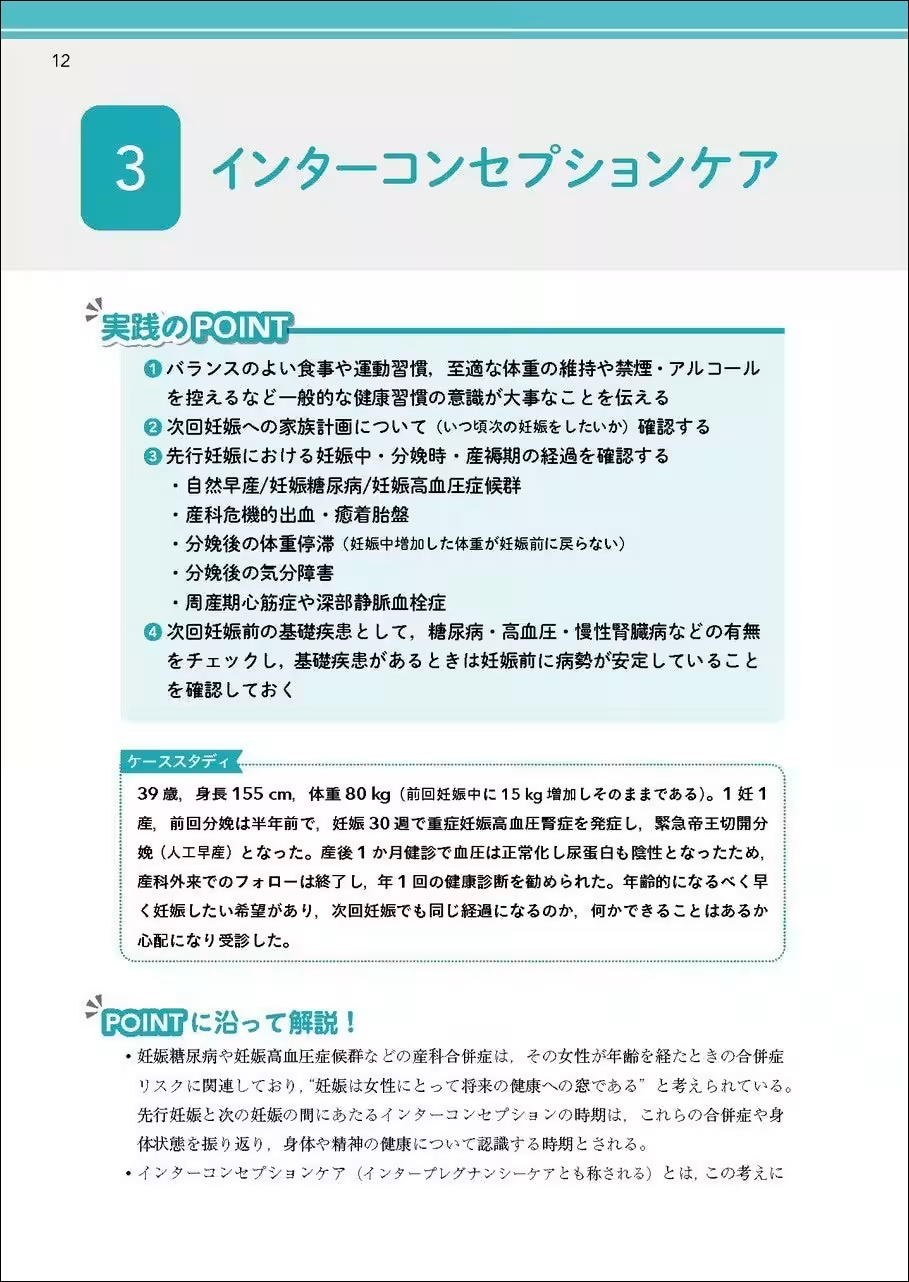
Lastly, the guide addresses common encounters in the outpatient settings, including breast cancer survivorship and managing mental health issues.
Conclusion
Clinical Practice Guide for Women's Health is more than just a compilation of case studies—it’s a significant step toward enhancing the healthcare environment for women in Japan. By equipping all levels of medical personnel with the knowledge they need, it aims to foster a culture of informed practice that places women's health and well-being at the forefront.
For those looking for a comprehensive resource that not only aids in understanding but also contributes to better clinical outcomes for female patients, this guide is undoubtedly a necessity.
About the Publisher
Igaku Shoin Publishing Co. has consistently played a pivotal role in disseminating crucial medical knowledge since its founding in 1944. With a commitment to providing the necessary information to facilitate advancements within medical practice, the release of this guide marks another milestone in their mission to contribute to the progress of healthcare and public welfare.
Topics Health)


【About Using Articles】
You can freely use the title and article content by linking to the page where the article is posted.
※ Images cannot be used.
【About Links】
Links are free to use.