



Understanding the Popularity and Perceptions of Mouthpiece Orthodontics Among Japanese Residents
Increasing Awareness of Mouthpiece Orthodontics
In recent years, mouthpiece orthodontics has been gaining some traction, but a new survey reveals that many individuals in Japan still lack a clear understanding and perception of this dental treatment. A study conducted by Smileline and Komagome Station Smile Orthodontics examined the awareness and attitudes of 500 men and women across the nation.
Low Awareness and Understanding
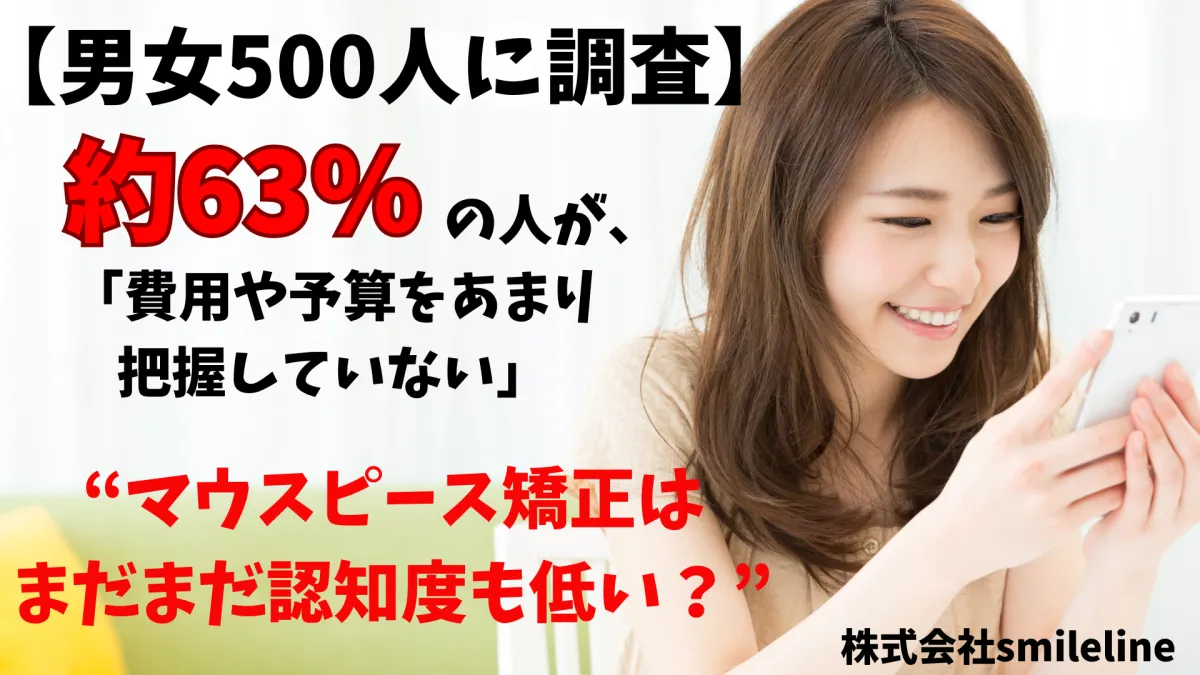
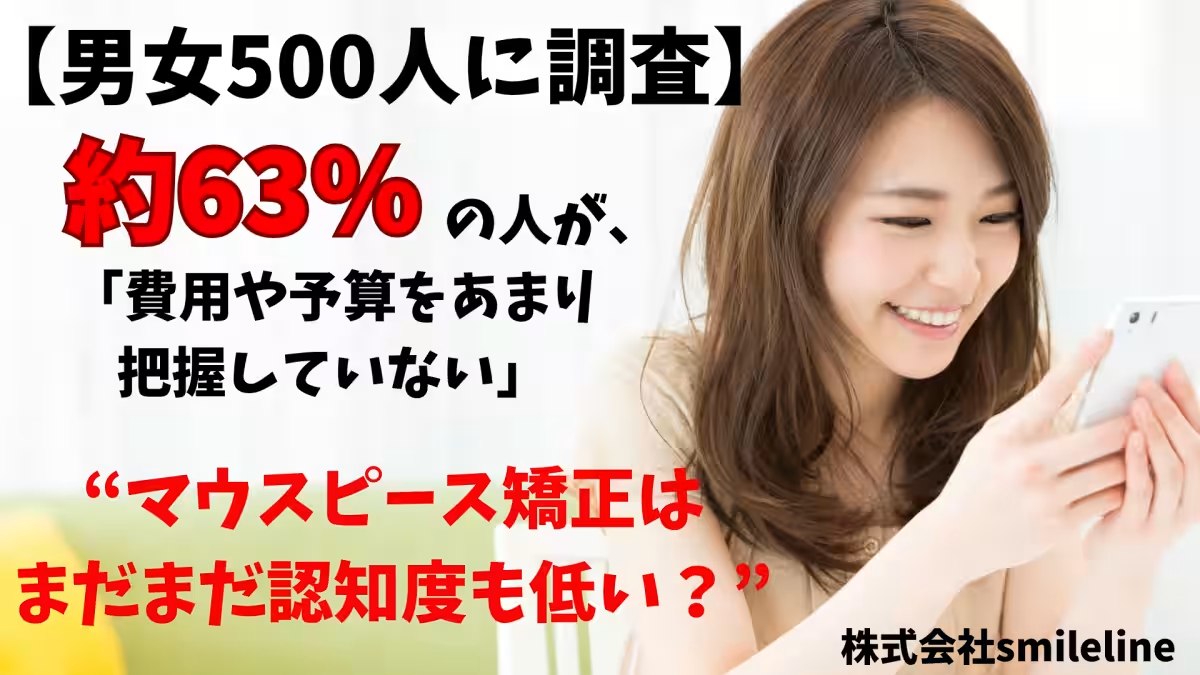
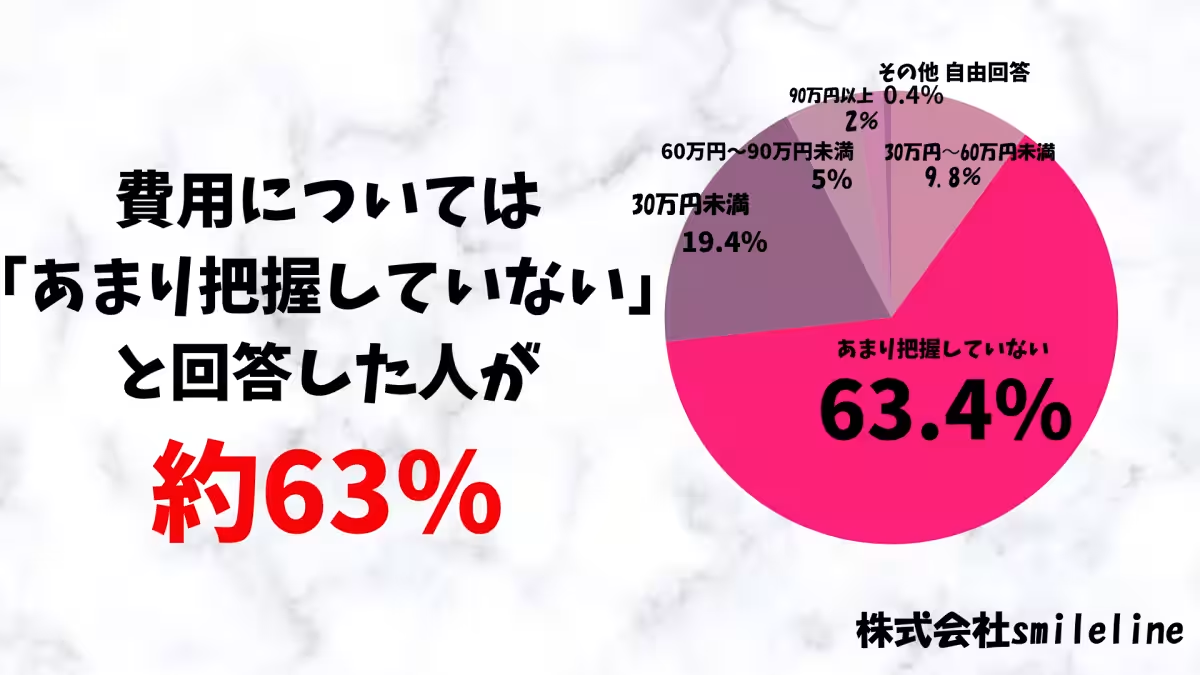
The survey results indicate that 63.4% of respondents are not familiar with the costs or budget associated with mouthpiece orthodontics. This reflects a significant barrier for those who might consider undergoing this treatment. Interestingly, many participants assume that mouthpiece orthodontics is relatively inexpensive, with common beliefs pointing towards a budget of under ¥300,000.
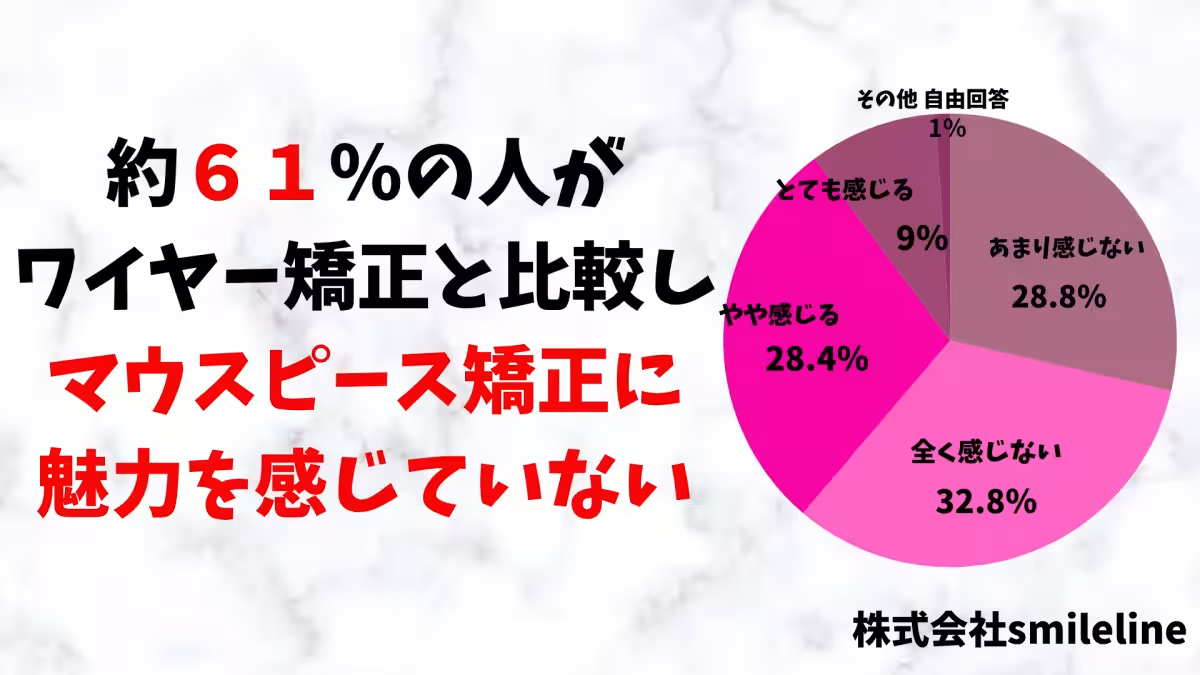
Despite the growing options available in orthodontics, only about 37% reported feeling attracted to mouthpiece orthodontics over traditional wire braces. This suggests a strong traditional bias, as many still associate orthodontic treatment primarily with braces.
The Preference for Traditional Braces
The trends observed in the survey showcase a notable preference for wire braces, with 61.6% stating they don't find mouthpiece orthodontics appealing when compared to traditional methods. This perspective may stem from the established reliability of wire braces, as many feel more comfortable with a treatment that has stood the test of time.
Benefits of Mouthpiece Orthodontics
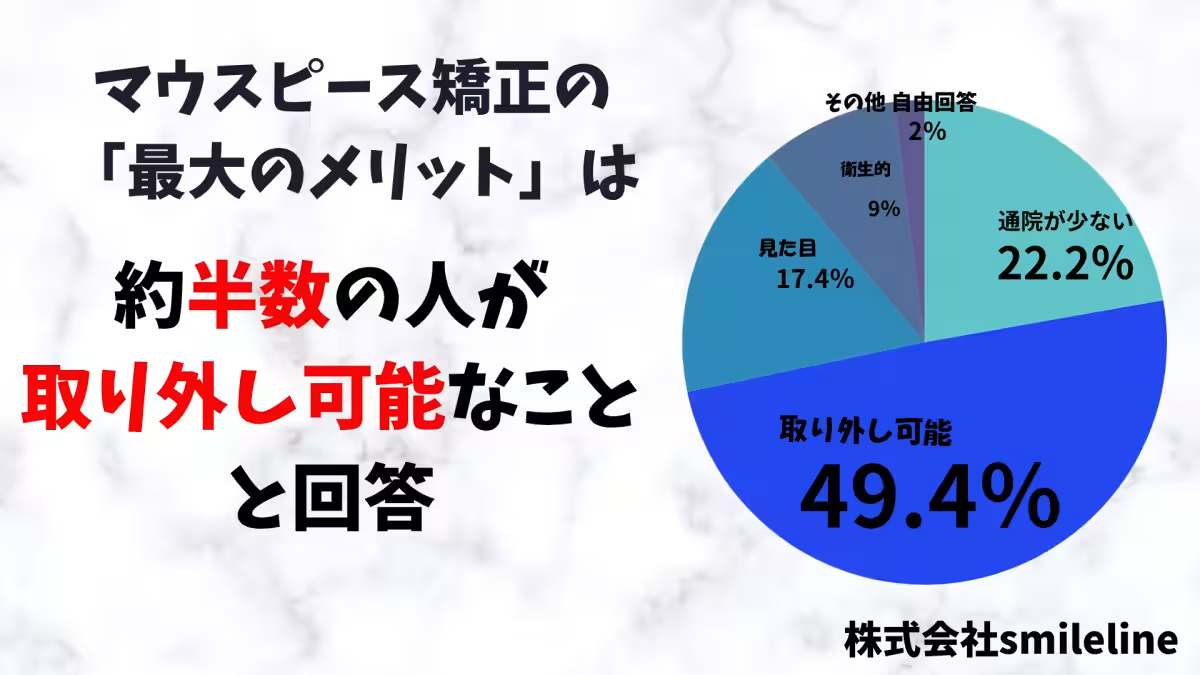
When it comes to the advantages of mouthpiece orthodontics, respondents identified the ability to remove the devices as its most significant benefit. About half of the surveyed individuals emphasized this feature, while nearly 22.2% valued the reduced frequency of dental visits. The ability to maintain better oral hygiene with removable aligners was also noted but less frequently than other benefits, signifying that functionality is a driving factor in consumer choice.
Concerns About Maintenance
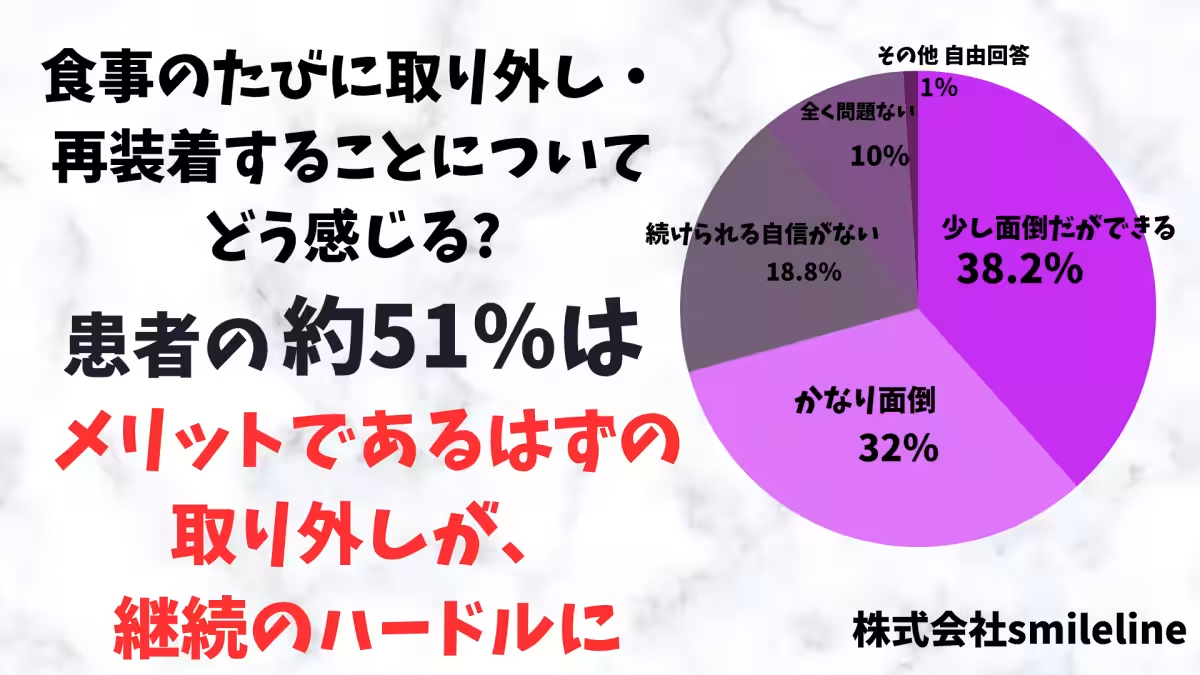
However, when prompted about the process of removing and reattaching the aligners with each meal, 50.8% of participants perceived this as cumbersome. This presents a paradox where the convenience of removal is somewhat overshadowed by the practicalities of using the aligners regularly. In fact, 18.8% expressed a lack of confidence in their ability to maintain this routine, indicating that while advantages exist, there is considerable anxiety surrounding the practical application of mouthpiece orthodontics in daily life.
3D Simulation and Its Importance
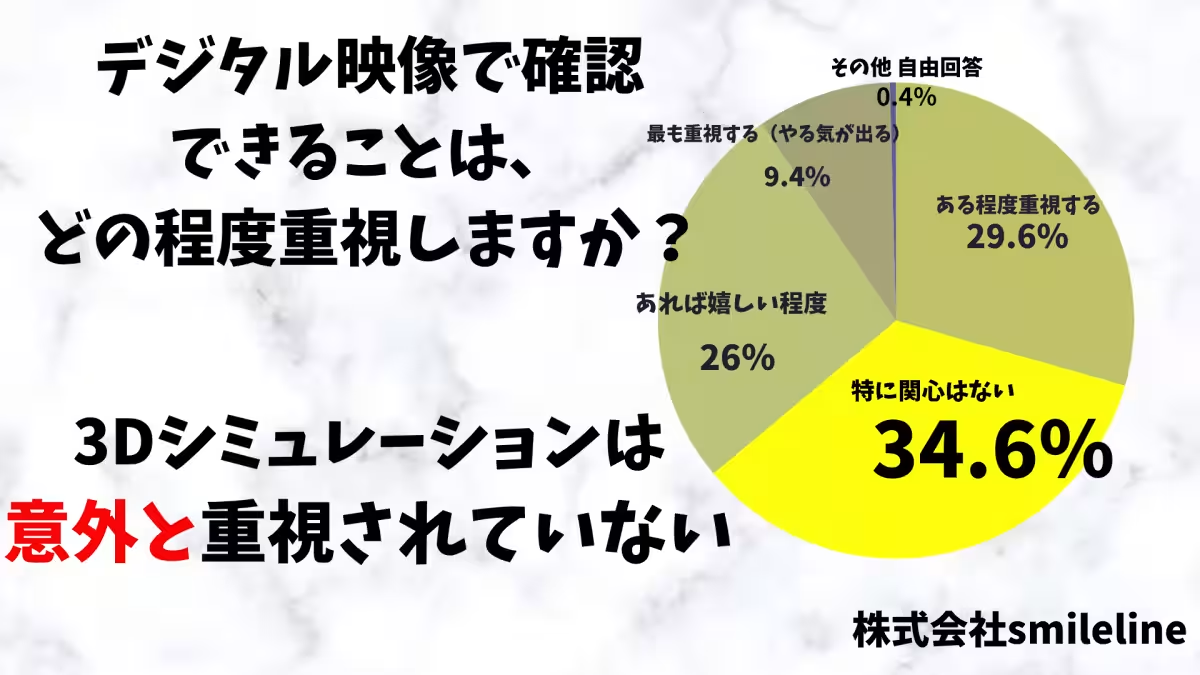
Digital technology has introduced a new dimension to orthodontics with 3D simulations that allow patients to visualize how their teeth will move during treatment. Yet the survey showed mixed opinions about this feature. Only 39% of participants found it essential, highlighting that while some may appreciate the foresight, many do not view it as a critical factor when making treatment decisions.
Lifestyle Integration and Concerns
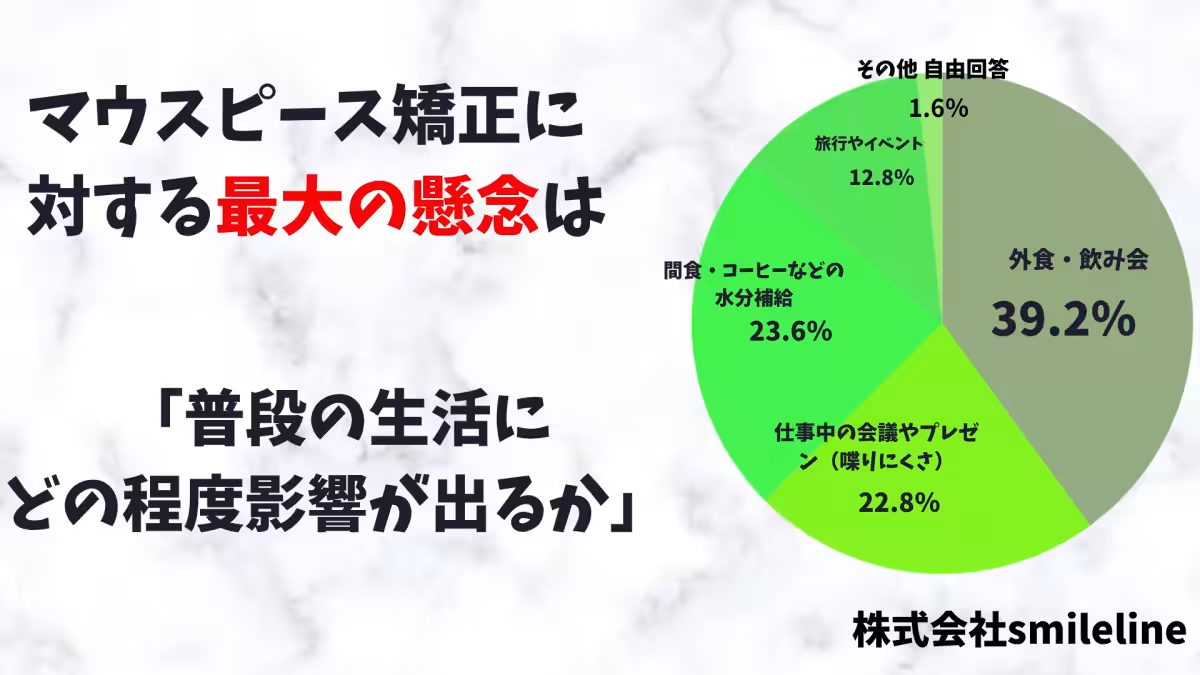
One of the major barriers for many seems to be the impact of mouthpiece orthodontics on daily activities, particularly in social contexts like dining out or having conversations during work. Nearly 40% voiced that these scenarios caused them the most concern. This highlights a broader worry about lifestyle compatibility with orthodontic treatments, emphasizing that potential patients need reassurance about how mouthpiece orthodontics integrates into their daily routines.
Conclusion
In conclusion, the findings from this survey shed light on the hesitations and disconnect many have with mouthpiece orthodontics in Japan. Despite some understanding of its benefits, many remain skeptical, primarily due to practical concerns and a lack of information regarding pricing. To foster a more favorable view of mouthpiece orthodontics, it is crucial to convey tangible details on how they fit into everyday life and address financial misconceptions clearly. As awareness grows, the orthodontic community faces the challenge of bridging the gap between benefits and the anxieties associated with treatment. Ensuring that potential clients have a realistic and approachable understanding will be key in influencing their decisions moving forward.
References
- - Research conducted by Smileline and Komagome Station Smile Orthodontics.
- - Komagome Station Smile Orthodontics
About Komagome Station Smile Orthodontics
Address: 1-42-4 Komagome, Toshima, Tokyo
Phone: 03-6265-1687
About Smileline
Headquarters: 1-12-9 Shinbashi, Minato, Tokyo
URL: smile-line-r.com
Business: Medical consulting, branding, interior construction, material services, web services.
Topics Health)
【About Using Articles】
You can freely use the title and article content by linking to the page where the article is posted.
※ Images cannot be used.
【About Links】
Links are free to use.