



Survey Reveals Insights Into the Custom of Visiting Gravesites in Japan
Insights from the Recent Survey on Grave Visiting in Japan
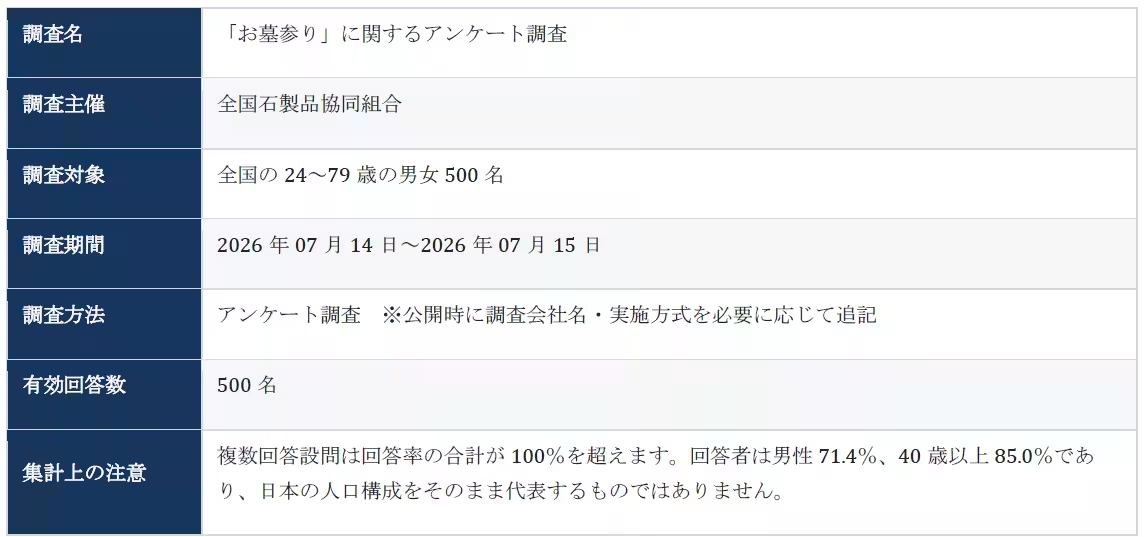
In a recent survey conducted by the Japan Cemetery Association, a government-recognized body representing the stone industry, 500 individuals aged 24 to 79 across the country shared their experiences and thoughts on the practice of visiting gravesites. The findings highlighted not just the frequency of these visits, but also their emotional significance.
Key Findings of the Survey
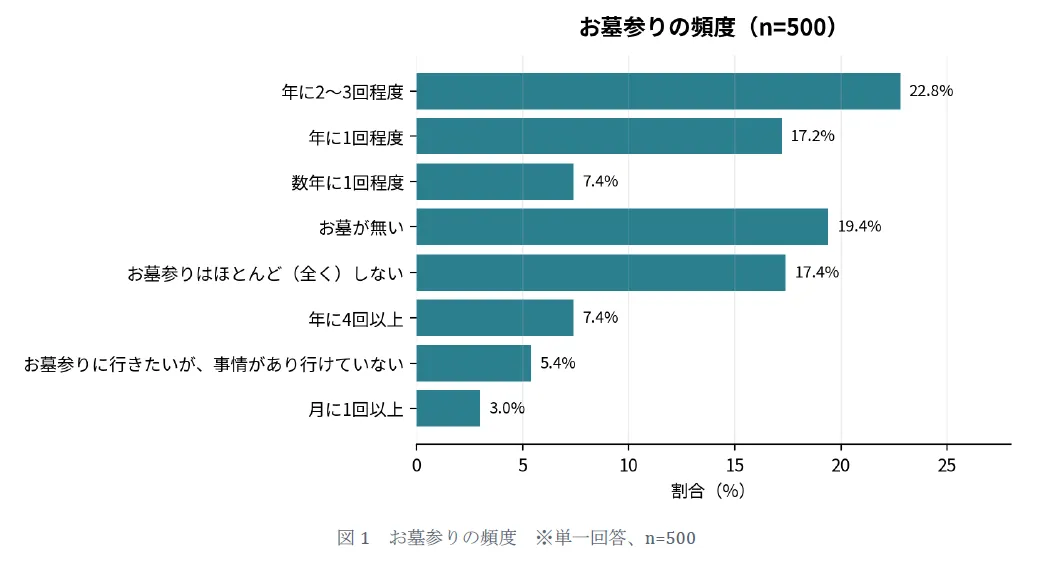
The survey revealed that 57.8% of respondents engaged in grave visits regularly. Among them, the most frequent visitation pattern was reported as ‘2-3 times a year’ by 22.8% of participants, followed by ‘once a year’ at 17.2%, and ‘once every few years’ at 7.4%. This indicates that such visits are generally not a daily routine but are typically aligned with important traditional occasions like Obon and Higan, as well as family milestones.
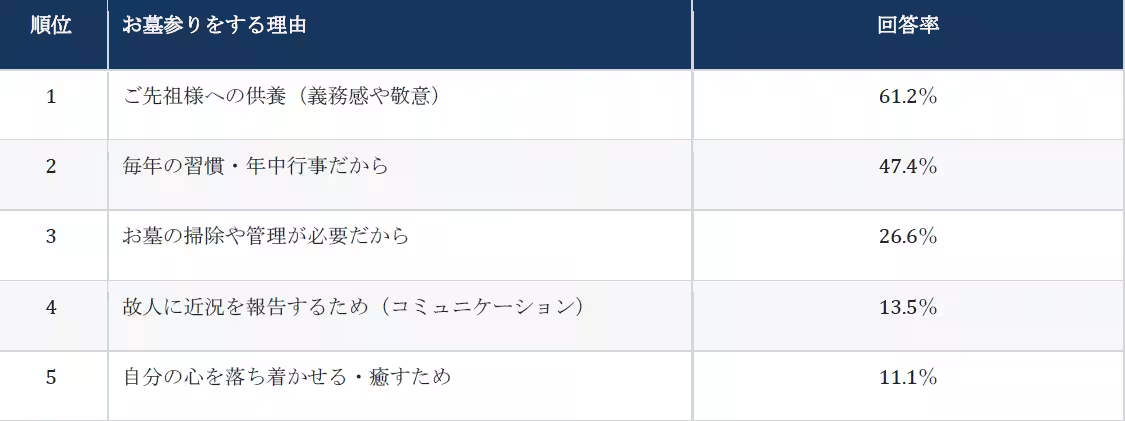
When it comes to the motivations for these visits, the survey reported that 61.2% of respondents view them primarily as an opportunity to pay respect to their ancestors. Additionally, 47.4% considered these visits as part of their annual customs or rituals, while 26.6% mention the necessity of managing and cleaning the gravesite. This insight suggests that the act of visiting graves is deeply rooted in both personal reverence and family tradition.
Seasonal Patterns of Grave Visits
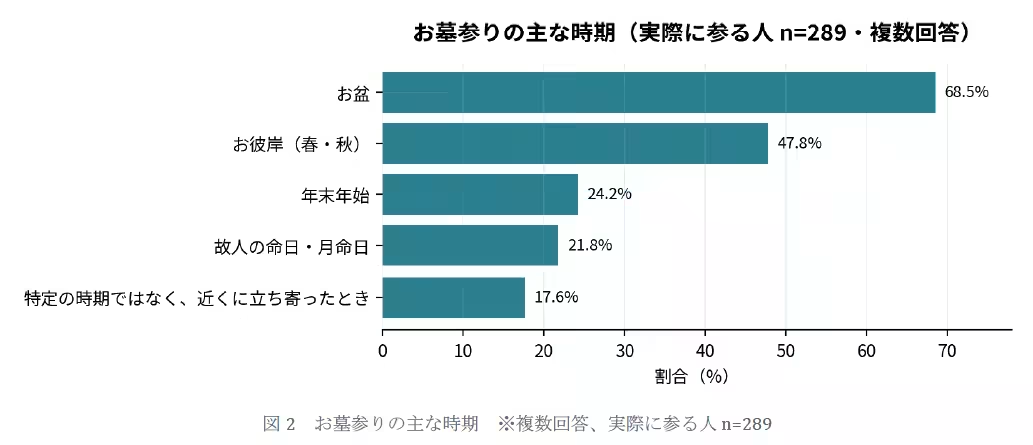
The timing of these cemetery visits aligns heavily with specific seasons and events. Among those who visit graves, 68.5% do so during Obon, a traditional occasion for honoring ancestors, while 47.8% visit during Higan. Other notable times for visits include New Year’s holidays at 24.2% and on specific death anniversaries, which accounted for 21.8% of responses. Such patterns reflect the cultural importance of these traditional observances in Japanese society.
Emotional Benefits of Grave Visits
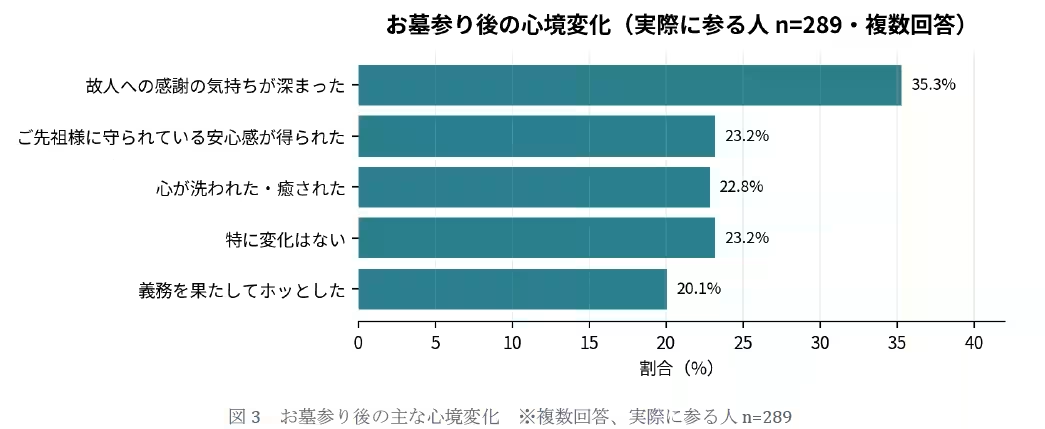
In a remarkable aspect of the survey, it was noted that 60.2% of individuals who engage in grave visits reported experiencing positive emotional changes post-visit. The most common response, at 35.3%, was a feeling of deeper gratitude towards their deceased loved ones. Other reported sentiments included a sense of security from being watched over by ancestors (23.2%) and feelings of being spiritually cleansed or healed (22.8%). This reveals that grave visiting serves not just as a ritual act of remembrance but also as a profound opportunity for emotional healing and self-reflection.
Constraints Facing Some Visitors
The survey also highlighted that 5.4% of respondents would like to visit graves more often but feel limited by personal circumstances such as distance, time constraints, or physical capability. This insight underscores the necessity for supportive measures to enhance accessibility for all who wish to honor their ancestors.
The Japan Cemetery Association's Perspective
The Japan Cemetery Association emphasizes the dual role of gravesites as places of remembrance and connection not only to deceased loved ones but also among living family members. The survey findings illustrate that grave visiting is intertwined with expressions of gratitude, emotional solace, and communal ties. Furthermore, the Association recognizes the importance of fostering environments that facilitate these visits by reducing management burdens, improving accessibility, and offering diverse options for commemorations.
About the Japan Cemetery Association
Founded on November 22, 2012, the Japan Cemetery Association brings together stone companies from all 47 prefectures to drive growth and address the needs of consumers in the stone industry while preserving the important cultural traditions of memorial practices in Japan. For more information, visit their official website: Minna no Ohaka.

Topics People & Culture)
【About Using Articles】
You can freely use the title and article content by linking to the page where the article is posted.
※ Images cannot be used.
【About Links】
Links are free to use.