




Understanding the Approval Process: Insights from a Study on Internal Procedures
Insights into Approval Processes: A Study by NTT Data Business Brains
In an era where digital transformation is reshaping the business landscape, a recent survey conducted by NTT Data Business Brains sheds light on the approval process within various companies. The survey, which involved 221 managerial professionals from operations and administrative departments, aimed to identify where and why internal applications and approvals stall. The findings expose a persistence of traditional practices that hinder efficiency, even as discussions about digitization and streamlining procedures grow.
Background of the Study
Several years have passed since the movement to eliminate physical signatures, fueled by advancements in electronic contracts and bookkeeping laws. However, many firms still rely on paper documents that circulate for approval, leading to backlogs in the process. While adopting workflow systems is often suggested as a solution to these issues, the reality is more complex due to structural challenges that cannot be resolved simply by introducing new tools.
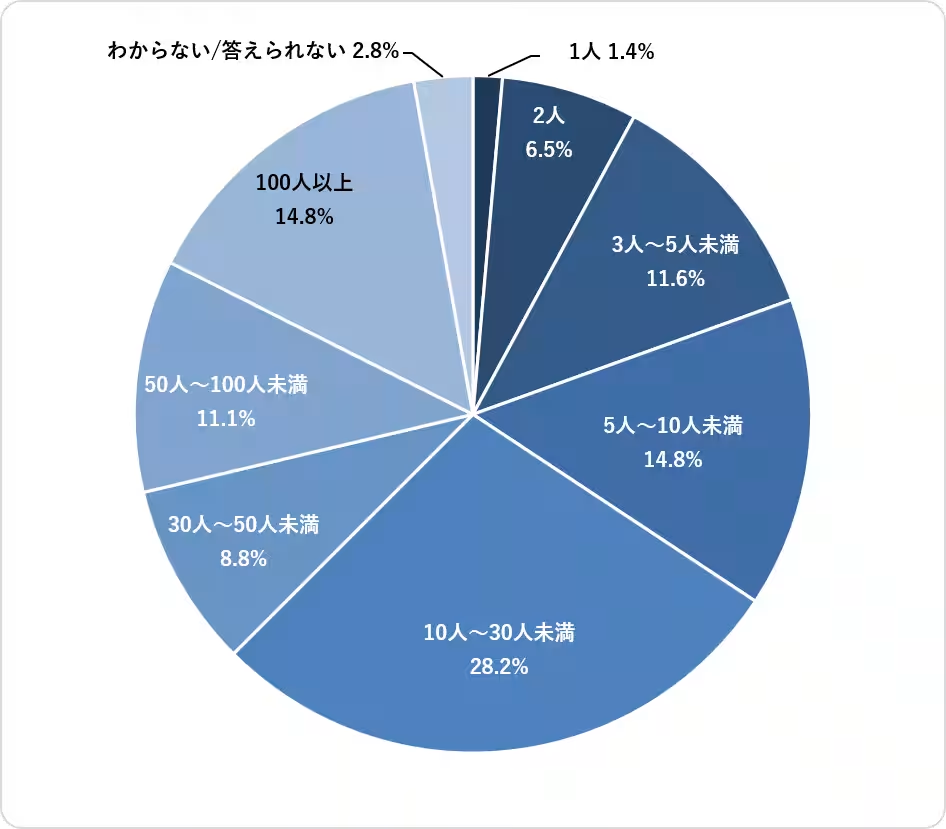
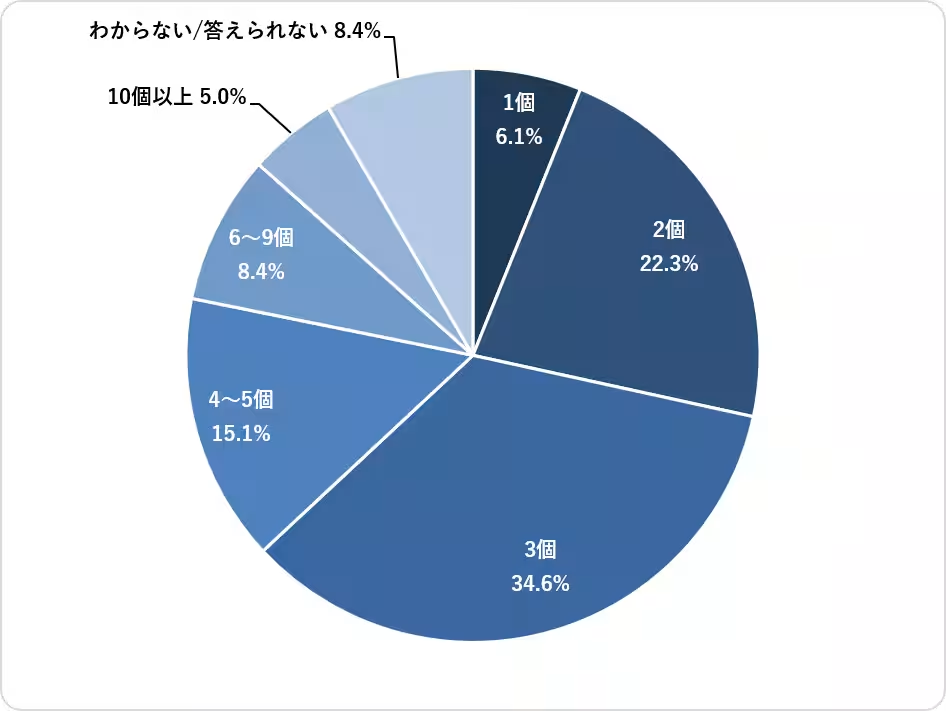
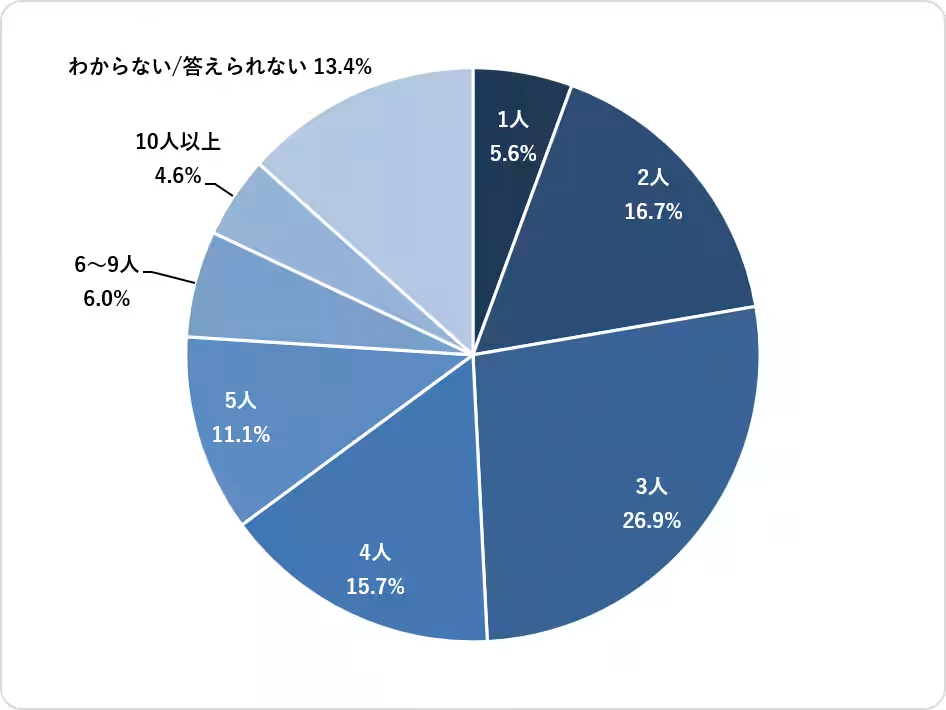
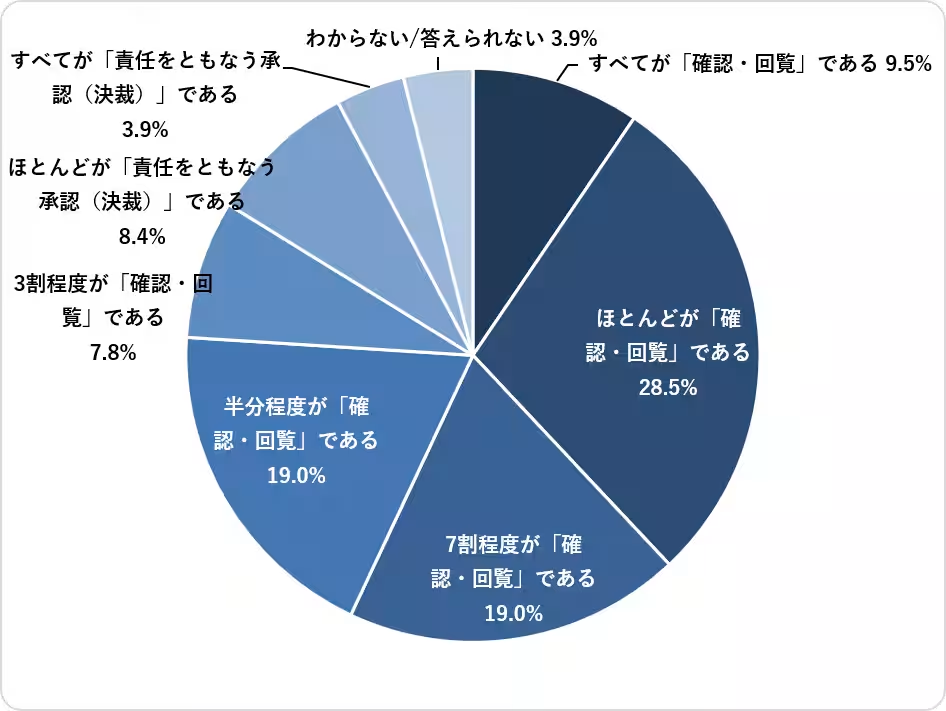
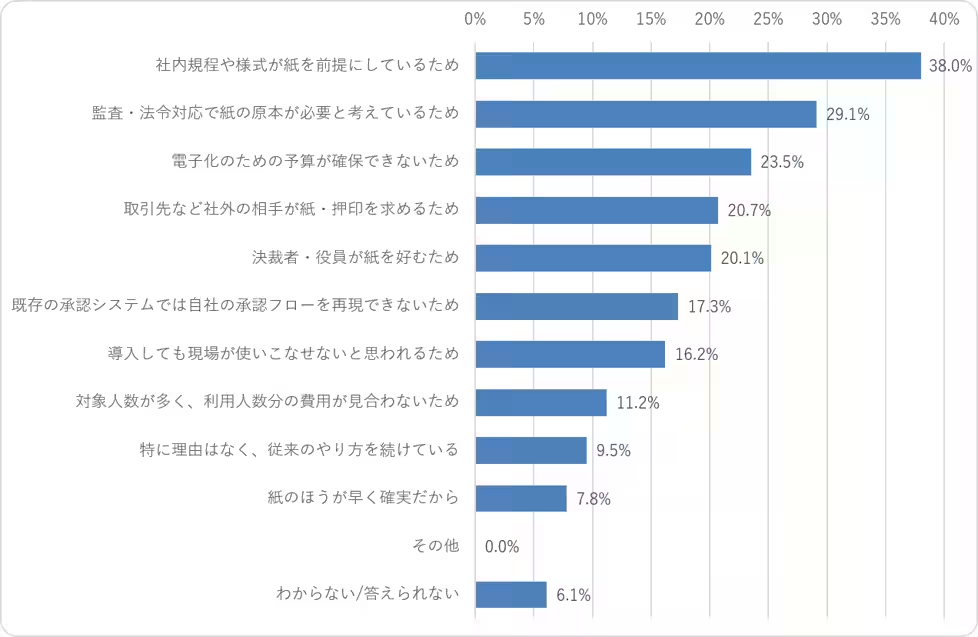
As NTT Data Business Brains explored in their survey, the factors behind delays in approval processes include the number of approvers, the significance ascribed to signature areas, the absence of certain approvers, and other internal regulations that complicate matters further.
Survey Highlights
Participant Profile
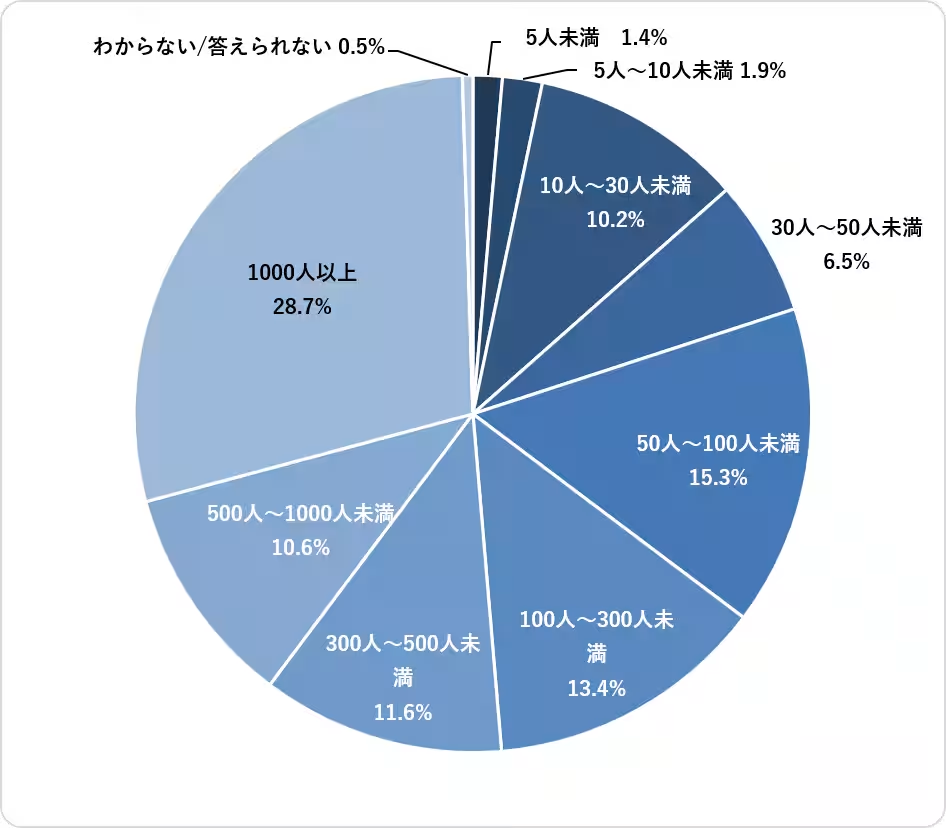
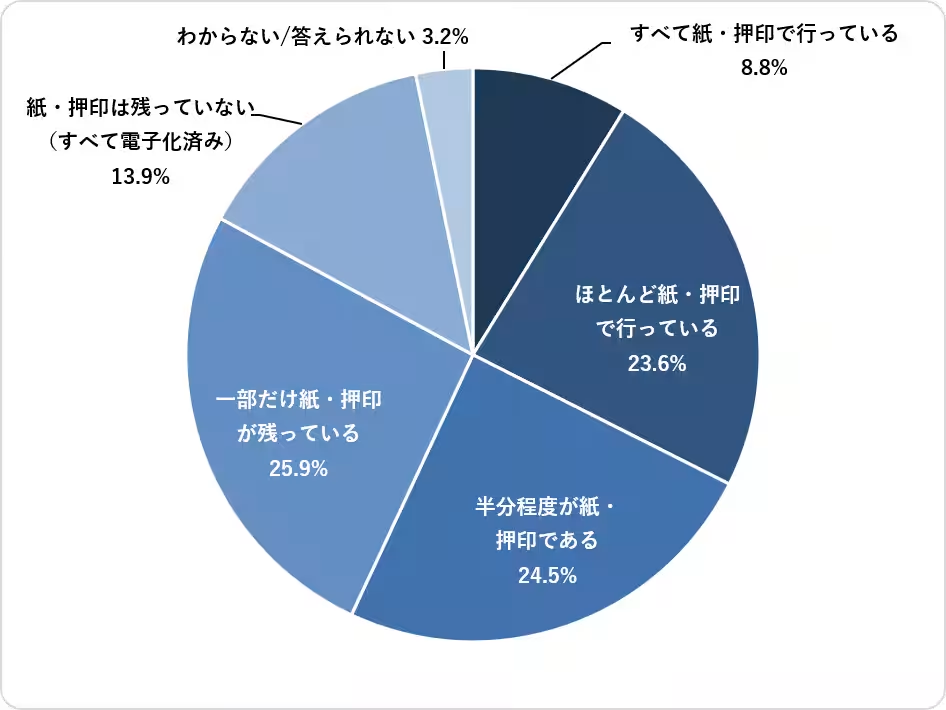
The survey respondents included leaders and managers from operational and administrative divisions across various companies nationwide, representing a wide range of organizational sizes. Despite a trend towards digital operations, only 13.9% reported that they had fully transitioned to electronic documentation. A staggering 82.9% still rely on paper for some or all approval processes, indicating a significant lag in modernizing these systems.
Key Findings
- - Majority Still Use Paper
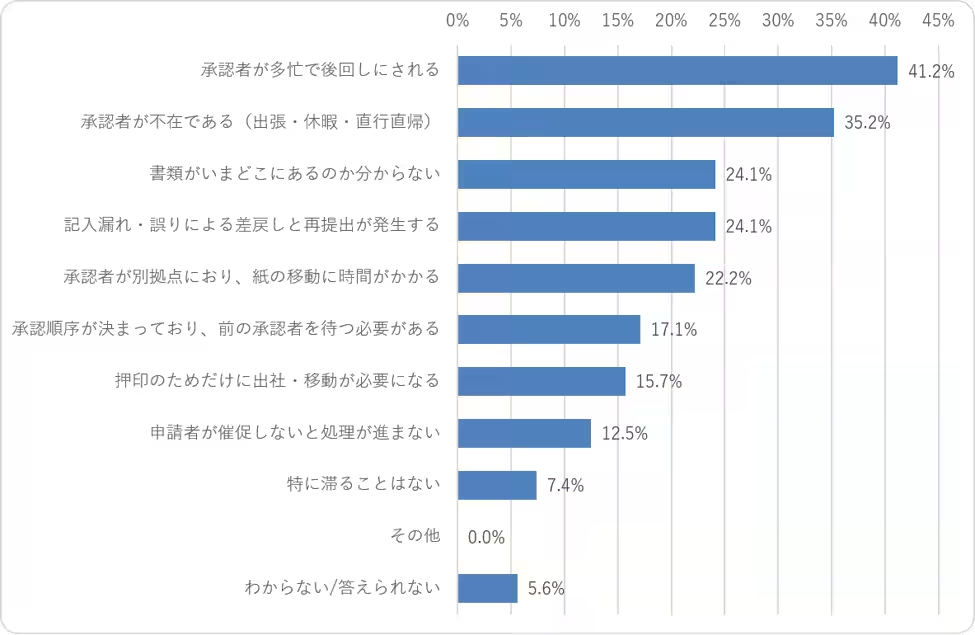
- - Key Reasons for Delays
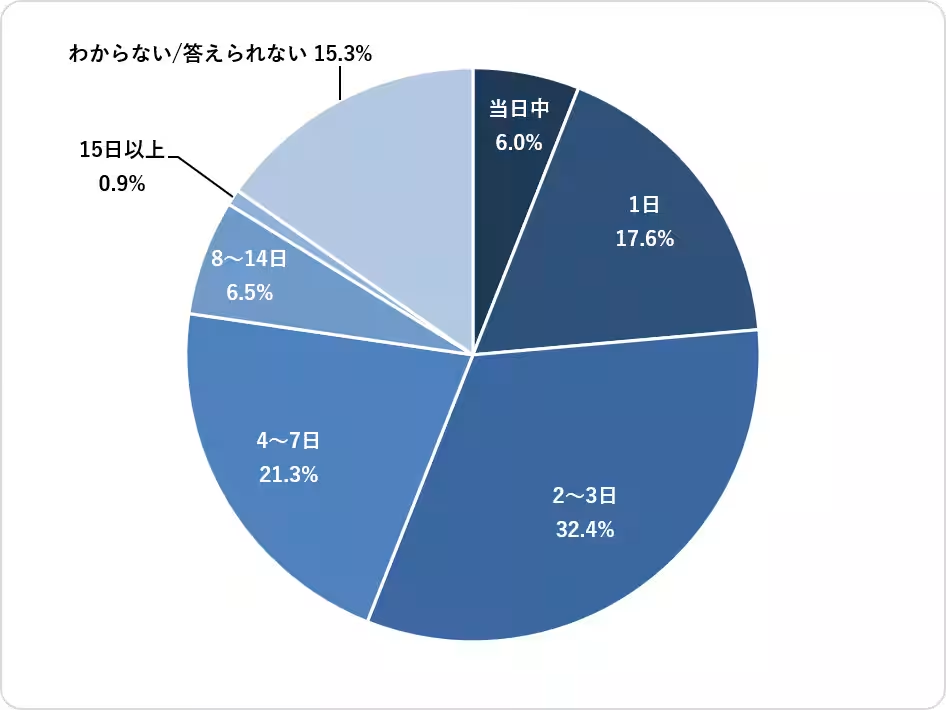
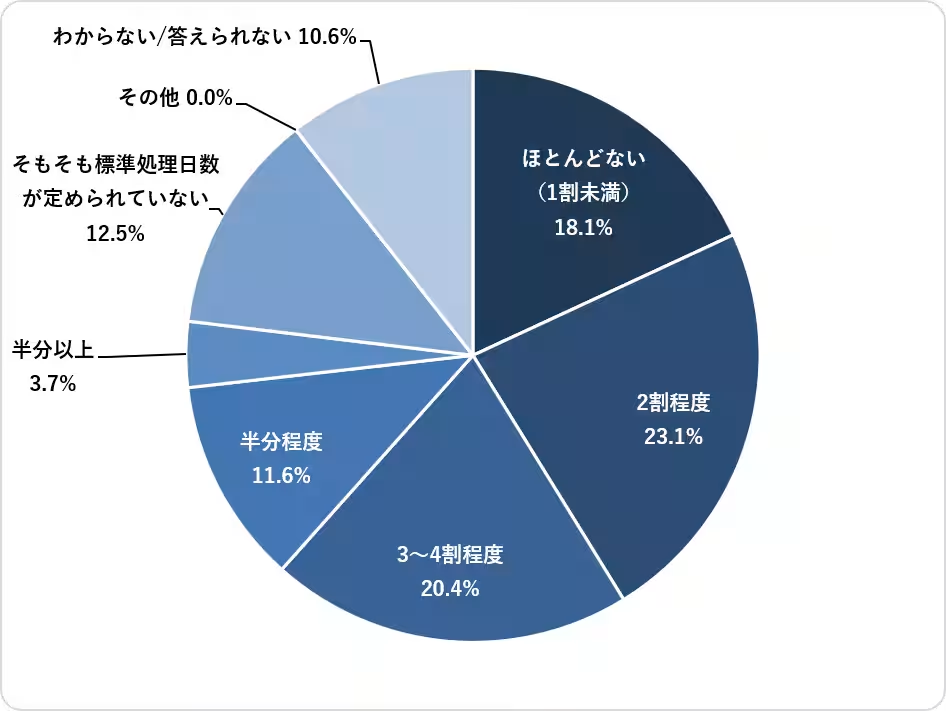
- - Approval Timeframes
Challenges Faced
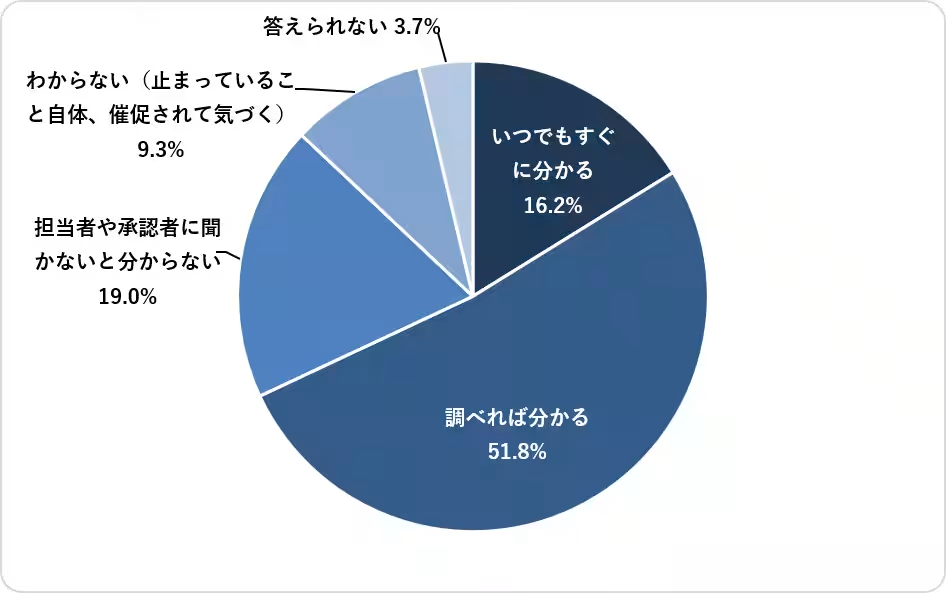
Notably, less than 20% of managers reported being aware of the status of pending approvals without having to actively search for information. This lack of visibility complicates the tracking process, leading to increased inefficiencies. Furthermore, 58.8% of respondents acknowledged that at least 20% of their submissions exceed standard processing times, indicating pervasive issues within the approval pipeline.
Real-World Examples from the Field
In conjunction with the survey data, NTT Data Business Brains conducted proof-of-concept (PoC) operations with several organizations, which further illuminated the approval process landscape. Some notable observations include:
- - In the manufacturing sector, one company reported that a single incident report required approvals from 14 different roles, resulting in a document that had to circulate for an extended period.
- - A trading company highlighted the inefficiencies of double data entry, illustrating that reliance on paper forms and timelines could easily be streamlined through digital management systems.
Moving Toward Digital Transformation
The findings suggest that simply digitizing forms will not resolve the fundamental structural issues within approval processes. For companies to realize the benefits of efficiency improvements, they must also reassess internal procedures, reduce unnecessary signatures, and enable greater visibility into approval statuses. Tools such as the no-code cloud database, Slopebase, can support organizations in overcoming these hurdles by facilitating process visualization and simplification, thereby promoting more efficient workflows.
As companies prepare to embrace digital strategies, it becomes crucial to rethink traditional methods of approval and administrative processes. The spotlight on these issues created by recent surveys serves as a strong call to action for organizations looking to optimize their internal operations.

Topics Business Technology)
【About Using Articles】
You can freely use the title and article content by linking to the page where the article is posted.
※ Images cannot be used.
【About Links】
Links are free to use.