


Naphtha Shortage Alters Consumer Minds: A Shift Toward Transparency Instead of Price Increases
Naphtha Shortage Alters Consumer Minds
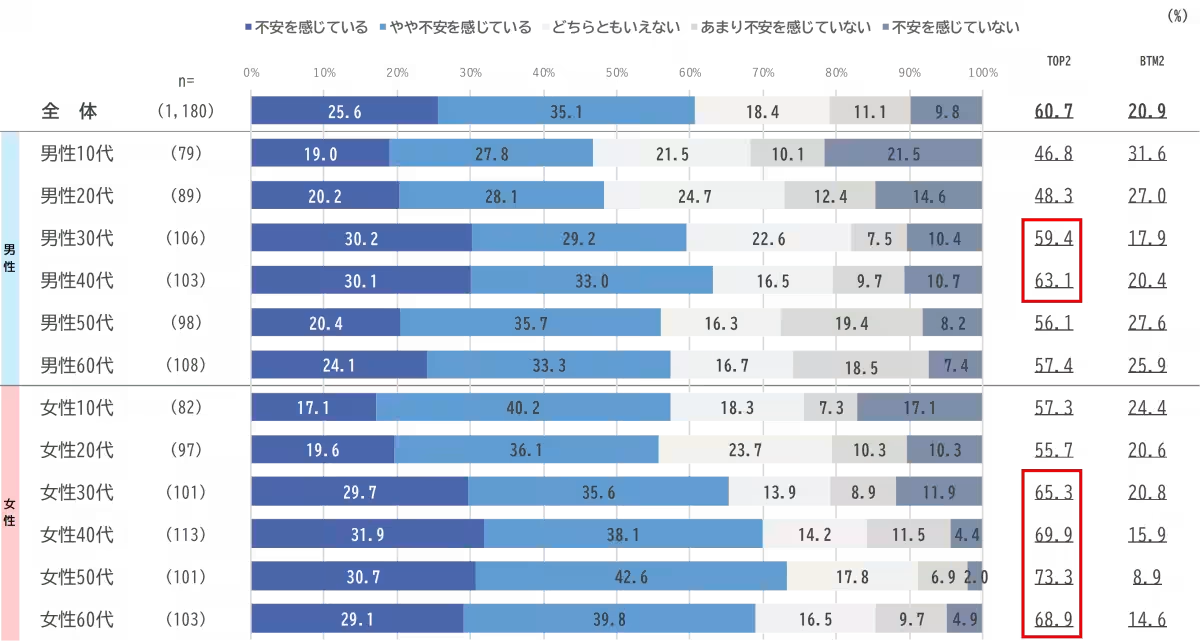
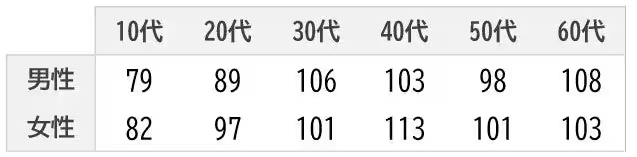
In May 2026, a comprehensive survey conducted by Japan Information Co., Ltd., a leading marketing research firm based in Tokyo, highlights the critical impact of the ongoing naphtha shortage on consumer psychology across Japan. With a sample of 1,180 individuals, aged 16 to 69, the study reveals that 60% of the respondents harbor concerns regarding the repercussions of this scarcity.
Survey Findings
The survey's findings were illuminating:
Finding 1: Anxiety Among Consumers
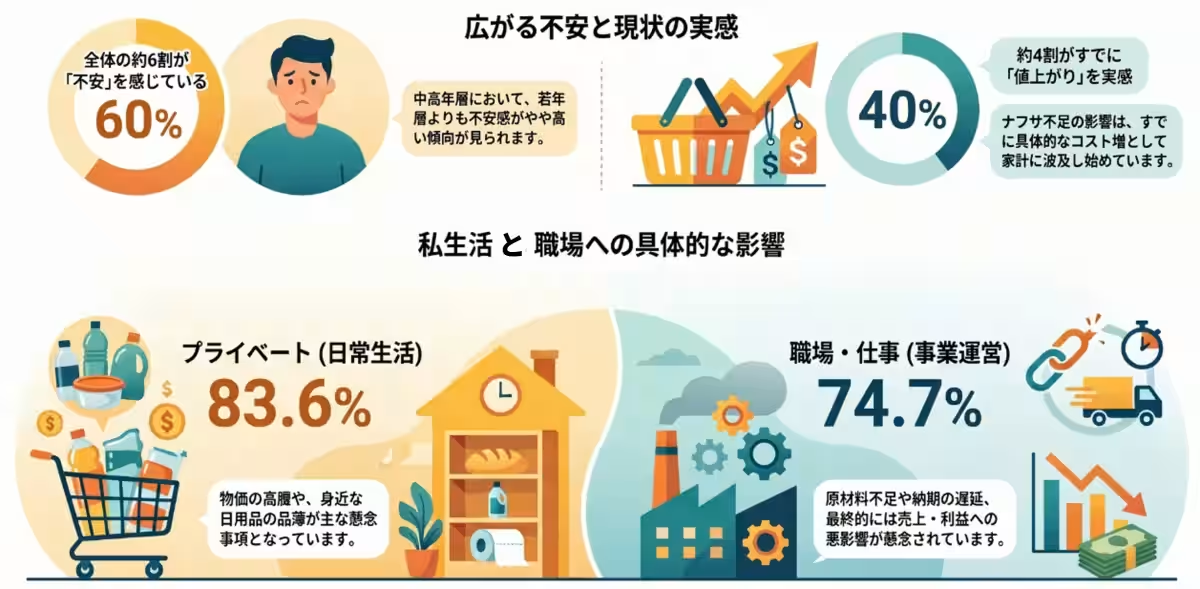
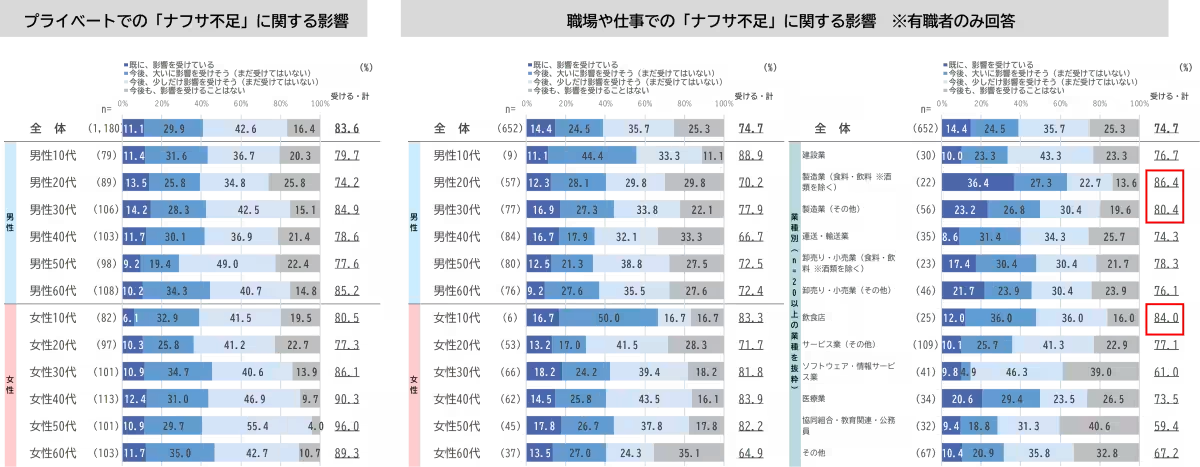
Approximately 60% of participants expressed anxiety about the naphtha shortage. A significant 83.6% felt the effects in their personal lives, while 74.7% reported impacts in the workplace. Notably, around 40% have already started to notice price increases attributed to this shortage. Interestingly, middle-aged adults displayed a slightly heightened sense of concern compared to younger individuals.
When asked about personal impacts, responses indicated heightened anxiety regarding rising prices and shortages of daily necessities. At the workplace, concerns revolved around shortages of materials and supplies affecting business operations.
Finding 2: The Rise of Stealth Price Hikes
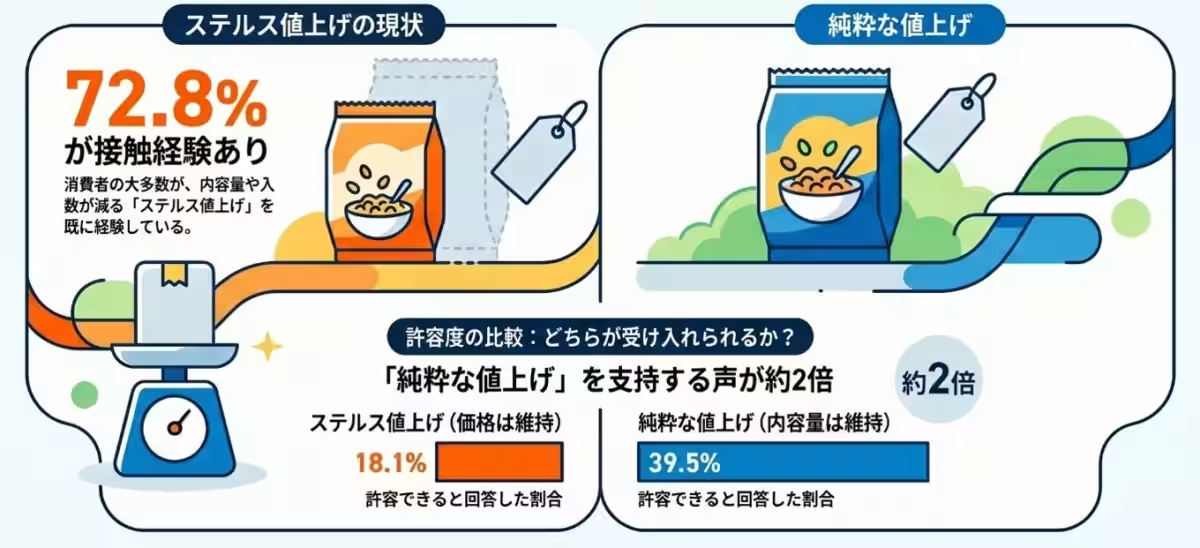
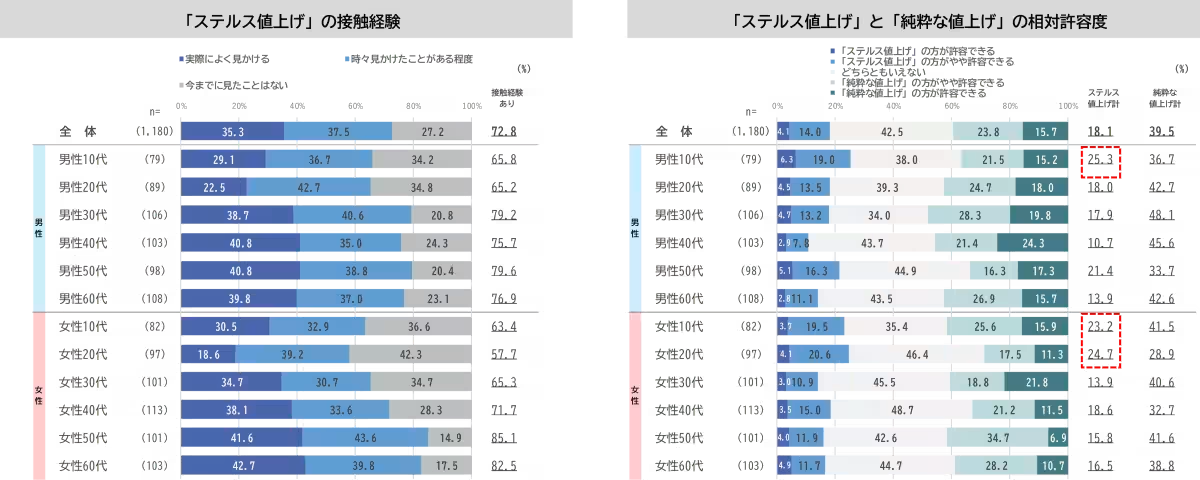
A staggering 72.8% of respondents acknowledged experiencing stealth price increases, where the price remains the same but quantity diminishes. When compared to straightforward price hikes, only 18.1% preferred the stealth method, while 39.5% found pure price hikes more acceptable. Interestingly, young consumers showed a higher tolerance for stealth increases, yet still preferred traditional price hikes overall.
Finding 3: Acceptance of Simplified Packaging
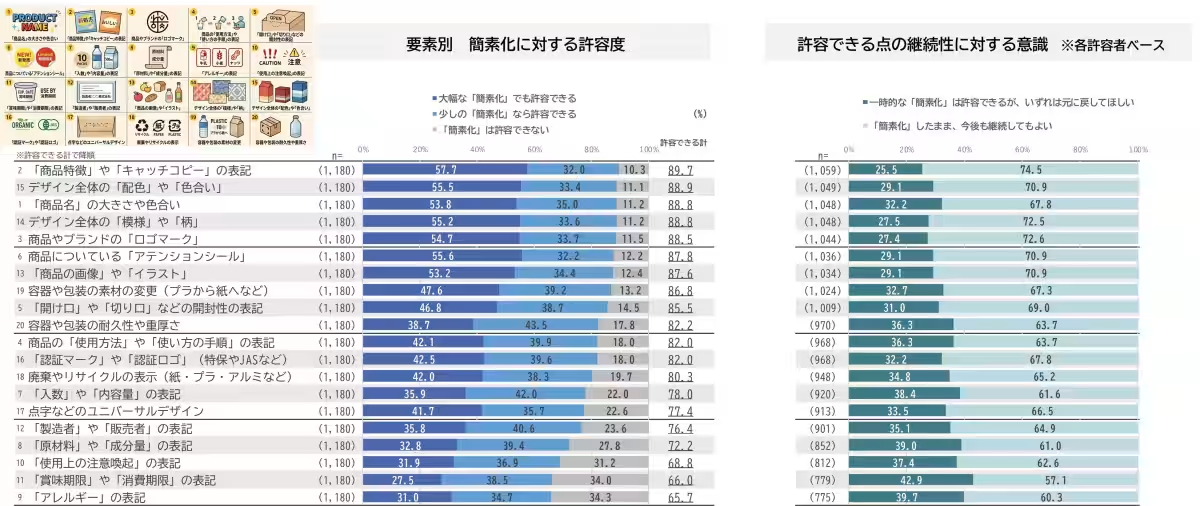
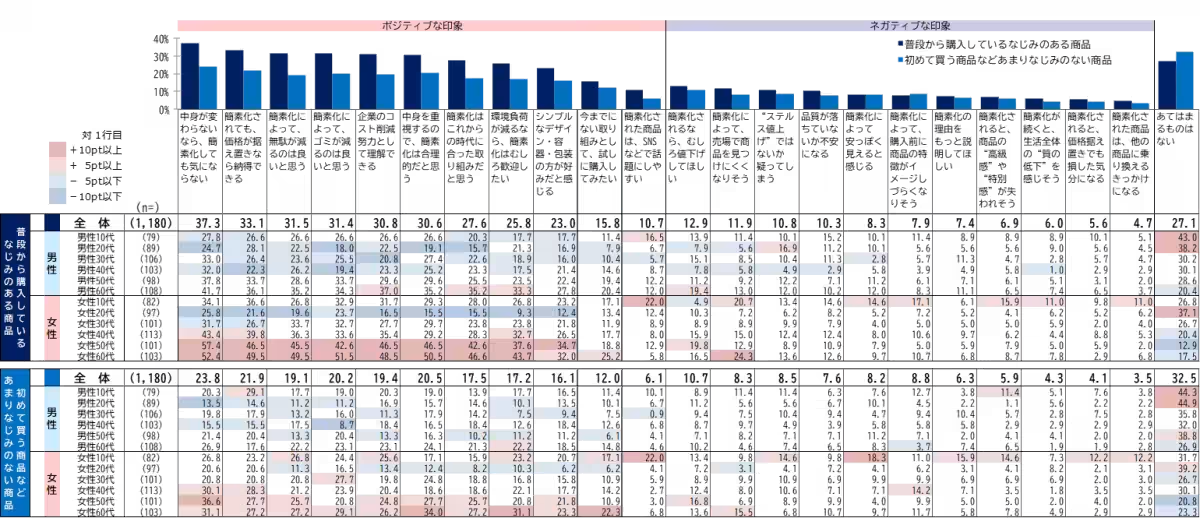
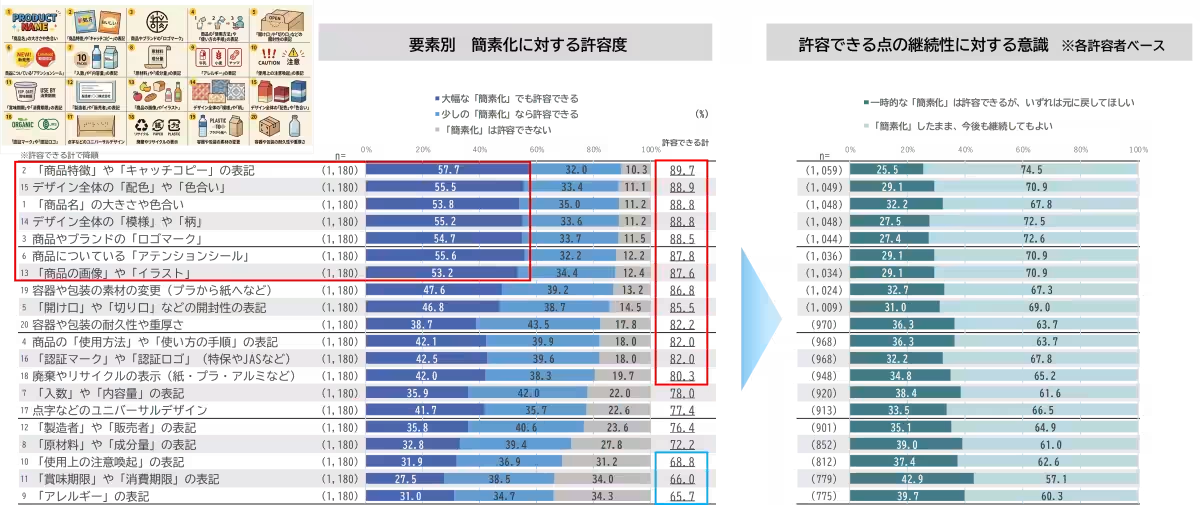
Contrary to expectations, the acceptance of simplified packaging due to the naphtha shortage was relatively high. Many respondents favored a temporary simplification that could remain in effect indefinitely.
Finding 4: Purchasing Intentions Unaffected
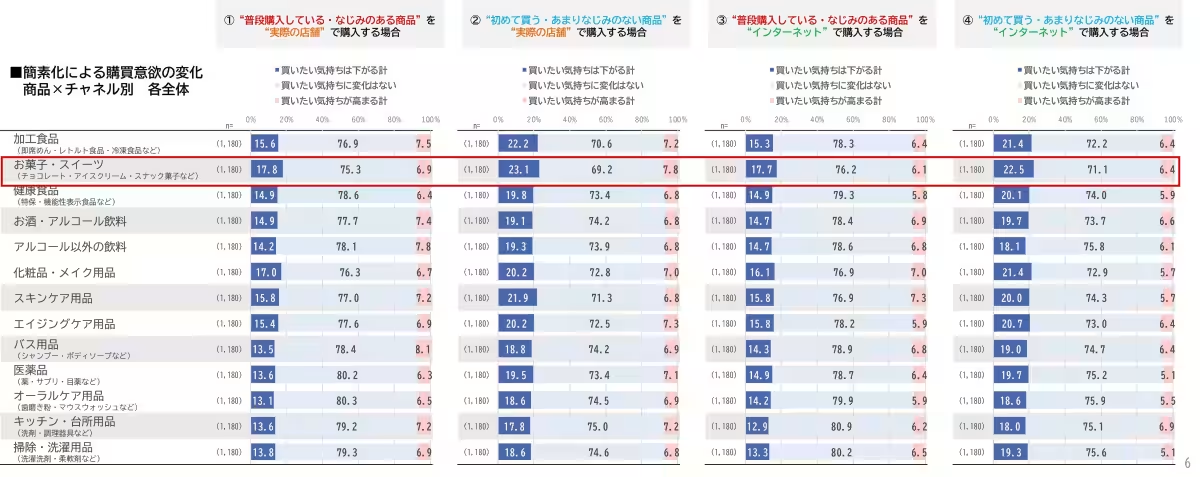
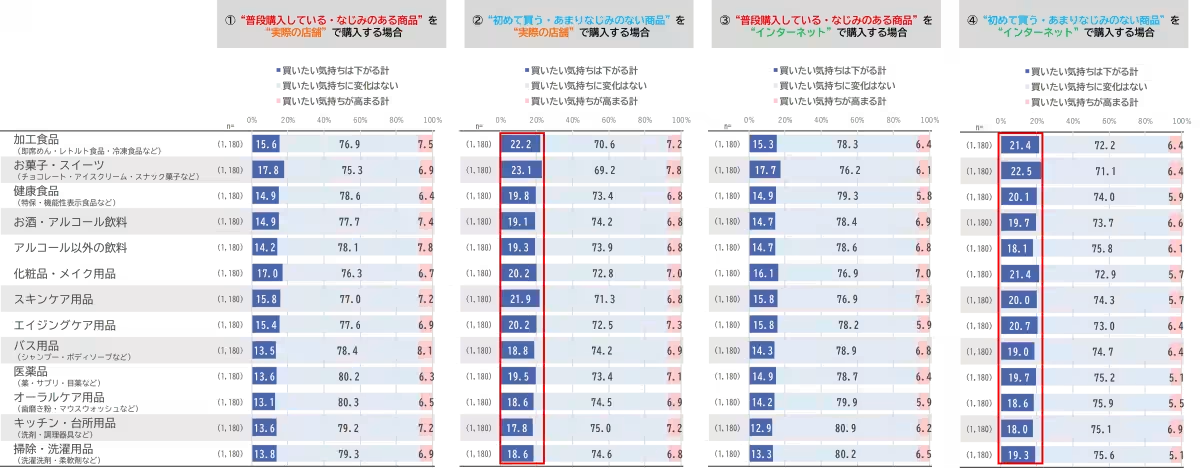
The impact of simplification on buying intentions seems minimal, with over 70% stating no change in their purchasing habits. However, the familiarity of the product played a role; lesser-known items exhibited a greater decline in purchase intent, especially in categories like snacks and sweets.
Implications of the Findings
The data suggests that consumers feel a palpable sense of anxiety due to the naphtha shortage, which translates into an awareness of rising prices. Furthermore, individuals showed a stronger tolerance for pure price hikes over stealth adjustments across demographics. As products adapt to simplification due to this shortage, it appears consumers are generally accepting of these changes, particularly when they don't perceive a decline in value.
Further Insights
Upon examining the data further, it's clear that while consumers accept simplifications broadly, they tend to react negatively when critical safety details, like expiration dates or allergen warnings, are simplified. This indicates a complex dynamic between the need to simplify operations and the imperative to maintain consumer trust and safety.
In conclusion, Japanese consumers are navigating the challenges posed by the naphtha shortage with a desire for transparency and understanding from brands. This shift in consumer sentiment underscores the importance for businesses to communicate openly about product changes while ensuring quality and safety remain a priority. The full survey report is available for those interested in a comprehensive understanding of these changes.
Request the Full Report
For detailed analysis and additional data, please download the complete report from here. The survey conducted nationwide in Japan raises important points about how external factors influence consumer behavior and perceptions.
Study Overview
- - Region: Nationwide, Japan
- - Participants: 1,180 aged 16 to 69
- - Held: May 28-29, 2026
- - Research Method: Internet-based closed monitor survey.
Note: Copyright for this report resides with Japan Information Co., Ltd. Please credit them as the source when referencing this data.
Topics Consumer Products & Retail)



【About Using Articles】
You can freely use the title and article content by linking to the page where the article is posted.
※ Images cannot be used.
【About Links】
Links are free to use.