


Innovative Collaboration Between LED TOKYO and Ofractal to Revolutionize Orbital Design for Space Missions
Innovative Collaboration Between LED TOKYO and Ofractal
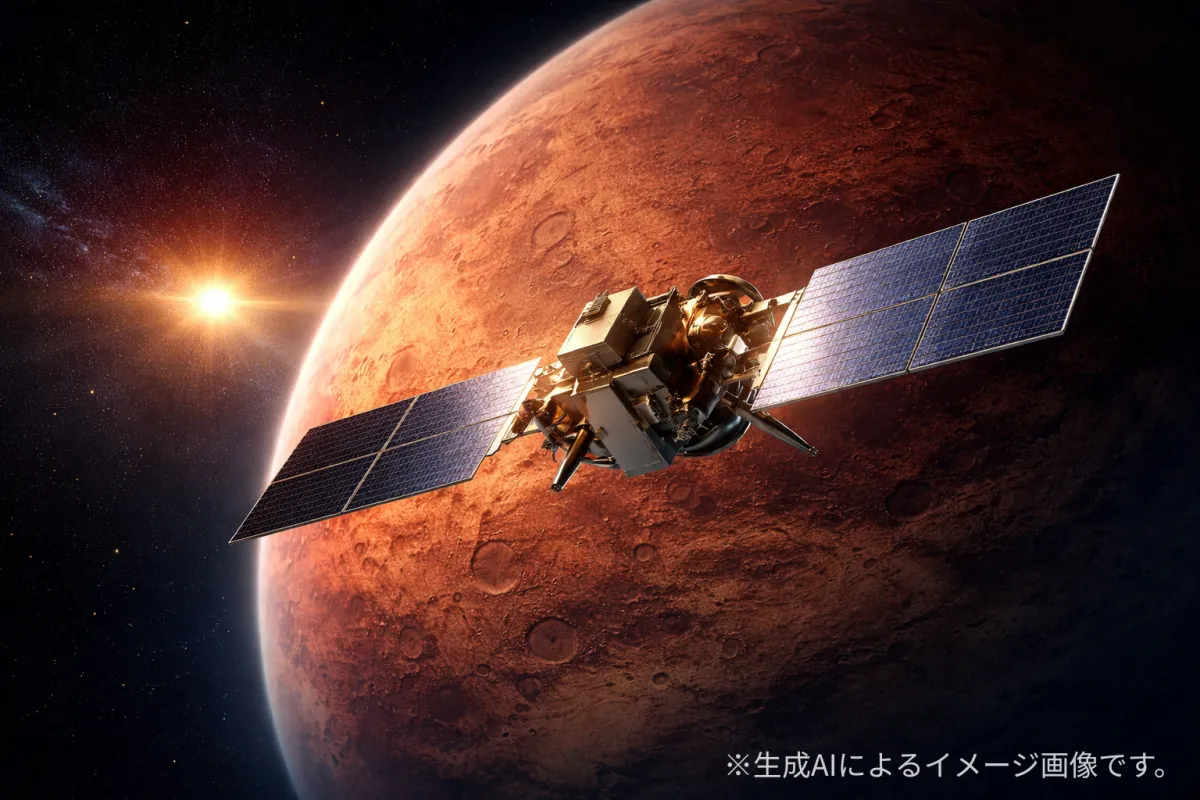
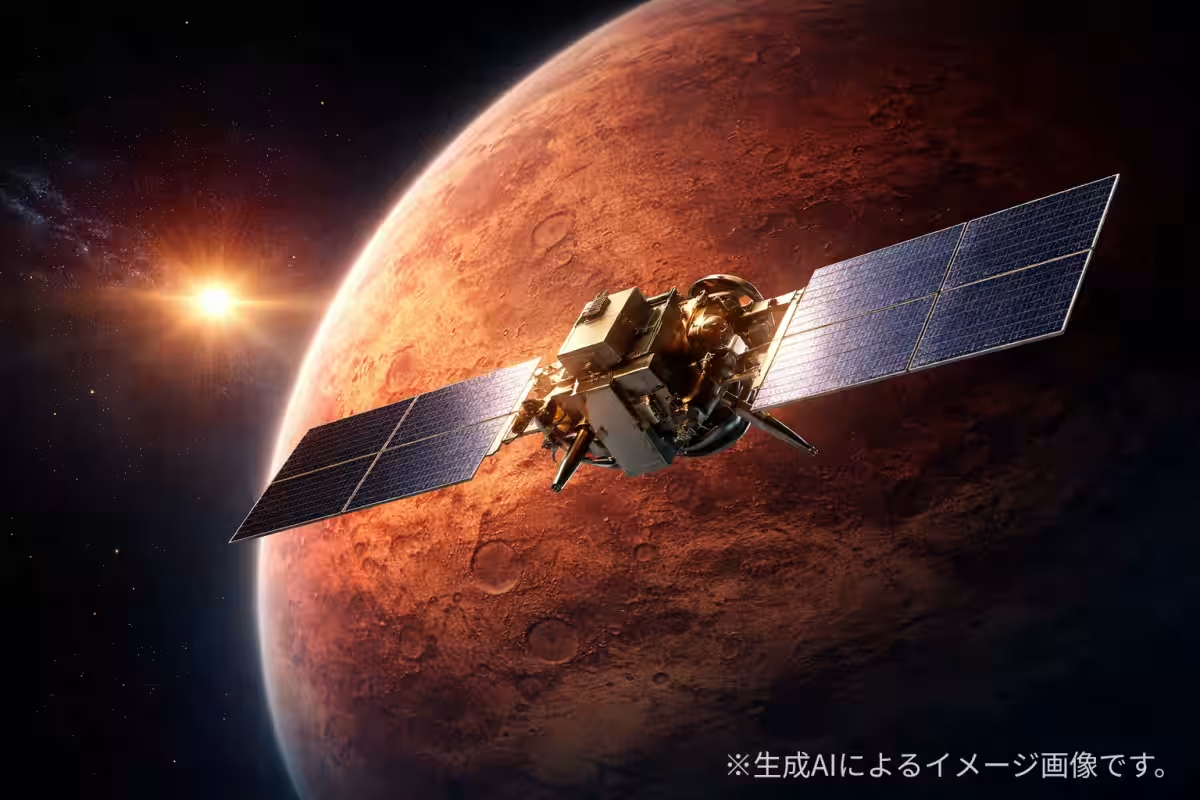
In an exciting development for space exploration, LED TOKYO and Ofractal have announced a joint research initiative aimed at revolutionizing orbital design for complex space missions. With the increasing complexity and duration of missions such as NASA's Artemis program and Japan's MMX project for Mars moon exploration, advanced computational techniques for trajectory optimization have become essential.
Purpose of the Research
The primary goal of this collaboration is to improve the visualization techniques used in the orbital design process. Recent advances in space missions have necessitated a shift towards dynamic and three-dimensional representations of trajectories, utilizing LED displays. This new approach aims not just to enhance the efficiency of fuel consumption and gravity assists but also to facilitate swift and clear communication among researchers involved in mission planning.
Background of the Research
Naoya Ozaki, the CEO of Ofractal, has extensive experience in space mission trajectory design, having collaborated with institutions like the Japan Aerospace Exploration Agency (JAXA). Traditional methods have relied heavily on complex mathematical analyses, often resulting in two-dimensional representations, such as Poincaré maps, which can be challenging for many stakeholders to grasp. In today's multi-national and multi-disciplinary approach to space missions, enhancing the understandability and shareability of orbital designs is of utmost importance.
A Vision for the Future
Through this partnership, LED TOKYO and Ofractal aim to achieve the following:
- - Develop proposals for three-dimensional, dynamic visual representations of orbital paths.
- - Provide optimization support during the orbital design process.
By doing so, the project seeks to accelerate design decisions and elevate the quality of decision-making amongst researchers.
Future ambitions include presenting the orbital design process in a way that is intuitive for the general public, thereby contributing to scientific communication within the realm of space development. This innovative research merges aerospace engineering with cutting-edge spatial visualization technology.
About Ofractal
Founded with the mission to democratize deep-space exploration, Ofractal is spearheaded by Naoya Ozaki. The startup is known for its expertise in advanced orbital design techniques and analytical foundations. The company is actively engaged in promoting frequent asteroid exploration through a network of miniaturized spacecraft. Their groundbreaking work was recognized in the S-Booster 2023 competition, securing the top prize. Ofractal aims to construct new deep-space infrastructure capable of achieving asteroid visits at a cost one-hundredth that of previous methods. Additionally, their consultancy services provide mission design optimization support for deep-space initiatives.
About LED TOKYO
Similarly, LED TOKYO, led by CEO Naoki Suzuki, operates under the philosophy of illuminating entertainment and art. They specialize in the sale and rental of LED displays and digital signage, meeting various demands with solutions ranging from indoor and outdoor installations to window and floor models. Their portfolio includes rental services tailored for events like concerts and exhibitions, along with a permanent studio in Yokohama equipped for dynamic visual experiences. Visitors can experience immersive LED environments firsthand at their showroom in Harajuku, which is available for tours via online reservations.
Conclusion
In a landscape where space missions have become intricate and multifaceted, this collaboration between LED TOKYO and Ofractal shines a light on the future of orbital design. Their innovative approach promises to simplify and enhance the visual communication of trajectory concepts, ultimately supporting the next frontier of human exploration beyond our planet.
Topics Entertainment & Media)







【About Using Articles】
You can freely use the title and article content by linking to the page where the article is posted.
※ Images cannot be used.
【About Links】
Links are free to use.