



Okayama University Hosts Innovative AI Utilization Conference for Industry, Academia, and Government Collaboration
Okayama University Hosts Innovative AI Utilization Conference
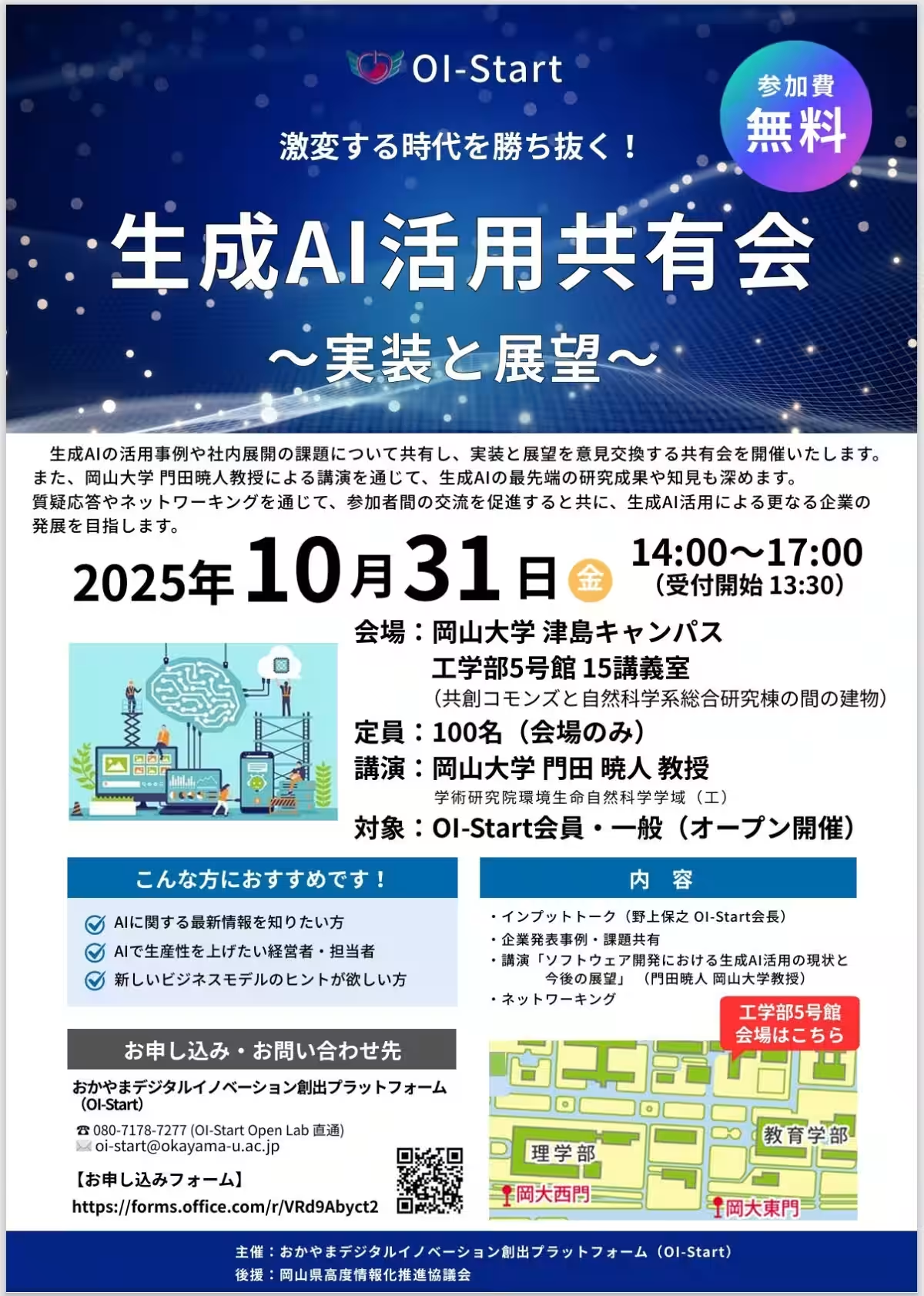
On October 31, 2025, Okayama University, under the leadership of President Yasuto Nasu, held the "OI-Start Generative AI Utilization Conference" at the Tsushima Campus. This event aimed to share practical examples and challenges of utilizing generative AI in light of the rapidly evolving AI landscape, fostering a collaborative environment for attendees.
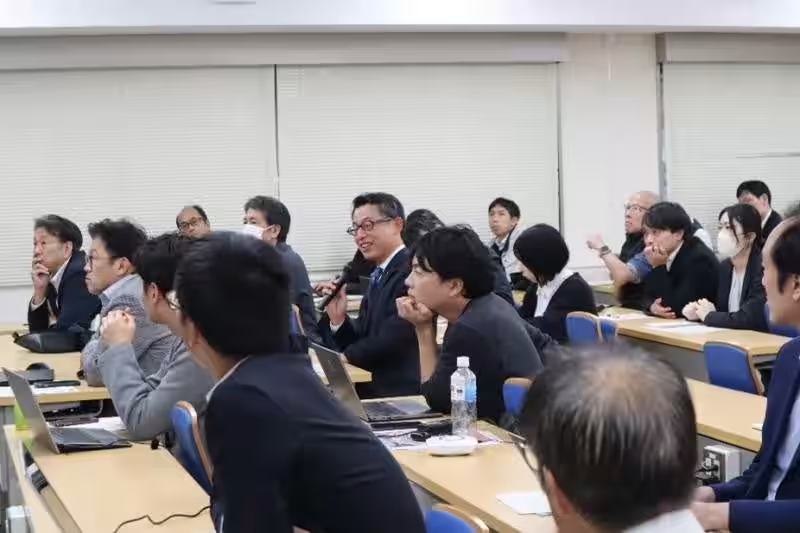
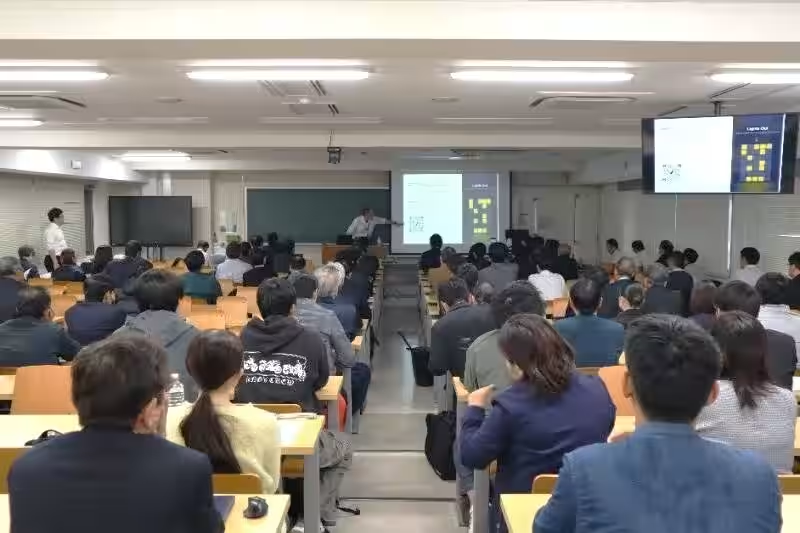
Approximately 130 participants, including OI-Start member companies, faculty, and students, gathered to explore how generative AI can contribute to business development and promote interaction among stakeholders. The event was sponsored by the Okayama Prefecture Advanced Information Promotion Council.
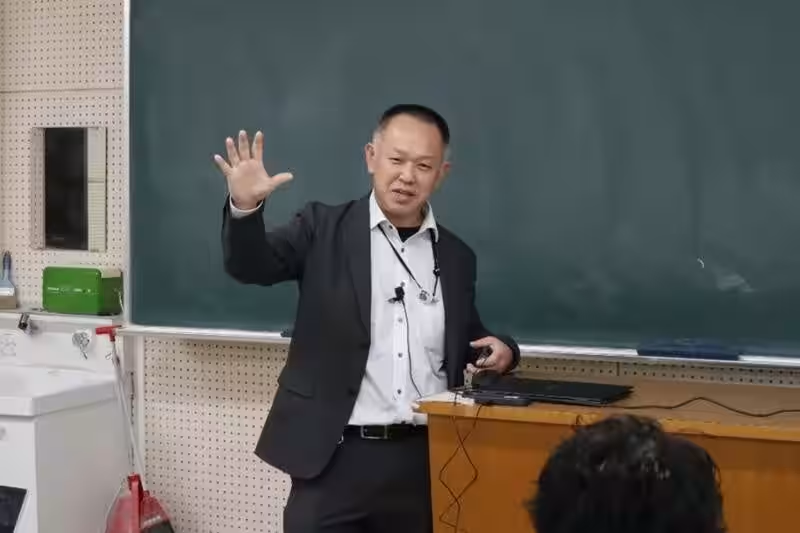
Professor Yasunori Nogami, chair of OI-Start and an academic from the Institute of Natural Science, opened the conference with a keynote address. He emphasized the importance of harnessing unique capabilities in Okayama amidst the ongoing AI revolution and expressed a desire for companies to engage in distinct, innovative pursuits.
Following the opening remarks, seven companies, including People Software, Kyoudo Company, Serio, High-tech Systems, Tosco, and CoreTech, presented their experiences in utilizing generative AI. The presentations covered a variety of topics, including automatic generation of patch images using deep learning models, the development of guidelines to support generative AI integration, and the creation of proprietary AI tools. Attendees also enjoyed demonstrations of generative AI services, which highlighted the innovative work happening in these companies.
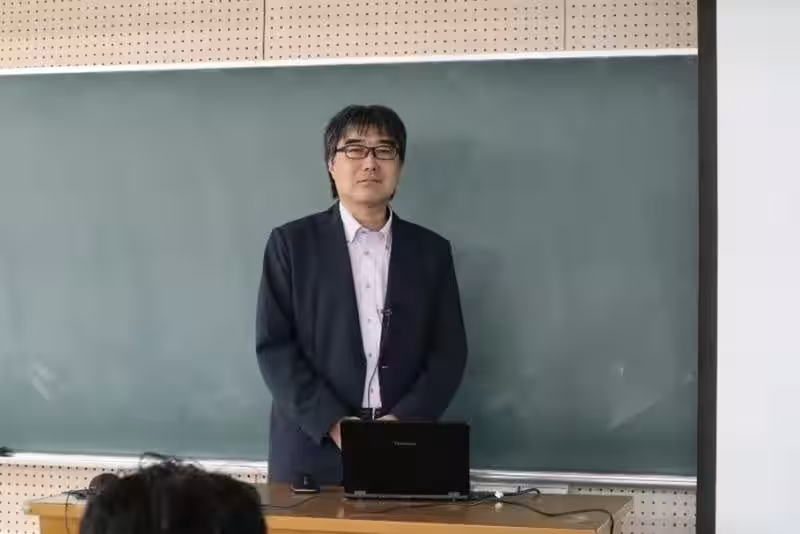
Next, Professor Akihito Kanda from the Institute of Natural Science delivered a lecture on the current state and future prospects of generative AI utilization in software development. He compared the trends in Japan and overseas, discussing the challenges faced and his visions for the future of software development in the generative AI era.
The conference concluded with a lively discussion driven by real-time online questions submitted by attendees. Topics included innovative uses of generative AI, guidelines for its implementation, copyright issues, and strategies for achieving competitive advantages in Okayama. Professor Nogami encouraged participants to leverage insights from the conference to foster AI-driven innovation that reflects the uniqueness of Okayama.
A student expressed gratitude for the opportunity to engage in discussions about AI, sharing that their research in graduate school involves applying AI for estimating plant sizes. They noted the critical importance of staying abreast with AI developments to avoid falling behind.
The OI-Start initiative continues to promote collaborative spaces beyond academic and corporate boundaries, contributing to regional innovation. Ongoing support and collaboration within digital innovation platforms, like OI-Start, will drive the efforts of Okayama University as a leading research university in the region.
For more information on the OI-Start initiative, visit OI-Start website.

Topics Other)
【About Using Articles】
You can freely use the title and article content by linking to the page where the article is posted.
※ Images cannot be used.
【About Links】
Links are free to use.