



Overcoming the Storm: Education Recovery Efforts in Kilifi County, Kenya
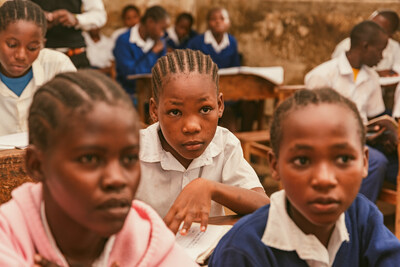
In the heart of Kilifi County, Kenya, the haunting memories of a catastrophic flood are slowly giving way to the joyous sounds of children once again filling the classrooms. Just one year ago, the Tunzanani Primary School was overwhelmed by a deluge that wreaked extensive havoc, leaving not just buildings but futures submerged beneath the debris. The community faced despair as the relentless rains and subsequent flooding threatened the aspirations of students like 13-year-old Margaret and 12-year-old Gabriel, whose dreams of educational success seemed to drown amidst the chaos.
For these young learners, the flood was not merely a weather event; it was an unforgiving barrier inhibiting their paths to meaningful careers in science and medicine. With their school destroyed and their educational materials swept away, the reality was grim. Yet, where some saw insurmountable challenges, others recognized the resilience inherent in the community. Thanks to the swift intervention of Education Cannot Wait (ECW) and support from the Postcode Education Trust, vital resources were mobilized to help children like Margaret and Gabriel get back to school.
Kenyans are currently battling the front lines of the climate crisis, facing devastating floods and prolonged droughts that continuously obstruct progress for many seeking a brighter tomorrow. Before the floods struck, Margaret aimed to become an ophthalmologist while Gabriel aspired towards a career in scientific research. Their ambitions, however, were thrown into jeopardy as floodwaters obliterated their classroom and created inaccessible paths to learning.
Despite these hurdles, the drive to pursue education remained unwavering. The emergency program launched to address the crisis not only provided essential school supplies like backpacks and learning materials but also set up water tanks ensuring a consistent supply of clean water for students and teachers. Now, the hallways of Tunzanani Primary are brimming with students striving to contribute positively to their communities.
Gabriel, determined as ever, shared, “When I grow up, I want to be a scientist and work in medicine to create medications for people.” Meanwhile, Margaret benefited from the holistic support system the program instituted. Like many girls her age, she once faced challenges managing her menstruation without access to appropriate hygiene products. Her family's financial constraints often left her without this essential support. “When I got my period, I rushed home to get pads, but my mother could not afford them. I’m grateful that my school, with help from UNICEF, provides these for us,” Margaret expressed, highlighting how such initiatives have enabled her to remain in school.
The school’s administration received training in mental health and psychosocial support, empowering them to assist students enduring stress and trauma caused by emergencies. The focus on building capacity transcends mere education; it extends to disaster preparedness for future climate-related adversities. Millions of Kenyans face severe humanitarian crises stemming from the longest drought in four decades, further exacerbated by the catastrophic flooding that occurred less than a year ago.
ECW’s Global Estimates report reveals that nearly 50% of crisis-affected children worldwide are of school age, with Sub-Saharan Africa facing the most complex educational challenges.
Peninah Gambo, the school’s vice-principal, expressed heartfelt gratitude for the comprehensive assistance, stating, “We are thankful for this support in such trying times. It has significantly impacted our school, ensuring that students have access to vital resources and uninterrupted education.” As Kilifi County works toward rebuilding itself, children like Margaret and Gabriel remain hopeful for their futures. The mission now extends beyond simple restoration to sustainable improvements, equipping schools like Tunzanani to withstand future challenges, whether floods or droughts.
This effort is far from complete. The floods in Kenya serve as a stark reminder of how climate change impacts communities across the globe. Continued support for crisis-affected children like Margaret and Gabriel is paramount to ensuring that education remains accessible amidst adversity. Education is not merely a right; it is a critical tool for building resilience, creating opportunities, and preparing future generations to navigate an ever-evolving world.
For these young learners, the flood was not merely a weather event; it was an unforgiving barrier inhibiting their paths to meaningful careers in science and medicine. With their school destroyed and their educational materials swept away, the reality was grim. Yet, where some saw insurmountable challenges, others recognized the resilience inherent in the community. Thanks to the swift intervention of Education Cannot Wait (ECW) and support from the Postcode Education Trust, vital resources were mobilized to help children like Margaret and Gabriel get back to school.
Kenyans are currently battling the front lines of the climate crisis, facing devastating floods and prolonged droughts that continuously obstruct progress for many seeking a brighter tomorrow. Before the floods struck, Margaret aimed to become an ophthalmologist while Gabriel aspired towards a career in scientific research. Their ambitions, however, were thrown into jeopardy as floodwaters obliterated their classroom and created inaccessible paths to learning.
Despite these hurdles, the drive to pursue education remained unwavering. The emergency program launched to address the crisis not only provided essential school supplies like backpacks and learning materials but also set up water tanks ensuring a consistent supply of clean water for students and teachers. Now, the hallways of Tunzanani Primary are brimming with students striving to contribute positively to their communities.
Gabriel, determined as ever, shared, “When I grow up, I want to be a scientist and work in medicine to create medications for people.” Meanwhile, Margaret benefited from the holistic support system the program instituted. Like many girls her age, she once faced challenges managing her menstruation without access to appropriate hygiene products. Her family's financial constraints often left her without this essential support. “When I got my period, I rushed home to get pads, but my mother could not afford them. I’m grateful that my school, with help from UNICEF, provides these for us,” Margaret expressed, highlighting how such initiatives have enabled her to remain in school.
The school’s administration received training in mental health and psychosocial support, empowering them to assist students enduring stress and trauma caused by emergencies. The focus on building capacity transcends mere education; it extends to disaster preparedness for future climate-related adversities. Millions of Kenyans face severe humanitarian crises stemming from the longest drought in four decades, further exacerbated by the catastrophic flooding that occurred less than a year ago.
ECW’s Global Estimates report reveals that nearly 50% of crisis-affected children worldwide are of school age, with Sub-Saharan Africa facing the most complex educational challenges.
Peninah Gambo, the school’s vice-principal, expressed heartfelt gratitude for the comprehensive assistance, stating, “We are thankful for this support in such trying times. It has significantly impacted our school, ensuring that students have access to vital resources and uninterrupted education.” As Kilifi County works toward rebuilding itself, children like Margaret and Gabriel remain hopeful for their futures. The mission now extends beyond simple restoration to sustainable improvements, equipping schools like Tunzanani to withstand future challenges, whether floods or droughts.
This effort is far from complete. The floods in Kenya serve as a stark reminder of how climate change impacts communities across the globe. Continued support for crisis-affected children like Margaret and Gabriel is paramount to ensuring that education remains accessible amidst adversity. Education is not merely a right; it is a critical tool for building resilience, creating opportunities, and preparing future generations to navigate an ever-evolving world.
Topics Other)
【About Using Articles】
You can freely use the title and article content by linking to the page where the article is posted.
※ Images cannot be used.
【About Links】
Links are free to use.