



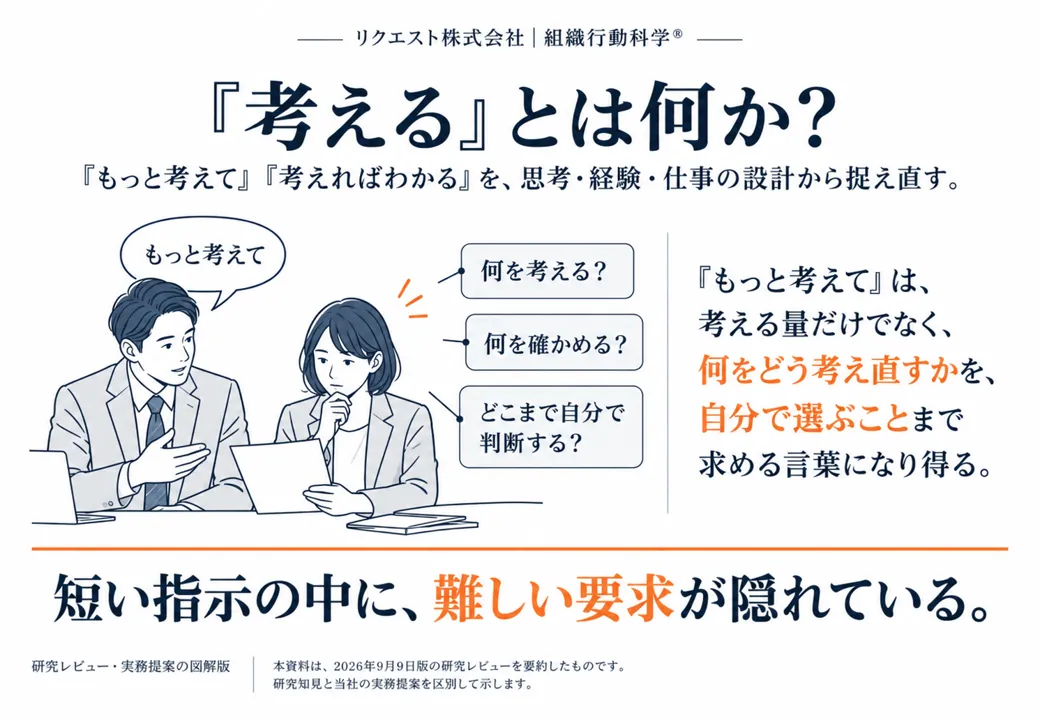
Why It's Challenging to Think More: New Insights from Request Inc. on Organizational Behavior Science
Understanding the Challenge of Thinking More at Work
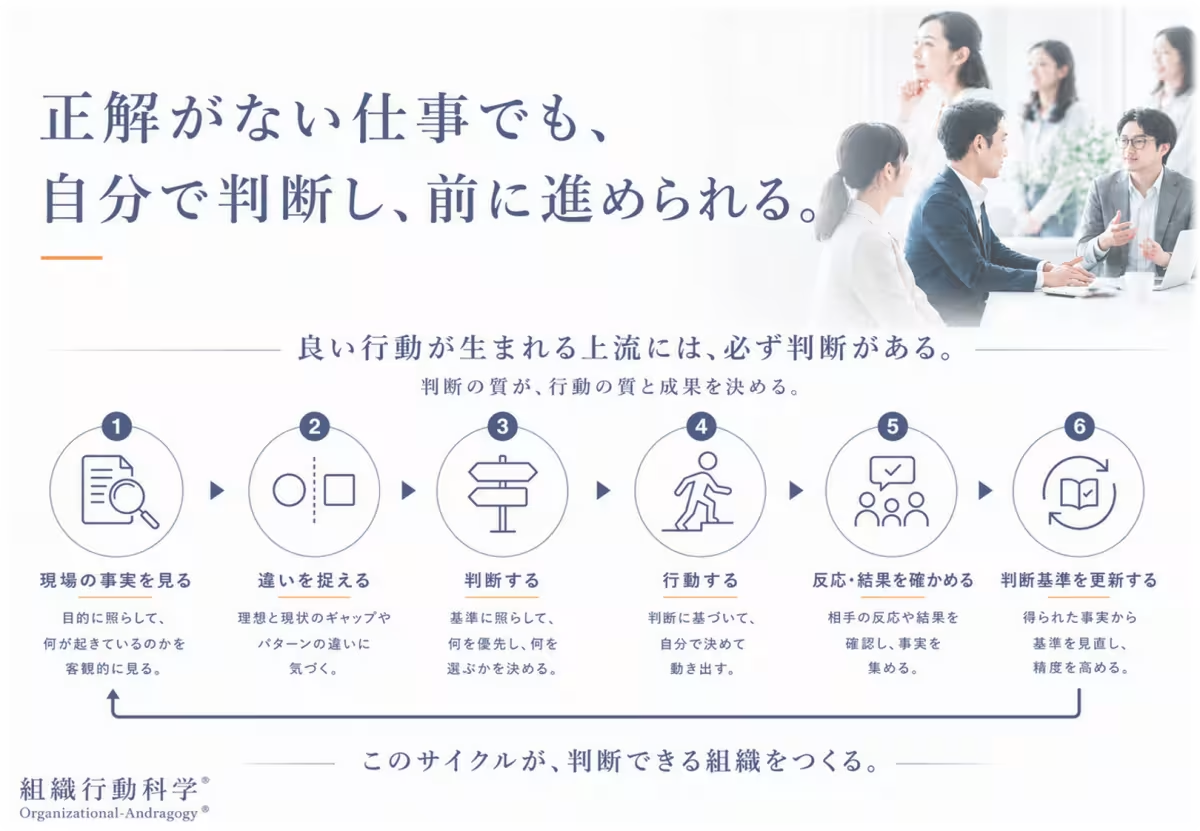
In today’s work environment, the phrase "think more" is often thrown around casually, suggesting a simple solution to complex problems. However, Request Inc., based in Shinjuku, Tokyo, has published new materials that delve into why this seemingly straightforward request can be incredibly intricate. With data from nearly 1,000 companies and over 338,000 employees, the organization offers a fresh perspective on the concept of thinking within workplace dynamics.
Reexamining the Concept of Thinking
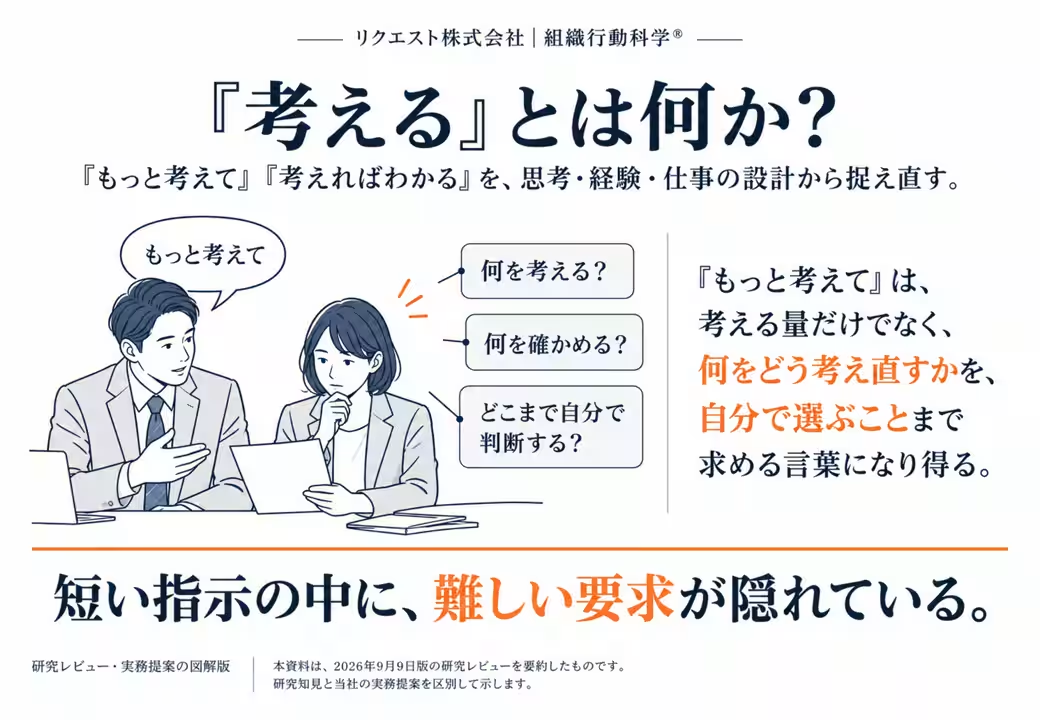
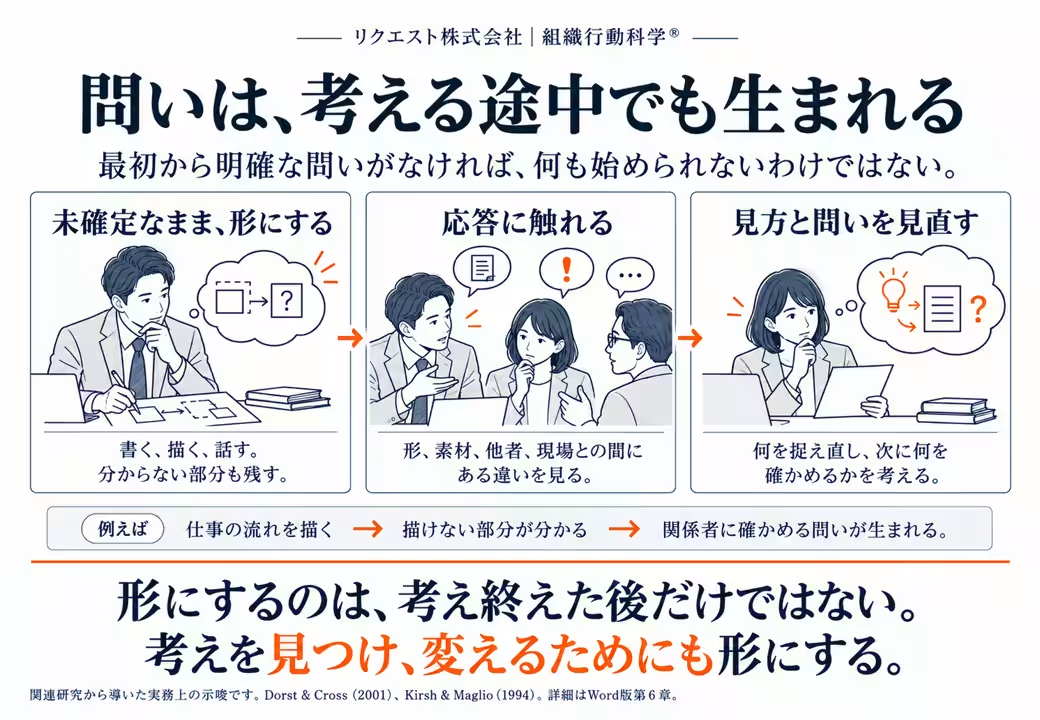
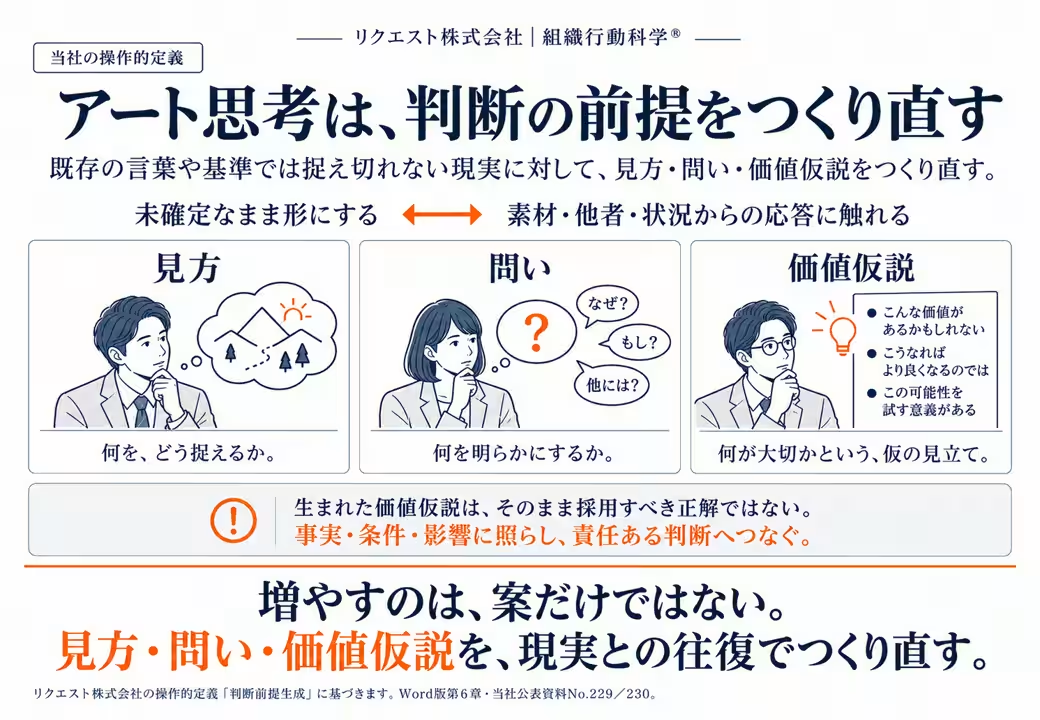
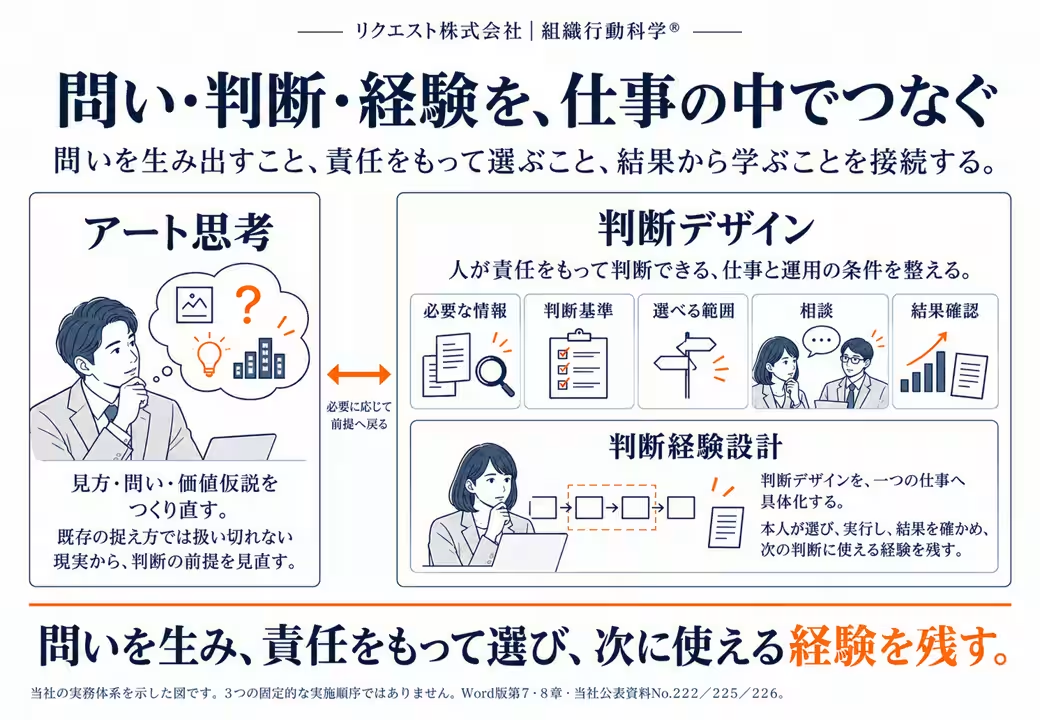
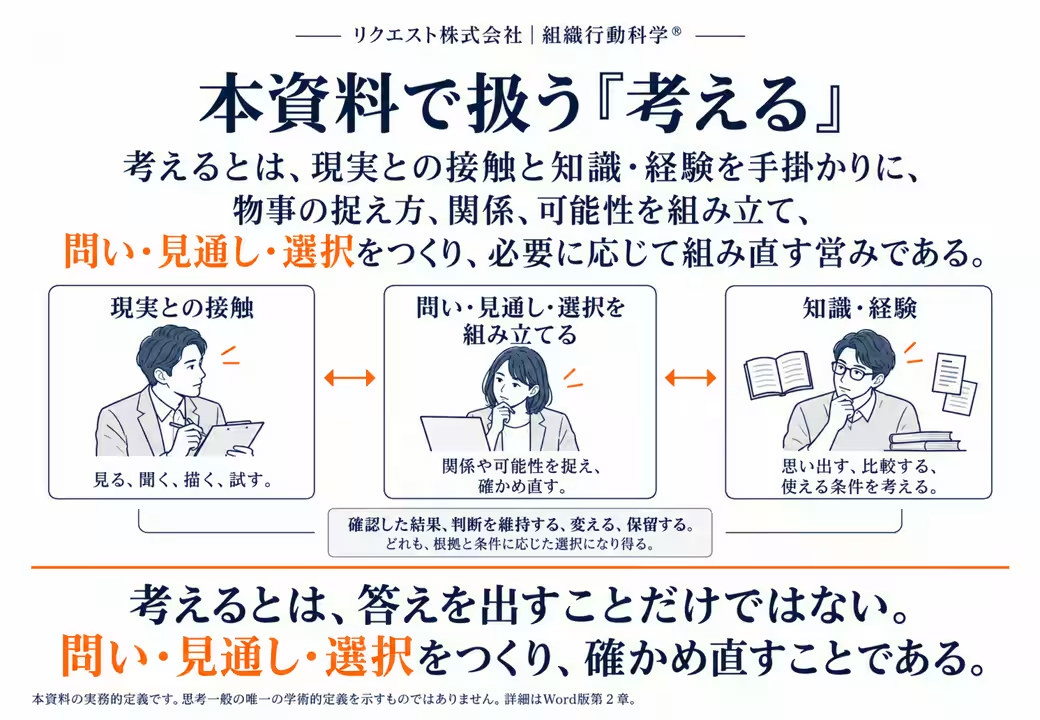
Request Inc. has released twelve detailed illustrations alongside a comprehensive research review titled "What Does It Mean to Think?" This series is designed to help individuals and organizations redefine their understanding of thinking, particularly when faced with directives like "You need to think more" or "If you think about it, you'll find the answer."
These materials explore the nuances around how thinking should not solely be considered a personal effort or ability. Instead, individuals are encouraged to reflect on the following:
- - What is being thought about?
- - What are the boundaries of this thought?
- - What basis supports this thought?
- - How can conclusions be verified?
By conceptualizing these questions, employees can better navigate the difficulties inherent in the thinking process.
Distinguishing Between Different Types of Thinking
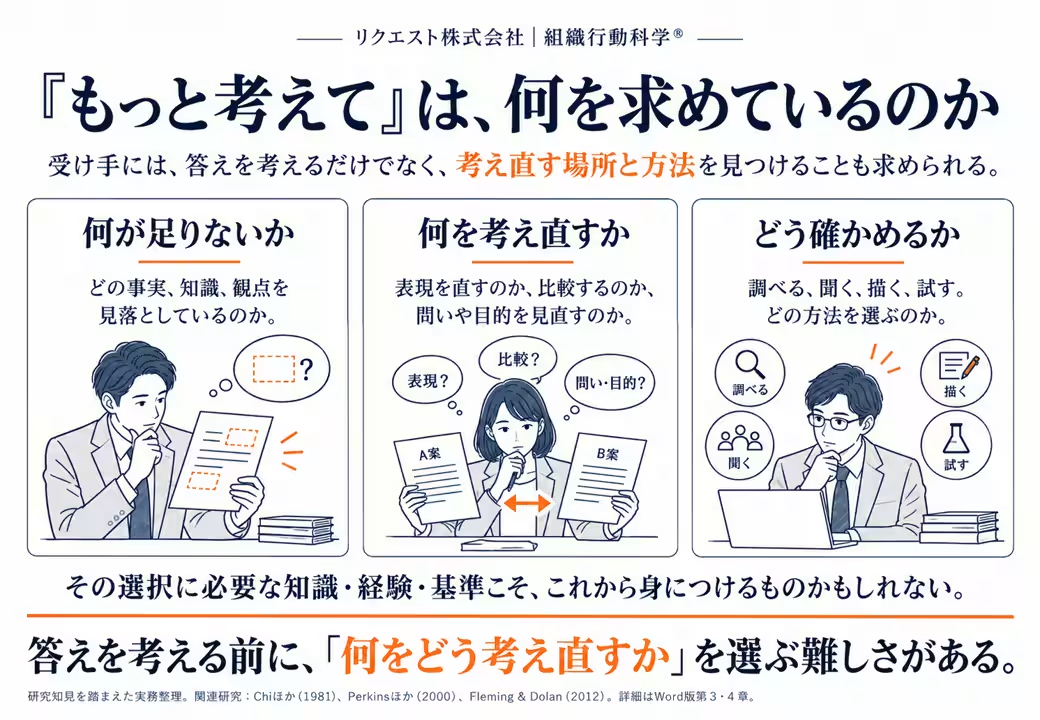
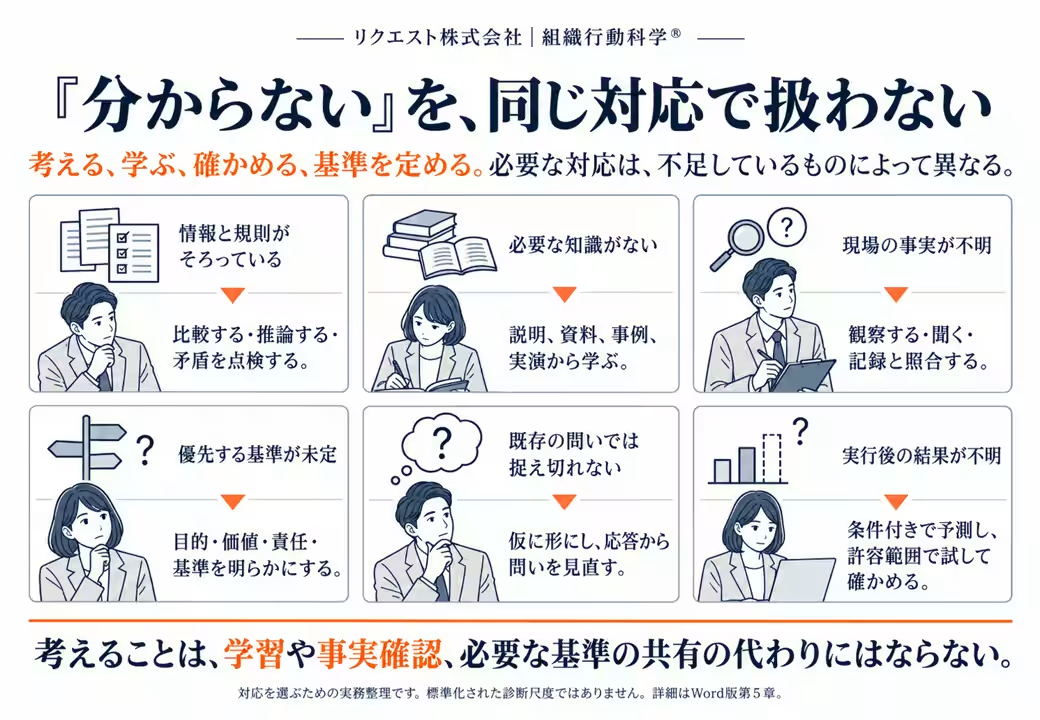
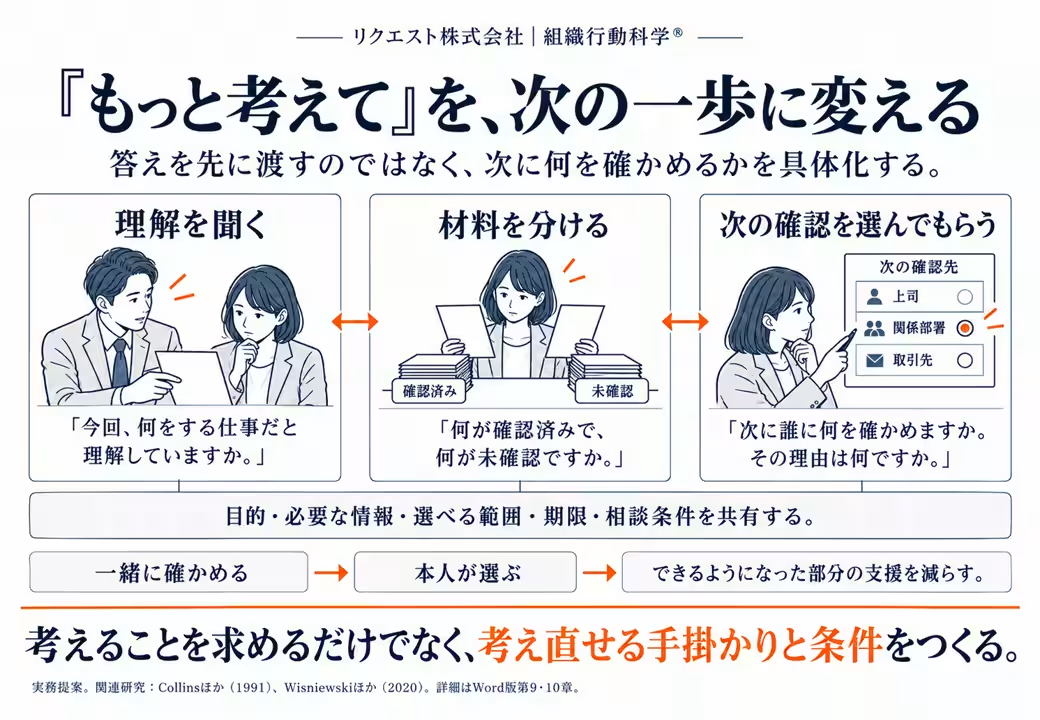
One significant takeaway from Request Inc.'s findings is the distinction between "what is being thought" and "what is thought appropriately given the work conditions." This differentiation aids in addressing everyday directives effectively. For instance, when providing instructions or engaging in dialogue, it’s crucial to clarify expectations and ensure mutual understanding among team members.
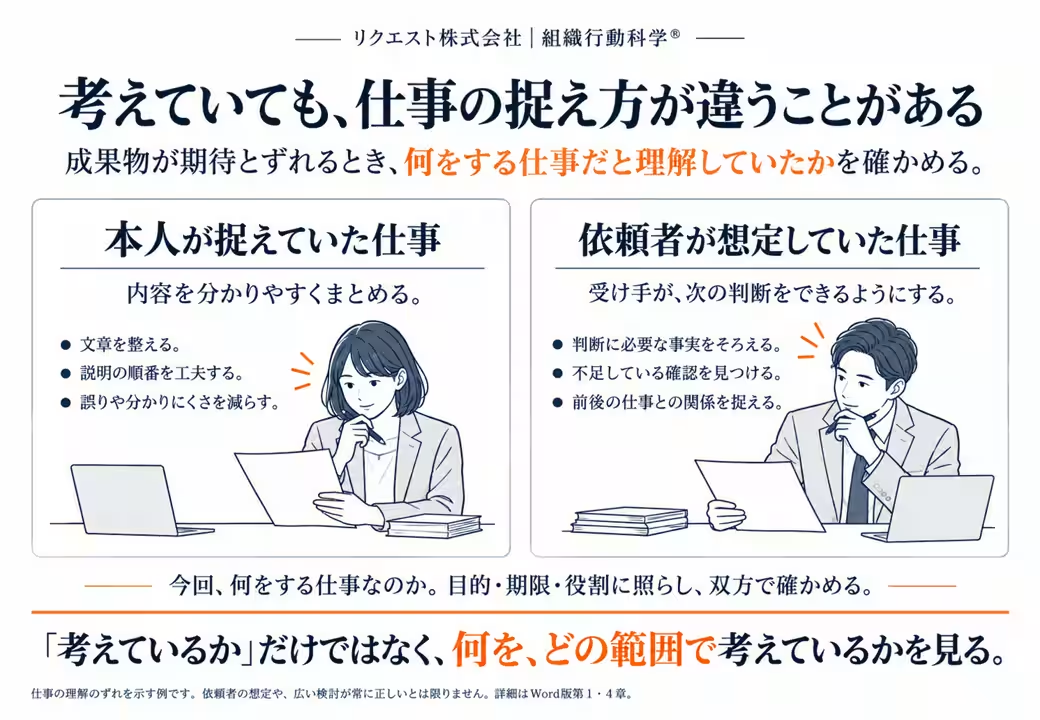
The organization emphasizes that misunderstandings can often stem from differing perceptions of what the task entails. For instance, while one person may view their role as summarizing complex information simply for comprehension, a stakeholder might expect the clarity to enable subsequent decision-making.
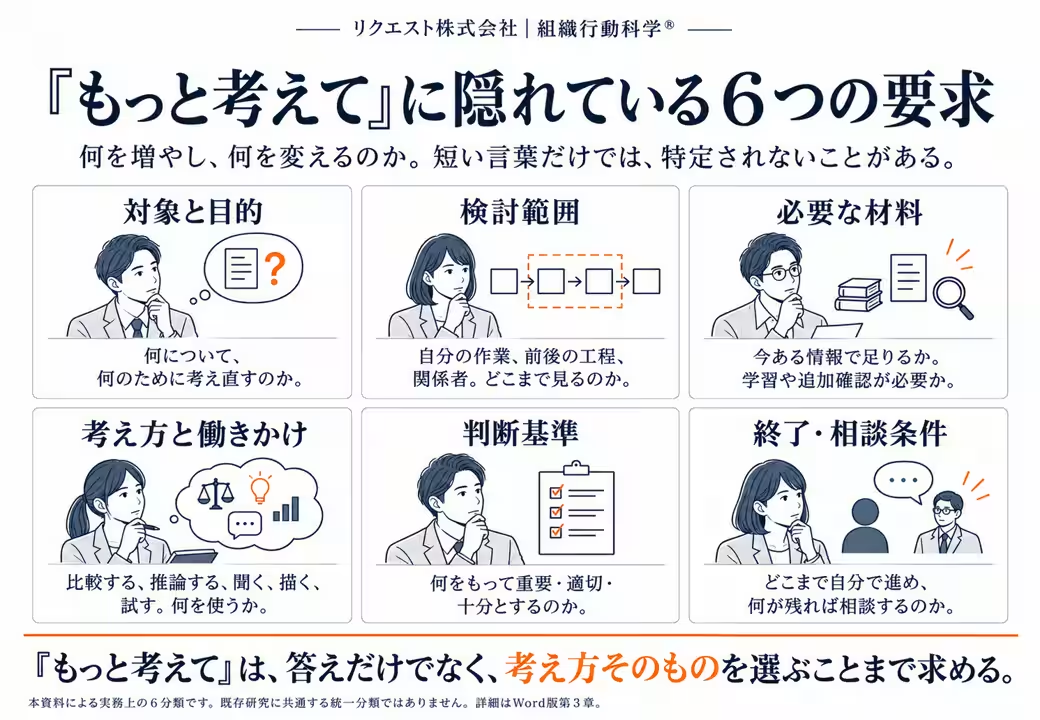
The Six Requirements Behind the Phrase "Think More"
Request Inc. has identified a framework to classify the hidden demands behind the common directive to "think more." These six requirements can help teams comprehend the necessary actions and encourage impactful dialogue:
1. The objective of thinking.
2. The scope and range of thoughts.
3. The required materials for thinking.
4. The underlying thought processes.
5. Criteria for judgments.
6. Conditions for concluding or consulting.
By structuring thoughts into these categories, individuals can better pinpoint what steps they need to take, fostering more efficient discussions and decision-making processes.
The Practical Application of Research Findings
The illustrations are intended to facilitate dialogues around workplace topics and drive rigorous discussion. By connecting research findings to real workplace scenarios, individuals can critically assess their work environments and realize how various elements influence their thinking patterns.
From novice to expert, understanding how to leverage one’s thinking capacity is essential for effective collaboration and innovation. This outcome of the research underlines a pivotal reality: solving problems requires more than just time and effort. It calls for a strategic approach to questioning and understanding the work's context.
Leveraging AI for Enhanced Learning and Experience Transfer
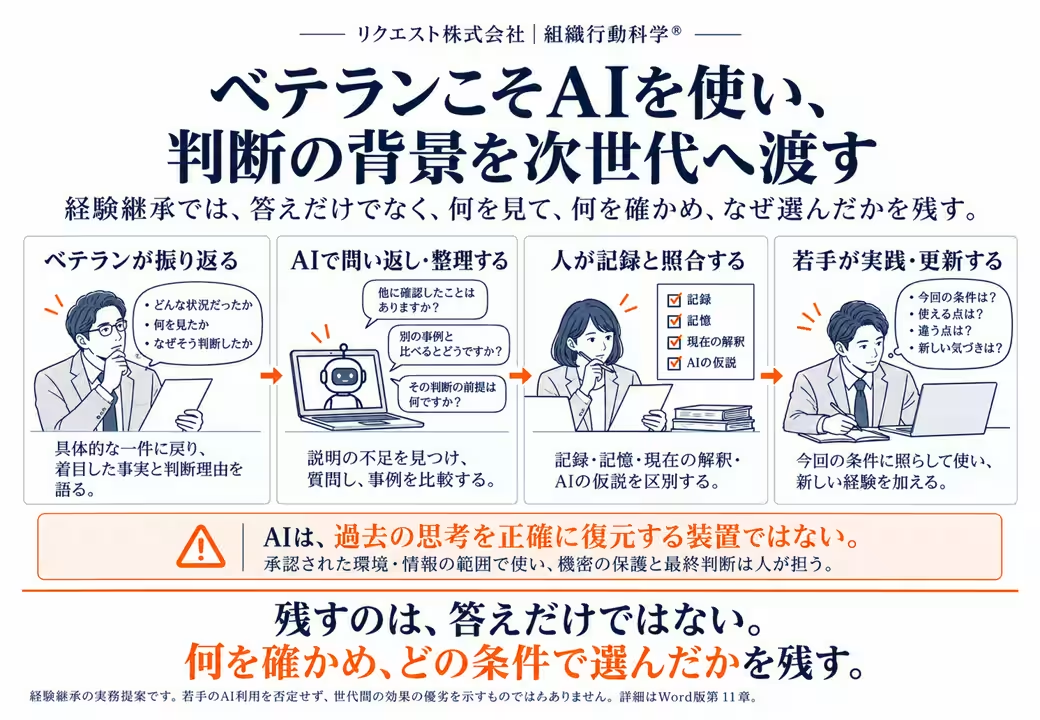
One of the innovative proposals from Request Inc. involves the utilization of AI to help seasoned professionals pass on their judgment skills and decision-making processes to newer generations. The research emphasizes the importance of documenting not only the decisions made but also the rationales behind them. Such transparency not only enriches organizational learning but also fosters a culture of mutual sharing and growth.
AI is positioned as a helpful tool rather than a replacement for human judgment. It can assist in clarifying uncertainties by prompting questions and consolidating records but still relies on human oversight to ensure its accuracy and relevance.
Aiming for More Than Just Correct Answers
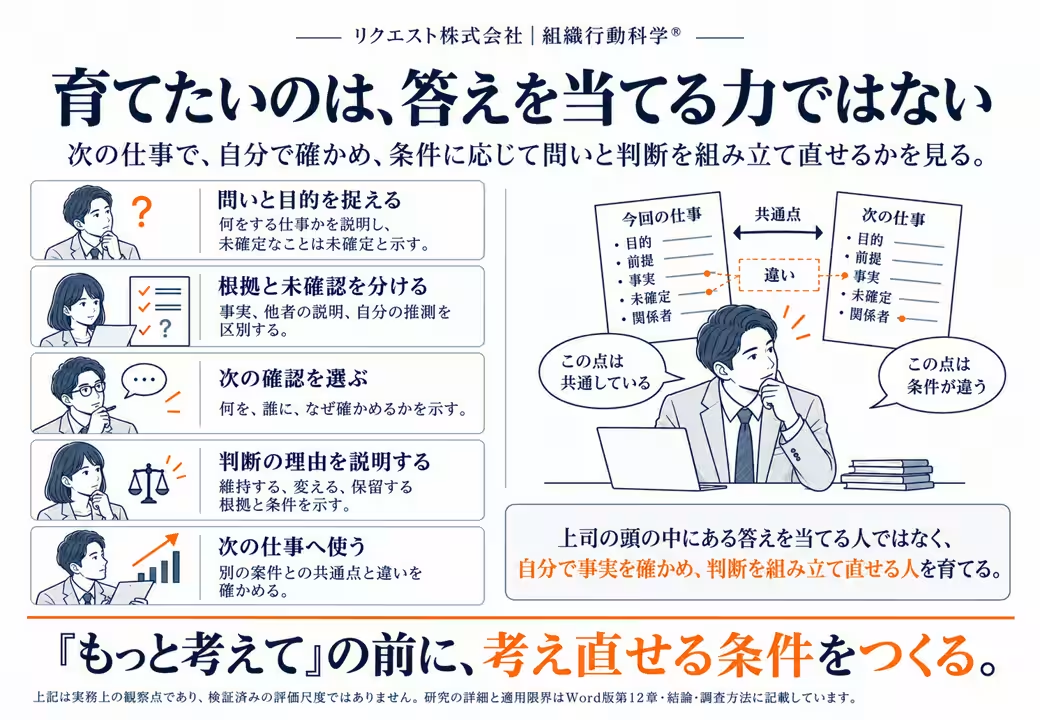
Ultimately, Request Inc. aims to cultivate a workforce not just filled with individuals who can find the right answers but those who can engage critically with the information they encounter. As this initiative unfolds, it encourages leaders and employees alike to create environments that nurture thoughtful questioning and shared learning mechanisms.
This new approach, synthesized from organizational behavior science principles, encourages a shift in how thinking capabilities are valued and developed in the workplace.
For further insights and the downloadable illustrations, visit Request Group's official page.

Topics People & Culture)
【About Using Articles】
You can freely use the title and article content by linking to the page where the article is posted.
※ Images cannot be used.
【About Links】
Links are free to use.