


Analysis of Parenting and Education Costs in Japan's 2026 Survey Reveals Parental Concerns
In a thorough examination conducted by MetLife Insurance Co., titled 'The Nationwide Survey of 47 Prefectures 2026,' data reveals significant anxiety among Japanese parents regarding education costs. The survey, which collected responses from over 1,600 households with children under university age, highlights pressing concerns about financial preparation and government support for child-rearing.
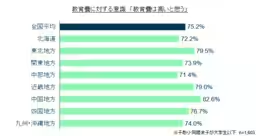
The survey indicates that a whopping 75.2% of parents feel that education expenses are high, a sentiment shared across various regions, with some reporting even higher perceptions in specific areas like the Chugoku region, where the sentiment soared to 82.6%. This widespread concern underscores the challenge for families as they navigate the financial landscape of raising children.
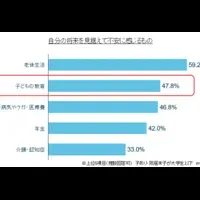
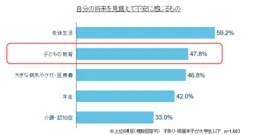
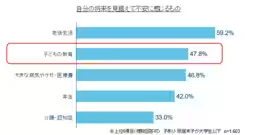
When asked about primary sources of anxiety related to their children’s future, 47.8% of participants identified education as their main concern. This concern is closely followed by worries over retirement living (59.2%) and healthcare costs (46.8%), suggesting that education funding is now seen as paramount in family financial planning.
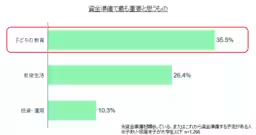
Additionally, the survey discovered that 35.5% of those preparing for future expenses prioritized education funding above all else, indicating a clear trend where parents are placing education at the forefront of their concerns. This prioritization is critical as it highlights a collective desire among parents to ensure their children have the best educational opportunities, regardless of the financial strain it may impose.
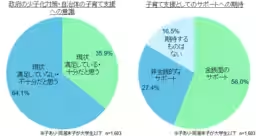
Moreover, an alarming 64.1% of participants expressed dissatisfaction with current government initiatives aimed at supporting child-rearing, stating these programs were insufficient. Parents overwhelmingly expect more support, particularly financial assistance for education and healthcare, which they believe could alleviate some of the pressures they face.
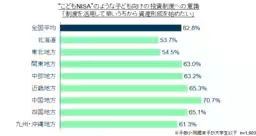
To mitigate future financial stress, 62.8% of parents are interested in investment schemes like 'Kodomo NISA,' a child-focused investment program, indicating a proactive approach to early wealth formation for their children. This points to a recognition that early financial planning can significantly benefit their children's futures.
The findings from this survey not only shed light on the financial burdens associated with child-rearing in Japan but also reflect a broader societal concern regarding the future of education funding. Parents are increasingly eager to create robust financial plans, possibly out of a necessity driven by the rising costs of education. The results offer insight into the critical areas that require attention, both from financial institutions and policymakers, to support families in securing a brighter future for their children.
As MetLife continues to align its services with the needs of families, it aims to bolster confidence among parents facing these daunting challenges. This includes providing clear information and advisory services that resonate with the diverse needs of families today, ensuring that they are equipped to tackle their concerns about future expenses confidently. For more details on the survey and its findings, please visit the MetLife website.
Key Findings
The survey indicates that a whopping 75.2% of parents feel that education expenses are high, a sentiment shared across various regions, with some reporting even higher perceptions in specific areas like the Chugoku region, where the sentiment soared to 82.6%. This widespread concern underscores the challenge for families as they navigate the financial landscape of raising children.
When asked about primary sources of anxiety related to their children’s future, 47.8% of participants identified education as their main concern. This concern is closely followed by worries over retirement living (59.2%) and healthcare costs (46.8%), suggesting that education funding is now seen as paramount in family financial planning.
Additionally, the survey discovered that 35.5% of those preparing for future expenses prioritized education funding above all else, indicating a clear trend where parents are placing education at the forefront of their concerns. This prioritization is critical as it highlights a collective desire among parents to ensure their children have the best educational opportunities, regardless of the financial strain it may impose.
Moreover, an alarming 64.1% of participants expressed dissatisfaction with current government initiatives aimed at supporting child-rearing, stating these programs were insufficient. Parents overwhelmingly expect more support, particularly financial assistance for education and healthcare, which they believe could alleviate some of the pressures they face.
To mitigate future financial stress, 62.8% of parents are interested in investment schemes like 'Kodomo NISA,' a child-focused investment program, indicating a proactive approach to early wealth formation for their children. This points to a recognition that early financial planning can significantly benefit their children's futures.
Conclusion
The findings from this survey not only shed light on the financial burdens associated with child-rearing in Japan but also reflect a broader societal concern regarding the future of education funding. Parents are increasingly eager to create robust financial plans, possibly out of a necessity driven by the rising costs of education. The results offer insight into the critical areas that require attention, both from financial institutions and policymakers, to support families in securing a brighter future for their children.
As MetLife continues to align its services with the needs of families, it aims to bolster confidence among parents facing these daunting challenges. This includes providing clear information and advisory services that resonate with the diverse needs of families today, ensuring that they are equipped to tackle their concerns about future expenses confidently. For more details on the survey and its findings, please visit the MetLife website.
Topics Consumer Products & Retail)


【About Using Articles】
You can freely use the title and article content by linking to the page where the article is posted.
※ Images cannot be used.
【About Links】
Links are free to use.