



Unlocking Employee Sentiments: A Fundamental Shift in EX Improvement Practices
Unlocking Employee Sentiments: A Fundamental Shift in EX Improvement Practices
In the evolving landscape of employee engagement and satisfaction, organizations are increasingly recognizing the limitations of traditional satisfaction surveys. While these surveys have been instrumental in collecting valuable data, they often fall short in providing meaningful insights into the underlying sentiments and experiences of employees. To address this gap, mct, a design firm from Japan, has introduced a comprehensive approach that integrates customer experience (CX) with employee experience (EX).
The Limitations of Satisfaction Surveys
Many businesses conduct employee engagement surveys with the intention of enhancing their workplace. However, they often find themselves limited to mere scores that reveal how employees feel about their jobs. These scores do not necessarily elucidate the reasons behind these feelings or the factors influencing their experiences. To tap into the genuine thoughts of employees, mct initiated a project to redefine what an ideal EX looks like within their organization, which operates on a full remote model.
The Employee Journey Map
As part of their endeavor, mct has recently launched a free white paper that explores the effective utilization of the 'Employee Journey Map.' This tool is specifically designed to visualize the intangible sentiments that traditional surveys can miss, providing insights that lead to tangible changes. The white paper is the culmination of a six-month EX improvement project that mct undertook, offering invaluable knowledge based on their experiences.
The Six-Month EX Improvement Project
In the six-month project, mct's approach was threefold:
1. Designing Discussion Sessions to Uncover Authentic Insights
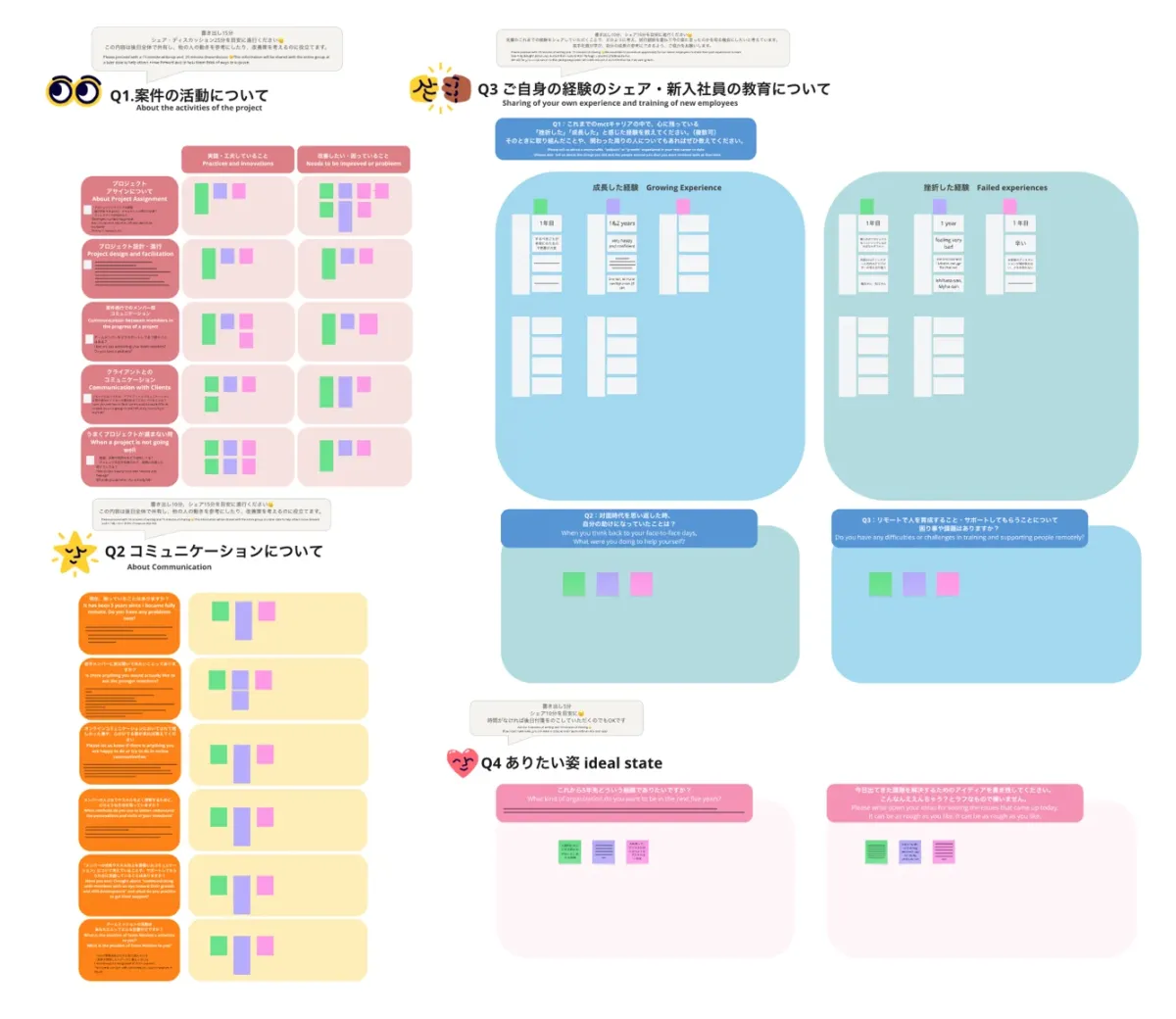
To elicit authentic feedback from employees, mct formulated small group discussions with around five participants each, ensuring a face-to-face format to foster psychological safety. The groups were carefully composed considering the participants' experience and job titles. Miro, a collaborative online whiteboard tool, was used to visualize and structure discussions centered around four themes: project activities, communication, experience sharing, and desired states.
2. Structuring Challenges Through Employee Insight Analysis
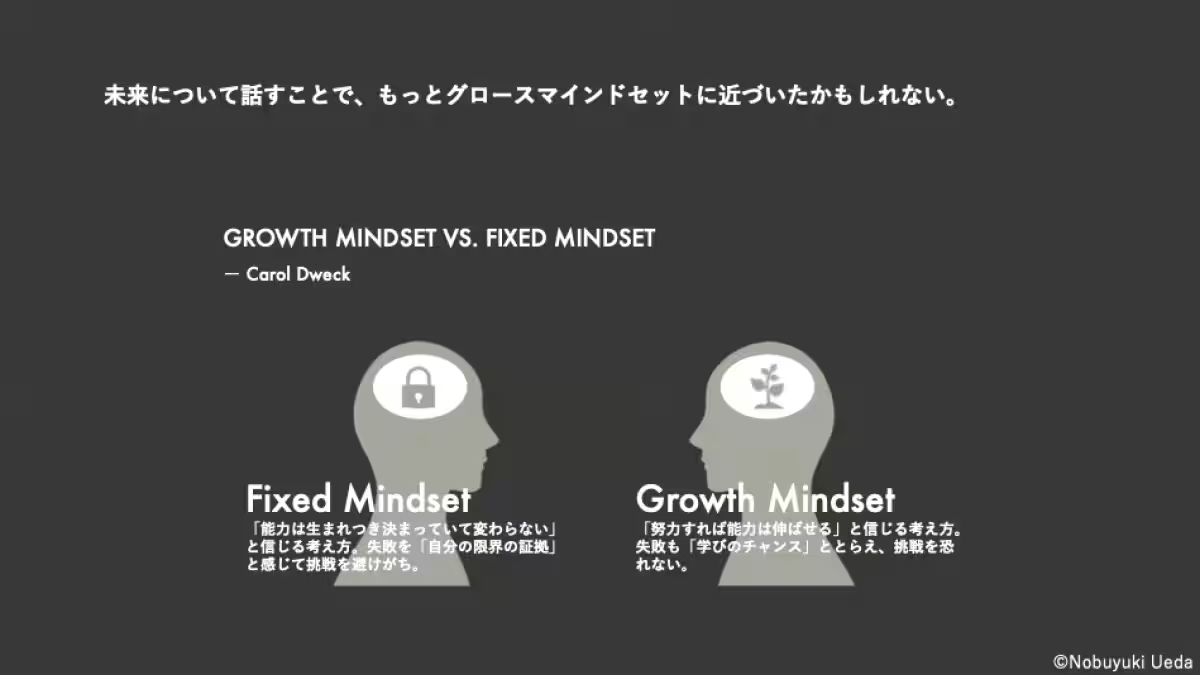
Through the analysis of the insights gathered, mct was able to identify common threads among what initially seemed like disparate concerns. It became apparent that a 'Fixed Mindset' was at the core of the identified challenges, which illuminated a deeper understanding of employees' experiences.
3. Connecting Challenges to Strategic Initiatives
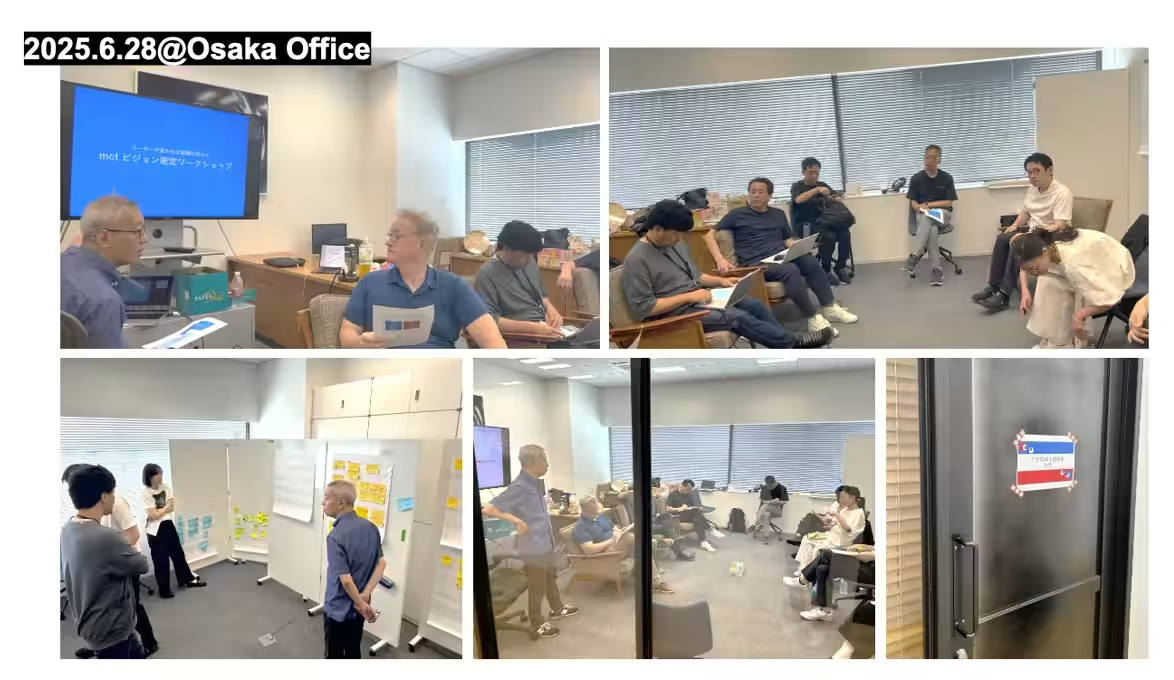
Adapting the 'How Might We?' framework, mct transformed the identified challenges into positive inquiries that prompted constructive dialogue. A retreat for the leadership team culminated in the formulation of a shared vision. To ensure that every employee resonated with this vision, workshops were conducted during company-wide meetings. One tangible output of the project was the initiation of a 'Young Director Development Project' aimed at nurturing future leadership.
Three Key Lessons Learned
From this project, mct unearthed three crucial insights:
1. Visualizing Differences in Perspectives: Creating opportunities for employees to discuss results in a group setting helped illuminate diverse viewpoints and experiences.
2. Importance of Facilitated Discussions: In a fully remote environment, intentionally designing dialogue opportunities is essential for drawing out genuine employee sentiments.
3. Value of External Perspectives: mct recognized the limitations of addressing challenges solely within the company, advocating for the inclusion of external facilitators to gain broader insights.
Future Directions
Armed with insights gained from this initiative, mct aims to enhance its employee experience improvement support services offered to clients. They also plan to continue implementing these practices internally, sharing outcomes and learnings regularly.
For detailed insights, mct invites individuals to download the white paper titled ‘How to Enhance Employee Engagement with the Employee Journey Map’ from their website at mctinc.jp.
About mct
mct is a pioneering design firm based in Japan that integrates customer experience and employee experience design. The firm focuses on creating frameworks that foster collaboration, team building, leadership development, and evolving work styles.
Company Information:
- - Name: mct Inc.
- - Tokyo Headquarters: 2-4-11 Jinguumae, Shibuya-ku, Tokyo 150-0001, Japan
- - Osaka Office: 5-1-60 Namba 5-chome, Chuo-ku, Osaka 542-0076, Japan
- - CEO: Hideaki Shirane
- - Website: mctinc.jp
- - Services: CX Consulting, Human-Centered Design Support, Organizational Change Support
Topics Other)
【About Using Articles】
You can freely use the title and article content by linking to the page where the article is posted.
※ Images cannot be used.
【About Links】
Links are free to use.