



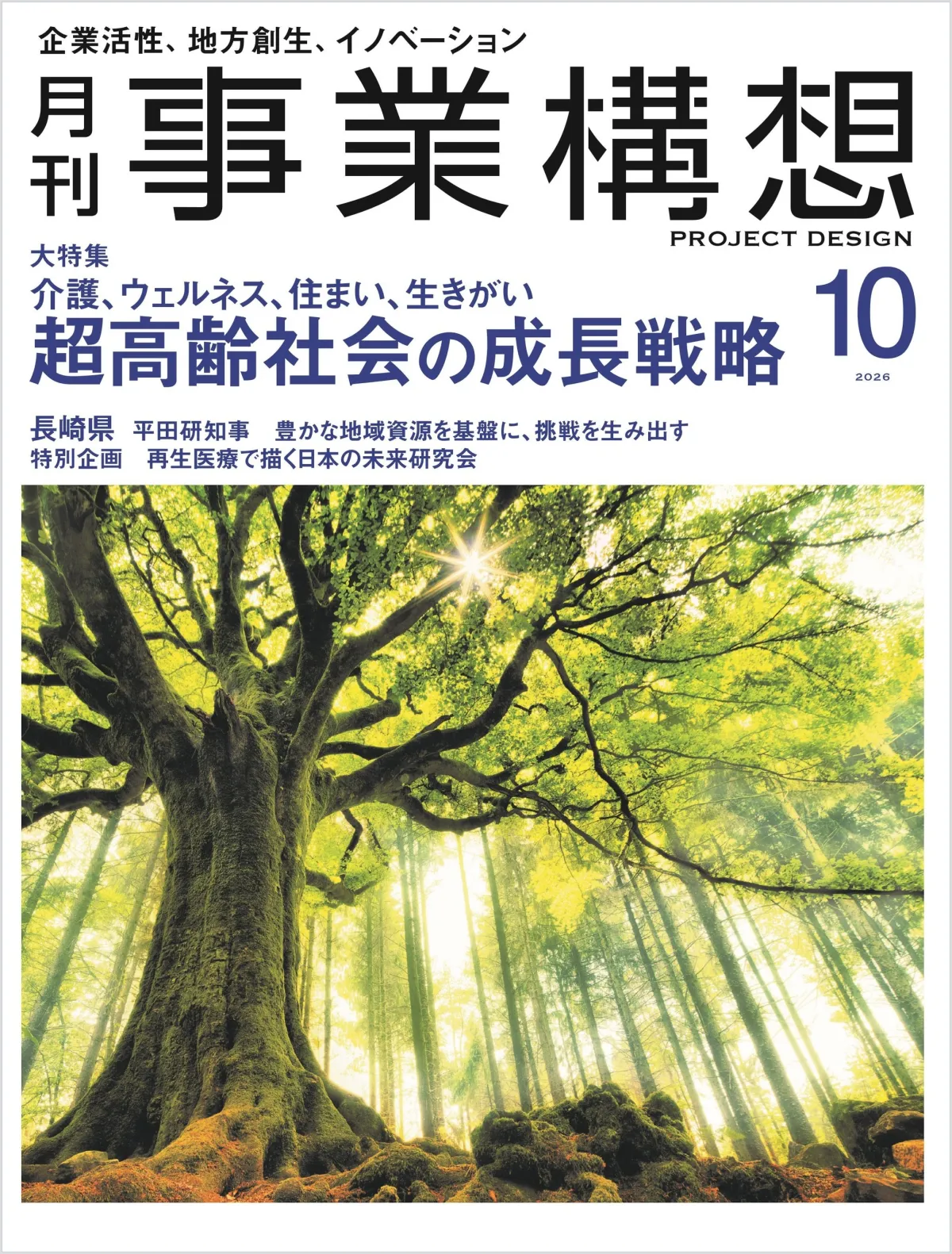
Strategic Responses to Japan's Super-Aging Society: Care, Wellness, and Sustaining Life Quality
Strategies for Japan's Super-Aging Society
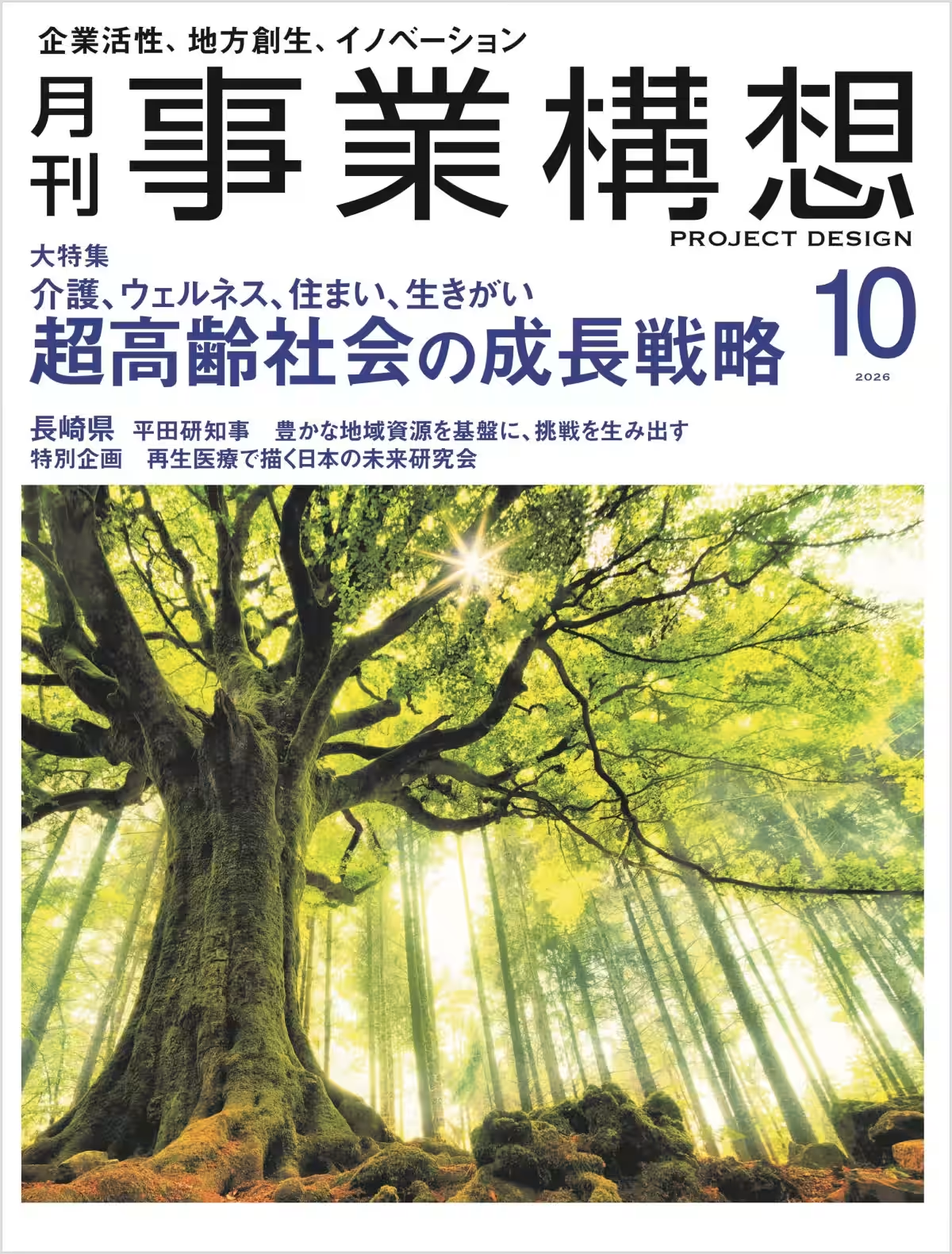
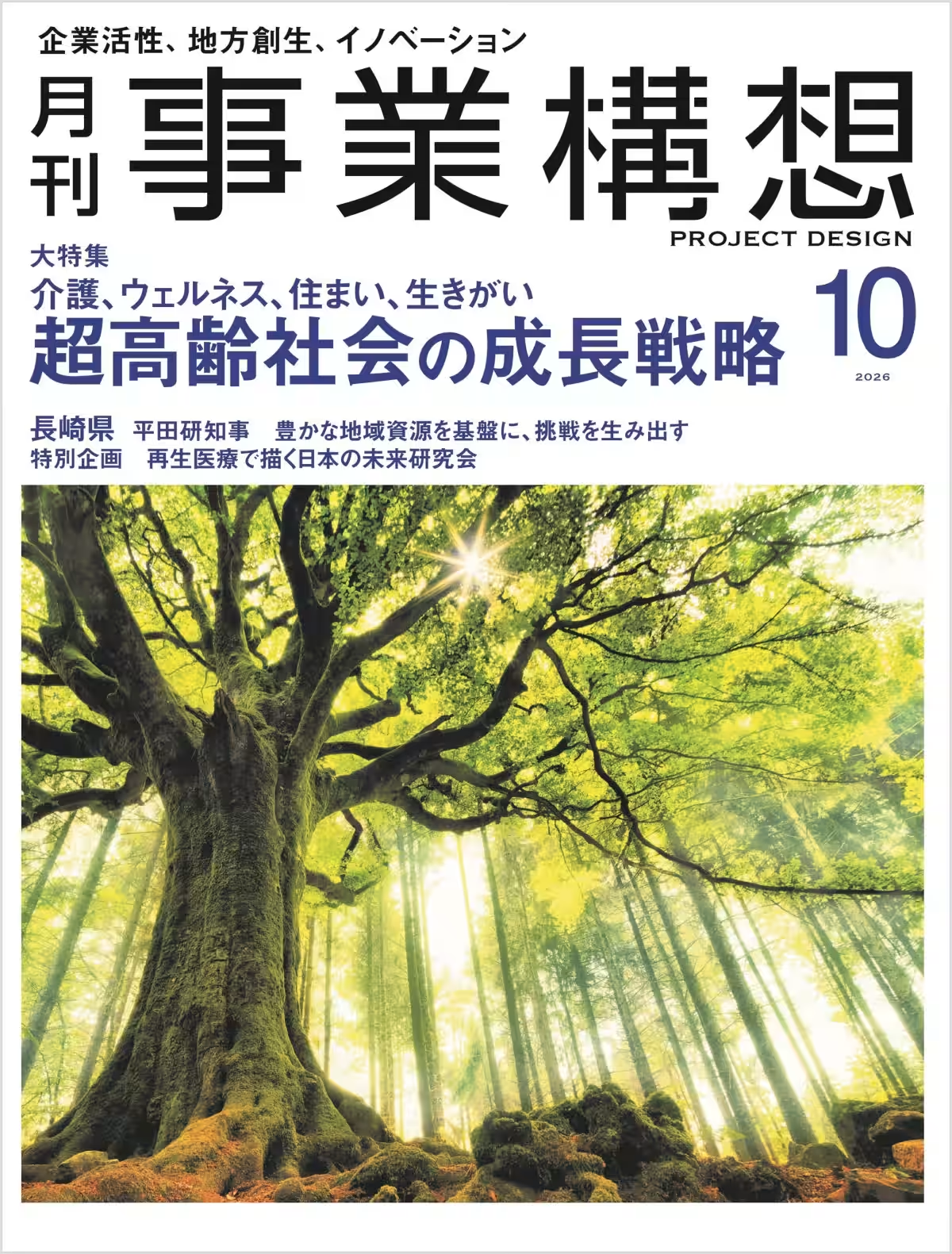
The recently released October 2026 issue of Project Design magazine tackles the critical topic of Japan's super-aging society, where around 36.22 million citizens aged 65 and above now account for nearly 30% of the population. Recognizing the aging trend, especially as the baby boomer generation approaches the age of 80 by 2040, this issue explores necessary adaptations within local communities and the healthcare infrastructure.
Key Themes
Sustainable Care Services
The issue emphasizes the importance of making care services sustainable and innovative.
- - Kazutoshi Fujima, President and CEO of Sent Care Holdings, shares insights from their home care model that closely aligns with community living needs.
- - The focus is on ensuring that older adults receive support in environments familiar and comfortable to them, helping decrease isolation and improve quality of life.
Dementia Ecosystem Collaboration
Kohei Sakata, CEO of Theoria Technologies, elaborates on the establishment of a cross-industry platform designed specifically for dementia care. This initiative blends knowledge from diverse sectors to offer long-term support, effectively creating a robust ecosystem for dementia patients and their families.
Promoting Healthy Aging
Highlighting efforts from various sectors, Yuichi Nanbu, Secretary-General of the Japan Frailty Prevention Service Promotion Association, discusses strategies for enhancing longevity and overall health through improved nutrition-focused retail initiatives.
Housing Innovations
As new housing solutions gain traction, Tetsuo Kondo from Mitsui Fudosan Residential reveals strategies related to high-value housing that supports older adults throughout their lifetime. Emphasizing a philosophy of lifelong companionship in living spaces, these innovations strive to promote not just physical well-being but also emotional stability by nurturing communal bonds.
Comprehensive Asset Management for the Elderly
Hiroshi Kawai, CEO of Cocoro N Company, describes how leveraging legal expertise ensures responsible asset management for older adults. Their approach provides various services aimed at enhancing financial literacy and security for this vulnerable demographic.
User-Centric Welfare
Lead by Noriaki Moriyama, President of Earth Support, the article looks into the next-generation care systems, emphasizing a “user-first” perspective. The focus is on transitioning care systems that better align with the evolving needs of older adults, ensuring that services are responsive and effective.
Regional Focus: Nagasaki
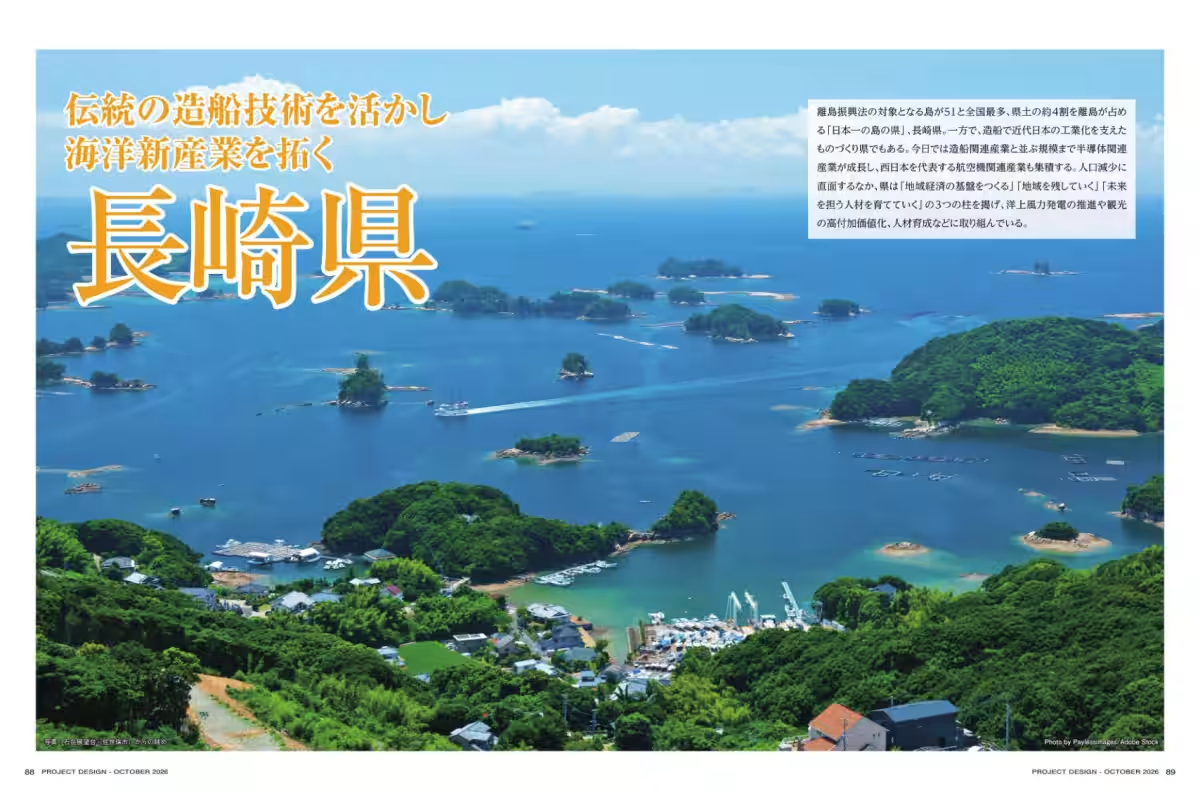
The region of Nagasaki, known for its unique blend of architectural heritage and a robust shipbuilding industry, is showcased for its sustainable economic initiatives, particularly in fostering new maritime industries and wind energy projects. Governor Ken Hirata shares exclusive insights on advocating three core pillars: economic foundation, preservation of communities, and nurturing future talent.
Interviews with Key Stakeholders
Nagasaki's stories continue through interviews with dynamic local figures like Ringer Hut and their initiative to spread local food culture internationally while supporting local youth education on nutrition. Other notable organizations featured include Shinnwa Bank and Nobutake Giken, each contributing to local revitalization through innovative business models.
Contributions from Major Corporations
Contributions from major stakeholders reiterate the journal's commitment to exploring various facets of industry and society. From Seiko Group aiming to expand solutions across sectors to TEI S Tech, focusing on the future of the automotive industry, these narratives stimulate discourses around innovation and community-driven economic growth.
The issue culminates with compelling articles addressing next-generation security frameworks, the vision for market expansions in hardware, and promising advancements in regenerative medical research. Collectively, these contributions from across Japan illustrate a forward-thinking approach crucial for adapting to the unique challenges of a super-aging society.
Conclusion
In essence, the October 2026 issue of Project Design not only serves as an informative piece but also as a call to action for stakeholders to engage with these multifaceted challenges and opportunities for growth within their communities. With its blend of expert insights and real-world applications, the magazine is essential reading for educators, professionals, policymakers, and anyone eager to navigate the future landscape of Japan’s aging demographic.


Topics People & Culture)
【About Using Articles】
You can freely use the title and article content by linking to the page where the article is posted.
※ Images cannot be used.
【About Links】
Links are free to use.