



Tanita's Survey Highlights Love for Fish Amid Cooking Challenges
Tanita's Fish and Cooking Survey 2026
In a recent study led by Tanita Corporation, a health-focused company based in Itabashi, Tokyo, a comprehensive survey titled "Fish and Fish Dish Awareness and Reality Survey 2026" was conducted among 4,700 individuals aged between 20 and 69 across Japan. The insights from this survey unveil an interesting dynamic: while a vast majority express a preference for fish, the reality in their kitchens leans heavily towards meat.
Survey Insights
Approximately 85.3% of respondents confirmed their liking for fish dishes. Particularly, salmon emerged as the most favored choice, followed closely by tuna and shrimp. This demonstrates a strong affinity for seafood, especially during the autumn season when fish like Pacific saury are in abundance. However, despite this enthusiasm for eating fish, more than two-thirds of participants reported feeling that they don't consume enough fish in their diets.
Cooking Frequency: Fish vs. Meat
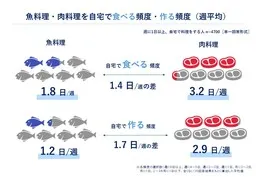
When asked about the frequency of preparing fish at home, the survey revealed some stark contrasts. Only 49.9% of respondents reported cooking fish dishes at least once a week, as opposed to a significant 87.2% who prepare meat dishes on the same schedule. On average, people only enjoyed home-cooked fish meals about 1.2 times a week, compared to 2.9 times for meat. This indicates a notable preference for easier-to-prepare options, such as ready-to-eat side dishes over more complex fish recipes.
Barriers to Increased Fish Consumption
Despite the desire to incorporate more fish into their diets—with 62.6% wanting to eat more fish dishes and 49.4% interested in cooking more—the primary barriers identified were high costs and the perceived difficulty of preparation. Interestingly, 69.8% of respondents acknowledged that they sometimes choose fish dishes for health reasons, especially among parents, where this figure rose to 74.9%.
Preferences in Fish Dishes
In terms of preferred cooking styles, grilled fish ranked highest, with 52.9% expressing a desire to prepare it. Dishes like simmered fish and teriyaki also made the list, underscoring a blend of traditional Japanese culinary methods that people wish to try. Yet, many reported struggling with dishes like tempura or simmered fish, revealing a gap between interest and confidence in cooking fish.
Regional Variations in Fish Preferences
Geographic and demographic factors also play a role in fish preferences, with varying rankings across different regions of Japan. The data suggested that while salmon was consistently the favorite, regions exhibited preferences based on local specialties, showcasing how culture influences dietary habits. For example, in Hokkaido, saury shared the top spot among favorite fish alongside salmon.
The Challenge of Balancing Health and Convenience
The survey further emphasized that while fish is recognized for its health benefits, including essential fatty acids like DHA and EPA, the obstacles of cost and complexity are deterring consumers from making fish a staple in their diets. The insights highlight an opportunity for the food industry to innovate easier, more affordable fish products to cater to the increasing health-conscious population.
Tanita continues to advocate for nutritional education and aims to promote fish's significance through initiatives like Tanita Cafés and healthy menu options, bridging the gap between health awareness and practical eating habits.
Conclusion
As we look to the future, Tanita's findings shed light on the undeniable love for fish in Japanese cuisine, coupled with the realization that more could be done to encourage its incorporation in daily meals. With the right support and accessible solutions, fish can reclaim its prominent place on dining tables across the country.
Topics Consumer Products & Retail)






【About Using Articles】
You can freely use the title and article content by linking to the page where the article is posted.
※ Images cannot be used.
【About Links】
Links are free to use.