



Fun Debating Activity for Kids Promotes Sustainability with Meiji's Educational Material
Fun Debating Activity for Kids Promotes Sustainability
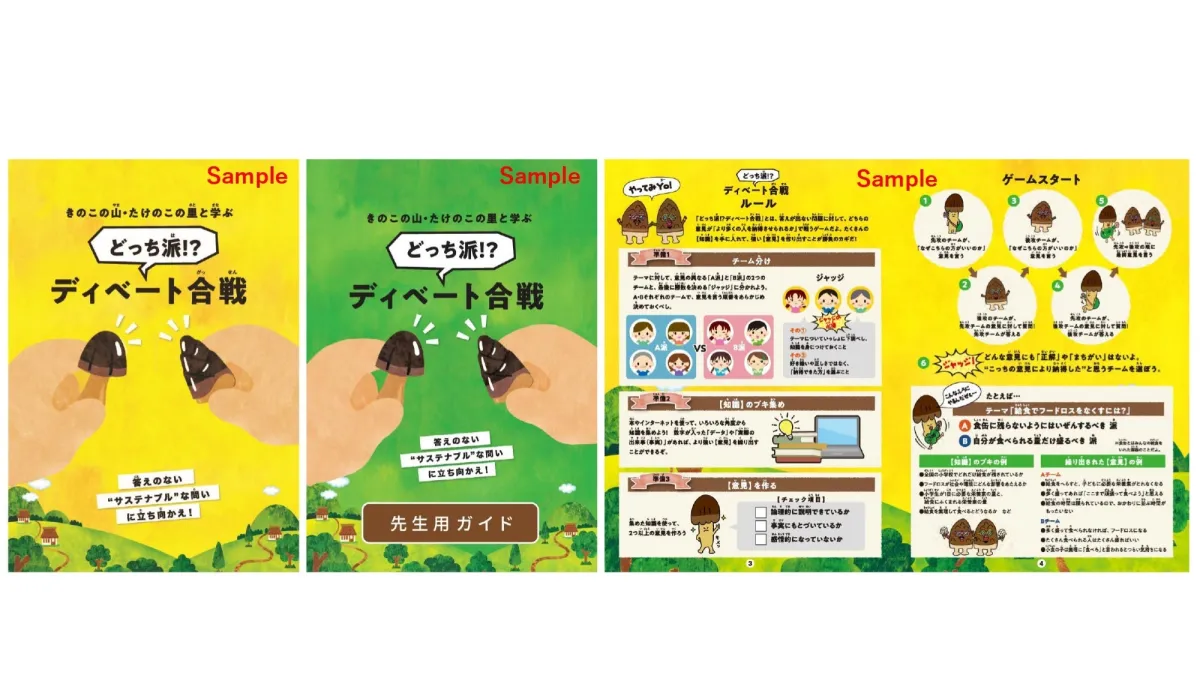
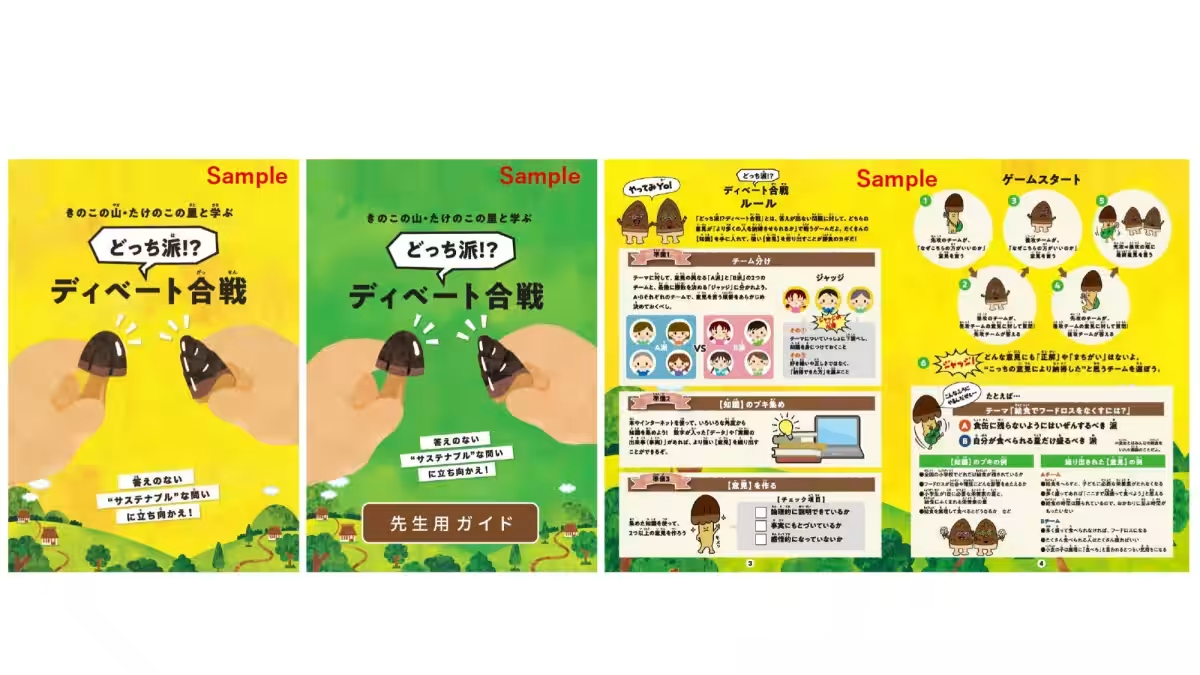
In a remarkable collaboration, Meiji Co., Ltd. has joined forces with Asahi Shimbun and Asahi Gakusei Shimbun to create an innovative educational material tailored for elementary school students. Titled "Kinoko no Yama and Takenoko no Sato to Manabu: Docchi Ha!? Debate Battle", this teaching resource aims to address pressing sustainability issues in a fun and engaging way by using familiar themes from Japanese popular culture. Scheduled for distribution across elementary schools nationwide starting at the end of January 2026, this initiative is set to revolutionize how students perceive environmental challenges.
For years, the Meiji Group has been committed to promoting coexistence with nature, implementing activities that contribute to the preservation of biological diversity across its operations and corporate green spaces. Through this commitment, they have introduced educational opportunities about natural environments targeted at elementary and junior high school students. With the new material, Meiji seeks to transform sustainability topics—often deemed complex—into relatable subjects that children can engage with through a popular debate format.
The debate project spins off the beloved question, "Which do you prefer: Kinoko no Yama or Takenoko no Sato?" Utilizing this common cultural reference, educators will encourage students to deliberate fun topics while simultaneously diving into the important conversation surrounding the planet's well-being. The aim is not only to educate but also to spark a passionate dialogue among students about their role in caring for the environment.
Material Components
The educational package consists of two main components:
- - Student Booklet: This booklet contains an array of engaging features including:
2. Debate Rules: Clear, simple guidelines on how to conduct a debate.
3. Game Progression: Instructions on how to lead the debate activity effectively.
4. Debate Themes: Various examples of prompts for discussion to stimulate ideas.
5. Worksheets: Interactive sheets for students to jot down their ideas and engage further with the material.
6. Bonus Section: A fun engagement—Students will choose between Kinoko no Yama and Takenoko no Sato as their personal preference!
- - Teacher’s Guide: This guide is designed to support educators in facilitating the debate sessions efficiently. It includes:
2. Content Breakdown: Details on the topics covered in the material.
3. Teaching Progression Examples: Helpful suggestions for conducting lessons smoothly.
4. Worksheets Explanation: Clarification on the purpose of each worksheet.
5. Examples of Similar Case Studies: References for educators to build on.
The educational materials focus on enlightening students about their responsibility towards the environment while fostering critical thinking and respectful discourse. In doing so, the Meiji Group aims to nurture future generations committed to sustainable living.
How to Obtain the Material
If you are interested in acquiring this educational resource, please reach out to the Asahi Gakusei Shimbun’s "Docchi Ha!? Debate Battle" department via email at [email protected]. Alternatively, you can fill out the application form available at this link. Please note that applications will close on July 10, 2026. As this offer is limited to educators, materials will be distributed on a first-come-first-served basis starting from early February 2026. Each component includes eight pages, with the student booklet in B5 size and the teacher's guide in A4 size.
Through these educational endeavors, the Meiji Group continues to advocate for a vision centered around a healthier future for both humanity and the Earth, actively driving initiatives that inspire young people towards sustainable practices.
Topics Other)
【About Using Articles】
You can freely use the title and article content by linking to the page where the article is posted.
※ Images cannot be used.
【About Links】
Links are free to use.