



Understanding Skin Changes: Why 70% Fear Changes in Moles Yet Only 23.7% Seek Help
Recognizing the Importance of Monitoring Skin Changes
As we embrace the summer sun, concerns about skin changes become increasingly prevalent. A recent survey conducted by the ICU Clinic has revealed alarming statistics about people’s awareness and response to changes in moles during the summer months. With skin cancer rates on the rise, it’s essential to understand how to monitor mole changes effectively and when to seek professional help.
The Survey Findings
The survey, which focused on individuals between the ages of 20 to 60 engaged in outdoor activities, brought to light some startling revelations:
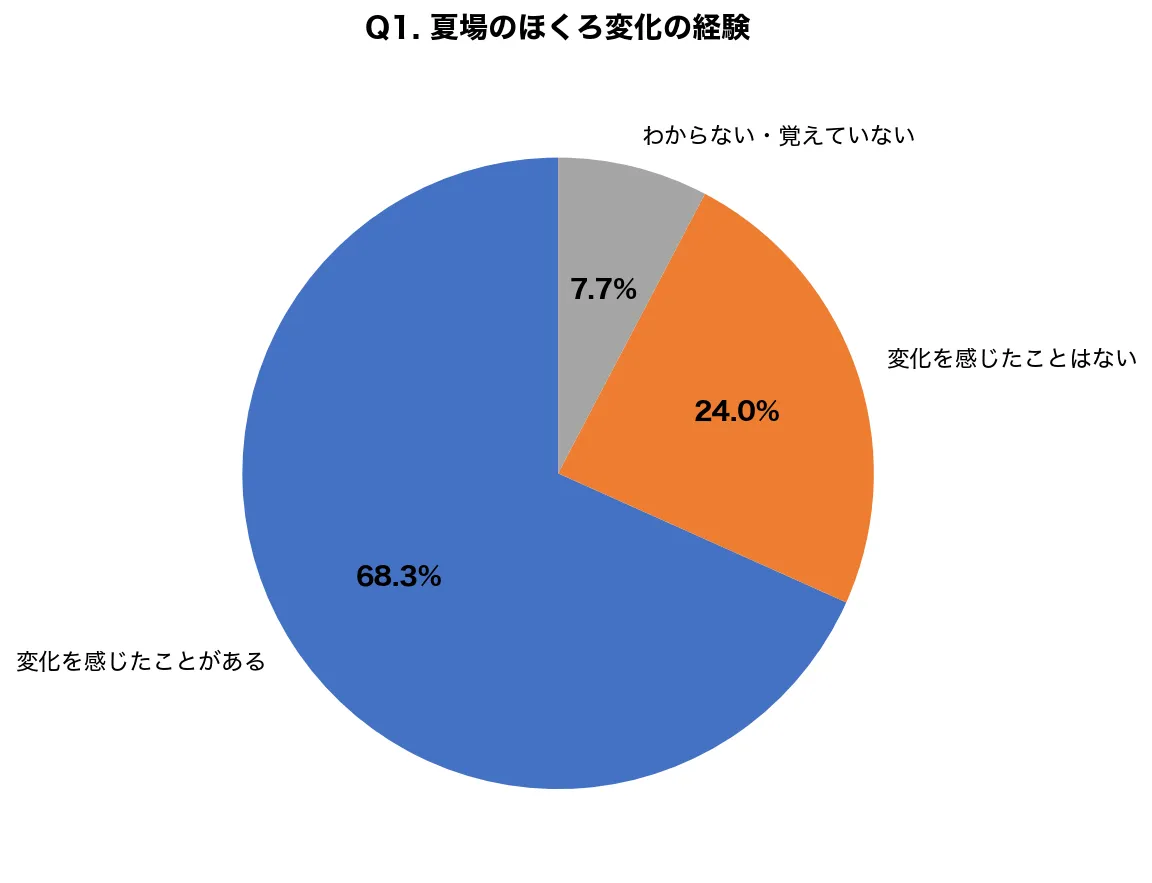
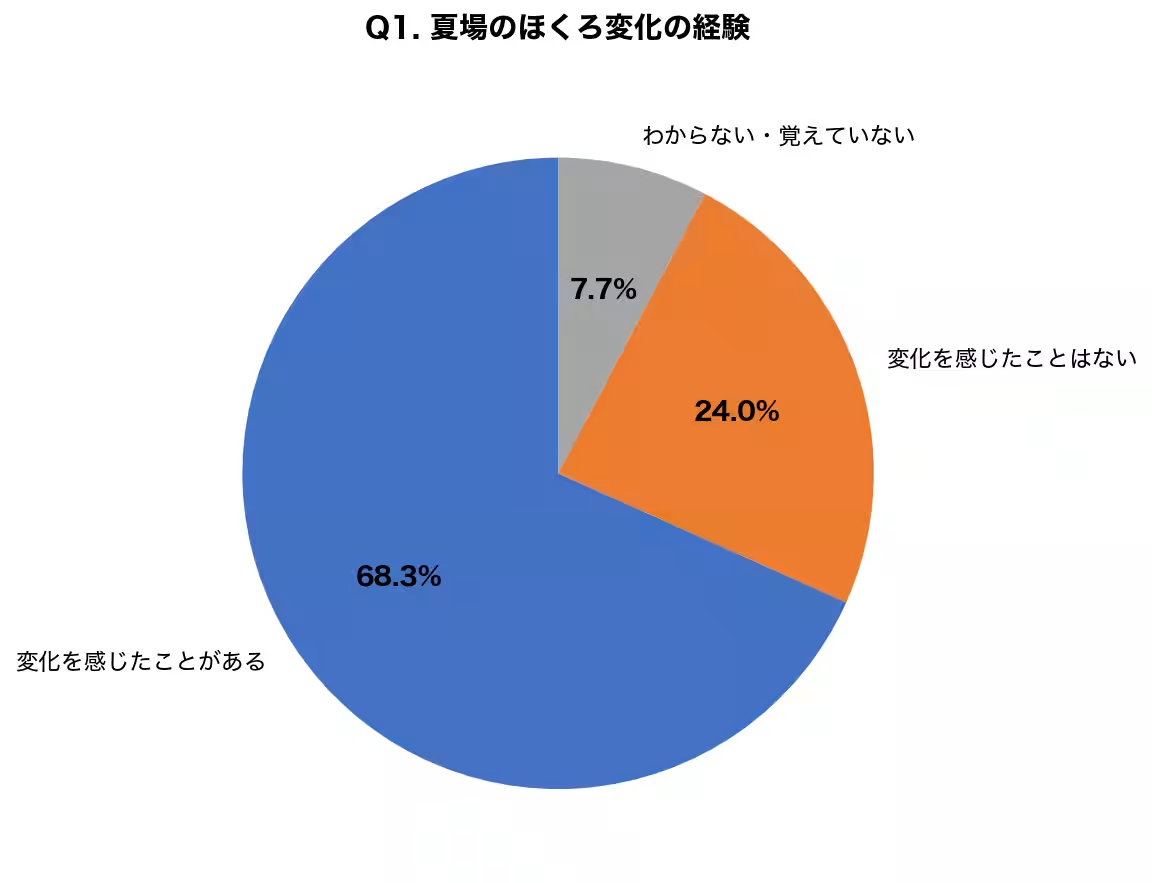
- - Approximately 68.3% of respondents reported having noticed changes in their moles during the summer.
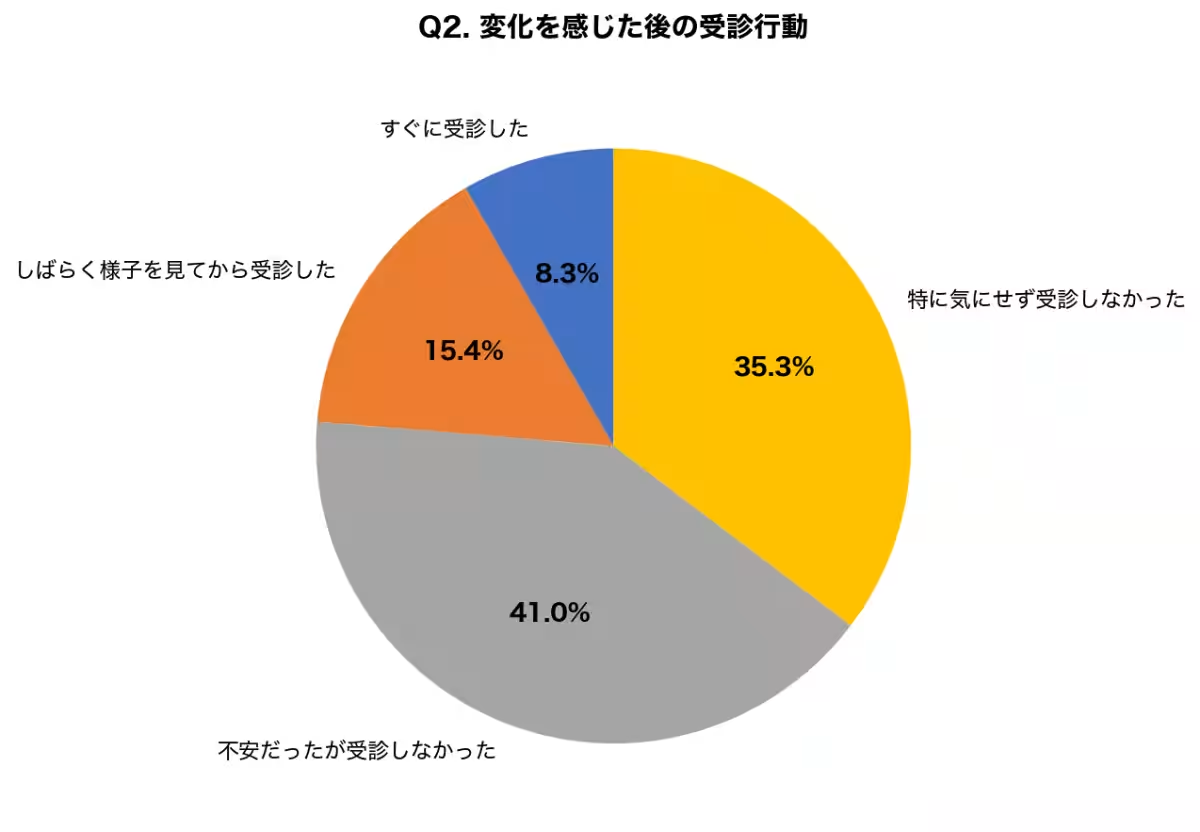
- - Despite these concerns, a staggering 76.3% of those who experienced changes did not seek any medical advice.
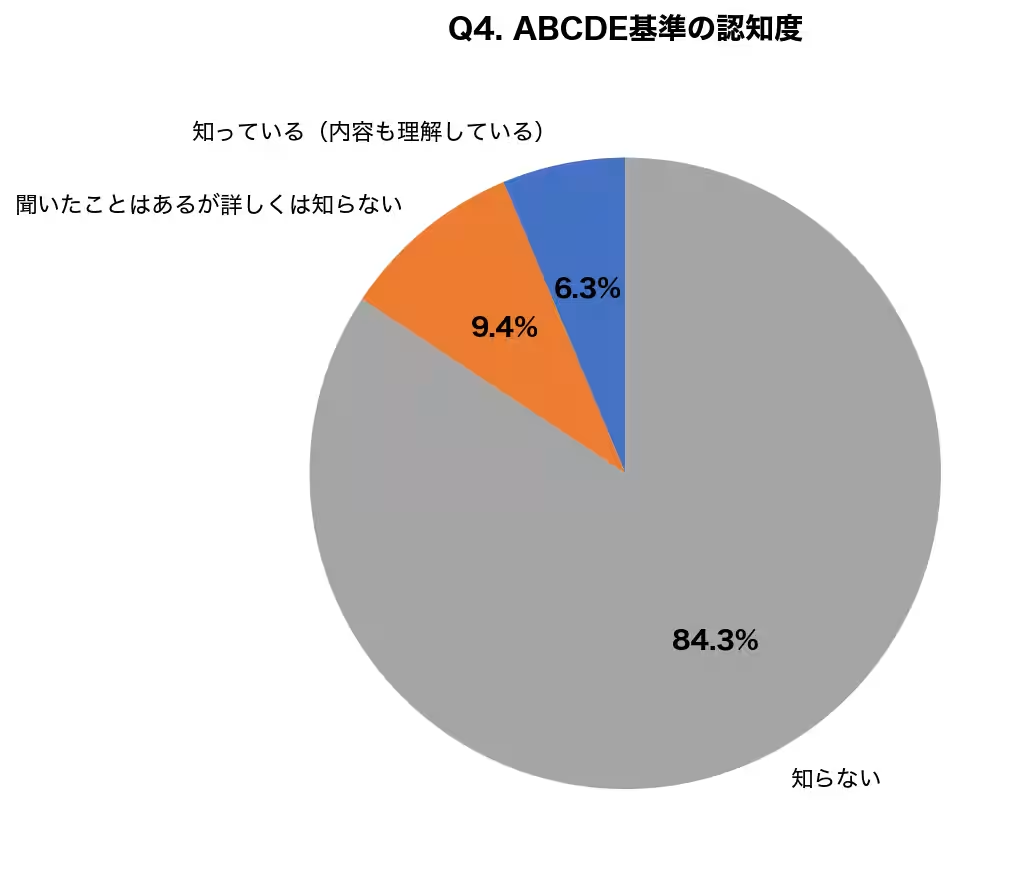
- - Awareness of the international self-check method called the ABCDE Criteria—which helps in distinguishing between benign moles and potential melanomas—was alarmingly low at only 15.7%.
These findings highlight a concerning gap between awareness and action regarding skin health.
What is Melanoma and Why is it Important?
Melanoma, a malignant tumor originating from melanocyte cells, is considered one of the most aggressive forms of skin cancer. In Japan alone, about 2,500 new cases are diagnosed each year. Early detection is vital, as a significant portion of melanoma cases are found on the soles of the feet and under the nails, which differs from common cases seen in Western populations.
The ABCDE Criteria serves as an essential tool for individuals to evaluate their moles:
- - A (Asymmetry): Is one half of the mole different from the other?
- - B (Border): Are the edges of the mole irregular or blurred?
- - C (Color): Is there a mix of colors present in the mole?
- - D (Diameter): Is the mole larger than 6mm?
- - E (Evolution): Has there been a change in size, color, or shape?
Recognizing these characteristics can facilitate early intervention and drastically improve survival rates.
The Dilemma of Inaction
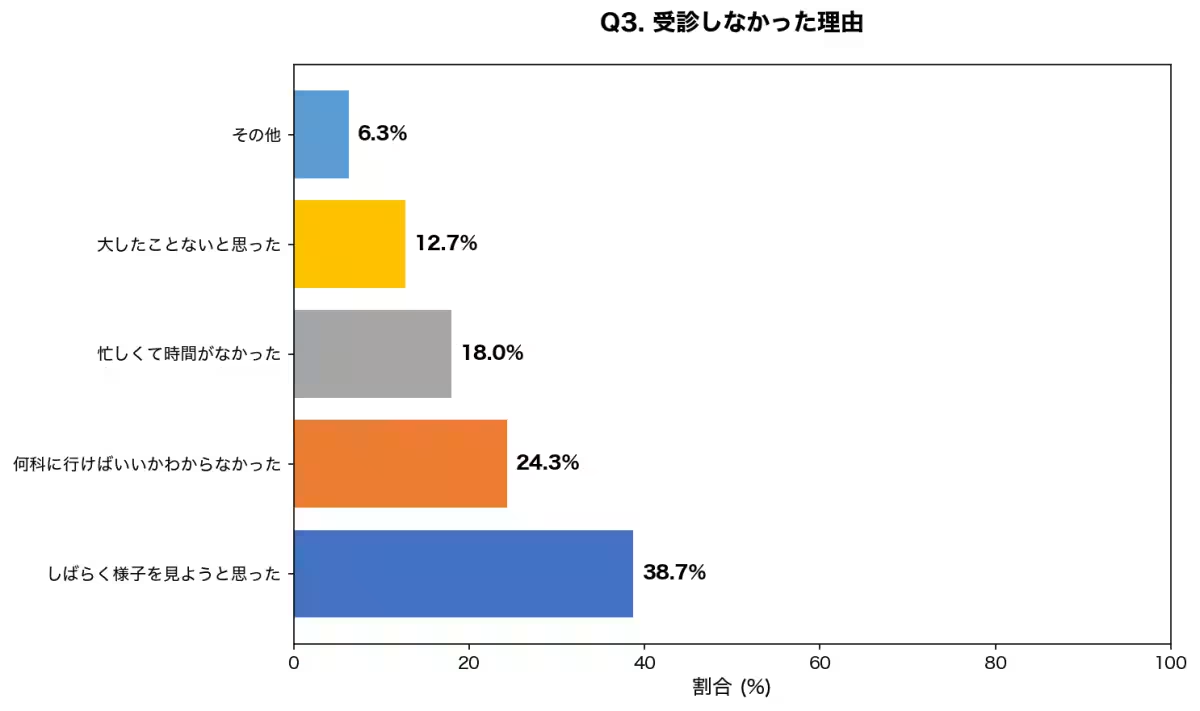
Despite the noticeable changes in their moles, the survey revealed that many individuals preferred to “wait and see” rather than consulting a dermatologist. About 41.0% of respondents felt anxious yet refrained from seeking help. This psychological barrier emphasizes the importance of educational initiatives aimed at demystifying the process of mole evaluation and consultations in dermatology.
Notably, 24.3% of respondents were unaware of which medical specialty to approach for their concerns. This lack of clear guidance indicates the need for outreach programs that provide straightforward information about skin health and the importance of early detection of anomalies.
The Role of Dermoscopy in Detection
The dermoscopy procedure utilizes a specialized magnifying device to visualize skin lesions beyond what is visible to the naked eye. This non-invasive technique enables healthcare professionals to differentiate between benign moles and those that may indicate malignancy effectively. This type of examination, often painless and quick, can reassure patients or lead to necessary interventions, such as biopsies or mole removals.
Conclusion
The survey underscored an urgent call for increased awareness regarding moles and their potential changes, particularly in the summer months when UV exposure is heightened. While 70% of individuals noticed changes in their moles, the fact that fewer than 25% sought medical advice showcases a critical gap that needs addressing.
Health professionals, particularly those specializing in dermatology, play an essential role in educating patients about the importance of skin monitoring and the benefits of early detection. With diligent practice of the ABCDE criteria and proactive health behaviors, individuals can significantly enhance their chances of catching melanomas in their early stages.
Dr. Kōta Takakuwa, a specialist at the ICU Clinic, stresses the need to act promptly if any changes are noted, stating, "Delaying a visit can lead to missed opportunities for early intervention. Don’t hesitate to visit a dermatologist if you detect any changes in your moles."
In conclusion, as we enjoy outdoor activities this summer, let’s prioritize our skin health by staying informed, practicing self-checks, and seeking professional advice whenever necessary.
Topics Health)

【About Using Articles】
You can freely use the title and article content by linking to the page where the article is posted.
※ Images cannot be used.
【About Links】
Links are free to use.