




Audio, Movement, and Measurements: Innovations in Senior Health with Otobank, EPNextS, and Nippon Tect Systems
A New Approach to Senior Health: Integrating Audio, Movement, and Measurement
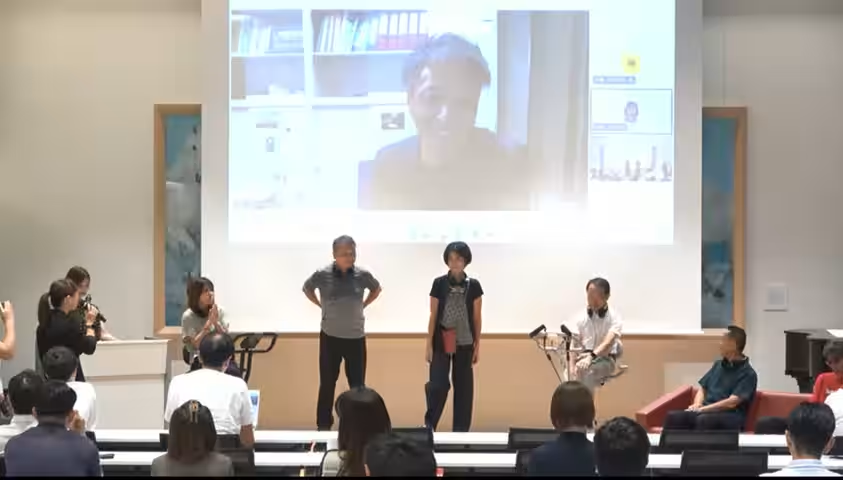
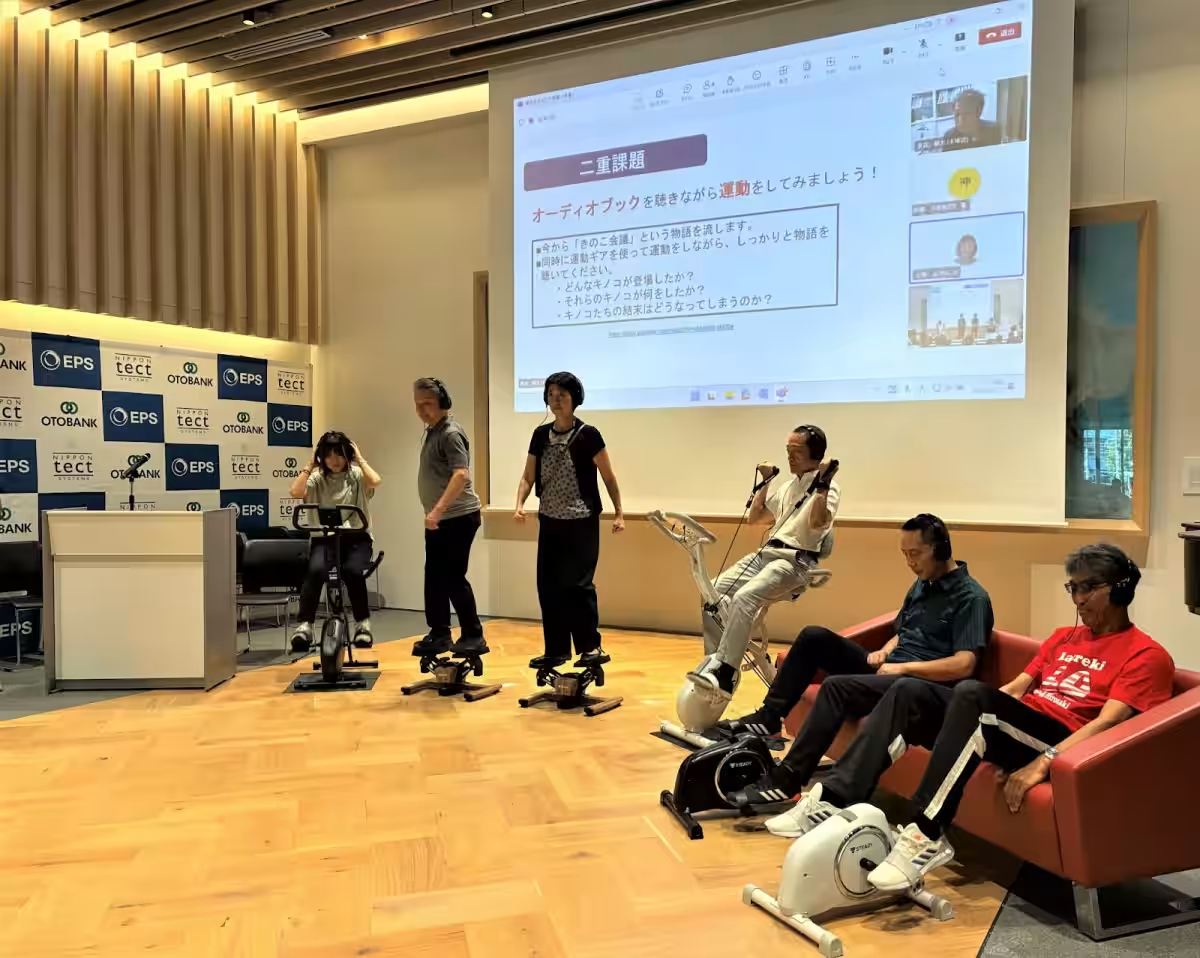
Otokbank, EPNextS, and Nippon Tect Systems announced an exciting initiative aimed at enhancing the health of the senior population. On September 17, 2025, the three companies hosted an event that unveiled a unique program—combining elements of audio, physical activity, and cognitive assessment to promote better health for the elderly.
The foundation of this initiative is based on recent research suggesting that listening to audiobooks during physical exercise may enhance brain blood flow, potentially providing benefits akin to recognized dementia prevention training. This promising discovery serves as a crucial pillar for their collaborative health program targeting seniors.
Program Overview
The integrated approach is anchored in three major components:
- - Listening: Utilizing audiobook services to stimulate cognitive engagement.
- - Movement: Encouraging physical activity with exercise equipment tailored for seniors.
- - Measuring: Implementing cognitive function assessment tools to track and support mental health.
This multifaceted program aims to bolster both the longevity and cognitive health of seniors by facilitating a more engaged lifestyle. Otobank, EPNextS, and Nippon Tect Systems are committed to fostering partnerships beyond their organizations, collaborating with exercise equipment manufacturers and distribution companies, including partners like Steady Japan Inc. during the launch event.
Company Roles
Here's how each organization contributes to this innovative undertaking:
- - EPNextS: In charge of advancing the initiative while establishing evidence for its effectiveness and safety.
- - Otokbank: Overseeing the provision of Japan's leading audiobook service, audiobook.jp, boasting over three million subscribers.
- - Nippon Tect Systems: Offering the cognitive function check tool, ONSEI, which leverages AI to assess users' cognitive health through voice analysis.
Highlights from the Launch Event
The launch included an online lecture by Professor Kenta Shigemori, an associate director at Kansai University of Welfare Science and a specialist in rehabilitation science. He shared insights from studies about the effects of




Topics Other)
【About Using Articles】
You can freely use the title and article content by linking to the page where the article is posted.
※ Images cannot be used.
【About Links】
Links are free to use.