



Survey Reveals Nearly 90% of Landlords Believe Interior Windows Attract Tenants
Attractive Rental Properties: The Role of Interior Windows
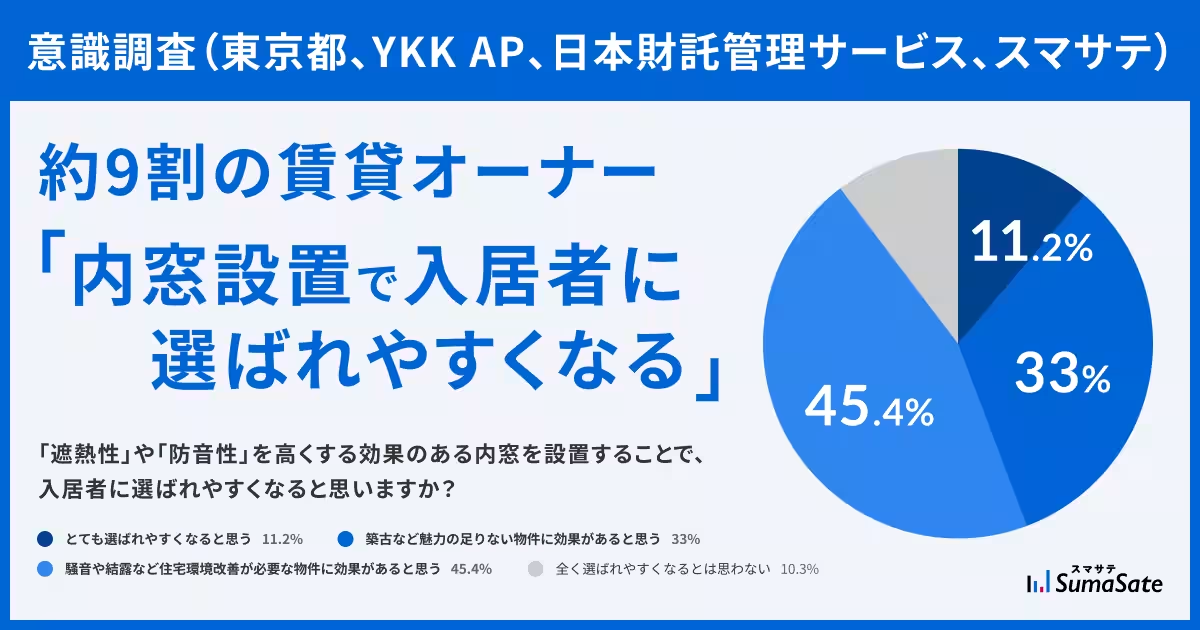
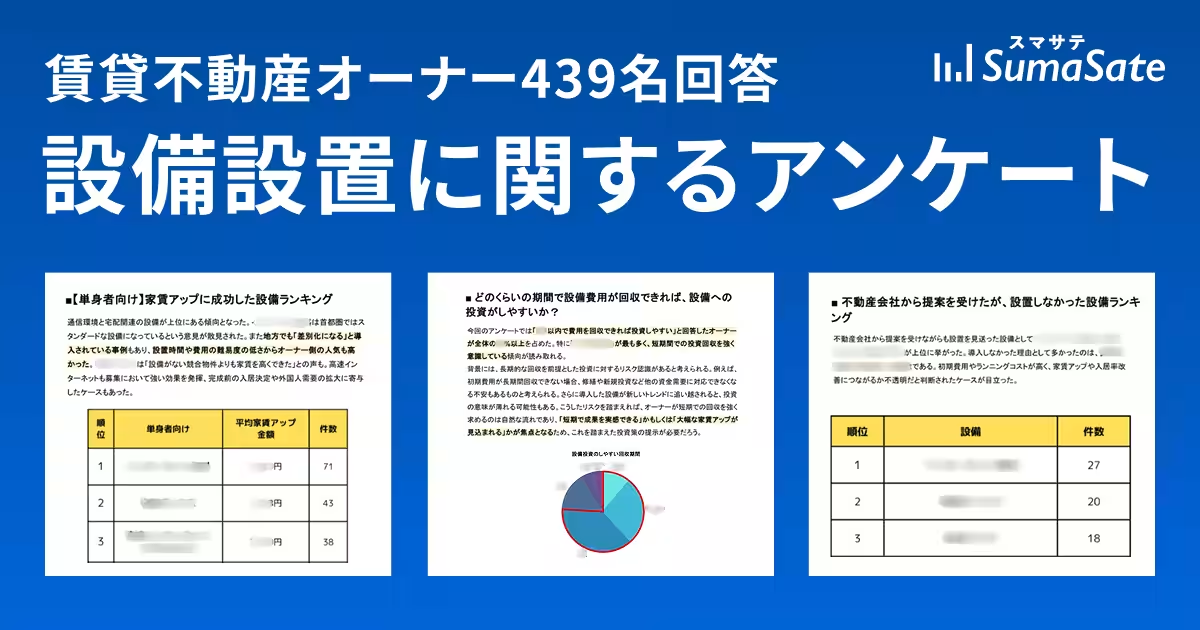
In the highly competitive Tokyo real estate market, the need for enhanced rental property features has never been more crucial. A recent collaborative survey conducted by Japan Zaitaku Management Service, YKK AP, and Sumasate examined the perceptions of 624 rental property owners regarding improvements that can be made to attract tenants. The results were telling, revealing that nearly 90% of landlords believe that installing interior windows significantly boosts the desirability of their properties.
Background of the Survey
As the costs associated with construction and labor continue to rise, the new supply of rental units is decreasing. Consequently, landlords are realizing that merely offering competitive rents or prime locations is no longer sufficient. Instead, providing a comfortable living environment is essential for maintaining a competitive edge in today's market. Moreover, with new energy efficiency regulations and the recent surge in extreme heat, awareness of energy-saving home features has increased considerably among consumers.
This survey aimed to grasp the mindset and actual practices of rental property owners concerning investments that enhance housing performance, particularly focusing on interior windows and their perceived benefits.
Key Findings
Majority Agree on the Benefits of Interior Windows
An overwhelming percentage of landlords, around 90%, reported that the installation of interior windows makes their properties more appealing to renters. Specifically, 45.4% of landlords noted improved insulation and soundproofing as key factors that could enhance the condition of properties plagued by noise and condensation issues. This is especially true for older buildings, with 33.0% of respondents identifying that such investments significantly increase their marketability.
Challenges with Insulation
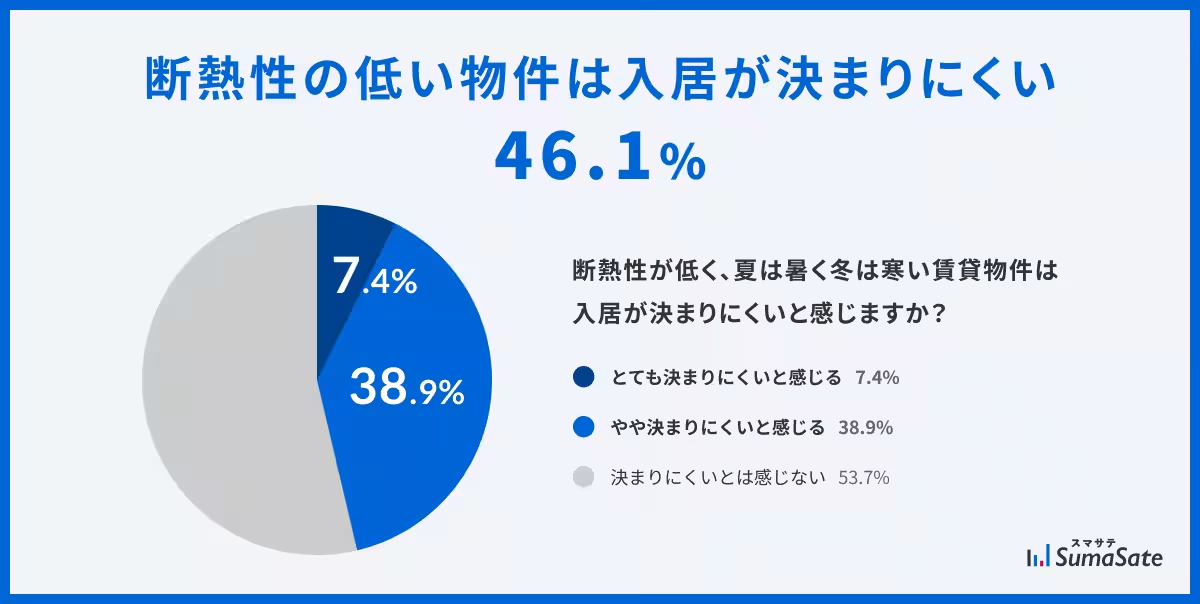
When questioned about properties with poor insulating qualities, 45.3% of landlords felt that securing tenants was particularly challenging. A significant portion of landlords—38.9% stated that these units are “very difficult” to rent out, while another 7.4% said they are “somewhat difficult.” This indicates a shift in tenant preferences driven by rising utility costs and increased time spent at home, necessitating a focus on comfort and energy efficiency.
Noise Factors Impacting Rentability
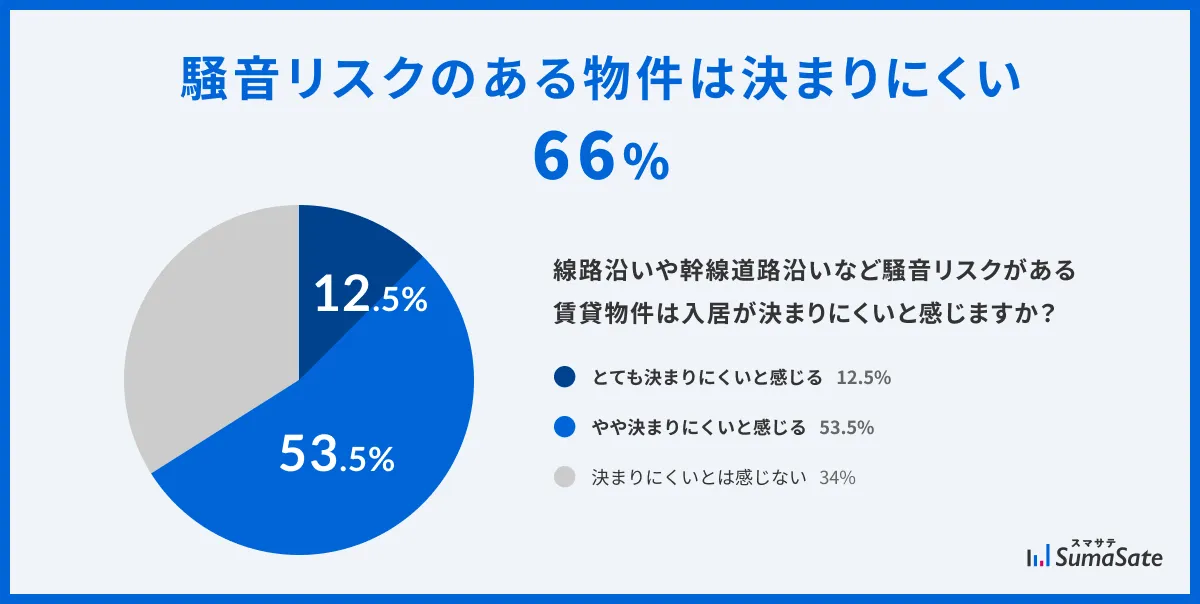
The survey also revealed that properties near noise sources, such as train tracks or busy roads, have rental difficulties, as 66% of landlords agreed that noise is a significant deterrent for tenants. Specifically, 53.5% indicated that they find it “very difficult” to attract renters to such properties. This aligns with tenants' priorities, where noise levels play a pivotal role in their selection process, further emphasizing the importance of soundproofing measures for landlords looking to enhance property appeal.
Awareness for Existing Properties
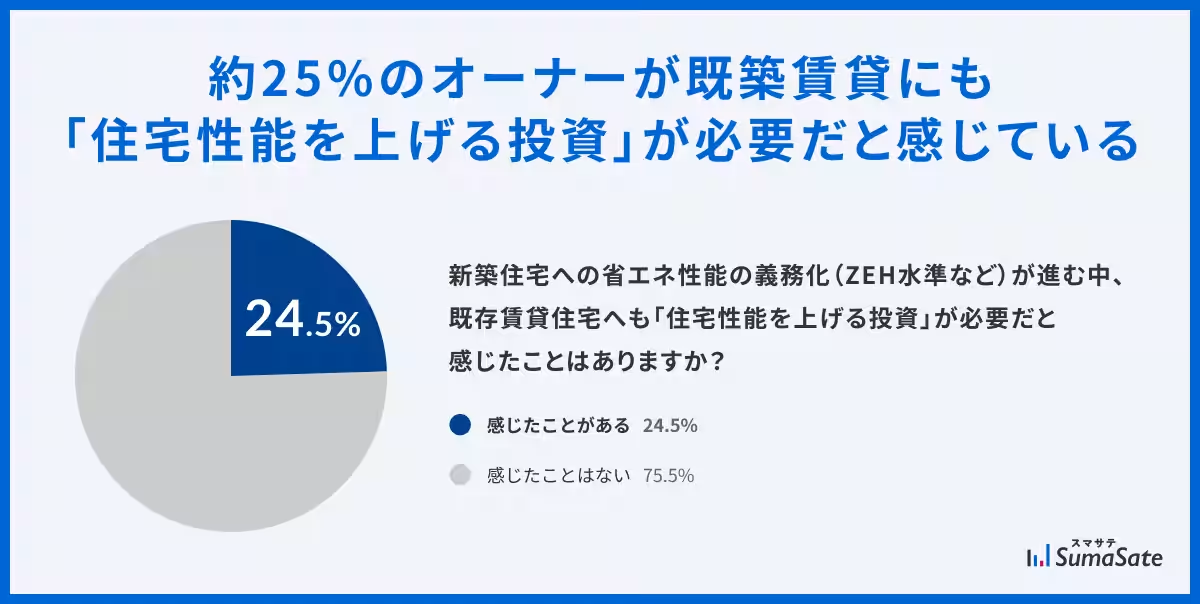
Interestingly, around 24.5% of landlords expressed a recognition of the need for investments to improve existing rental properties’ performance. While the majority (75.5%) felt otherwise, this statistic indicates a burgeoning awareness concerning the importance of energy efficiency in the rental market.
Incentives for Investment
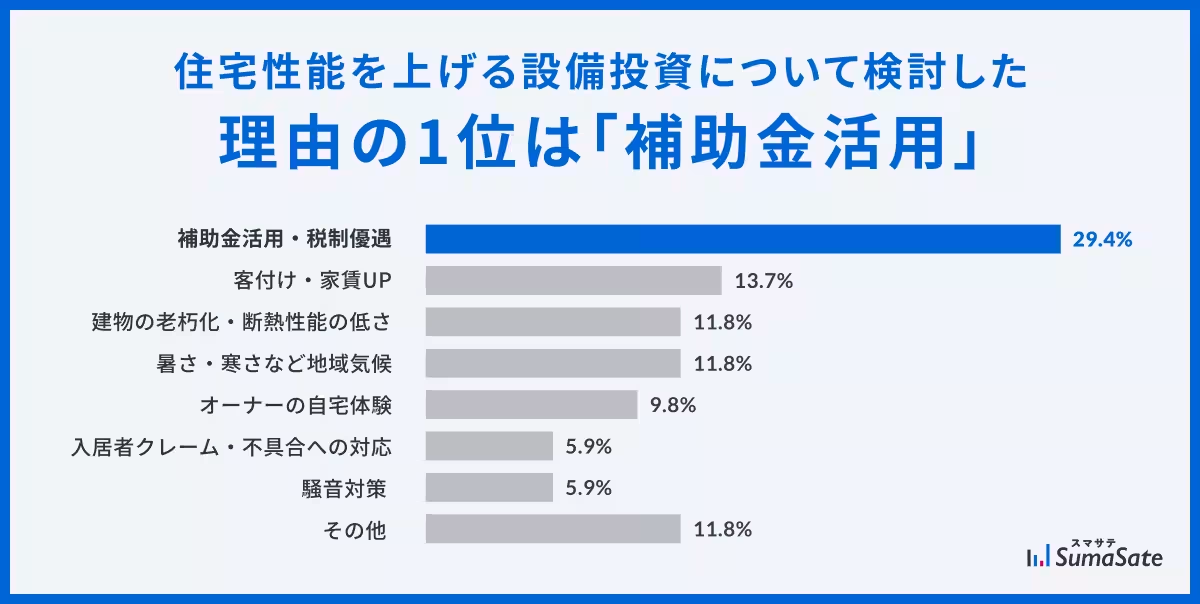
When exploring the motivations behind improvements, the most common reason cited by landlords was the use of subsidies and tax benefits, with 29.4% indicating this span of interest. Following that, categories like tenant attraction and potential rent increase represented 13.7%. This support significantly eases the financial burden of such investments, which is instrumental in encouraging landlords to consider upgrades.
Quick Return on Investment
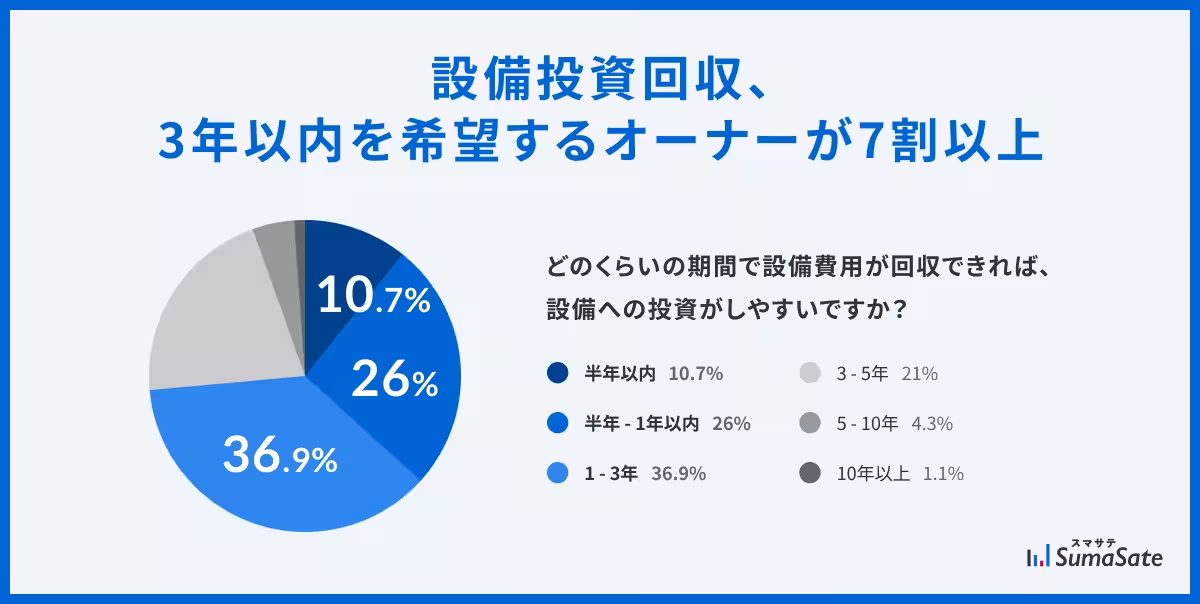
When probing landlords about their expectations regarding the payback period for investments in property improvement, over 70% expressed a desire for cost recoup within three years. Approximately 36.9% desired a return in 1-3 years, while 26.0% aimed for paybacks in less than a year. Previous surveys conducted in 2025 revealed similar trends, suggesting a persistent expectation for rapid financial recovery in property investments.
Conclusion
The findings from this survey underscore the necessity for landlords to increasingly consider the installation of features like interior windows to remain competitive. With a substantial shift in tenant priorities towards energy efficiency and comfort in their living spaces, landlords must adapt. As new building projects continue to decline and energy awareness rises, the strategies landlords employ to enhance the attractiveness of their older properties will be critical to achieving successful rental outcomes in the future. Leveraging government incentives smartly can significantly mitigate financial risks associated with property upgrades while enhancing both asset value and tenant satisfaction.
Further Readings and Resources
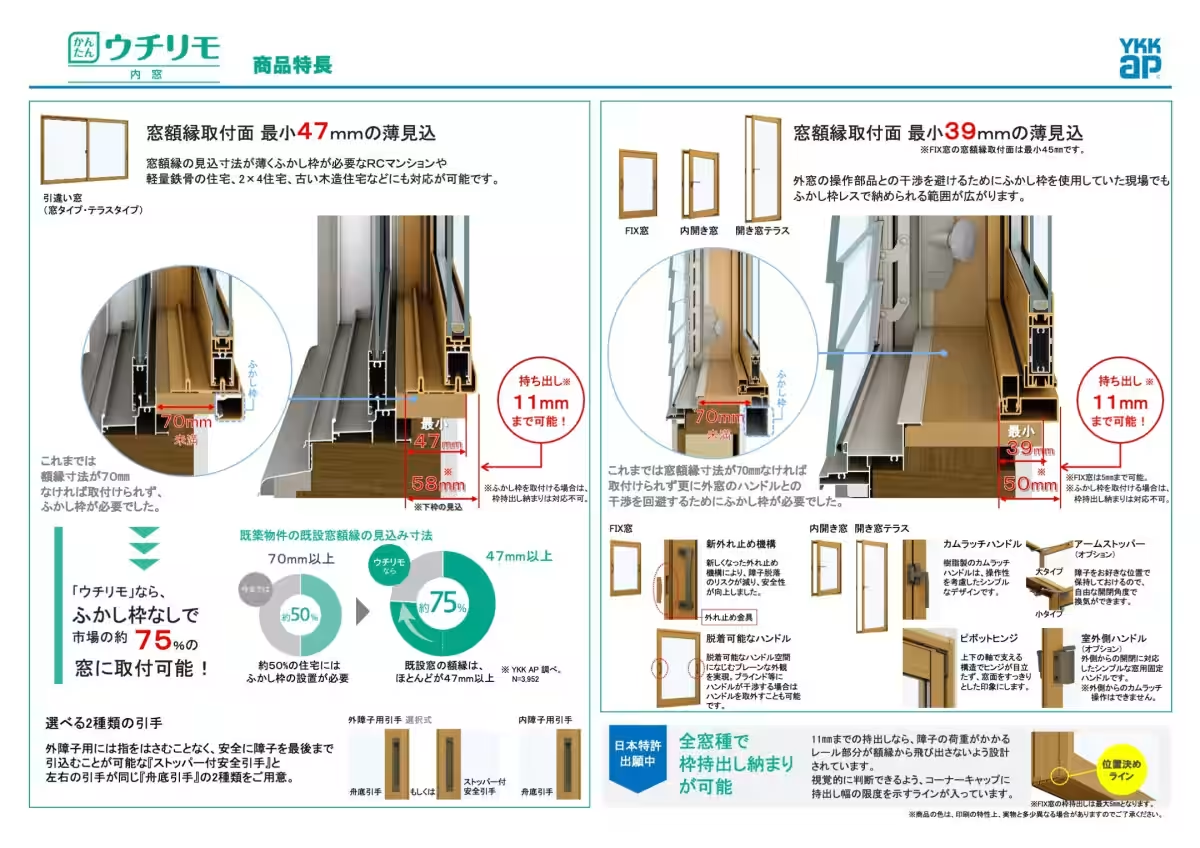
- - More details on the YKK AP interior window solutions are available on their official website, detailing how enhancements like the “UchiLimo” can improve insulation and soundproofing, creating an ideal living environment for tenants.
- - For landlords considering renovations, Tokyo’s local government provides various support initiatives designed to assist in implementing energy-efficient upgrades. Essential information can be found at the Cool-Net Tokyo website, summarizing active programs and resources available for landlords.
Topics Consumer Products & Retail)
【About Using Articles】
You can freely use the title and article content by linking to the page where the article is posted.
※ Images cannot be used.
【About Links】
Links are free to use.