



Transforming Wildlife Damage Control into Regional Management Strategy with Integrated Ecosystem Management
Transforming Wildlife Damage Control into a Regional Management Strategy
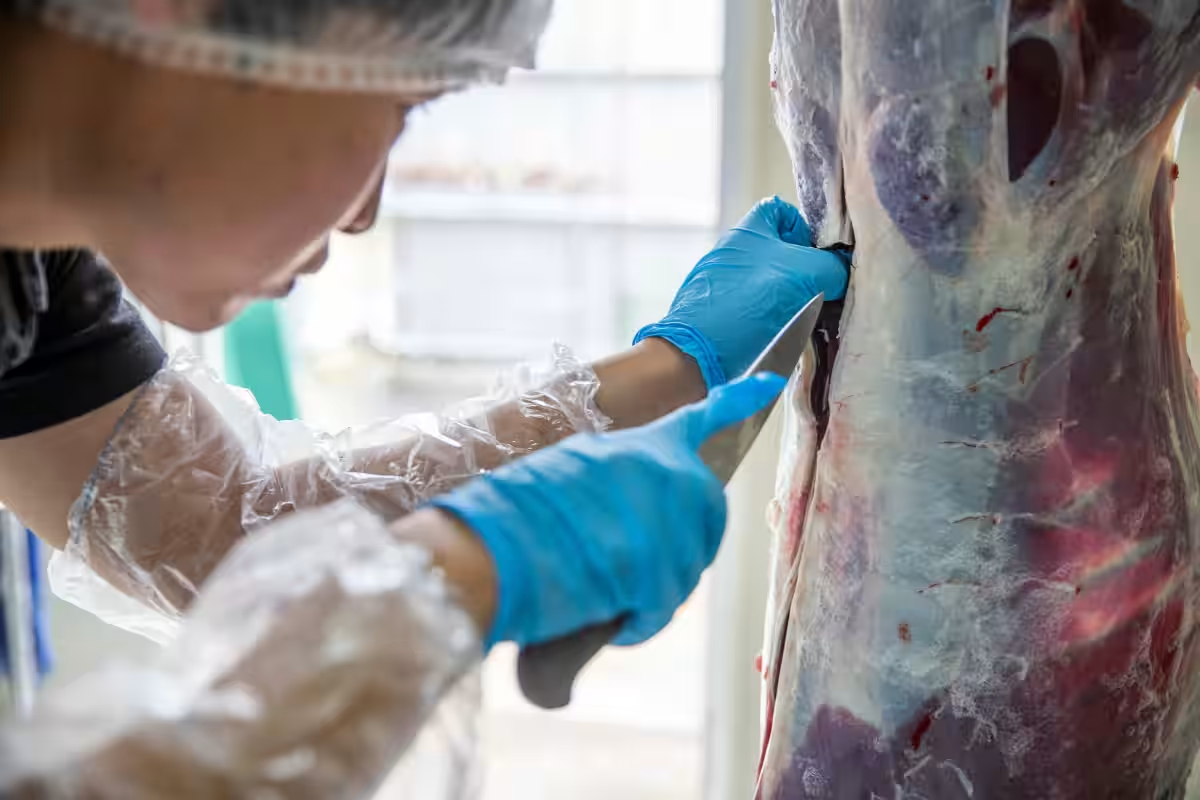
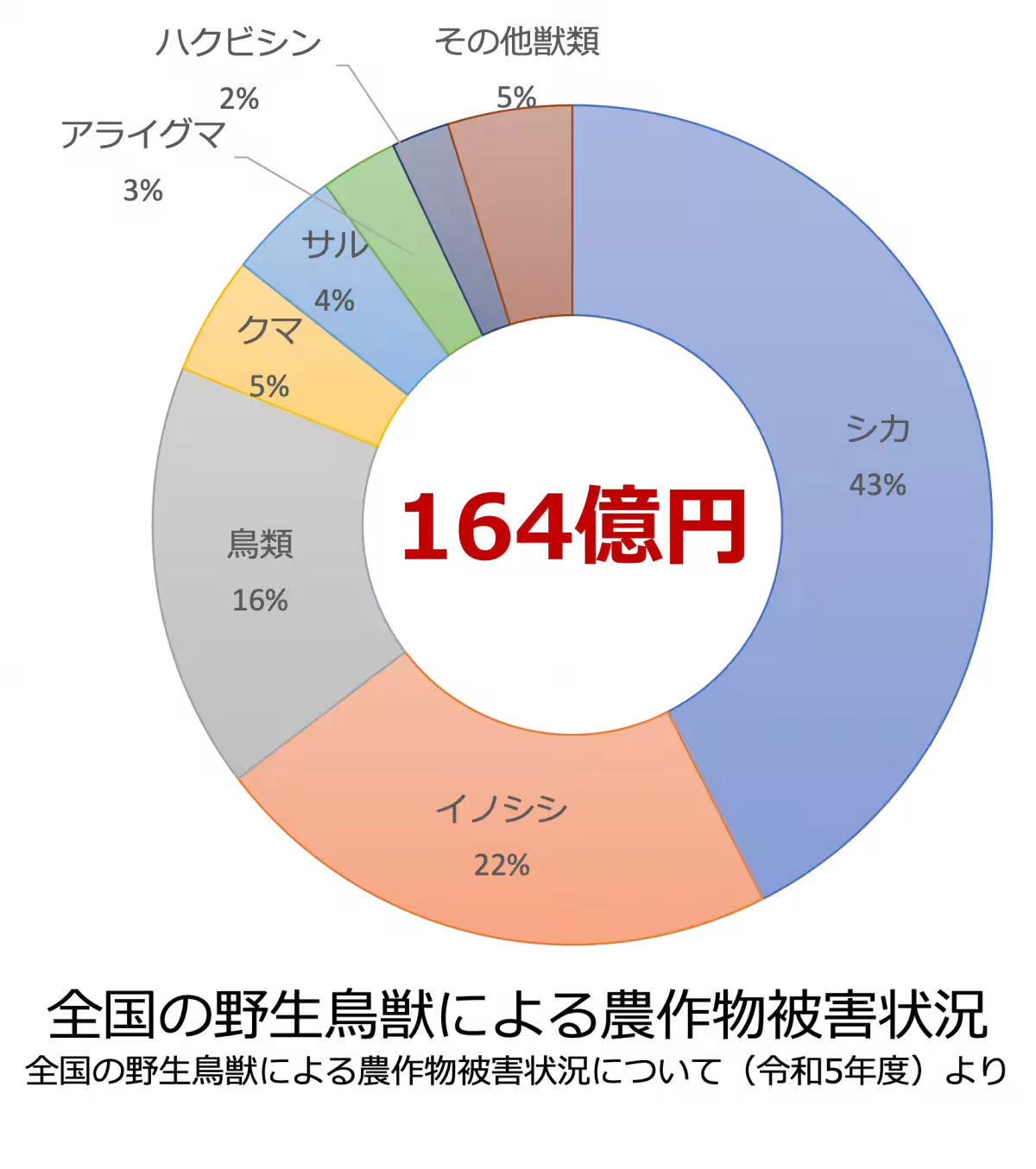
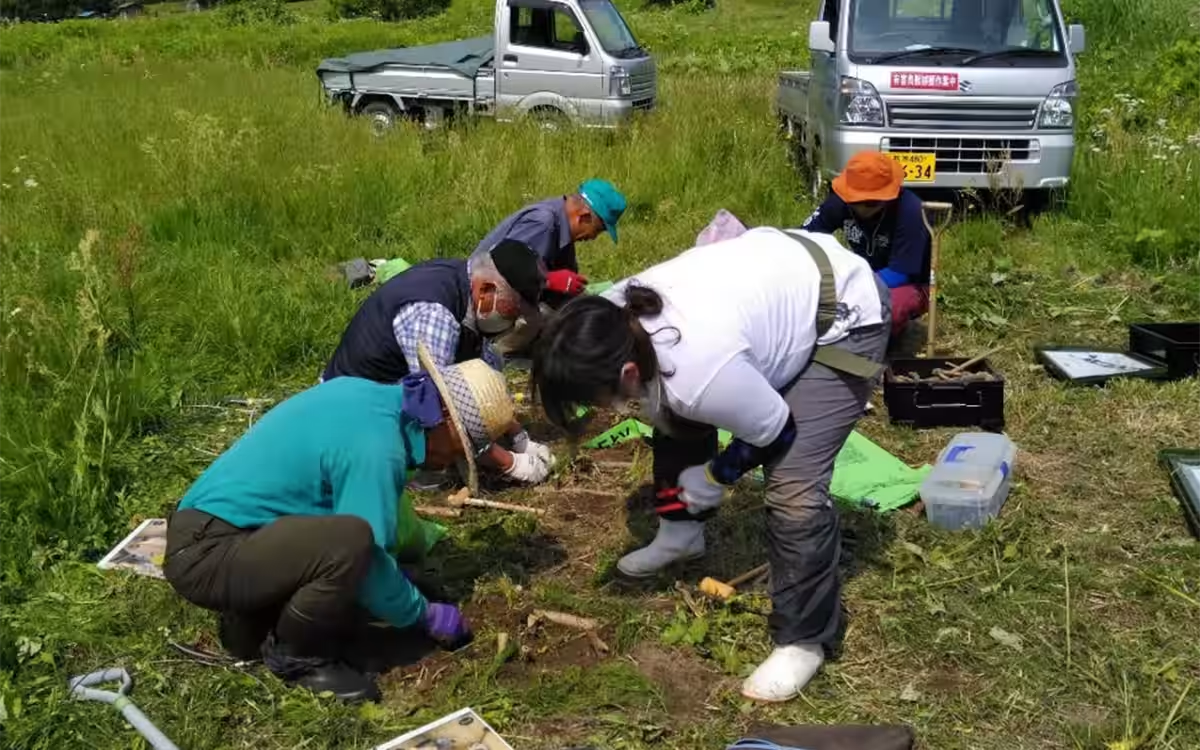
In recent years, wildlife damage caused by animals like deer, boar, and bears has led to severe issues in rural areas. Beyond agricultural destruction and personal injury, this issue contributes to the decline of community vitality and worsens the structural challenges faced by these regions, including increasing abandoned farmland and a shortage of workforce due to depopulation and aging. To address this growing crisis, A-Zero Group has partnered with Wilco, a wildlife control technology firm, and Fujiwara Architects Lab, a design studio focusing on urban landscapes, to launch a nationwide initiative aimed at creating an "Integrated Ecosystem Management System" to support local revitalization.
The challenges arising from wildlife damage are compounded by the fragmented budgets and policies from various government departments, such as the Ministry of the Environment and the Ministry of Agriculture, Forestry and Fisheries, leading to a lack of cohesive strategy. Furthermore, there is a notable shortage of specialized talent needed to implement effective solutions. The initiative aims to break down these barriers by fostering a holistic approach that integrates data management, personnel development, and spatial design.
A New Approach to Wildlife Damage Control
The goal of the new initiative is to shift the perception of wildlife damage from merely a "cost" to a "strategic investment" in local ecosystems. This is aligned with the national movement towards a "Nature Positive" future where nature’s productivity is harnessed for sustainable local economic models.
Key Components of the Initiative:
1. Data Accumulation and Wildlife Density Management
The technical team at Wilco will utilize camera trap data to gauge wildlife populations using the RAI (Relative Abundance Index). Tracking trends in these populations will provide local governments with reliable, science-based insights necessary for making informed policy decisions. This data structure aims to empower authorities with critical information to assess and manage wildlife numbers effectively.
2. Talent Discovery and Development
Leveraging their experience in cultivating entrepreneurial talent, A-Zero Group will harness frameworks like the Ministry of Internal Affairs and Communications Cooperative Team System to identify and train future experts in wildlife damage management. The program aims to create a foundation of capable personnel across local administrations who are equipped to manage wildlife strategically and sustainably.
3. Reconstructing Coexistence Zones through Integrated Master Planning
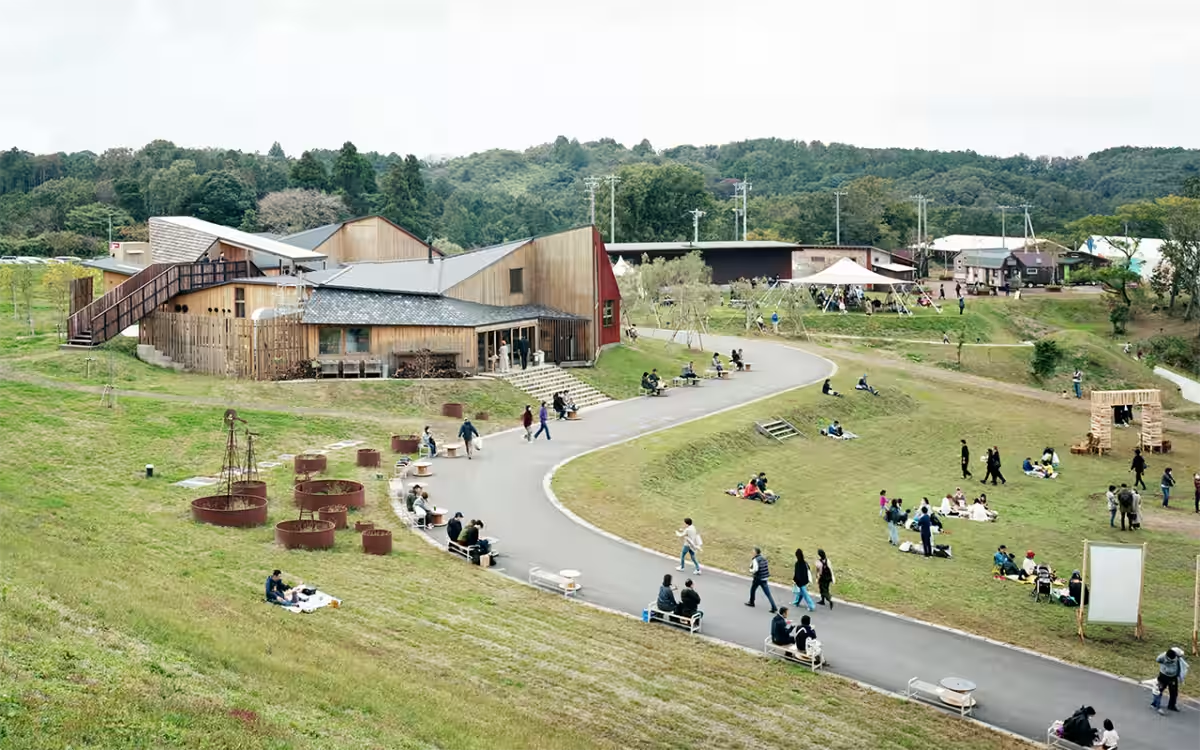
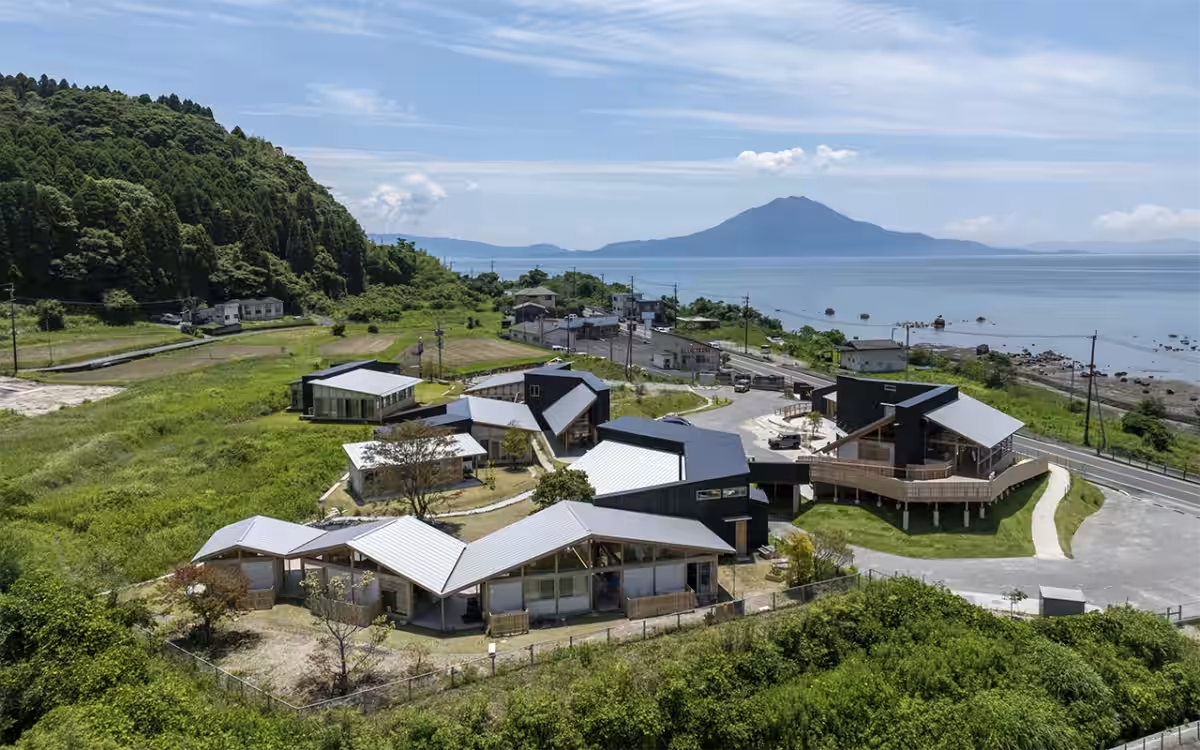
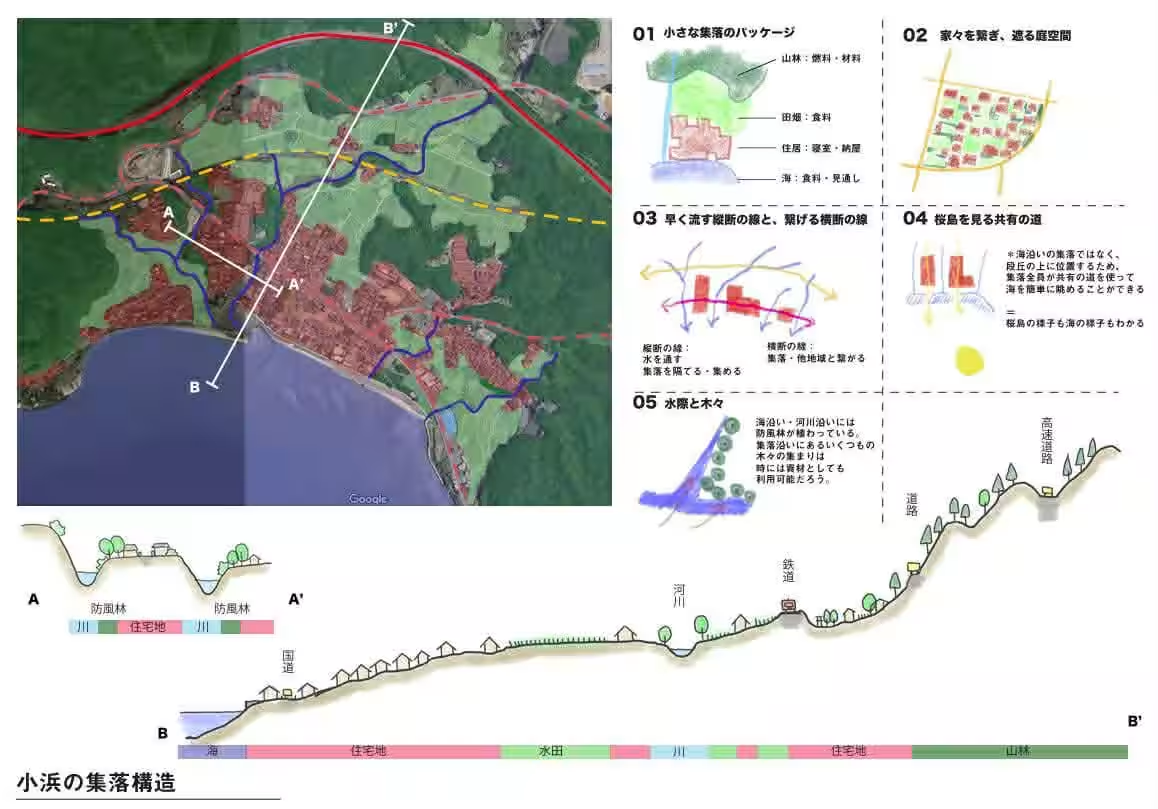
Fujiwara Lab will lead the geographic and structural redesign necessary for human-wildlife coexistence, focusing on creating buffer zones and utilizing land sustainably. The development of an Integrated Master Plan includes optimizing land use for residential, agricultural, and natural spaces to promote regeneration of abandoned farmland and enhance local landscapes. This vision supports broader goals of tourism and educational opportunities linked to ecological preservation.
A Vision for the Future
After five years, the initiative aims to achieve several key metrics:
- - 50% Reduction in Agricultural Damage
- - Successful Wildlife Density Management
- - 100% Data Utilization Rate
- - Training over Nine New Talents per Local Government
- - Creation of at least three new local businesses
By merging scientific data management, talent development, and spatial planning into one cohesive strategy, the initiative seeks to establish a sustainable local development model that can effectively combat wildlife-related issues while fostering community growth.
Collaborating Organizations
- - A-Zero Group: A holistic leader in local resource cultivation, A-Zero Group specializes in connecting local governments, residents, and experts, integrating support systems for business synergies across multiple sectors, including wildlife management, ICT, and tourism.
- - Wilco: This venture from Nagaoka University of Technology boasts expertise in monitoring wildlife populations and implementing scientifically grounded wildlife control measures, ensuring transparent data sharing with local communities.
- - Fujiwara Architects Lab: Renowned for its integrated approaches to landscape design, Fujiwara Lab specializes in crafting environments that promote ecological health and tourism while ensuring human-wildlife coexistence through thoughtful design.
With shared expertise across diverse fields, this project represents a collaborative attempt to address the pressing issues of wildlife management and local revitalization. It also serves as an opportunity to cultivate a new profession in ecosystem management, bridging conservation with sustainable economic strategies.



Topics Other)
【About Using Articles】
You can freely use the title and article content by linking to the page where the article is posted.
※ Images cannot be used.
【About Links】
Links are free to use.