



Manufacturers Struggle with Supply Chain Risk Management Limitations Amidst External Challenges
Understanding the Challenges of Supply Chain Risk Management
In a recent survey conducted by KUMU Works, a company focused on data utilization and procurement DX in the electronics and semiconductor sectors, it was found that over 80% of procurement officers in manufacturing feel overwhelmed by the limitations of manually managing external supply chain risks. This issue has been exacerbated by the frequent changes in disaster scenarios and trade and environmental regulations, making it increasingly challenging for procurement professionals to keep track of critical information that can directly affect their operations.
Background of the Survey
The ongoing challenges posed by unpredictable natural disasters and geopolitical risks have brought the significance of supply chain risk management to the forefront in the manufacturing industry. Procurement officers are struggling to cope with the vast amounts of information related to regulations and disasters, particularly when trying to identify affected suppliers and components quickly during critical situations. The survey conducted from August 5 to August 6, 2026, included responses from 330 procurement personnel aged 20 to 50 from various manufacturing sectors.
Key Findings of the Survey
1. Methods of Information Management
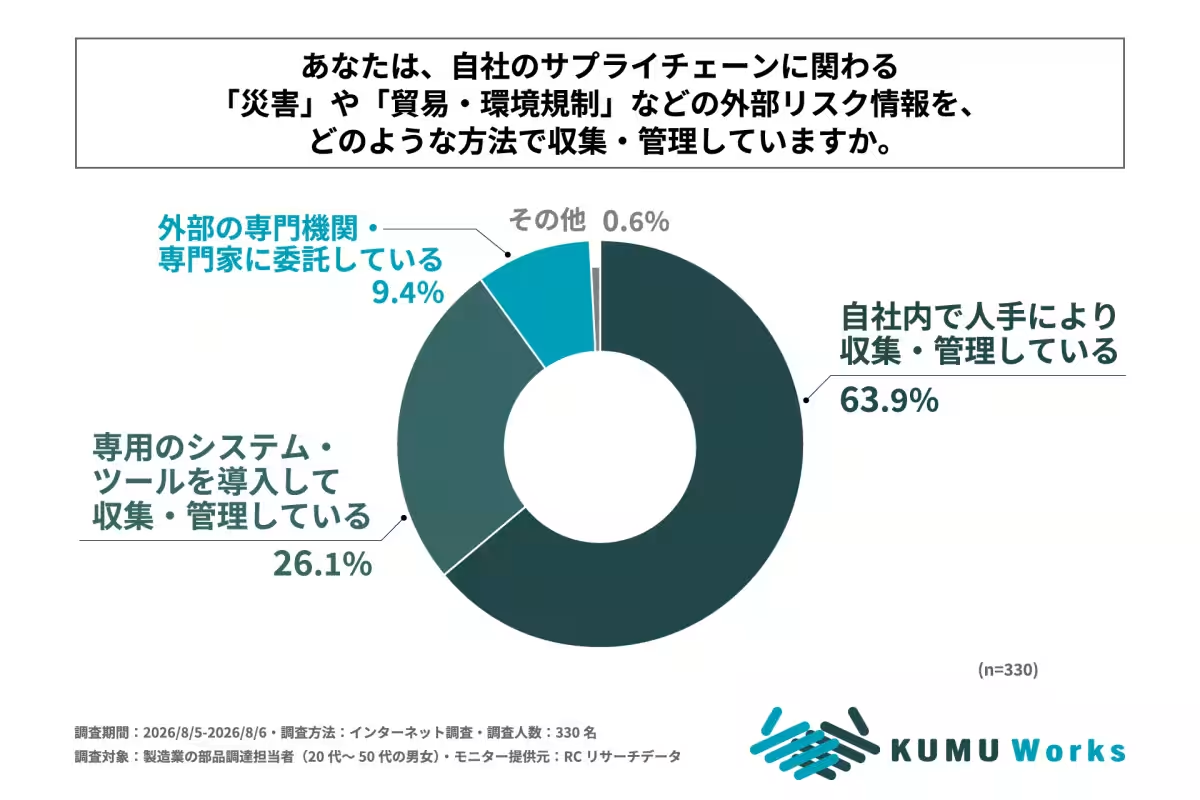
The survey revealed that 63.9% of procurement officers rely on manual collection and management of external risk information related to disasters and regulations, while 26.1% use dedicated systems and tools. Only 9.4% reported outsourcing this task to external specialists. This shows that a significant majority are still depending on traditional methods for risk information management.
2. Recognition of Limitations in Manual Processes
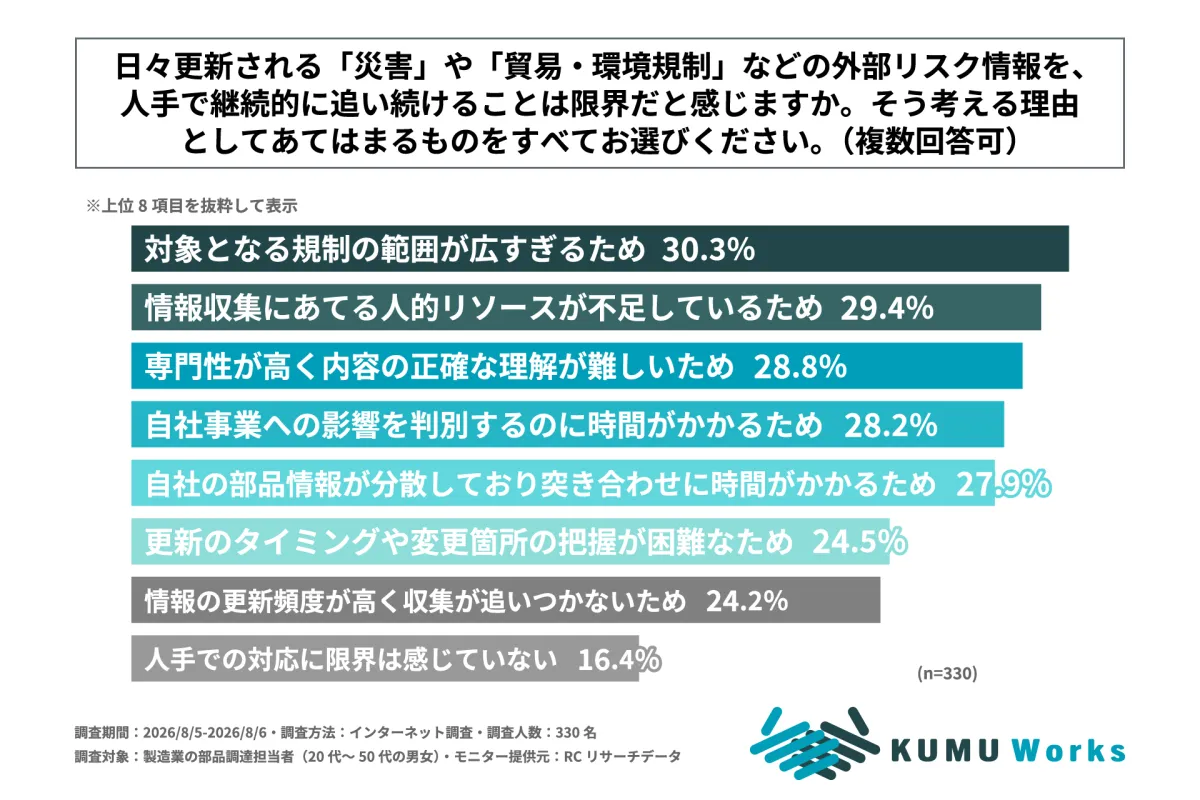
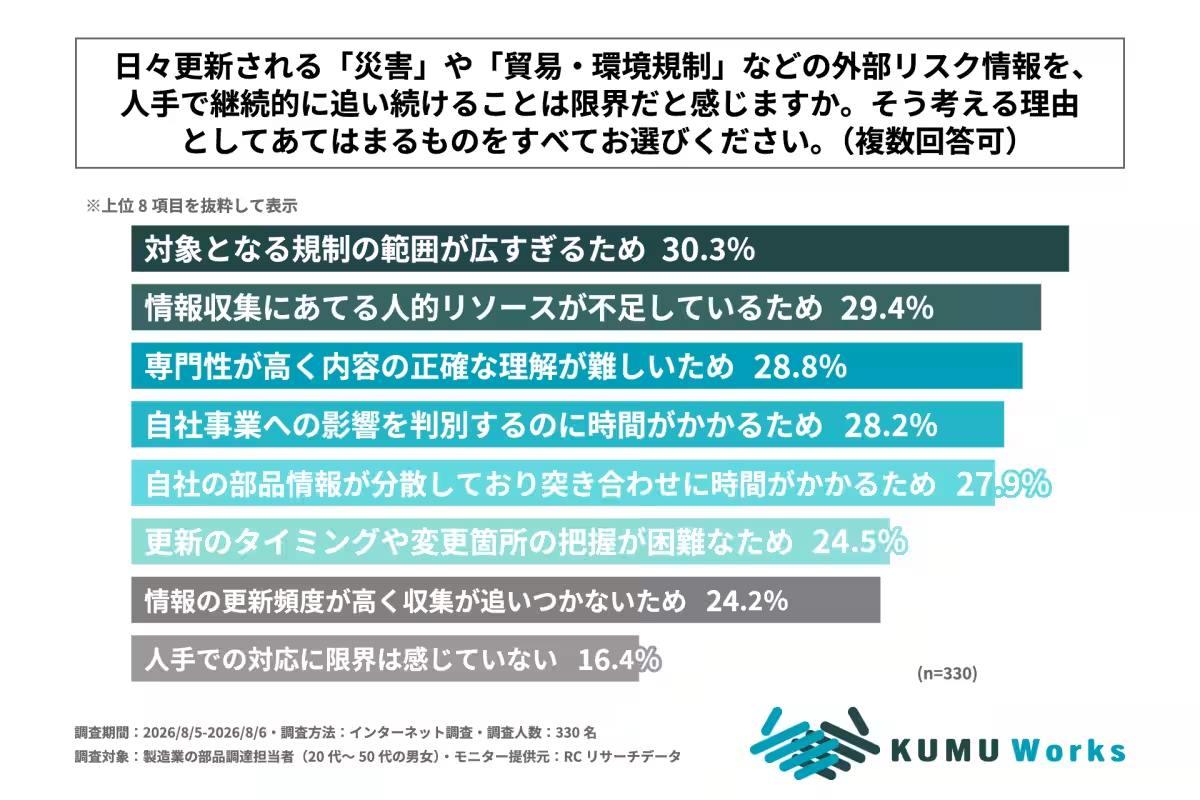
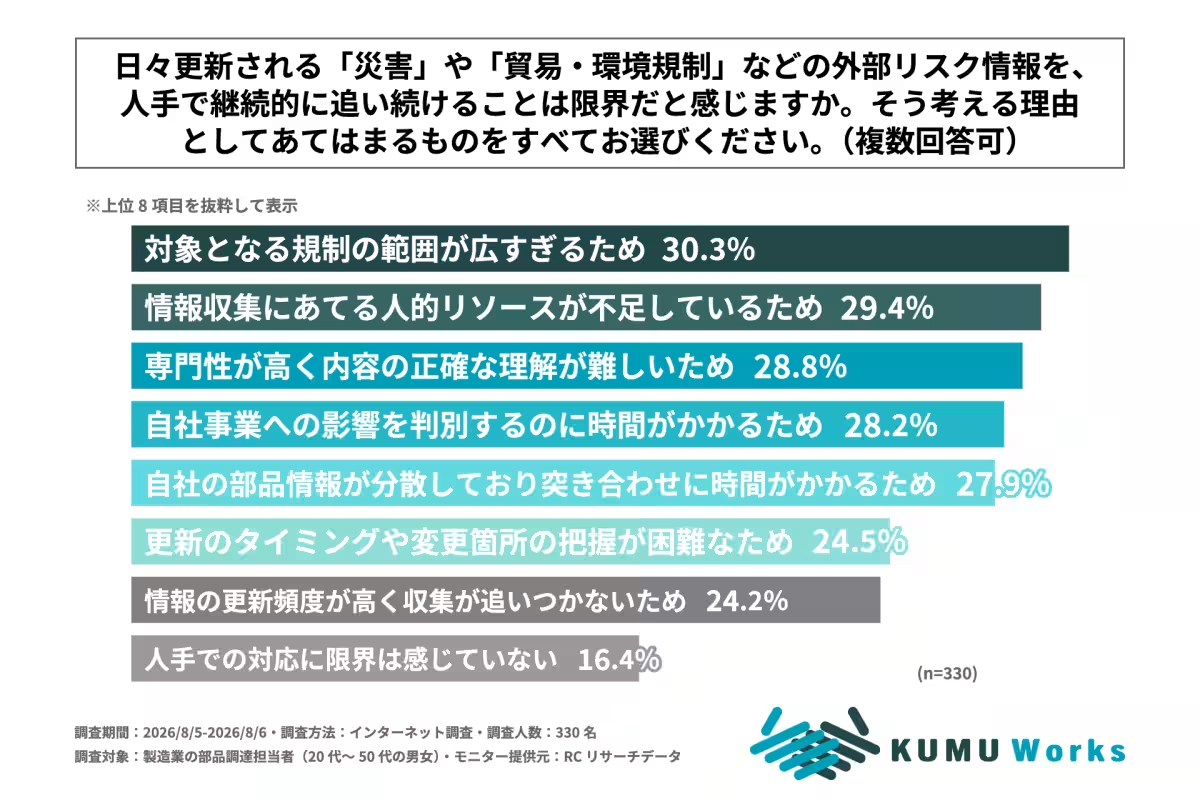
Interestingly, over 80% of the respondents expressed that they feel unable to continuously monitor external risks manually. The primary reasons cited were the overly wide scope of applicable regulations (30.3%) and a lack of human resources dedicated to information collection (29.4%). Only 16.4% of those surveyed believe they do not experience limitations in this aspect.
3. Delays in Identifying Impacted Components
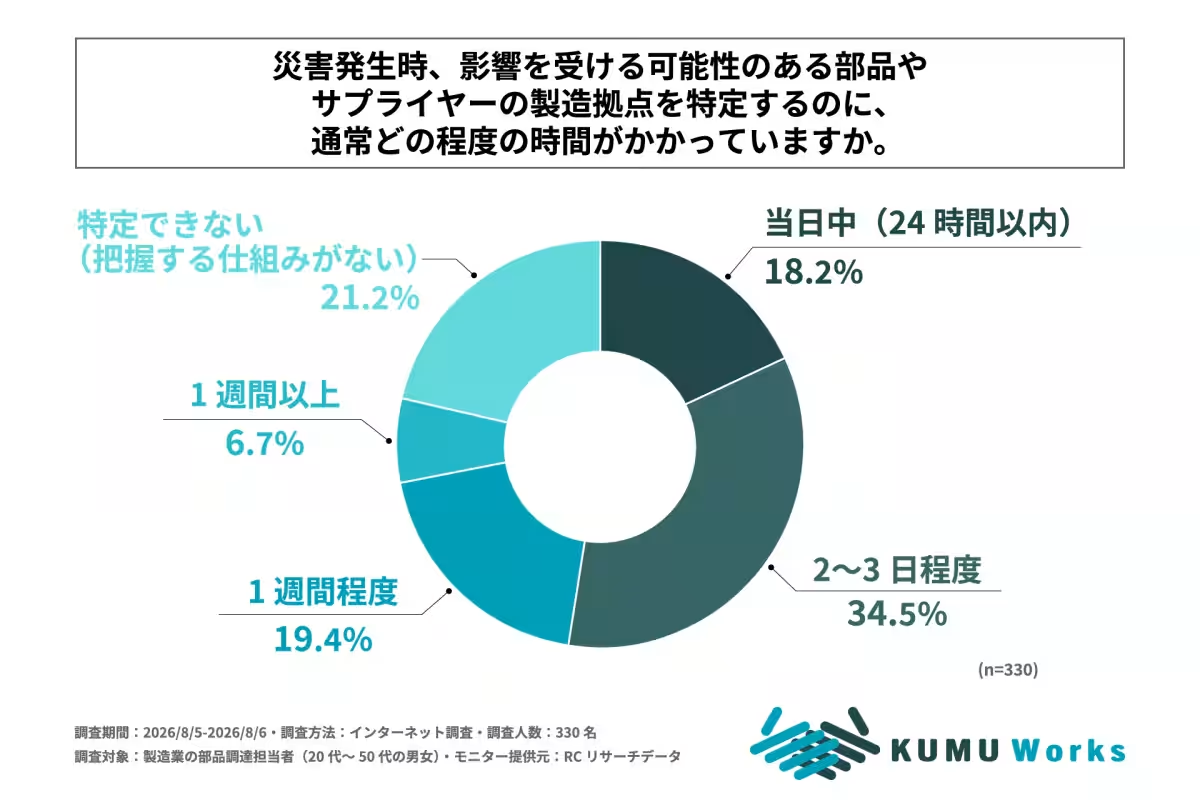
An alarming 80% of respondents stated that during a disaster, they were unable to identify affected parts or supplier locations on the same day. The survey highlighted that 34.5% estimated it takes them two to three days to ascertain potential impacts, and about 21.2% admitted they lack a mechanism to identify impacts at all.
4. Past Experiences Causing Operational Issues
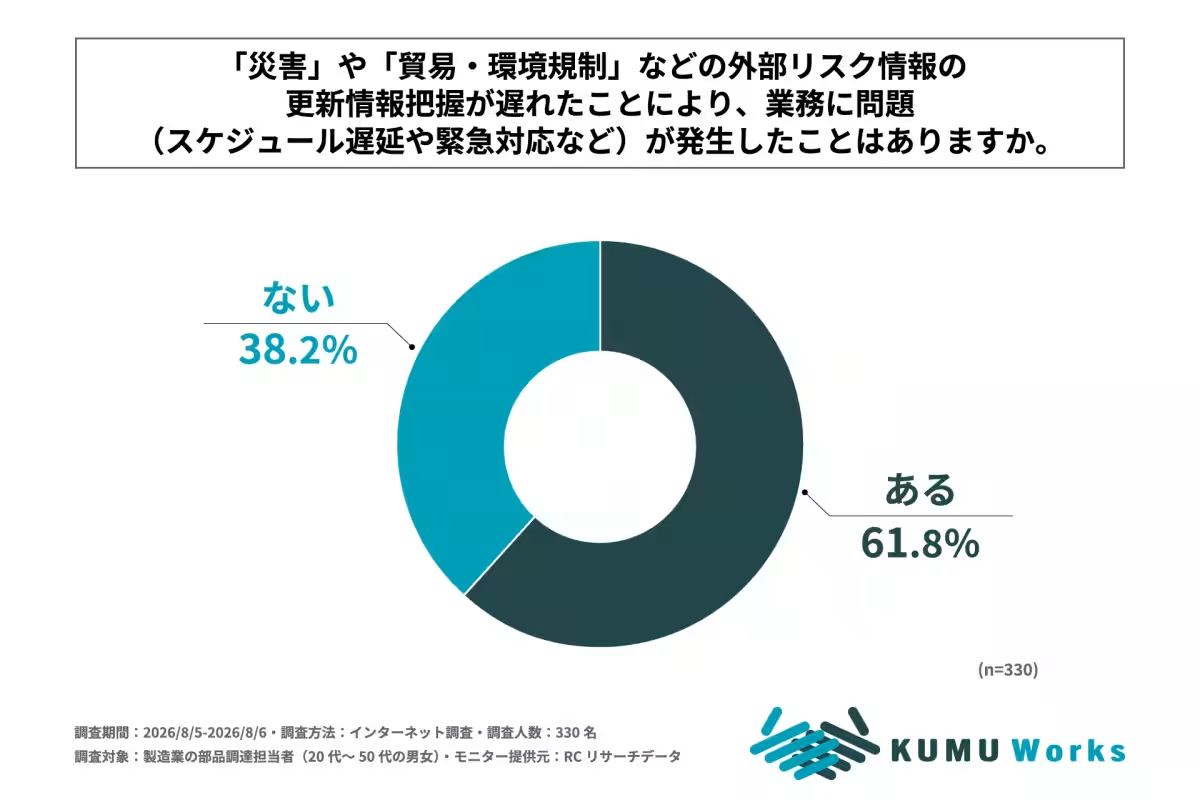
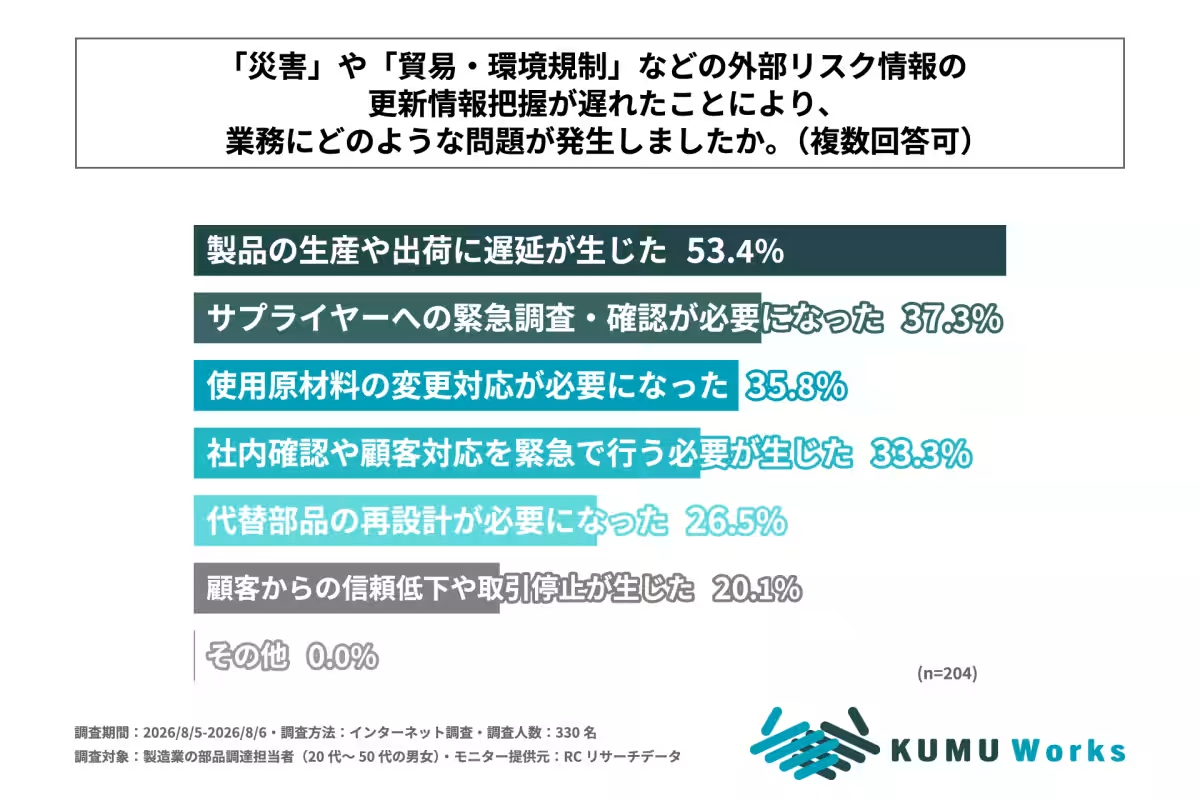
Over 60% of the participants acknowledged having faced operational issues stemming from delays in updates regarding disaster or regulation changes. The most significant problems that arose included delays in product production and shipment (53.4%), urgent supplier assessments (37.3%), and the need to adapt to changes in raw materials (35.8%).
5. Future Measures for Improvement
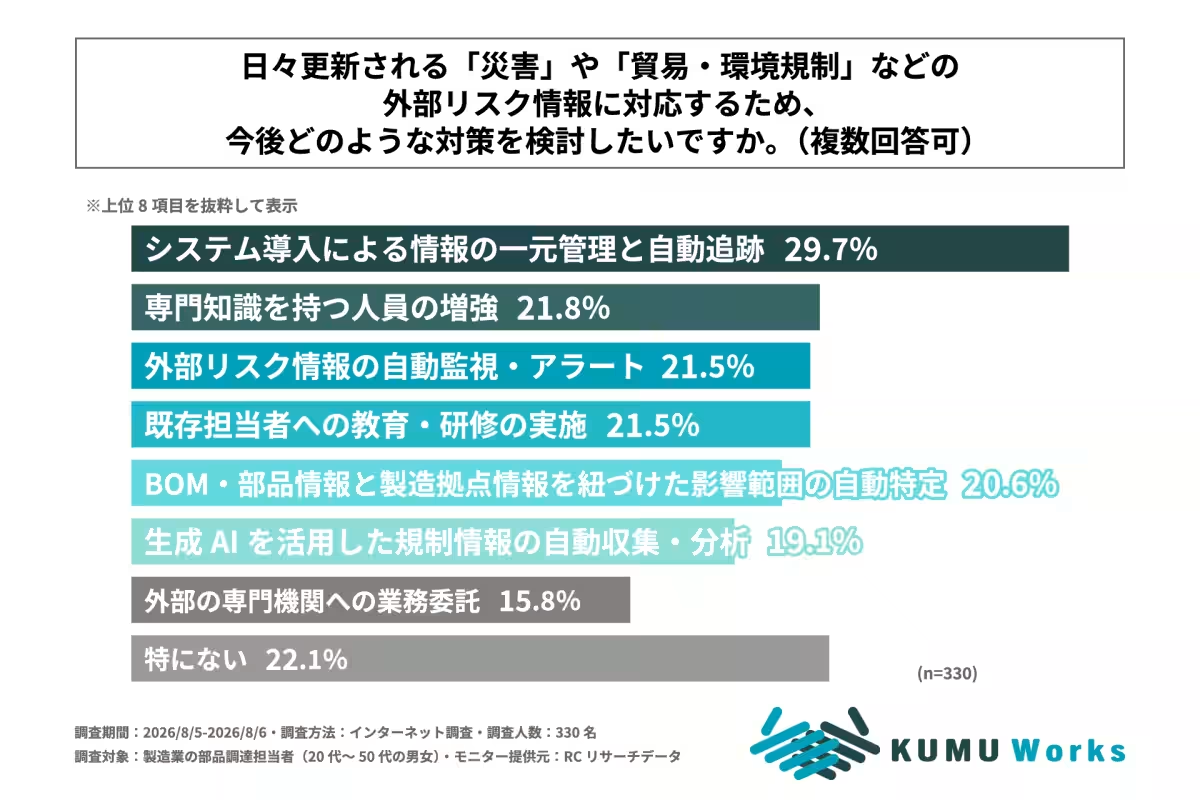
When asked about potential measures for addressing these ongoing issues, nearly 30% of procurement professionals indicated they wish to implement systems for centralized information management and automatic tracking. Other considerations included enhancing the workforce's expertise (21.8%) and implementing external monitoring and alerts (21.5%).
Conclusion
The findings of this survey clearly indicate that many procurement personnel in the manufacturing sector feel the constraints of manual risk management efforts. The inability to keep up with external risk information can lead to significant operational challenges, such as production delays. KUMU Works' offering, Z2Data, addresses these challenges by providing a data platform that automates the tracking of supply chain risks, thereby facilitating quick identification of affected suppliers and components based on a vast database with over a billion parts.
About KUMU Works
Founded with the goal of optimizing supply chains, KUMU Works is committed to supporting procurement professionals in overcoming today's complex challenges. The company focuses on providing services such as data platform sales, digital marketing, and consulting aimed at enhancing operational efficiency in manufacturing and technology sectors.
For more information on how KUMU Works and Z2Data can help your organization manage supply chain risks, visit Z2Data.



Topics Business Technology)
【About Using Articles】
You can freely use the title and article content by linking to the page where the article is posted.
※ Images cannot be used.
【About Links】
Links are free to use.